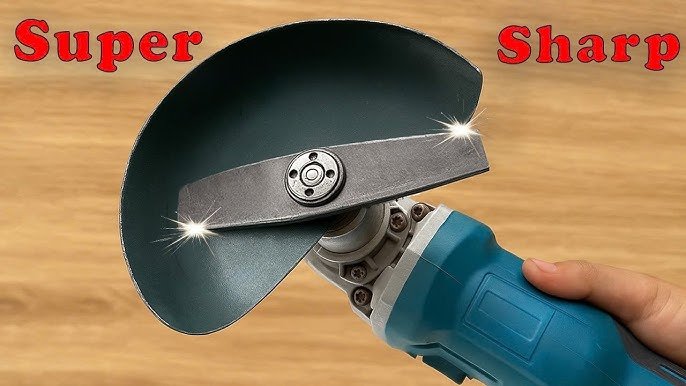
Unlock the full potential of your tools with an angle grinder. If you’re tired of dull edges and lackluster performance, you’ve come to the right place.
Imagine transforming your old, worn-out tools into sharp, efficient instruments with just one device. Yes, that’s possible with an angle grinder! This versatile tool can make your sharpening tasks faster and more effective, saving you time and effort. But how do you ensure you’re using it correctly to achieve the best results without damaging your tools?
In this guide, you’ll discover step-by-step instructions and expert tips designed to help you master the art of tool sharpening with an angle grinder. Dive in to learn how this powerful tool can revolutionize your workshop experience.
Choosing The Right Angle Grinder
An angle grinder is a useful tool for sharpening blades and other tools. Picking the right angle grinder helps you work safely and effectively. This guide explains the types and discs to choose for sharpening.
Knowing the different grinders and discs will make your sharpening easier. Use this information to find the best match for your needs.
Types Of Angle Grinders
Angle grinders come in different sizes and power levels. The right type depends on your project and tool size. Here are common types you can find:
- Small angle grinders (4 to 5 inches) – Good for light sharpening and detail work.
- Medium angle grinders (6 to 7 inches) – Best for general sharpening tasks.
- Large angle grinders (9 inches and above) – Used for heavy sharpening and large tools.
- Corded grinders – Provide constant power for long jobs.
- Cordless grinders – Offer portability but shorter runtime.
Choose a grinder that feels comfortable and fits the tools you want to sharpen. A smaller grinder works well for fine blades, while bigger grinders are better for large tools.
Selecting The Appropriate Disc
The disc on an angle grinder must match the material and sharpening task. Using the wrong disc can damage your tools or the grinder.
| Disc Type | Material Used For | Best For |
| Grinding Disc | Metal | Sharpening blades and removing rust |
| Flap Disc | Metal and Wood | Smoothing edges after sharpening |
| Diamond Disc | Hard materials like tile | Not recommended for sharpening metal tools |
| Wire Brush Disc | Metal | Cleaning before sharpening |
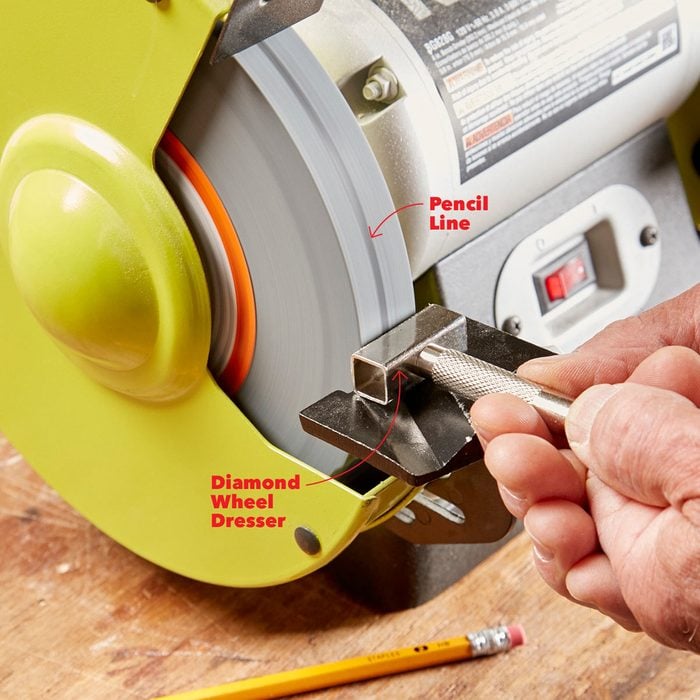
Always check the disc size matches your grinder. Use discs with the right speed rating to avoid accidents. Change discs often to keep your sharpening sharp and safe.
Credit: www.familyhandyman.com
Preparing Your Workspace
Using an angle grinder to sharpen tools needs a clean and safe workspace.
Setting up well helps you work better and avoid accidents.
Safety Gear Essentials
Always wear the right safety gear before starting. Protecting yourself is the first step.
- Wear safety goggles to protect your eyes from sparks and debris.
- Use ear protection to guard against loud noise.
- Put on heavy-duty gloves to protect your hands from sharp edges.
- Wear a dust mask to avoid breathing in dust and particles.
- Use long sleeves and pants to cover your skin.
Setting Up A Stable Work Area
Choose a flat, stable surface to work on. This helps keep the tool steady.
| Tip | Reason |
| Use a sturdy workbench | Prevents wobbling during grinding |
| Secure the tool with a clamp | Keeps it from moving |
| Clear the area of clutter | Reduces tripping hazards |
| Keep a fire extinguisher nearby | Sparks can start fires |
Sharpening Basics
Using an angle grinder for sharpening tools can save time and improve tool performance. It is important to learn the basics before starting.
This guide covers how to identify tool edges and maintain the correct angles while sharpening.
Identifying Tool Edges
Tool edges come in different shapes and sizes. Knowing the edge type helps you sharpen correctly.
- Straight edges are flat and simple to sharpen.
- Beveled edges have an angled surface that needs careful grinding.
- Curved edges require gentle, consistent pressure along the curve.
- Chisel edges are sharp on one side only.
Maintaining Proper Angles
Keeping the right angle is key to a sharp and durable edge. Angle grinders can easily remove too much material if not controlled.
| Tool Type | Recommended Sharpening Angle |
|---|---|
| Chisels | 25° to 30° |
| Knives | 15° to 20° |
| Axes | 20° to 25° |
| Garden Shears | 10° to 15° |
Step-by-step Sharpening Process
Using an angle grinder to sharpen tools is a quick way to restore their edges. It needs care and the right steps to keep tools safe and sharp.
This guide shows you how to clean, grind, and check your tools for sharpness using an angle grinder.
Cleaning The Tool
Start by cleaning the tool to remove dirt and rust. A clean tool sharpens better and lasts longer.
Use a wire brush or steel wool to clean the metal surface. Wipe it down with a cloth after.
- Remove dirt, rust, and old paint
- Dry the tool completely
- Check for damage before sharpening
Grinding Techniques
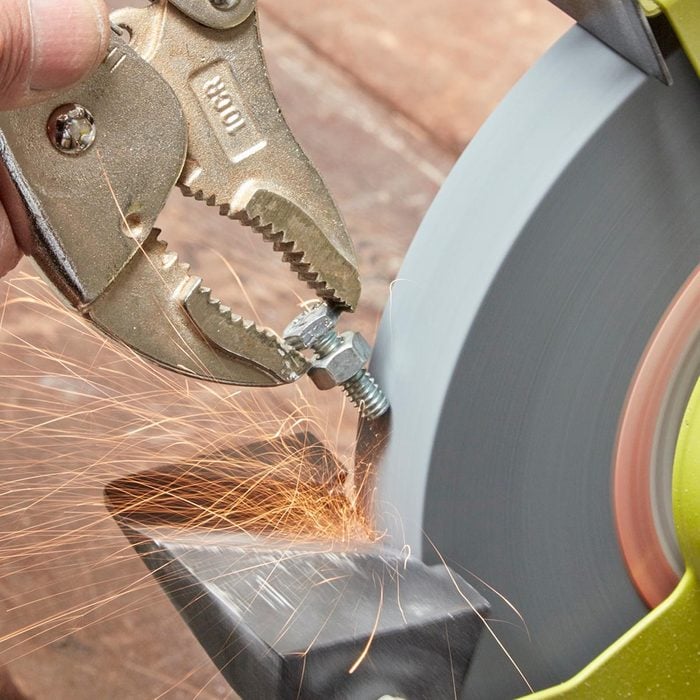
Hold the tool firmly and keep a steady hand. Move the tool slowly against the grinder wheel.
Sharpen the edge by grinding at the correct angle. Avoid overheating by dipping the tool in water often.
- Use a grinding wheel suitable for tool sharpening
- Keep a 20 to 30-degree angle on the edge
- Grind in smooth, even strokes
- Cool the tool frequently to prevent damage
Checking Sharpness
Test sharpness by carefully running your finger along the edge or trying to cut a piece of paper.
If the tool cuts cleanly and feels sharp, the job is done. If not, grind a little more and check again.
- Look for a smooth, even edge
- Check if the tool cuts easily
- Be careful to avoid cuts during testing
Common Mistakes To Avoid
Using an angle grinder to sharpen tools can save time and effort. Still, some errors can reduce the quality of sharpening and harm the tool.
Knowing what to avoid helps keep your tools sharp and safe to use. Below are common mistakes and tips on how to prevent them.
Overheating The Metal
Overheating happens when you press too hard or grind in one spot too long. The metal can lose its hardness, making the tool less effective.
- Do not hold the grinder in one place for too long.
- Use light, even pressure while grinding.
- Take breaks to let the metal cool down.
- Dip the tool in water often to prevent heat build-up.
Removing Too Much Material
Taking off too much metal weakens the tool and shortens its life. It also makes the sharpening uneven.
| Problem | Effect | How to Avoid |
| Grinding too long | Tool becomes thin and fragile | Check often and stop when sharp |
| Applying too much pressure | Uneven edges and rough surfaces | Use light pressure and steady strokes |
| Ignoring tool shape | Loss of original tool angle | Follow the tool’s natural shape |

Credit: www.youtube.com
Maintaining Your Angle Grinder
Keeping your angle grinder in good condition helps it last longer. Proper care also keeps it safe to use.
Regular maintenance stops problems before they start. This guide covers cleaning and disc replacement tips.
Regular Cleaning
Clean your angle grinder after each use. Remove dust and debris to prevent damage.
- Unplug the grinder before cleaning.
- Use a soft brush to clear dust from vents.
- Wipe the body with a dry cloth.
- Check the power cord for cuts or wear.
- Keep the spindle free of dirt and grease.
Replacing Discs Safely
Change discs when they wear out or become damaged. Always follow safety steps to avoid injury.
| Safety Step | Reason |
| Disconnect power | Prevents accidental start-up |
| Wear gloves and eye protection | Protects from sharp edges and sparks |
| Use the correct wrench | Prevents disc and tool damage |
| Check disc type | Ensures compatibility with grinder |
| Tighten disc securely | Stops disc from coming loose |
Additional Tips For Different Tools
Using an angle grinder to sharpen tools can save time and improve performance. Different tools need special care and techniques for best results.
These tips focus on sharpening blades, garden tools, and adjusting your grinder for precise sharpening.
Sharpening Blades
Keep the angle grinder steady and move it evenly along the blade edge. Avoid overheating the metal by taking breaks during sharpening.
- Use a fine grinding disc for sharper edges.
- Maintain a consistent angle between 20 to 30 degrees.
- Check the blade edge often to avoid over-sharpening.
- Wear safety glasses and gloves for protection.
Working On Garden Tools
Garden tools like hoes, shovels, and pruners have different edges. Clean the tool before sharpening to remove dirt and rust.
| Tool | Recommended Angle | Grinding Disc Type |
| Hoe | 25° | Coarse grit |
| Shovel | 30° | Medium grit |
| Pruner | 20° | Fine grit |
Adjusting For Precision
Fine-tune your angle grinder settings for better control. Slower speeds help prevent damage to delicate tools.
Try these adjustments for precise sharpening:
- Use variable speed control to match the tool type.
- Secure the tool firmly before grinding.
- Use light pressure to avoid removing too much metal.
- Cool the tool with water if it gets too hot.
Credit: www.familyhandyman.com
Frequently Asked Questions
How Do I Safely Use An Angle Grinder For Sharpening?
Always wear safety goggles and gloves before starting. Secure the tool firmly and grind at a consistent angle. Avoid excessive pressure to prevent overheating and damage.
What Types Of Tools Can Be Sharpened With An Angle Grinder?
Angle grinders can sharpen chisels, lawnmower blades, axes, and other metal tools. Ensure the tool material is compatible with grinding.
Which Grinding Disc Is Best For Tool Sharpening?
Use a coarse or medium-grit grinding disc specifically designed for metal sharpening. Avoid using cutting discs to maintain control and precision.
How Long Should I Grind A Tool Edge For Sharpening?
Grind briefly in 10-15 second intervals to avoid overheating. Check the edge frequently and repeat until sharpness is achieved.
Conclusion
Using an angle grinder for sharpening tools saves time and effort. Always wear safety gear to protect your eyes and hands. Keep the grinder steady and move it slowly over the blade. Check the sharpness often to avoid removing too much metal.
With practice, your tools will cut better and last longer. Sharpening tools regularly keeps your work precise and safe. Try these tips next time you need sharp edges. You will see how simple and useful this skill can be.