Are you ready to unlock the art of precision in woodworking? Using a hand saw for intricate work might seem daunting at first, but with the right guidance, it can become your go-to tool for creating detailed and stunning pieces.
Imagine the satisfaction of crafting something beautiful with your own hands, feeling the smooth glide of the saw through wood, and watching as your vision comes to life. This guide is here to transform your approach, making those delicate cuts not only achievable but enjoyable.
Discover the secrets that seasoned woodworkers swear by, and turn your projects into masterpieces that captivate and impress. Are you curious to see how a simple tool can elevate your craftsmanship? Read on, and let’s get started.
Credit: www.califloors.com
Choosing The Right Hand Saw
Using a hand saw for detailed work requires the right tool. Picking the correct saw helps you cut with accuracy and control.
This guide explains how to choose a hand saw for intricate tasks. You will learn about saw types, blades, and handles.
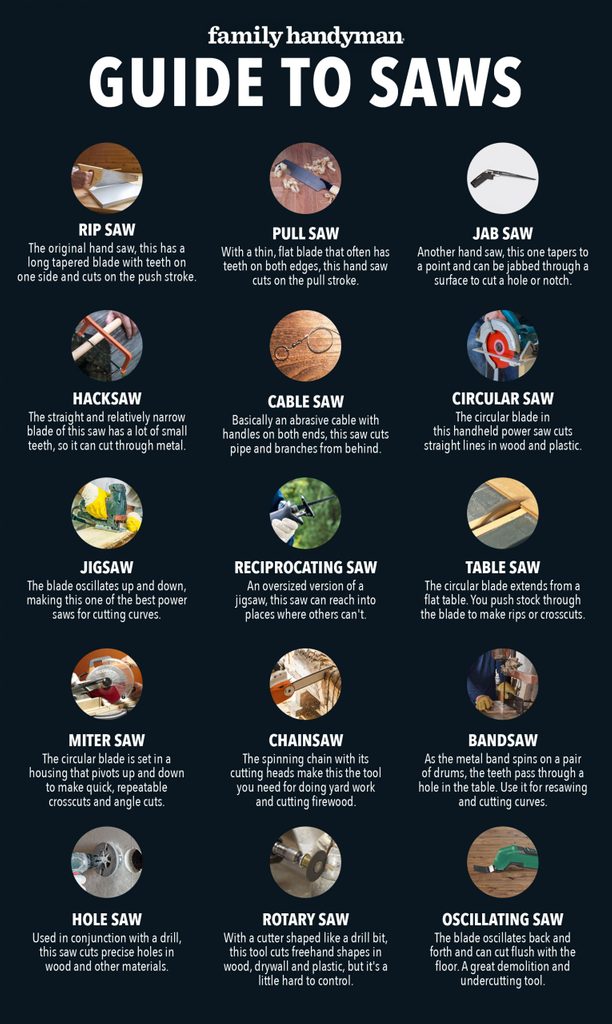
Types Of Hand Saws For Detail Work
Different hand saws serve different purposes in fine woodworking. Some saws cut curves, others cut straight lines.
- Backsaw: Has a stiff spine for straight cuts. Good for joinery.
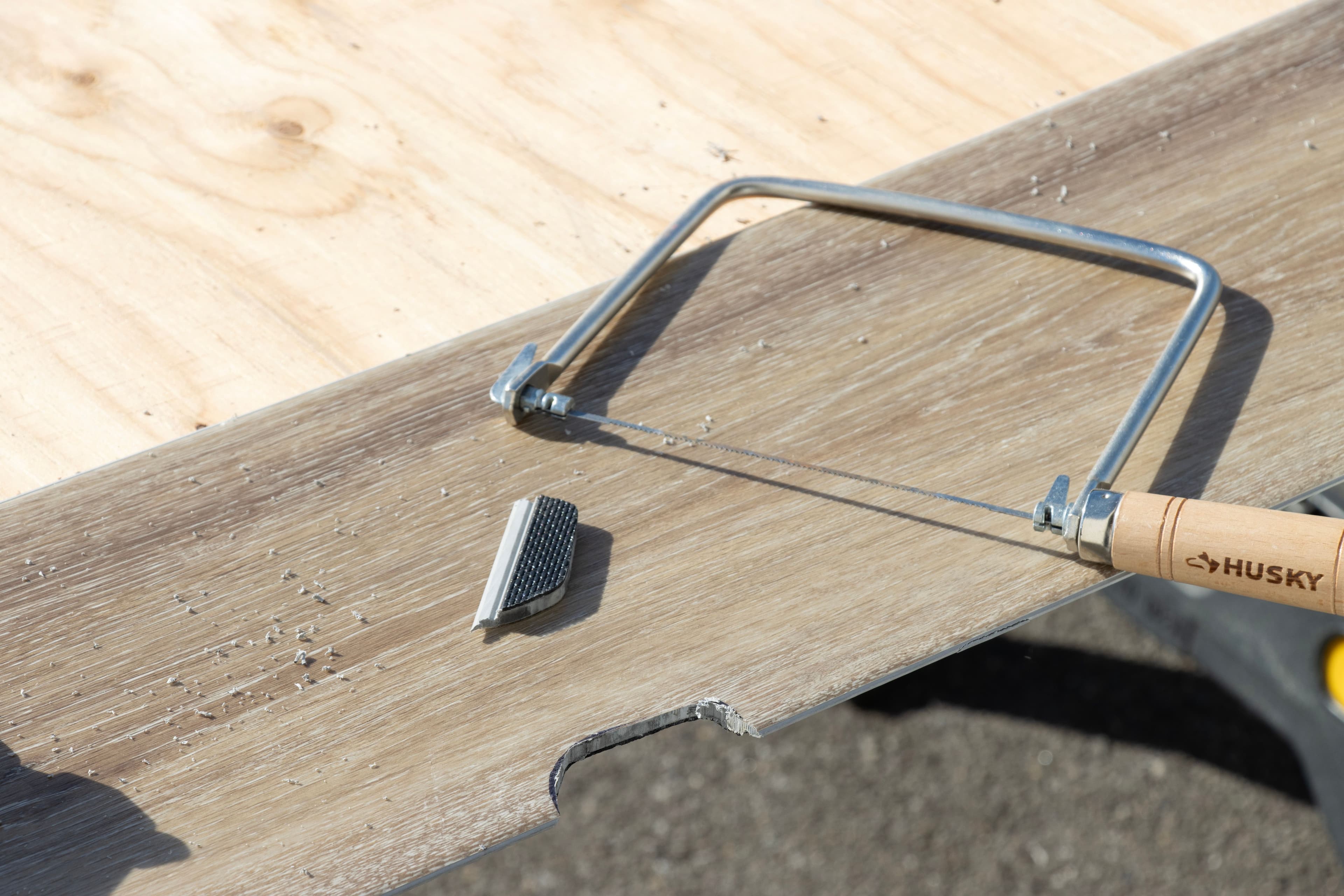
- Fret Saw: Thin blade for tight curves and shapes.
- Keyhole Saw: Sharp point for starting cuts inside wood.
- Japanese Pull Saw: Cuts on the pull stroke for cleaner edges.
Blade Selection And Teeth Count
The blade’s teeth count affects the smoothness and speed of cuts. More teeth mean finer cuts but slower work.
| Teeth Per Inch (TPI) | Use |
| 10-14 TPI | Fast cutting, rough edges |
| 15-20 TPI | General purpose, smoother cuts |
| 20-32 TPI | Fine detail, smooth finish |
Handle Design And Comfort
A comfortable handle helps you hold the saw steady. Look for handles that fit your hand size and grip style.
Good handle features:
- Ergonomic shape to reduce hand fatigue
- Non-slip grip material
- Secure blade attachment
Preparing Your Workspace
Using a hand saw for intricate work needs a clean and organized workspace. This helps you work safely and with more control.
Setting up your area well also makes it easier to see small details and keep your tools handy.
Securing The Workpiece
Hold your workpiece firmly to avoid slips while sawing. Use clamps or a vise to keep it steady on your workbench.
Make sure the piece does not move when you start cutting. This gives you better control and cleaner cuts.
- Use clamps designed for woodworking
- Check if the workpiece is tight before cutting
- Place soft pads under clamps to avoid damage
Lighting And Visibility
Good lighting helps you see the cutting line clearly. Natural light is best, but bright lamps work well too.
Use adjustable lights that you can move closer to your work area. This reduces shadows and highlights details.
- Work near a window for daylight
- Use LED lamps with adjustable arms
- Keep the light focused on the cutting line
Safety Measures And Gear
Wear safety gear to protect yourself from accidents. Gloves and eye protection are important when using a hand saw.
Keep your workspace clean to avoid tripping or slipping. Always check your tools before starting work.
- Wear safety glasses to protect your eyes
- Use gloves that allow good grip and movement
- Clear away sawdust and scraps regularly
- Inspect the saw blade for damage before use
Techniques For Precision Cutting
Using a hand saw for detailed work needs careful attention. You must control the saw and follow your lines closely.
These techniques help you make clean, exact cuts without damaging your material.
Marking And Measuring Accurately
Start by marking your cut line clearly with a pencil or fine marker. Use a ruler or measuring tape for exact lines.
Double-check your measurements before cutting to avoid mistakes.
- Use a sharp pencil for thin lines
- Measure twice to ensure accuracy
- Mark on the waste side of the cut
- Use a square tool for straight edges
Starting The Cut Smoothly
Begin your cut by placing the saw teeth on the marked line gently. Use short, light strokes to create a groove.
This groove guides the saw and helps keep the cut straight as you progress.
- Hold the saw at a low angle for better control
- Use your thumb as a guide near the blade
- Start slowly to avoid slipping
- Keep the saw steady before applying full strokes
Maintaining A Steady Stroke
Keep your hand steady and move the saw smoothly back and forth. Avoid forcing the saw; let it cut at its own speed.
Regular, even strokes help keep the cut clean and reduce mistakes.
- Use your whole arm, not just your wrist
- Keep the saw aligned with your marked line
- Keep pressure consistent on both forward and backward strokes
- Take breaks if your hand gets tired

Credit: kakuritools.com
Common Challenges And Fixes
Using a hand saw for detailed work can be tricky. Small mistakes can ruin the project.
This guide covers common problems and how to solve them. You will learn to keep control and fix errors.
Avoiding Blade Wander
Blade wander happens when the saw drifts off the cut line. It causes uneven edges and loss of detail.
- Use a sharp blade to reduce resistance.
- Start the cut slowly to make a guide groove.
- Hold the saw firmly and steady your hand.
- Keep your eye on the cut line, not the blade tip.
- Support the wood close to the cut to prevent movement.
Dealing With Tear-out
Tear-out happens when wood fibers lift and break around the cut edge. It spoils the smooth finish.
| Cause | Fix |
| Cutting with the grain | Cut on the waste side of the line |
| Using dull blade | Replace or sharpen the blade |
| Too much pressure | Use light, steady strokes |
| Cutting too fast | Slow down the sawing speed |
Correcting Mistakes
Mistakes happen even with care. Fix them carefully to save your work.
Here are ways to correct common errors:
- Use a fine file to smooth small uneven edges.
- Sand the surface lightly to blend rough spots.
- For deep cuts, use wood filler and then sand smooth.
- If the cut is off-line, trim slowly with a chisel or saw to correct it.
Maintenance For Optimal Performance
Keeping your hand saw in good shape helps it cut smoothly and last longer. Regular care makes intricate work easier and more precise.
Follow simple maintenance tips to keep your saw sharp, clean, and ready for use.
Cleaning And Lubricating
Remove sawdust and resin from the blade after every use. Dirt can slow the saw and damage teeth.
- Use a stiff brush to clear sawdust from teeth and handle.
- Wipe the blade with a cloth dampened with mineral spirits.
- Apply light machine oil to the blade to stop rust.
- Move the blade back and forth to spread the oil evenly.
Sharpening Your Saw Blade
Sharp teeth make cutting easier and more accurate. Dull blades can cause mistakes and waste wood.
| Tool | Purpose | Tip |
| Triangular file | Sharpen individual teeth | Keep file at the correct angle |
| Saw set | Adjust tooth bending | Ensure even set on all teeth |
| Clamp | Hold saw steady | Use a secure grip for safety |
Sharpen teeth evenly and set them slightly outward for smooth cutting. Regular checks keep your saw ready.
Storage Tips
Proper storage protects your saw from damage and rust. Keep it dry and safe between uses.
- Hang the saw on a wall hook to prevent dulling.
- Keep the blade covered with a sheath or protective guard.
- Store in a dry place away from moisture and dust.
- Check the saw regularly for signs of rust or damage.
Credit: www.familyhandyman.com
Advanced Tips For Expert Results
Using a hand saw for intricate work takes skill and care. Small details need steady hands and sharp tools.
This guide shares advanced tips to get expert results with your hand saw. Learn how to improve your technique.
Combining Hand Saw With Other Tools
Using a hand saw with other tools helps you finish intricate work faster. Some tools make cutting easier and cleaner.
For example, a coping saw can reach tight corners, while a file smooths rough edges after sawing. Use clamps to hold your work steady.
- Use a coping saw for tight curves and corners
- Clamp your workpiece to keep it stable
- Use files to smooth cuts and fine details
- Try a chisel to clean up corners after sawing
Customizing Your Saw
Adjusting your hand saw helps improve control and comfort. Small changes make a big difference in how you cut.
You can change the handle shape or add grip tape for better hold. Sharpen your saw teeth often to keep cuts clean and smooth.
- Shape the handle to fit your hand
- Add grip tape for less slipping
- Sharpen saw teeth regularly
- Replace dull blades for precise cuts
Practice Drills For Skill Improvement
Practice is key to making neat cuts with a hand saw. Simple drills help build your muscle memory and accuracy.
Start with straight cuts on scrap wood. Then try curved cuts and small shapes. Track your progress to see how you improve.
- Cut straight lines on scrap wood
- Practice curved cuts using templates
- Try cutting small shapes to improve control
- Use a stopwatch to time your cuts for consistency
Frequently Asked Questions
What Type Of Hand Saw Is Best For Intricate Work?
A fine-toothed dovetail or coping saw is ideal for intricate cuts. These saws offer precision and control needed for detailed woodworking.
How Do I Maintain A Hand Saw For Detailed Projects?
Keep the blade clean and rust-free. Sharpen teeth regularly and store the saw in a dry place to ensure smooth, accurate cuts.
Can Beginners Use A Hand Saw For Intricate Cutting?
Yes, beginners can use hand saws for intricate work with practice. Start slowly, use proper technique, and choose the right saw for your project.
What Safety Tips Should I Follow Using A Hand Saw?
Wear protective gloves and goggles. Secure your workpiece and use smooth, controlled strokes to avoid slips and injuries during intricate cuts.
Conclusion
Using a hand saw for detailed work takes patience and care. Choose the right saw and keep your hands steady. Always mark your cutting lines clearly before you start. Take slow, controlled strokes for the best results. Practice often to improve your skill and confidence.
Small projects help build precision and ease. Safety matters—wear protective gear and watch your fingers. Enjoy the process and the satisfaction of fine craftsmanship. This guide can help you achieve neat, intricate cuts every time. Keep these tips in mind for your next woodworking project.