
Imagine you’re diving into your latest craft project, brimming with excitement and creativity. The possibilities are endless, but there’s one tool you simply can’t do without: the utility knife.
This versatile tool is a favorite among crafters for its precision and ease of use. However, it also comes with the need for careful handling. You don’t want a small mistake to turn your crafting session into a trip to the emergency room.
So, how can you make sure you’re using your utility knife safely while still unleashing your creative potential? In this guide, we’ll reveal essential tips and tricks to help you master the art of safe cutting, ensuring your projects are as smooth as your crafting skills. Ready to cut through the confusion and craft safely? Let’s get started!
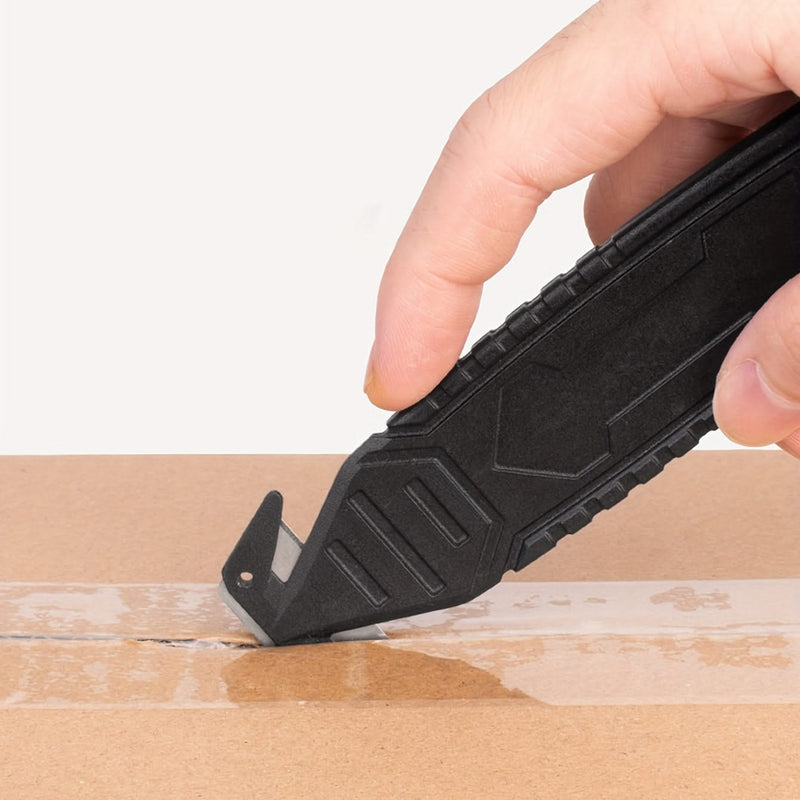
Credit: www.craftonline.com.au
Choosing The Right Utility Knife
Using a utility knife safely starts with picking the right tool. Different knives fit different craft needs. Choosing well helps you work easier and safer.
This guide covers types of utility knives and tips on picking the right blade for your craft projects.
Types Of Utility Knives
Utility knives come in several types. Each type suits different tasks and materials. Knowing these helps you pick the best one.
- Retractable Utility Knives:These knives have blades that slide in and out. They are safe to carry and good for general cutting.
- Fixed-Blade Utility Knives:The blade does not move. They are stronger and better for heavy cutting jobs.
- Snap-Off Utility Knives:The blade has segments you can snap off to get a fresh edge. They are good for crafts needing sharp, clean cuts.
- Folding Utility Knives:These fold like a pocket knife. They are compact and easy to store.
Blade Selection Tips
Picking the right blade improves safety and cutting quality. Different blades suit different materials and tasks.
| Blade Type | Best For | Safety Tip |
| Standard Straight Blade | Paper, cardboard, thin plastic | Keep blade sharp to avoid slipping |
| Hook Blade | Cutting carpet, linoleum | Use with controlled pressure |
| Rounded Tip Blade | Craft foam, fabric | Avoid deep cuts; use gentle motions |
| Carbide Blade | Hard materials like drywall | Wear gloves to prevent cuts |
Preparing Your Workspace
Using a utility knife for crafts needs care. Your workspace must be ready before you start.
A safe workspace helps you cut better and avoid accidents. Keep your area clean and organized.
Clear And Stable Surface
Pick a flat, steady table or desk for cutting. A stable surface stops the knife from slipping.
Remove all clutter from the area. This gives you room to move the knife safely.
- Use a cutting mat to protect the surface
- Keep other tools away from the cutting area
- Check the table legs are firm and not shaky
Proper Lighting
Good light helps you see your cutting lines clearly. It lowers the chance of mistakes.
Use bright, natural light if you can. If not, a good desk lamp works well too.
- Place your light so it shines directly on your work
- Avoid shadows that hide cutting lines
- Use extra light if you work on small or detailed crafts
Handling The Utility Knife
Using a utility knife safely is important for all craft projects. Proper handling lowers the risk of injury.
This guide focuses on how to hold the knife and cut with control for better safety and results.
Correct Grip And Posture
Hold the utility knife firmly but not too tight. Keep your fingers away from the blade edge.
- Grip the handle with your dominant hand.
- Keep your thumb on the side for extra control.
- Position your wrist straight to avoid strain.
- Stand or sit with your back straight and shoulders relaxed.
- Place the workpiece on a stable surface at waist height.
Controlled Cutting Techniques
Use slow, steady movements to cut. Avoid rushing to keep the cut clean and safe.
| Technique | Description |
|---|---|
| Light Pressure | Apply gentle force to avoid slipping. |
| Short Cuts | Make several small cuts instead of one long cut. |
| Cut Away | Always cut away from your body and fingers. |
| Use a Ruler | Guide the blade with a metal ruler for straight lines. |
| Retract Blade | Retract the blade when not in use to prevent accidents. |
Safety Precautions
Using a utility knife for crafts can be safe if you follow some simple rules. Taking care helps you avoid injuries and work better.
Always focus on safety before starting your cutting tasks. Let’s look at important safety tips to use a utility knife properly.
Using Protective Gear
Wear protective gear to keep your hands and eyes safe. Gloves can stop cuts, and safety glasses protect your eyes from small pieces.
Choose gloves made for cutting tasks. They should fit well and let you hold the knife firmly.
- Wear cut-resistant gloves
- Use safety glasses or goggles
- Keep your work area clean and bright
Cutting Away From Your Body
Always cut in a direction away from your body. This lowers the chance of hurting yourself if the knife slips.
Keep your hands and fingers out of the cutting path. Hold the knife firmly and control your movements slowly.
- Point the blade away from you
- Use slow and steady motions
- Keep your hands clear of the blade’s path
Securing Materials
Hold or clamp your materials firmly before cutting. This stops them from moving and reduces accidents.
Use a cutting mat or a stable surface to protect your work area and keep the material in place.
- Use clamps or clips to hold materials
- Work on a flat, stable surface
- Use a cutting mat to protect surfaces
Maintaining The Utility Knife
Keeping your utility knife in good shape helps you work safely and smoothly. Regular care prevents accidents and extends the tool’s life.
Two main tasks keep your utility knife ready: changing the blade and cleaning the tool after use.
Blade Replacement
Changing the blade on time keeps cuts clean and reduces the chance of slips. Use a new blade when the old one feels dull or jagged.
- Open the knife carefully using the release button or screw.
- Remove the old blade using pliers or by hand with caution.
- Insert the new blade, making sure it is secure and aligned.
- Close the knife and test the blade by cutting a scrap piece.
- Dispose of the old blade in a sharps container or wrap it safely.
Cleaning And Storage
Cleaning the knife removes dirt and sticky residue. Proper storage stops rust and damage.
| Cleaning Steps | Storage Tips |
| Wipe blade and handle with a dry cloth. | Store in a dry place away from moisture. |
| Use rubbing alcohol to remove glue or paint. | Keep the blade retracted or covered. |
| Check for rust spots and remove them gently. | Use a toolbox or drawer with padding. |

Credit: www.craftonline.com.au
Common Mistakes To Avoid
Using a utility knife for crafts requires care and attention. Many people make errors that can cause injuries or damage their projects.
Knowing what mistakes to avoid helps keep you safe and improves your work quality.
Not Using A Sharp Blade
Dull blades need more force and can slip easily. This causes accidents and rough cuts. Change the blade regularly for smooth and safe cutting.
Cutting Toward Your Body
Always cut away from yourself. Cutting toward your body risks serious injuries if the knife slips.
Not Using A Cutting Mat
A cutting mat protects your work surface and keeps the blade from dulling quickly. Without it, you risk damaging tables and making uneven cuts.
Applying Too Much Pressure
Pressing hard can cause the blade to slip or break. Use steady, light pressure and make several passes if needed.
Not Securing The Material
Loose materials move while cutting. This causes mistakes and possible injury. Always hold or clamp the material firmly before cutting.
Ignoring Blade Safety Features
- Forget to retract the blade after use
- Remove safety caps or guards
- Use blades that don’t fit the knife properly
Ignoring these safety features increases the chance of cuts and accidents. Always use the knife as designed.
Improper Storage Of The Knife
| Storage Method | Risk Level |
|---|---|
| Leaving blade exposed on workbench | High |
| Keeping knife in a closed sheath or case | Low |
| Storing with other sharp tools unprotected | Medium |
Proper storage prevents injuries and keeps blades sharp longer. Use a sheath or case to cover the blade after use.
Tips For Crafting Precision Cuts
Using a utility knife for crafts needs care and focus. Precision cuts make your projects look neat and professional.
Learn simple ways to cut safely and accurately. These tips help you control the knife and get clean lines.
Using Guides And Rulers
Guides and rulers keep your cuts straight and even. Place them firmly on your material before cutting.
Hold the ruler tightly to stop it from moving. Use a metal ruler for the best edge and safety.
- Choose a ruler longer than your cut line
- Use a non-slip ruler or add tape to hold it down
- Keep your fingers clear of the cutting edge
Scoring Before Cutting
Scoring means making a light cut first. It helps guide the blade for a clean and precise cut.
Run the blade gently along the cut line. Press harder only after the score line is clear.
- Use a sharp blade for easy scoring
- Score multiple times lightly instead of one deep cut
- Score on a cutting mat to protect your surface

Credit: olfa.com
Frequently Asked Questions
How Do I Hold A Utility Knife Safely?
Hold the utility knife firmly with your dominant hand. Keep fingers away from the blade path. Use a stable surface to cut. Always cut away from your body to avoid accidents and ensure better control.
What Materials Are Safe To Cut With A Utility Knife?
Utility knives work well on paper, cardboard, thin plastic, and foam board. Avoid cutting hard materials like metal or glass. Using the knife on appropriate materials ensures safety and maintains blade sharpness.
How Often Should I Replace The Utility Knife Blade?
Replace blades when they become dull or difficult to cut with. A sharp blade reduces the risk of slipping and injury. Frequent blade changes improve precision and make crafting safer.
Can I Use A Utility Knife Without A Cutting Mat?
Using a cutting mat protects your work surface and blade. It also provides a stable cutting area, reducing slips. Avoid cutting directly on hard surfaces to maintain safety and blade integrity.
Conclusion
Using a utility knife safely makes crafting easier and safer. Always keep your blade sharp and cut away from your body. Use a stable surface and hold your material firmly. Store the knife with the blade retracted to avoid accidents.
Taking these simple steps helps prevent injuries and improves your work. Practice safety every time you craft. Stay alert and focused for the best results. Safe cutting leads to better projects and happy crafting.
