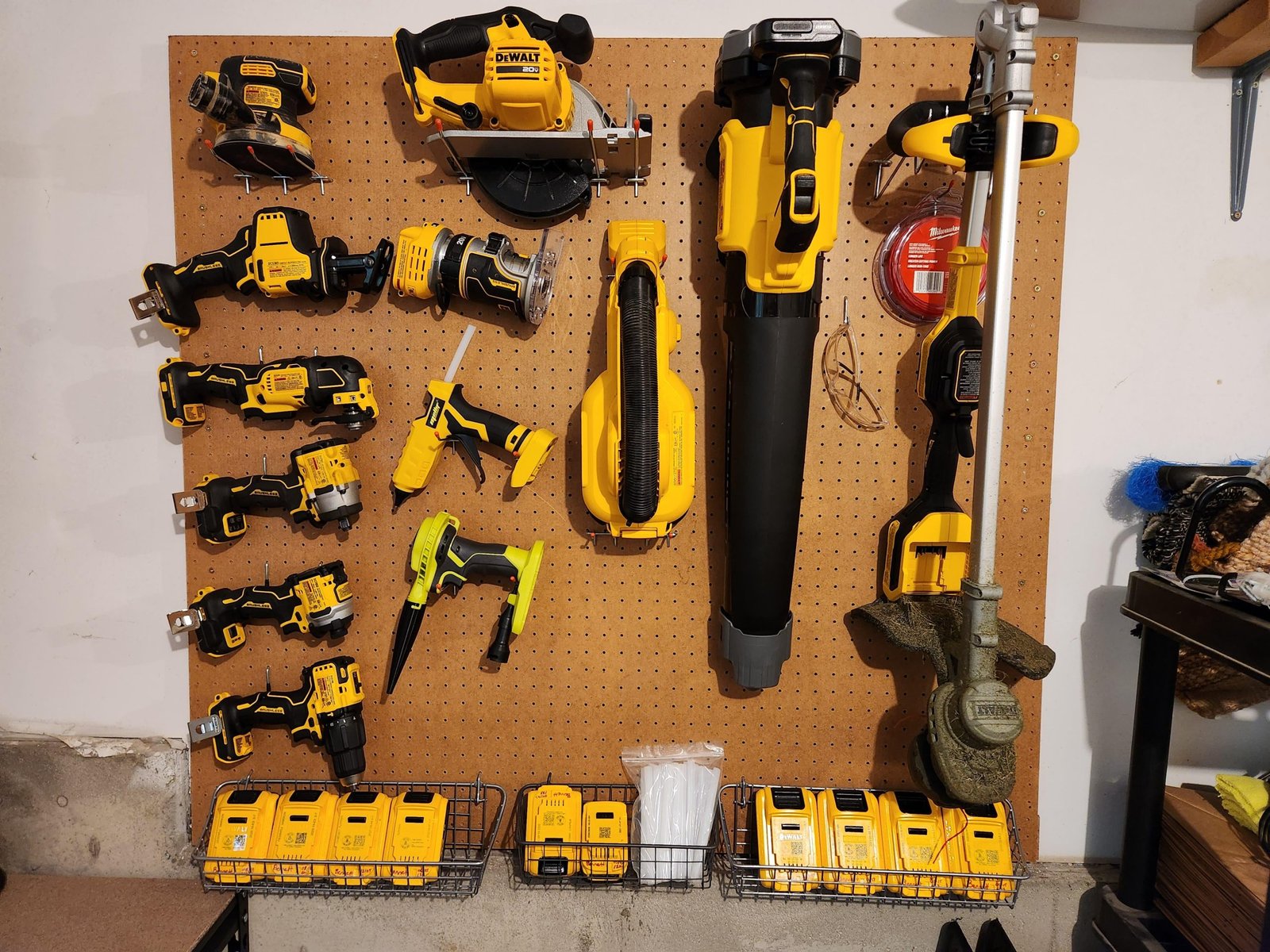
Are you tired of the chaos in your tool shed, where finding the right cordless drill feels like searching for a needle in a haystack? It’s time to regain control and transform your workspace into a haven of organization.
Imagine reaching for your drill and instantly grabbing the one with the perfect battery type, cutting your prep time in half and boosting your efficiency. By learning how to organize cordless drills by battery type, you’ll not only streamline your projects but also extend the life of your tools.
Dive into this guide and discover the secrets to a clutter-free, stress-free tool collection that will have you wondering how you ever managed before.
Benefits Of Organizing By Battery Type
Organizing cordless drills by battery type helps keep your workspace tidy. It also saves time when finding the right drill.
Knowing the battery type lets you store and charge drills safely. It prevents mixing incompatible batteries and tools.
Easier Identification And Access
Sorting drills by battery type lets you find the right tool fast. You won’t waste time searching through mixed drills.
This method helps you grab the drill with the correct battery for your job. It reduces delays during work.
Improved Battery Care
Organizing by battery type helps keep batteries healthy. You can store and charge batteries correctly to extend life.
It avoids mixing old and new batteries or different brands. This protects your batteries from damage.
Safer Storage And Charging
Separating drills by battery type lowers the risk of accidents. Batteries with different voltages stay apart, reducing hazards.
Safe storage also prevents battery leaks or fires. You can follow safety rules more easily with clear organization.
Better Inventory Management
Organizing by battery type helps track your tools better. You see which batteries you have and which need replacing.
This system makes it easier to plan purchases. You avoid buying extra batteries you already own.

Credit: www.amazon.com
Common Battery Types For Cordless Drills
Cordless drills use different batteries to power their motors. Each battery type has unique features. Knowing these helps you organize and maintain your tools better.
This guide explains the three common battery types for cordless drills. It covers their advantages and disadvantages.
Lithium-ion Batteries
Lithium-ion batteries are popular in modern cordless drills. They are lightweight and have a high energy capacity.
These batteries hold charge well and do not suffer from memory loss. They also charge faster than other types.
- Lightweight and compact
- Longer run time per charge
- Fast charging capability
- Low self-discharge rate
- More expensive than other types
Nickel-cadmium Batteries
Nickel-cadmium batteries are older but still used in some cordless drills. They are durable and can handle rough use.
These batteries are heavier and have less capacity than lithium-ion types. They also need full discharge before recharging.
- Strong and durable
- Lower cost
- Heavier weight
- Memory effect requires full discharge
- Contains toxic metals
Nickel-metal Hydride Batteries
Nickel-metal hydride batteries offer more capacity than nickel-cadmium. They are safer and less toxic to the environment.
These batteries weigh more than lithium-ion but less than nickel-cadmium. They still can suffer from memory effect but less severely.
- Higher capacity than nickel-cadmium
- Less toxic materials
- Moderate weight
- Some memory effect
- Slower charging than lithium-ion
Tools And Materials Needed
Organizing cordless drills by battery type helps keep your workspace neat. It also makes it easier to find the right drill quickly.
This guide lists the tools and materials you need to set up a tidy storage system for your drills and batteries.
Storage Bins Or Containers
Storage bins help separate drills and batteries by type. Use clear bins to see contents without opening them.
- Choose bins of different sizes for drills and batteries
- Label each bin with the battery type
- Stackable bins save space
Labels And Markers
Labels keep your system organized. Mark bins and shelves with battery types and drill models.
- Use waterproof labels for durability
- Write clearly with permanent markers
- Color code labels by battery voltage or brand
Shelving Units Or Racks
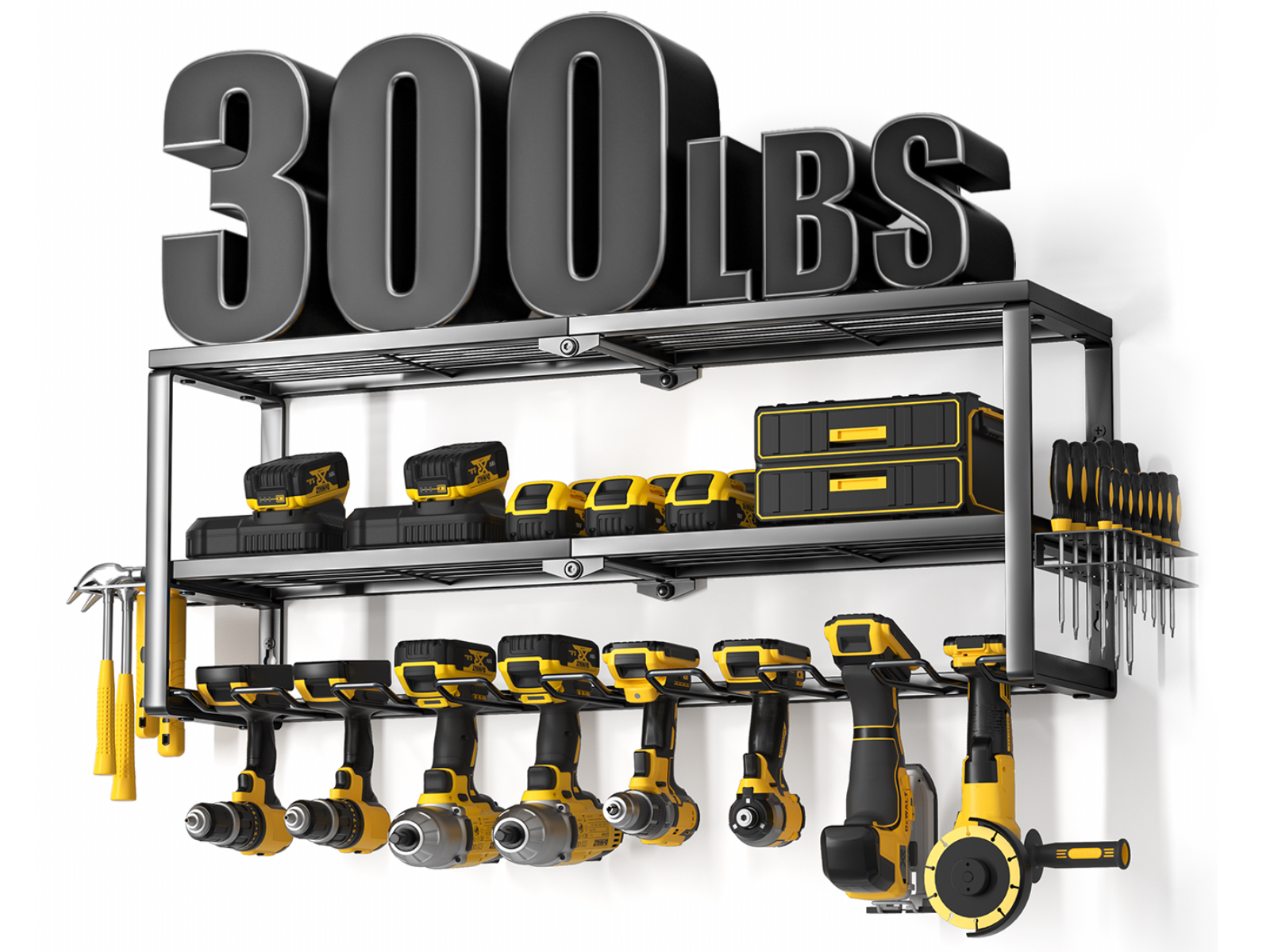
Shelves or racks provide a sturdy place to store your bins and drills. Choose adjustable shelves for flexibility.
- Metal or wooden shelves work well
- Place heavier drills on lower shelves
- Keep frequently used items within easy reach
Battery Chargers
Keep chargers near the storage area. This helps you charge batteries right after use.
- Use chargers compatible with your battery types
- Keep cords organized to avoid tangles
- Designate a safe spot for charging
Cordless Drills And Batteries
You need your drills and batteries to organize. Group them by battery type for easy sorting.
- Sort batteries by voltage and brand
- Keep drill models with matching batteries together
- Check batteries for damage before storing
Credit: www.amazon.com
Sorting Drills By Battery Voltage
Organizing cordless drills by battery voltage helps keep your workspace neat. It also makes it easier to find the right drill for your job. Knowing the voltage ratings is key to sorting them correctly.
This guide explains how to identify voltage ratings and group drills with similar voltages. Follow these steps to arrange your drills efficiently.
Identifying Voltage Ratings
Check the label on each drill to find its voltage rating. This number shows the power of the battery. Common ratings are 12V, 18V, and 20V. Higher voltage usually means more power and longer run time.
- Look on the drill body or battery for a voltage number
- Read the user manual if the label is unclear
- Use a marker to note the voltage on each drill for easy ID
Grouping Similar Voltage Drills
Sort drills into groups based on their voltage rating. Keep drills with the same voltage together. This helps avoid confusion and ensures you use the right charger for each battery.
| Voltage Group | Common Uses | Battery Type |
|---|---|---|
| 12V | Light tasks, small projects | Compact Lithium-ion |
| 18V | General purpose, medium tasks | Lithium-ion or NiMH |
| 20V | Heavy-duty work, construction | High-capacity Lithium-ion |
Labeling And Storage Solutions
Organizing cordless drills by battery type helps keep your workspace tidy. It also makes it easy to find the right drill quickly.
Using clear labeling and smart storage solutions can save time and protect your tools. This guide covers simple ways to label and store drills.
Labeling Techniques
Labeling cordless drills by battery type helps you identify each tool fast. Use clear and durable labels for best results.
Write the battery voltage and type on each label. You can use stickers, tags, or even paint markers.
- Use waterproof labels to avoid damage
- Color-code labels to match battery types
- Place labels where they are easy to see
- Include battery voltage and brand if possible
Storage Containers And Racks
Storage containers and racks keep cordless drills safe and organized. Choose options that fit your space and tool collection.
Clear containers help you see what is inside without opening them. Racks allow drills to stand upright and stay separated.
- Use plastic bins with dividers for small drills
- Wall-mounted racks save floor space
- Label storage spots with battery type for quick access
- Store batteries separately to avoid damage

Credit: www.amazon.com
Maintaining Battery Health
Keeping your cordless drill batteries healthy helps them last longer. Proper care avoids damage and loss of power.
Learn simple ways to charge and store your batteries safely. This keeps them ready to use anytime.
Charging Best Practices
Use the charger made for your battery type. Avoid using wrong chargers that can harm the battery.
- Charge batteries before they fully run out.
- Do not overcharge; unplug when full.
- Charge in a cool, dry place.
- Avoid charging in very hot or cold temperatures.
- Check battery and charger for damage regularly.
Storage Tips For Longevity
Store batteries in a place that is not too hot or cold. Keep them dry and away from metal objects.
| Storage Condition | Recommended Range |
| Temperature | 40°F to 80°F (4°C to 27°C) |
| Humidity | Below 50% |
| Charge Level | About 40% to 60% |
| Position | Avoid stacking; keep separate |
Safety Tips For Organizing Batteries
Organizing cordless drill batteries by type helps keep your workspace safe. Proper storage prevents damage and accidents.
Follow safety tips to avoid battery leaks, short circuits, and fires. Handle batteries with care and store them correctly.
Store Batteries Separately By Type
Keep lithium-ion and nickel-cadmium batteries in different containers. Mixing types can cause chemical reactions or damage.
Separate storage also helps you find the right battery quickly. It lowers the risk of using the wrong battery in your drill.
Avoid Extreme Temperatures
Store batteries in a cool, dry place away from heat sources. High temperatures can damage batteries or cause leaks.
Do not leave batteries in direct sunlight or near heaters. Cold temperatures can also reduce battery life.
Use Battery Cases Or Covers
Use plastic cases or covers to protect battery terminals. This prevents short circuits and accidental sparks.
Keep batteries in their original packaging if possible. It helps avoid contact with metal objects or other batteries.
Charge Batteries Before Storage
Charge batteries to about 50% before storing them for a long time. Fully empty or fully charged batteries may lose capacity.
Check batteries regularly and recharge if needed. Proper charging keeps batteries healthy and ready to use.
Keep Batteries Away From Flammable Materials
Do not store batteries near paper, cloth, or other flammable items. Batteries can overheat or leak, causing fires.
Use metal or fireproof containers for extra safety. Keep your storage area clean and organized to reduce risks.
Optimizing Workflow With Organized Drills
Keeping your cordless drills organized by battery type makes work easier. It saves time and reduces confusion on the job site.
When drills are sorted by battery type, you can quickly find the right tool. This helps keep your projects moving smoothly.
Separate Drills By Battery Voltage
Sort cordless drills by their battery voltage, like 12V, 18V, and 20V. This helps you grab the right drill for each task.
Higher voltage drills are best for tough jobs. Lower voltage drills work well for light tasks. Organizing by voltage speeds up your workflow.
- Label storage shelves with battery voltages
- Place drills with the same voltage together
- Keep chargers near matching battery types
Use Battery Type To Group Drills
Different brands use different battery shapes and sizes. Group drills by battery type to avoid mixing incompatible batteries.
This prevents damage and saves time searching for the right battery. It also keeps your charging area neat and safe.
- Mark bins or hooks with battery type names
- Store batteries and drills together by type
- Train team members to follow the system
Create A Charging Station For Each Battery
Set up separate charging stations for each battery type. This stops mixing batteries and chargers that don’t fit.
Charging stations near drill storage reduce downtime. Workers can swap batteries quickly and keep working.
- Label chargers by battery type
- Keep charging areas clean and organized
- Store fully charged batteries ready to use
Use Clear Labels And Signage
Label drill storage, chargers, and batteries clearly. This helps everyone find tools fast and put them back correctly.
Clear labels reduce mistakes and lost time. They make the workspace safer and more efficient for all team members.
- Use color codes for different battery types
- Write battery voltage on each label
- Place labels at eye level for easy viewing
Frequently Asked Questions
How Do I Identify Cordless Drill Battery Types?
Check the battery label or manual for chemistry type and voltage. Common types include NiCd, NiMH, and Li-ion. Knowing the battery type helps in proper organization and charging.
Why Organize Cordless Drills By Battery Type?
Organizing by battery type prevents mixing incompatible batteries. It ensures safe charging and extends battery life. It also makes finding the right drill faster and more efficient.
What Storage Methods Work Best For Drill Batteries?
Use labeled bins or shelves dedicated to each battery type. Store batteries in a cool, dry place away from metal objects to avoid damage and short circuits.
Can Mixing Battery Types Damage Cordless Drills?
Yes, mixing battery types can cause poor performance and damage. Different chemistries have unique charging needs. Always use the correct battery type for each drill.
Conclusion
Organizing cordless drills by battery type saves time and space. It helps you find the right drill quickly. Group batteries by voltage and brand for easy access. Keep chargers and batteries together to avoid confusion. Label each section clearly to stay organized.
This simple system keeps your workspace tidy and efficient. You will spend less time searching and more time working. A neat workshop makes every project smoother and faster. Try this method to keep your tools in order.