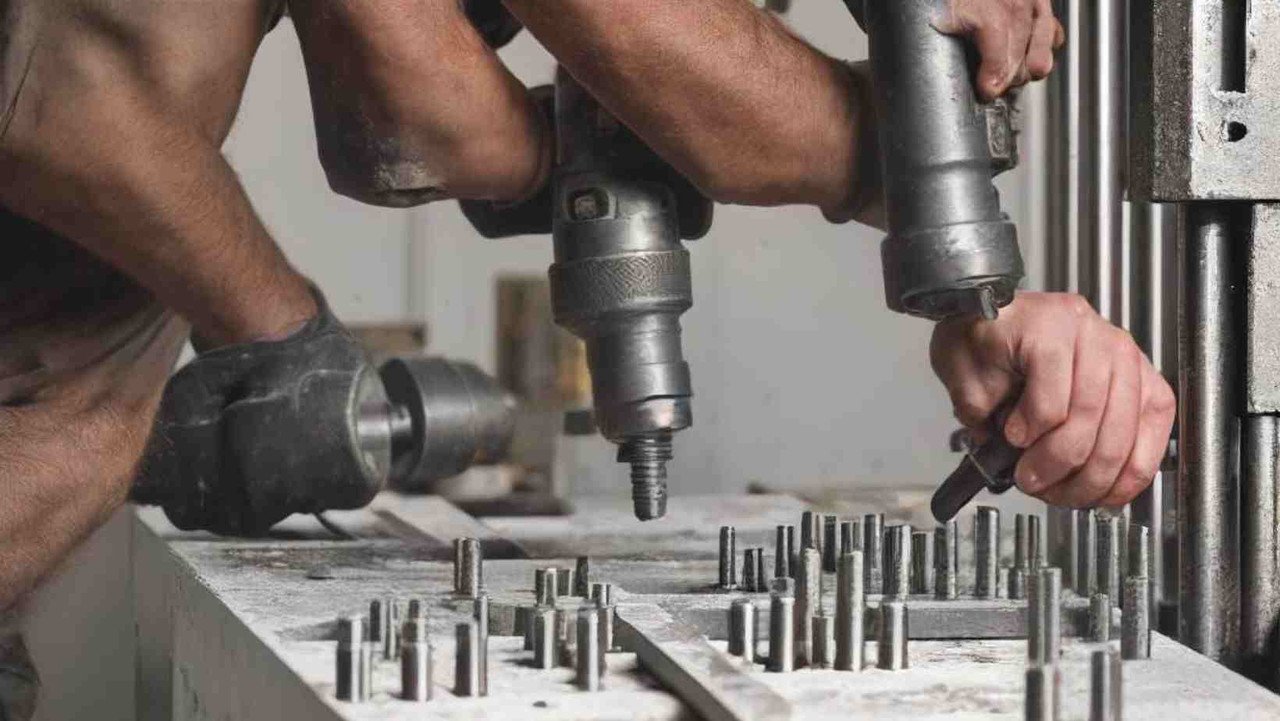
Are you looking to get the most out of your drill press? You’re in the right place.
Maintaining your drill press not only ensures smooth operations but also extends its lifespan, saving you money in the long run. Imagine a tool that works like new, year after year, providing precise results every time. That’s the power of proper maintenance.
You’ll discover simple yet effective tips that will keep your drill press in top-notch condition. Whether you’re a seasoned craftsman or a DIY enthusiast, these insights will make sure your equipment runs efficiently and stays reliable for years to come. Don’t miss out on unlocking the full potential of your drill press. Read on to learn how you can ensure its longevity with just a little care and attention.
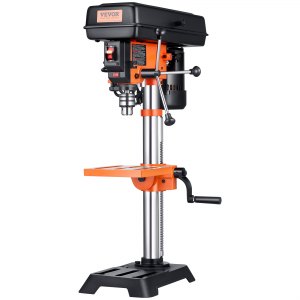
Credit: www.vevor.com
Choosing The Right Drill Press
Picking the right drill press helps keep your tool working well for years. A good drill press fits your needs and work style.
Understanding different types and important features makes choosing easier. This guide explains these key points.
Types Of Drill Presses
There are several kinds of drill presses. Each type suits different jobs and spaces.
- Bench Drill Press:Small and fits on a workbench. Good for light tasks.
- Floor Drill Press:Larger and stands on the floor. Best for heavy-duty work.
- Radial Drill Press:Has an arm that moves. Useful for drilling big workpieces.
- Magnetic Drill Press:Portable and uses a magnet to stick to metal surfaces. Great for metalwork in tight spots.
Key Features To Consider
Look at features that affect how well your drill press works and lasts.
- Motor Power:Stronger motors handle harder materials easily.
- Speed Settings:Multiple speeds allow more control for different tasks.
- Table Size and Adjustability:Bigger tables support larger workpieces. Adjustable tables help with angled drilling.
- Build Quality:Sturdy frames reduce vibration and improve accuracy.
- Chuck Size:Bigger chucks hold larger drill bits.
- Safety Features:Look for guards and easy-to-reach off switches.
Setting Up Your Drill Press
Setting up your drill press correctly helps it last longer. Proper setup also keeps your work safe and accurate.
This guide covers proper installation and how to ensure your drill press stays stable during use.
Proper Installation
Install your drill press on a flat, strong surface to avoid damage. Check that the machine is level before use.
- Choose a solid bench or stand that can hold the drill press weight.
- Use a spirit level to make sure the base is perfectly horizontal.
- Secure the drill press to the surface with bolts or screws.
- Keep the area around the drill press clean and free from clutter.
Ensuring Stability
Stable drill presses work better and last longer. Make sure the machine does not wobble or shake during operation.
| Method | Benefit |
| Use rubber feet or pads | Reduces vibration and protects the floor |
| Tighten all bolts and screws regularly | Prevents looseness and wobbling |
| Add weight to the base if needed | Improves balance and steadiness |
| Check alignment of the drill head | Keeps drilling precise and safe |
Routine Cleaning Practices
Keeping your drill press clean helps it work well for many years. Dirt and grime can cause problems if left alone. Regular cleaning keeps the machine safe and smooth.
Simple cleaning steps done often stop damage and save money. Focus on removing dust and oiling parts to keep your drill press in good shape.
Removing Dust And Debris
Dust and debris build up on your drill press from use. This can block moving parts and lower performance. Cleaning these particles keeps the machine working right.
Use a soft brush or cloth to wipe dust off all surfaces. Check under the table and around the motor for hidden dirt. Avoid using water to prevent rust.
- Turn off and unplug the drill press first
- Use a small brush to clean tight spots
- Vacuum loose dust from inside vents
- Wipe metal parts with a dry cloth
- Remove chips from the worktable after each use
Lubricating Moving Parts
Lubrication stops friction and wear on moving parts. This helps the drill press run smoothly and last longer. Use the right oil or grease for each part.
Apply lubricant to the spindle, quill, and gears regularly. Do not over-lubricate because extra oil can attract dust. Follow the drill press manual for correct types and amounts.
- Clean parts before applying lubricant
- Use light machine oil for spindles and quills
- Grease gears and bearings as needed
- Wipe off excess lubricant to avoid buildup
- Check lubrication monthly or after heavy use
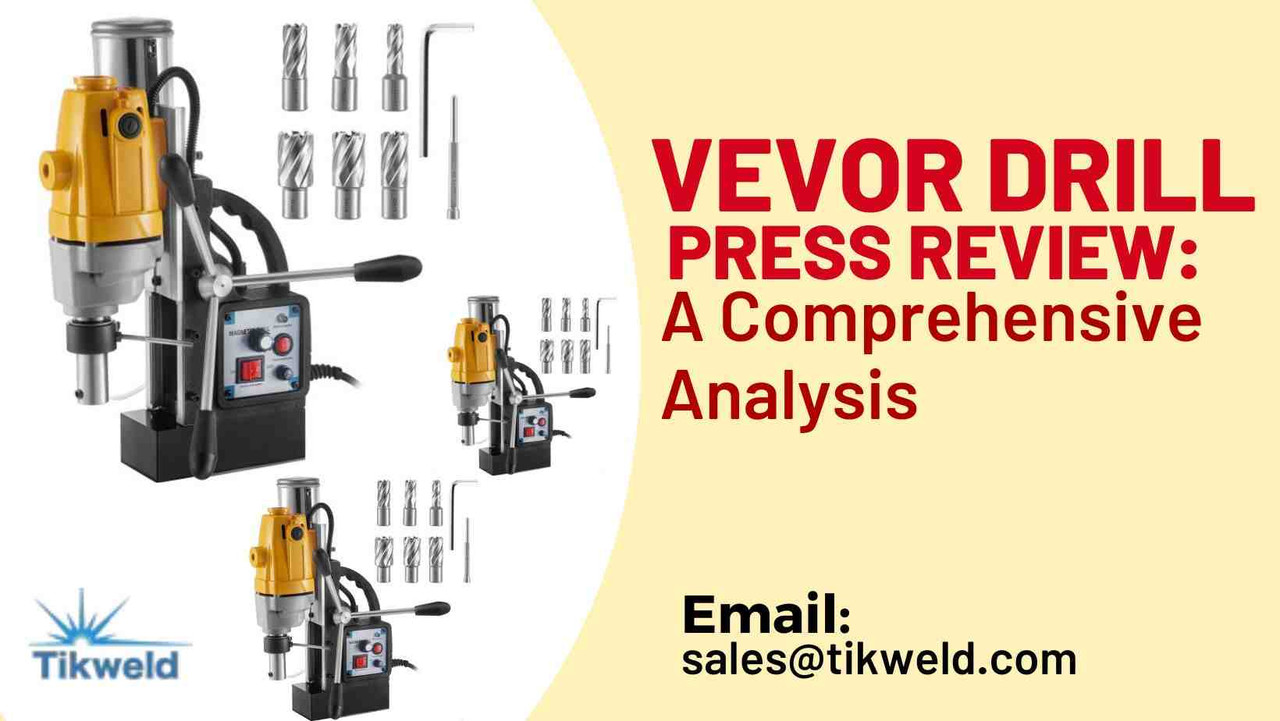
Credit: tikweld.com
Checking And Adjusting Components
Maintaining a drill press helps it work better and last longer. Checking and adjusting parts is important for smooth operation.
Regular inspections keep your drill press safe and efficient. Focus on belts, drill bit alignment, and bolts.
Inspecting Belts And Pulleys
Belts and pulleys move the drill press motor power. Check them often for wear or damage.
Look for cracks, frays, or looseness in belts. Make sure pulleys are clean and free of rust.
- Turn off the drill press before inspecting.
- Remove belt covers to see belts and pulleys clearly.
- Replace belts if you see cracks or stretching.
- Clean pulleys with a dry cloth to remove dust.
- Tighten belts if they feel loose, but do not overtighten.
Aligning The Drill Bit
A drill bit must be straight to drill accurately and avoid damage. Check its alignment regularly.
Loosen the chuck and insert the drill bit. Spin it slowly to see if it wobbles.
- If the bit wobbles, remove and reinsert it firmly.
- Use a square tool to check if the bit is perpendicular to the table.
- Adjust the table or bit holder if needed to make the bit straight.
- Tighten the chuck securely to hold the bit in place.
Tightening Bolts And Screws
Loose bolts and screws can cause noise and unsafe operation. Check all fasteners often.
Use the correct tools to tighten bolts on the table, motor mount, and base. Do not force tightness.
- Inspect the table locking bolts for stability.
- Check the motor mount bolts for tightness.
- Tighten the handles and knobs to avoid wobbling parts.
- Replace any damaged or stripped bolts.
Preventing Common Issues
Keeping your drill press in good shape helps it work better and last longer. Regular care stops common problems before they start.
Two key areas to watch are overheating and wear. Fix these early to avoid big repairs.
Avoiding Overheating
Overheating can damage the motor and reduce the drill press’s life. Use these tips to keep it cool.
- Do not run the drill at maximum speed for too long.
- Use sharp drill bits to reduce friction.
- Allow the machine to rest if it feels hot.
- Keep vents and fans clean and clear.
- Lubricate moving parts regularly to reduce heat.
Managing Wear And Tear
Parts wear out with use. Check and replace them to keep the drill press safe and effective.
| Part | Signs of Wear | Maintenance Tips |
| Chuck | Loose grip on bits | Clean and tighten regularly |
| Belts | Cracks or fraying | Replace if damaged |
| Bearings | Noise or wobble | Lubricate or change if worn |
| Table | Rust or damage | Keep clean and oil surface |
Safety Measures During Maintenance
Maintaining a drill press safely helps it last longer. Always follow safety rules to avoid accidents.
Wearing the right gear and turning off power are key parts of safe maintenance.
Power Off Procedures
Always disconnect the drill press from its power source before starting any work. This stops the machine from running by mistake.
- Turn off the main power switch.
- Unplug the drill press from the electrical outlet.
- Wait for the machine to fully stop moving before touching parts.
- Use lockout/tagout devices if available to prevent power restoration.
Using Protective Gear
Wear safety gear to protect yourself from dust, noise, and sharp parts while maintaining the drill press.
| Protective Gear | Purpose |
| Safety glasses | Protect eyes from flying debris |
| Gloves | Shield hands from sharp edges and dirt |
| Ear protection | Reduce hearing damage from loud noise |
| Dust mask | Prevent inhaling dust and particles |
When To Seek Professional Help
Maintaining a drill press helps it last longer and work better. Some problems need expert care to avoid damage.
Knowing when to get professional help saves time and money. It also keeps your drill press safe to use.
Identifying Complex Problems
Some drill press issues are too hard to fix on your own. Complex problems can affect the machine’s safety and performance.
Look for signs like strange noises, smoke, or parts that do not move properly. These signs mean you should call a professional.
- The drill press does not start or stops suddenly
- Unusual sounds like grinding or squealing
- Visible damage to the motor or belts
- The drill press wobbles or vibrates too much
- Electrical problems or sparks
Finding Reliable Service Providers
Choose a trusted service provider to fix your drill press. Good providers have experience and know the machine well.
Check reviews and ask for recommendations. Make sure the provider offers a warranty on their work.
- Look for certified technicians with drill press experience
- Read customer reviews online
- Ask friends or local hardware stores for recommendations
- Confirm service guarantees or warranties
- Check if they use original parts for repairs

Credit: samhotool.com
Storing Your Drill Press
Keeping your drill press safe during storage helps it last longer. Proper storage protects it from damage and wear.
Storing your drill press correctly saves time and money on repairs. It keeps the machine ready for use.
Protecting From Moisture
Moisture can cause rust on your drill press parts. Store the machine in a dry place to avoid this problem.
Use a dehumidifier or silica gel packs near the drill press if the area is humid. Wipe down metal parts with oil to add protection.
- Store indoors away from rain and dampness
- Use moisture absorbers like silica gel
- Apply light machine oil on metal surfaces
- Check regularly for signs of rust or corrosion
Covering And Securing
Cover your drill press with a dust cover or cloth to keep dirt off. This stops dust from building up on moving parts.
Secure the drill press so it does not move or tip over. Lock any adjustable parts before storing to keep them in place.
- Use a fitted cover or cloth to protect from dust
- Lock the table and spindle in place
- Place the drill press on a stable, flat surface
- Keep cords and accessories organized and stored safely
Frequently Asked Questions
How Often Should I Clean My Drill Press?
You should clean your drill press after every use. Remove dust, debris, and metal shavings. Regular cleaning prevents buildup and ensures smooth operation, extending the machine’s lifespan.
What Lubrication Is Best For Drill Press Maintenance?
Use light machine oil or a specialized lubricant for drill presses. Apply it to moving parts like the spindle and gears to reduce friction and prevent rust. Regular lubrication keeps the machine running smoothly.
How Can I Check Drill Press Alignment?
Check alignment by placing a drill bit in the chuck and lowering it onto a flat surface. Ensure the bit is perpendicular to the table. Adjust the table or head tilt if necessary for precise drilling.
When Should I Replace Drill Press Belts?
Replace belts if they show signs of cracking, fraying, or slipping. Worn belts reduce efficiency and can damage the motor. Inspect belts monthly for optimal performance and longevity.
Conclusion
Regular care keeps your drill press working well for years. Clean it after each use to avoid dust build-up. Check the belts and tighten them if loose. Oil moving parts to reduce wear and tear. Replace worn parts to maintain good performance.
Store the drill press in a dry place. Simple steps like these save you money and time. A well-maintained drill press is safer and more reliable. Keep these tips in mind to enjoy smooth work every day. Small efforts lead to long-lasting tools.