
Imagine you’re on a bustling construction site or navigating through a busy warehouse. Amidst the chaos, one thing stands out: the bright, unmistakable flash of high-visibility safety vests.
These vests are more than just a uniform; they are your lifeline, ensuring that you remain seen and safe in environments where visibility can mean the difference between danger and security. But are you wearing yours correctly? It’s not just about slipping it on; it’s about wearing it right to maximize safety.
You’ll discover the essential tips and tricks to make sure your high-visibility vest serves its purpose. Whether you’re a seasoned professional or new to environments requiring safety gear, understanding the right way to wear your vest is crucial. Stick around to ensure you’re not just visible, but unmistakably protected.
Choosing The Right Vest
Wearing a high-visibility safety vest helps keep workers safe. Picking the right vest is important for comfort and protection.
Different vests suit different jobs and environments. Learn how to choose the best vest for your needs.
Materials And Reflective Strips
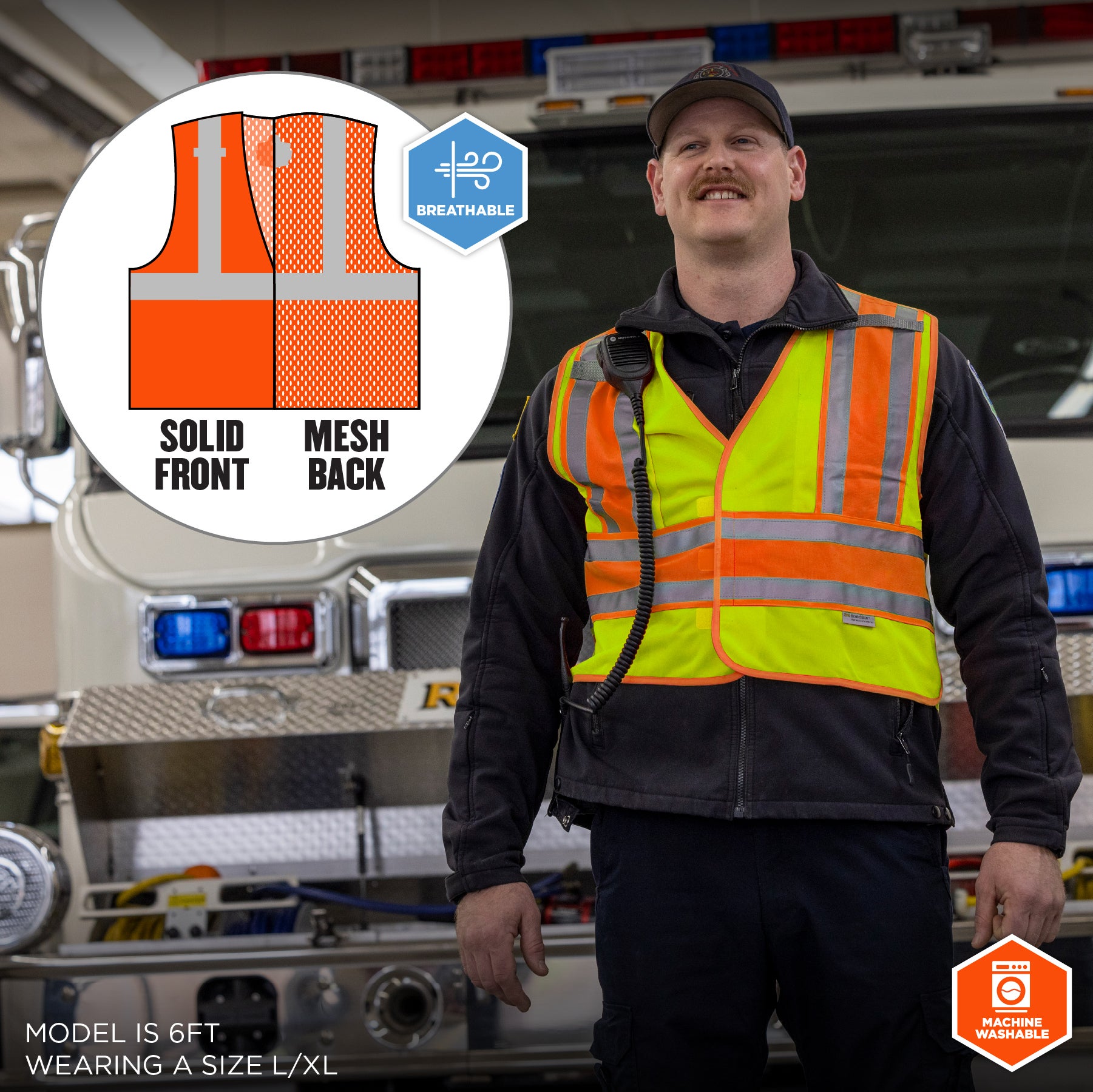
Vests come in many materials like polyester and mesh. Polyester is durable and bright. Mesh keeps you cool in hot weather.
Reflective strips make you visible in low light. Look for wide, bright strips that cover the vest well.
- Polyester: strong and bright
- Mesh: breathable and lightweight
- Reflective strips: wide and bright for visibility
- Strips on front, back, and sides improve safety
Size And Fit Considerations
The vest should fit over your clothes without being tight. It must allow easy movement and not get caught in machines.
Choose a size that is large enough but not too loose. Adjustable vests can help get the right fit.
- Wear the vest over your regular clothes
- Check for adjustable straps or fasteners
- Make sure it does not restrict movement
- Try different sizes to find the best fit
Compliance With Safety Standards
Safety vests must meet rules set by organizations like ANSI or OSHA. These rules ensure vests are bright and reflective enough.
Check the vest label for compliance marks. Use vests that match your work environment and safety needs.
- Look for ANSI/ISEA 107 certification
- Choose Class 1, 2, or 3 based on job risk
- Make sure reflective tape meets standards
- Replace worn or damaged vests promptly
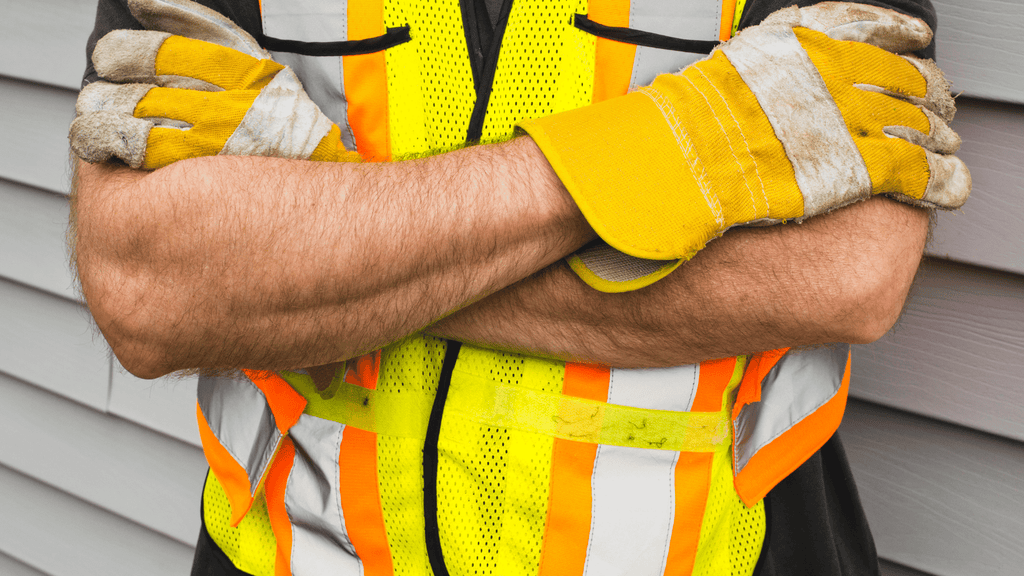
Credit: www.hi-viz.com
Wearing The Vest Properly
Wearing a high-visibility safety vest correctly keeps you visible and safe. It is important to follow simple steps to wear it right.
This guide covers how to layer over clothing, adjust for comfort, and secure the vest properly.
Layering Over Clothing
Wear your safety vest over your outermost layer of clothing. This ensures the reflective material is fully visible.
- Put the vest on top of jackets or coats.
- Do not tuck the vest under other clothing.
- Make sure the vest does not cover reflective stripes on your clothes.
- Choose a vest size that fits over your clothing comfortably.
Adjusting For Comfort And Mobility
Adjust the vest so it fits well but allows easy movement. A tight vest can restrict your actions.
| Adjustment Area | Tips |
| Shoulders | Make sure the vest rests evenly without pulling. |
| Sides | Loosen or tighten side straps for a snug fit. |
| Length | The vest should cover your torso without riding up. |
Securing Fasteners Correctly
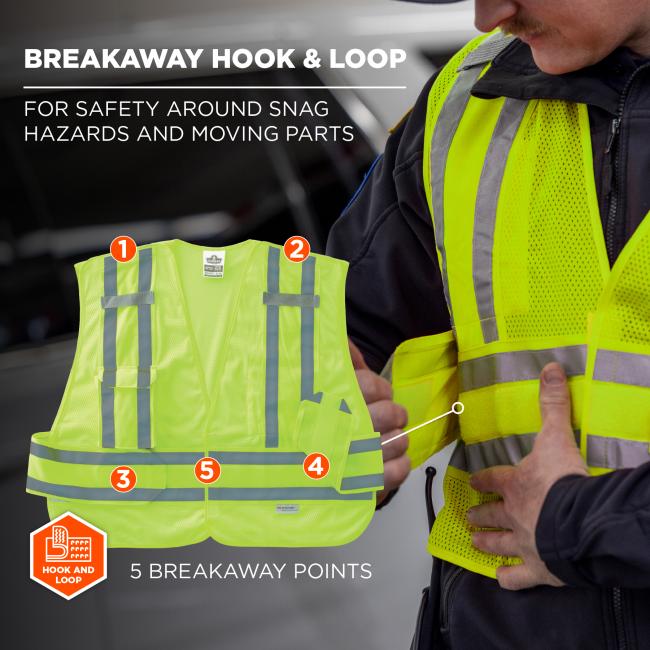
Fasten all closures completely. Loose or open fasteners reduce the vest’s visibility and safety.
- Use all zippers, Velcro strips, or snaps on the vest.
- Check that fasteners are not damaged or worn out.
- Make sure fasteners lie flat and do not flap in the wind.
- Secure the vest before starting any work activity.
Maintaining Visibility
High-visibility safety vests keep workers safe by making them easy to see. Proper care and use help maintain their bright colors and reflective qualities. This guide covers how to keep your vest visible and effective.
Wearing a clean and well-maintained vest improves safety in any work environment. Follow these tips to keep your vest in good condition.
Keeping The Vest Clean
Dirty or stained vests can reduce visibility. Clean your vest regularly to keep the colors bright and reflective strips clear. Use mild soap and cold water. Avoid bleach or harsh chemicals that can damage the fabric and reflective tape.
- Hand wash or machine wash on gentle cycle
- Hang dry to keep shape and reflectivity
- Do not iron or dry clean
- Remove dirt and grime after each use
Replacing Worn Or Damaged Vests
Vests lose their effectiveness over time. Check your vest for tears, faded colors, or worn reflective strips. Replace it if you notice any damage. Worn vests do not provide enough visibility to protect you on the job.
| Condition | Action |
| Faded colors | Replace vest |
| Torn fabric | Replace vest |
| Peeling or missing reflective tape | Replace vest |
| Clean and intact | Use as normal |
Using Additional Reflective Gear
Adding extra reflective gear can boost your visibility. Use reflective armbands, hats, or gloves along with your vest. This helps others see you from more angles and in low-light conditions.
- Wear reflective armbands on arms
- Choose hats with reflective strips
- Use gloves with reflective patches
- Combine with vest for best effect
Credit: www.ergodyne.com
Common Mistakes To Avoid
High-visibility safety vests keep workers safe by making them visible. Wearing these vests correctly is important for proper protection.
Many people make simple mistakes that reduce the vest’s effectiveness. Avoiding these errors helps improve safety at work.
Wearing The Vest Backwards
Some workers put the vest on backwards by accident. The reflective strips and bright colors face the wrong way when this happens.
This mistake lowers visibility. Drivers and coworkers may not see the person clearly, increasing the risk of accidents.
- Check the front and back of the vest before putting it on.
- Make sure reflective strips are on the outside.
- Look for labels or tags to identify the correct side.
Ignoring Fit And Size Issues
Wearing a vest that is too big or too small reduces its effectiveness. A poor fit can cause discomfort and limit movement.
Loose vests may flap in the wind and block visibility. Tight vests can restrict breathing or movement, causing safety hazards.
- Choose a vest size that fits comfortably over your clothes.
- Adjust straps or closures for a snug fit without tightness.
- Test the vest’s fit by moving around before starting work.
Obstructing Reflective Areas
Placing tools, equipment, or clothing over reflective strips blocks light reflection. This reduces the vest’s visibility in low light.
Even small obstructions can make it harder for others to see you. Keep reflective areas clear for best safety results.
- Avoid hanging backpacks or gear on the vest.
- Do not cover reflective strips with jackets or other clothes.
- Check that all reflective parts are clean and visible.
Special Considerations For Different Jobs
High-visibility safety vests help keep workers safe. Different jobs need different ways to wear them.
Wearing the vest correctly depends on the work environment and the tasks done.
Construction And Road Work
Workers in construction and road work face heavy machinery and moving vehicles. Vests must be bright and visible from all sides.
Wear the vest over all clothing. Make sure it fits well and does not block your movement.
- Choose vests with reflective tape on front, back, and sides
- Keep the vest zipped or fastened to avoid catching on tools
- Check for dirt or damage that reduces visibility regularly
- Wear the vest over jackets in cold weather
Warehouse And Industrial Settings
In warehouses, workers move near forklifts and shelves. Vests should be tight enough to avoid getting caught.
It is best to wear a vest that fits snugly. Avoid loose or baggy vests that can snag on equipment.
- Use vests with reflective strips for low-light areas
- Wear the vest over uniforms or work clothes
- Remove the vest if working near spinning or moving machinery
- Make sure the vest does not block safety badges or ID cards
Outdoor And Emergency Services
Emergency workers and outdoor staff need high visibility in all weather conditions. Vests must be easy to spot day and night.
Wear vests that are weather-resistant and bright. Layer clothing under the vest but keep it visible.
- Choose waterproof vests for rainy or snowy weather
- Use vests with wide reflective bands for night visibility
- Wear the vest over protective gear like helmets and jackets
- Keep the vest clean to maintain brightness
Credit: www.ergodyne.com
Frequently Asked Questions
What Is The Correct Way To Wear A High-visibility Vest?
Wear the vest over your clothing, ensuring it fits snugly but comfortably. Fasten all closures and avoid covering reflective strips. Position the vest so reflective areas face outward for maximum visibility in all lighting conditions.
Why Is Proper Fit Important For Safety Vests?
A proper fit prevents the vest from snagging or shifting during work. It ensures reflective strips remain visible from all angles. An ill-fitting vest can reduce safety and cause discomfort or distraction on the job.
How Do I Maintain My High-visibility Safety Vest?
Regularly wash the vest according to manufacturer instructions to retain reflectivity. Avoid harsh chemicals and high heat during cleaning. Inspect for damage or fading and replace the vest if visibility decreases.
Can I Wear Other Clothing Under The Safety Vest?
Yes, wear appropriate clothing underneath, considering weather and comfort. The vest should remain fully visible and not be obstructed by bulky layers. Choose lightweight layers in hot weather to avoid overheating.
Conclusion
Wearing a high-visibility safety vest right keeps you safe and seen. Always choose the correct size and wear it over your clothes. Make sure the reflective strips face outward and stay clean. Check the vest for damage before use. Bright colors and reflectivity help drivers and coworkers notice you.
Safety should never be ignored on the job or road. Follow these simple steps to protect yourself every day. Stay visible, stay safe.