Getting your soil ready for planting can feel like a big task, but using a hand rake can make it much easier—and even enjoyable. If you want your garden to thrive, the way you prepare your soil matters a lot.
With the right tips and techniques, you can turn tough, compacted earth into a soft, fertile bed that helps your plants grow strong. You’ll discover simple, effective ways to use a hand rake that save you time and effort while improving your soil’s health.
Keep reading, and you’ll soon be ready to create the perfect foundation for your garden’s success.

Credit: www.amazon.com
Choosing The Right Hand Rake
Using a hand rake helps prepare soil for planting. Picking the right rake makes the job easier and faster.
Consider the type, material, and handle when choosing a hand rake. These factors affect how well it works.
Types Of Hand Rakes
Hand rakes come in different types for various soil tasks. Some have straight tines, others have curved ones.
- Bow rakes have stiff, straight tines. They break up hard soil well.
- Leaf rakes have thin, flexible tines. They work best for light soil and leaves.
- Garden rakes are smaller and lighter. Good for tight spaces and delicate soil.
Material And Durability
Hand rakes can be made from metal, plastic, or wood. Metal rakes last longer and are stronger.
Plastic rakes are lighter but can break easily. Wood handles feel natural but may wear out.
- Steel tines resist bending and rust.
- Aluminum tines are light but less strong.
- Plastic tines are best for light tasks.
Handle Length And Comfort
Choose a handle length that fits your height and reach. Short handles work well in small spaces.
Comfort matters. Look for handles with grips or smooth finishes to avoid blisters.
- Short handles offer more control.
- Long handles reduce bending over.
- Rubber grips improve hand comfort.
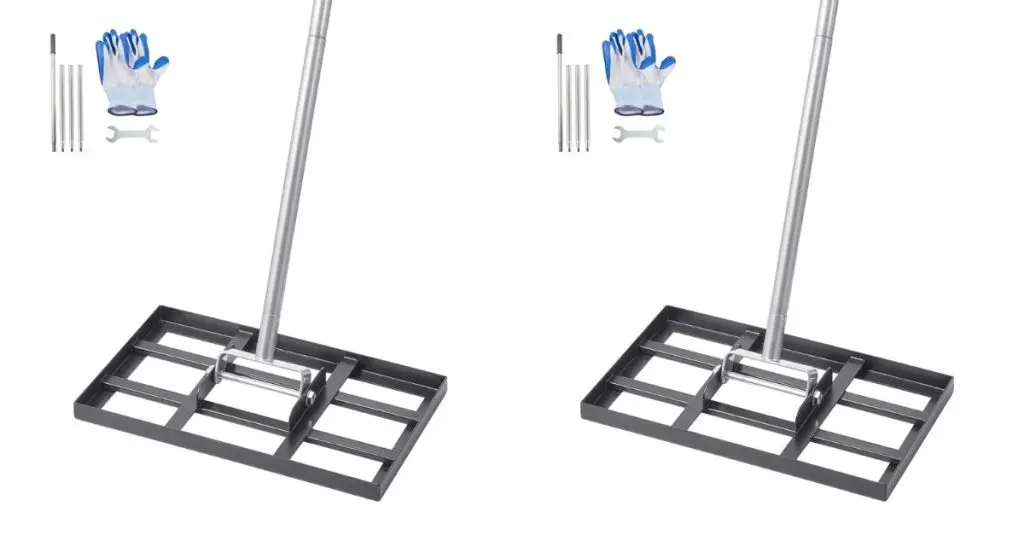
Credit: www.vevor.com
Preparing Your Soil
Using a hand rake helps prepare soil for planting. It makes the soil loose and ready for seeds. This tool is easy to handle and works well in small gardens.
Good soil preparation improves plant growth. Start by clearing debris, then loosen the soil, and finally break clumps for a smooth surface.
Clearing Debris
Remove sticks, leaves, and stones from the soil surface. Clearing debris lets water and air reach the soil better. It also stops weeds from growing.
- Pick up large sticks by hand
- Use the hand rake to gather smaller debris
- Dispose of unwanted material away from the garden
Loosening Compact Soil
Compact soil blocks plant roots from growing. Use a hand rake to break the hard surface. Work the rake gently to avoid damaging the soil layers below.
| Tip | Reason |
|---|---|
| Rake in different directions | Helps loosen soil evenly |
| Do not overwork soil | Prevents soil from becoming too fine |
| Water soil if too dry | Eases loosening process |
Breaking Clumps
Soil clumps make planting hard. Use the hand rake to break clumps into smaller pieces. This creates a smooth bed for seeds and roots.
- Apply light pressure on clumps
- Rake repeatedly until soil feels loose
- Remove very large clumps by hand if needed
Effective Raking Techniques
Using a hand rake can make soil preparation easier and more efficient. It helps break up clumps and smooth the soil surface.
Good technique prevents strain and improves the quality of your soil work. Here are some tips to rake effectively.
Proper Grip And Posture
Hold the rake handle firmly but not too tight. Keep your hands about shoulder-width apart for control.
- Stand straight with feet shoulder-width apart
- Bend your knees slightly to reduce back strain
- Keep your back straight while raking
- Use your arms and shoulders, not just your wrists
Raking Motions
Use smooth, even strokes to move the soil. Avoid jerky or fast motions that tire you quickly.
Pull the rake toward you in a controlled way. Then, push it away gently to level the soil.
Maintaining Consistent Pressure
| Pressure Level | Effect on Soil |
| Light | Moves loose debris, gentle smoothing |
| Medium | Breaks small clumps, evens surface |
| Heavy | Breaks hard soil, may cause damage |
Keep pressure steady for best results. Too light will not prepare soil well. Too hard can harm soil structure.

Credit: www.calloways.com
Enhancing Soil Quality
Using a hand rake helps prepare soil for planting. It improves soil texture and health.
Good soil quality supports strong plant growth and better yields.
Incorporating Organic Matter
A hand rake mixes organic materials like compost into the soil. This adds nutrients and improves soil structure.
Organic matter keeps soil moist and supports helpful microbes.
- Spread compost evenly on soil
- Use the rake to mix compost into the top layer
- Break up clumps for better mixing
- Avoid over-raking to keep soil loose
Leveling The Soil Surface
A hand rake smooths the soil surface to make planting easier. A flat surface helps water spread evenly.
Level soil also prevents seeds from washing away during watering or rain.
- Use the rake’s flat side to smooth soil
- Fill in low spots and remove bumps
- Check for evenness by eye or with a board
- Rake lightly to avoid compacting soil
Creating Seedbeds
A hand rake helps create fine soil beds for seeds. Loose soil allows roots to grow easily.
Good seedbeds improve seed-to-soil contact and help seeds sprout faster.
- Rake soil to break large clumps
- Create a soft, crumbly surface
- Remove stones and debris
- Make shallow grooves for planting seeds
Maintenance And Care For Your Hand Rake
Keeping your hand rake in good shape helps it last longer and work better. Regular care saves time and effort in the garden.
Simple maintenance steps protect the rake from damage. Clean, sharpen, and store it properly after each use.
Cleaning After Use
Remove dirt and debris from the tines and handle right after raking. This stops rust and keeps the rake ready for the next job.
- Use a stiff brush to clean soil off the tines.
- Wipe the handle with a damp cloth to remove dust.
- Dry the rake completely to prevent moisture damage.
- Apply a light coat of oil to the metal parts to avoid rust.
Sharpening Tines
Dull tines reduce the rake’s effectiveness. Sharpening keeps the tines strong and easy to use. Use a file or sharpening stone for best results.
| Tool | Use |
|---|---|
| Metal File | Sharpen each tine with smooth strokes |
| Sharpening Stone | Polish tines to remove rough edges |
| Protective Gloves | Wear to avoid cuts during sharpening |
Storage Tips
Store the hand rake in a dry place to stop rust and wood damage. Keep it off the ground to avoid moisture.
- Hang the rake on a wall hook to save space.
- Keep it away from direct sunlight to protect the handle.
- Cover the rake with a cloth or tarp if stored outside.
- Check the rake monthly for signs of wear or rust.
Common Mistakes To Avoid
Using a hand rake for soil preparation helps create a good seedbed. Many people make simple errors that slow their work or harm the soil.
Knowing these mistakes will save time and keep the soil healthy. Avoid these common errors to get the best results.
Overworking The Soil
Raking the soil too much can damage its structure. It can break down soil clumps and destroy helpful air pockets.
This makes it harder for plants to grow strong roots. Only rake the soil enough to loosen the top layer.
- Do not rake deeply after heavy rain or when soil is wet
- Work gently to keep soil texture
- Stop once the surface looks even and crumbly
Using The Wrong Rake Type
Choosing the wrong rake makes soil prep harder and less effective. Hand rakes come with different teeth and sizes.
Use a rake with flexible tines for loose soil. Use rigid tines to break hard soil clumps. Match the rake to your soil type.
- Flexible rake: good for light soil and leaves
- Rigid rake: best for breaking compacted soil
- Small rake: ideal for tight garden spaces
Ignoring Safety Precautions
Not taking safety steps can cause injuries while raking. Hand rakes have sharp edges and strong tines.
Wear gloves to protect your hands. Make sure the rake handle is secure and free of splinters. Work at a steady pace.
- Wear sturdy gloves to avoid cuts
- Check the rake for loose or broken parts
- Keep your feet clear of the rake head
- Take breaks to avoid fatigue
Frequently Asked Questions
What Is The Best Way To Use A Hand Rake For Soil?
Use a hand rake by gently loosening soil surface. Rake in a consistent pattern to break clumps and remove debris. Avoid deep digging to preserve soil structure and microorganisms.
How Does A Hand Rake Improve Soil Preparation?
A hand rake helps aerate soil and remove stones and weeds. It creates a fine, even seedbed. This improves water absorption and root growth for healthier plants.
When Should I Use A Hand Rake In Gardening?
Use a hand rake after tilling or digging to smooth soil. It’s ideal before planting seeds or seedlings. Hand rakes work well in small or delicate garden areas.
Can A Hand Rake Replace Other Soil Tools?
A hand rake complements, but does not replace, larger tools. It’s perfect for detailed soil preparation and small spaces. Larger tools are better for deep tilling and heavy soil.
Conclusion
Mastering the use of a hand rake can greatly aid soil preparation. Simple tools often yield the best results. Understand your soil type before starting. Choose a rake suitable for your garden’s needs. Regular maintenance keeps the rake effective. Practice makes handling easier.
Always rake in gentle motions. This prevents damage to the soil’s structure. A well-prepared soil encourages healthy plant growth. Your garden will benefit from these efforts. Enjoy the process and the results. Your garden will thank you. Happy gardening!