
Are you ready to tackle your garden with confidence and precision? Using a hedge trimmer can make your yard work a breeze, giving your hedges the perfect trim.
But, safety is key. You don’t want a simple gardening task to turn into a stressful situation. Imagine finishing your trimming with everything intact—your hedges and you! In this guide, you’ll discover practical tips to use a hedge trimmer safely, ensuring both your peace of mind and a beautifully manicured garden.
Stay with us, and let’s make your gardening experience safe and satisfying.
Choosing The Right Hedge Trimmer
Choosing the right hedge trimmer helps you work safely and efficiently. The right tool makes trimming easier and reduces risk.
Consider the type, power source, and blade size before buying a hedge trimmer. These factors affect performance and comfort.
Types Of Hedge Trimmers
There are two main types: manual and powered hedge trimmers. Manual trimmers need physical effort but are safer for small jobs.
Powered trimmers work faster and cut thicker branches. They come in different sizes for different tasks.
- Manual Hedge Trimmers: No power, safe for light trimming
- Powered Hedge Trimmers: Electric, battery, or gas options
Power Sources: Electric, Battery, Or Gas
Electric trimmers need a cord and work well near power outlets. They are lighter but less portable.
Battery trimmers offer freedom to move and are quieter. They need charging but are easy to handle.
Gas trimmers are powerful and good for large jobs. They are heavier and need regular maintenance.
- Electric: Continuous power, limited by cord length
- Battery: Portable, limited run time
- Gas: Strong power, heavier and noisy
Blade Length And Design
Blade length affects how much you can cut at once. Longer blades cover more area but are harder to control.
Blade design matters for safety and cutting style. Some blades have teeth for thick branches, others are smooth for fine trimming.
- Short Blades (12-18 inches): Easier to handle, good for small hedges
- Long Blades (20-24 inches): Cover more area, better for large hedges
- Double-sided Blades: Cut both sides, faster trimming
- Single-sided Blades: Safer, easier for beginners
Essential Safety Gear
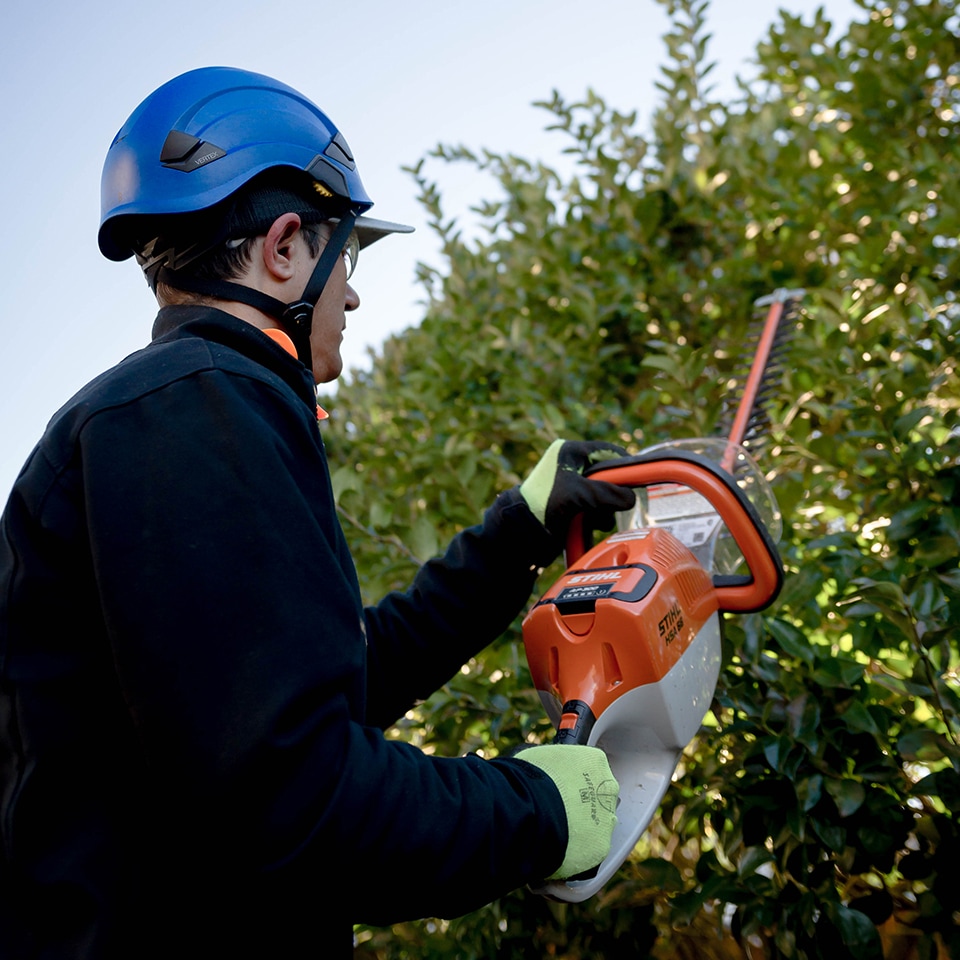
Using a hedge trimmer can be dangerous without the right safety gear. Protecting yourself reduces the risk of injury. Wear the proper equipment every time you trim hedges.
This guide covers the essential safety gear for hedge trimming. Follow these tips to stay safe outdoors.
Protective Clothing
Wear clothes that shield your body from cuts and scratches. Choose thick, long-sleeved shirts and long pants. Avoid loose clothing that can catch in the trimmer.
- Long sleeves and pants to protect your skin
- Close-fitting garments to avoid getting caught
- High-visibility vests if working near roads
- Water-resistant fabrics to stay dry
Eye And Ear Protection
Protect your eyes from flying debris and your ears from loud noise. Use safety glasses and earplugs or earmuffs. This gear helps prevent eye injury and hearing loss.
| Type of Protection | Purpose |
| Safety Glasses | Keep debris out of your eyes |
| Goggles | Offer full coverage against dust and chips |
| Earplugs | Reduce noise levels to protect hearing |
| Earmuffs | Cover ears to block loud sounds |
Gloves And Footwear
Wear gloves to protect your hands from cuts and vibrations. Use sturdy shoes or boots with good grip. This prevents slips and foot injuries while trimming.
Recommended gloves and shoes:
- Leather gloves for cut resistance
- Anti-vibration gloves to reduce fatigue
- Steel-toe boots for foot protection
- Non-slip soles for firm footing
Preparing For Trimming
Using a hedge trimmer safely starts with good preparation. Taking time to get ready helps avoid accidents and makes the job easier.
Before cutting, check the hedge, clear the area, and inspect your trimmer. These steps protect you and your tools.
Inspecting The Hedge And Surroundings
Look closely at the hedge for broken branches or hidden objects. Check for wires, fences, or wildlife nearby. Plan your cuts to avoid damage.
Clearing The Work Area
Remove any obstacles that could cause trips or falls. Clear stones, toys, and garden tools from the trimming zone. Keep pets and children away.
- Pick up loose branches and debris
- Move lawn furniture and pots
- Wear sturdy shoes to protect your feet
- Check for slippery spots or uneven ground
Checking The Trimmer Condition
| Check | What to Do |
| Blade sharpness | Sharpen or replace if dull |
| Power source | Ensure battery is charged or cord is intact |
| Handle and guards | Make sure they are secure and undamaged |
| Safety features | Test safety switch and controls |

Credit: www.msn.com
Safe Operating Techniques
Using a hedge trimmer can be dangerous without proper care. Following safe techniques helps prevent accidents.
This guide focuses on safe ways to hold and move the trimmer for better control.
Proper Grip And Stance
Hold the hedge trimmer firmly with both hands. Keep your hands on the handles at all times.
Stand with your feet shoulder-width apart. This stance gives you balance and stability.
- Use your dominant hand on the rear handle
- Place your other hand on the front handle
- Keep your back straight and knees slightly bent
- Wear non-slip shoes for better footing
Correct Cutting Motions
Move the trimmer slowly and smoothly. Avoid sudden or jerky motions to keep control.
Cut from one side to the other. Use sweeping, side-to-side movements to trim evenly.
- Start trimming at the bottom of the hedge
- Work your way up for even cuts
- Keep the blades away from your body
- Do not force the blades through thick branches
Avoiding Dangerous Positions
Never overreach or stretch to cut branches. This can cause you to lose balance.
Keep the trimmer away from your head and body. Always be aware of where the blades are.
- Do not stand on unstable surfaces or ladders
- Avoid cutting above shoulder height
- Keep bystanders at a safe distance
- Turn off the trimmer before adjusting or cleaning
Handling Common Hazards
Using a hedge trimmer can be dangerous if you do not handle hazards carefully. Knowing how to avoid risks helps keep you safe. Always stay alert and follow safety tips.
This guide covers common hazards like electrical cords, hidden obstacles, and fatigue. Learning about these dangers helps you work safely and avoid accidents.
Dealing With Electrical Cords
Electric hedge trimmers often have cords that can cause accidents. You must be careful not to cut or trip over the cords. Always keep the cord behind you while trimming.
Check the cord for damage before use. Do not use the trimmer if the cord is frayed or cracked. Use a heavy-duty extension cord made for outdoor tools.
- Keep the cord away from the cutting blade
- Use a ground fault circuit interrupter (GFCI) outlet
- Never pull the trimmer by the cord
- Unplug the trimmer before inspecting or cleaning
Avoiding Hidden Obstacles
Hidden objects like rocks, wires, or branches can cause injury or damage the trimmer. Look carefully at the hedge and ground before starting work. Remove any visible debris to prevent accidents.
Use a stick or tool to check for hidden obstacles inside thick bushes. Avoid trimming near fences or walls where wires or nails might be present.
- Inspect the hedge and ground before trimming
- Clear stones, wires, and trash from the area
- Work slowly near dense or unknown areas
- Wear gloves and eye protection for safety
Managing Fatigue And Breaks
Trimming hedges takes strength and focus. Fatigue can cause mistakes and injuries. Take regular breaks to rest your hands and eyes. Stop if you feel tired or dizzy.
Drink water to stay hydrated. Stretch your arms and back during breaks. Working while tired reduces your control and increases risk.
- Take a 5-10 minute break every 30 minutes
- Stay hydrated with water or light drinks
- Stretch muscles to avoid stiffness
- Stop working if you feel tired or unwell
Credit: www.leaflimb.com
Maintenance And Storage
Proper care helps your hedge trimmer work well for a long time. Regular maintenance keeps it safe and effective.
Storing the tool correctly protects it from damage and accidents. Follow these tips for cleaning, sharpening, and storing.
Cleaning After Use
Clean the hedge trimmer after each use to remove dirt and sap. This stops buildup that can harm the blades.
Use a brush or cloth to wipe the blades and body. Avoid using water on electric parts to prevent damage.
- Remove leaves and debris from blades
- Wipe blades with a dry cloth
- Use a mild detergent if sap is sticky
- Dry the tool completely before storage
Sharpening And Lubricating Blades
Sharp blades cut better and reduce accidents. Check blades often and sharpen them if they look dull.
Lubricate blades regularly to stop rust and keep them moving smoothly. Use oil made for garden tools.
- Use a sharpening file or stone for blade edges
- Apply blade oil or light machine oil after sharpening
- Wipe off extra oil to avoid attracting dirt
- Check blade tension and adjust if needed
Safe Storage Practices
Store the hedge trimmer in a dry place to prevent rust. Keep it out of reach of children and pets.
Cover the blades with a sheath or guard to protect them. Unplug electric trimmers before storing.
- Store in a locked cabinet or high shelf
- Keep away from moisture and direct sunlight
- Use blade covers or guards for safety
- Disconnect batteries or power cords before storage

Credit: www.youtube.com
Frequently Asked Questions
How Do I Prepare Before Using A Hedge Trimmer?
Before use, wear safety gear like gloves and goggles. Inspect the trimmer for damage. Clear the work area from debris and obstacles to avoid accidents.
What Are The Safest Hedge Trimmer Handling Tips?
Hold the trimmer with both hands firmly. Keep the cord behind you if electric. Avoid overreaching and maintain a stable stance to prevent falls.
When Is The Best Time To Trim Hedges Safely?
Trim hedges during daylight for better visibility. Avoid wet or windy conditions. Morning or late afternoon is ideal to prevent heat exhaustion.
How Do I Maintain A Hedge Trimmer Safely?
Clean the blades after each use. Check and tighten screws regularly. Store the trimmer in a dry place away from children.
Conclusion
Using a hedge trimmer safely protects you and those nearby. Always wear protective gear like gloves and goggles. Keep your hands away from the blades at all times. Check the trimmer before use to ensure it works well. Stay focused and avoid distractions while trimming.
Taking these simple steps helps prevent accidents and injuries. Enjoy a neat garden without risking your safety. Stay careful, stay safe, and keep your hedges tidy. Safety always comes first with any garden tool.