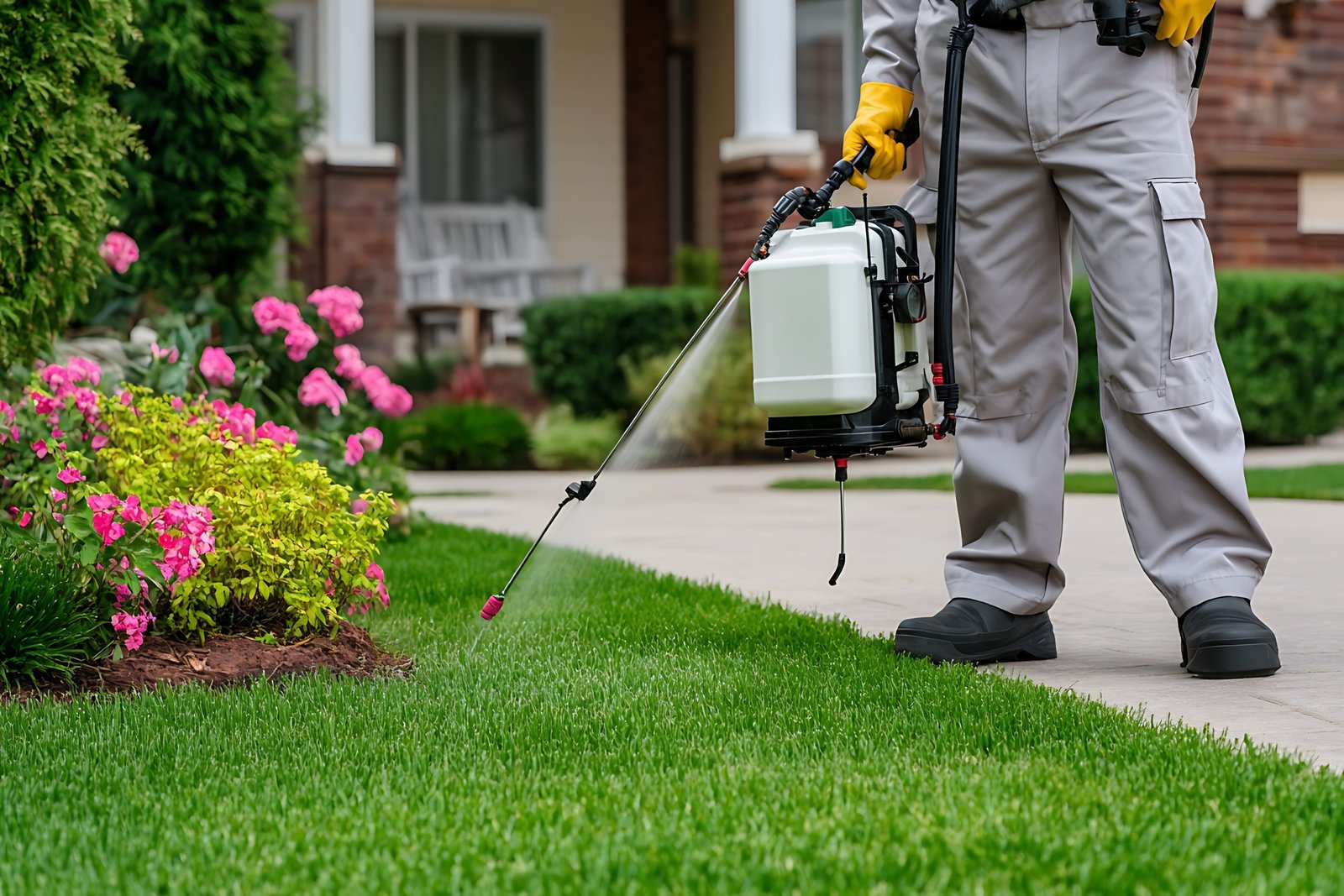
Are you looking to protect your garden from pesky invaders without harming your beloved plants? Using a garden sprayer for pesticides might just be your secret weapon.
Whether you’re a seasoned gardener or just starting out, mastering the art of using a sprayer can significantly boost your garden’s health. Picture a garden that thrives, free from pests and full of vibrant life. Imagine how satisfying it would be to see your plants flourish under your care.
With the right techniques, you can achieve this effortlessly. Dive into our tips for using a garden sprayer effectively, and discover how you can keep your garden lush and lively. Your plants will thank you, and you’ll love the difference it makes. Let’s get started!
Choosing The Right Sprayer
Using the right garden sprayer helps you apply pesticides safely and well. It saves time and protects your plants.
Pick a sprayer that fits your garden size and type of pesticide. This guide helps you choose the best one.
Types Of Garden Sprayers
There are many sprayer types for garden use. Choose one that matches your needs and comfort.
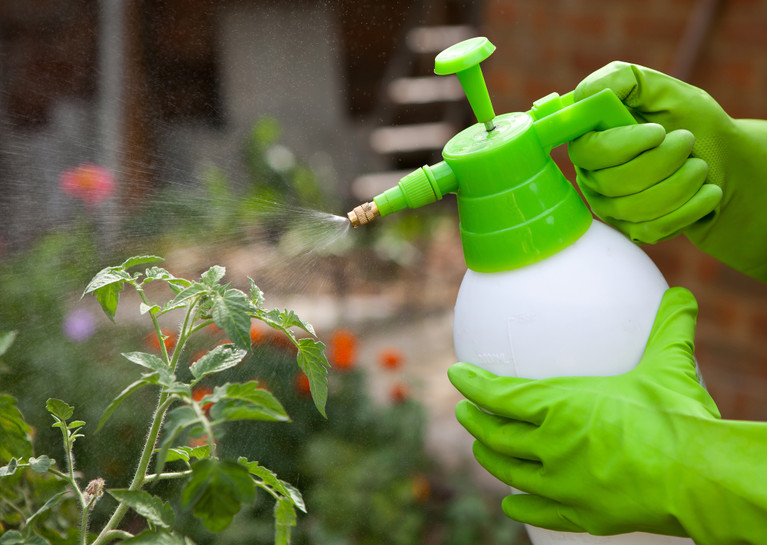
- Handheld Sprayers:Small and easy to use for small gardens.
- Pump Sprayers:Use a pump to build pressure for spraying.
- Battery-Powered Sprayers:Electric sprayers that reduce manual work.
- Backpack Sprayers:Worn on the back for larger areas and better mobility.
Capacity And Coverage
Choose a sprayer with the right tank size. Small tanks are light but need refilling often.
Large tanks cover more area but can be heavy to carry. Match tank size to your garden size.
- Small tanks: 1 to 2 gallons, good for small gardens.
- Medium tanks: 3 to 5 gallons, fit medium-size areas.
- Large tanks: 5 gallons or more, best for big gardens.
Material And Durability
Look for sprayers made with strong, rust-resistant materials. This keeps them working longer.
Plastic sprayers are light but can crack. Metal sprayers last longer but are heavier.
- Plastic: Lightweight and affordable, good for light use.
- Stainless Steel: Durable and rust-proof, ideal for frequent use.
- Brass: Strong and long-lasting, often used for nozzles.
Credit: barndoorag.com
Preparing The Sprayer
Using a garden sprayer correctly helps protect your plants. Proper preparation keeps the sprayer working well and safe.
Preparing the sprayer includes cleaning, calibrating, and mixing pesticides carefully. These steps help apply pesticides effectively.
Cleaning Before Use
Clean the sprayer before each use to avoid mixing old chemicals. Dirt and residue can block nozzles and harm plants.
Rinse the tank, hoses, and nozzles with clean water. Use a brush to remove stubborn dirt if needed.
- Empty any leftover liquid from previous use
- Flush the sprayer with water at least twice
- Check and clean the nozzle openings
- Wipe the outside of the sprayer
Calibrating For Accuracy
Calibrate the sprayer to apply the right pesticide amount. Too much or too little can harm plants or cause waste.
Measure how much spray the nozzle releases in a set time. Adjust the sprayer or walking speed to match the recommended rate.
- Use a container to catch spray for 30 seconds
- Measure the liquid volume collected
- Calculate spray output per minute
- Adjust pressure or nozzle if needed
- Practice walking at a steady pace
Mixing Pesticides Safely
Mix pesticides carefully to protect yourself and plants. Use the exact amount recommended on the label.
Wear gloves and eye protection when handling chemicals. Mix in a well-ventilated area and avoid spills.
- Fill the sprayer halfway with water first
- Add the pesticide concentrate carefully
- Mix gently by swirling or shaking the tank
- Do not mix different pesticides unless label allows
- Clean any spills immediately
Applying Pesticides Effectively
Using a garden sprayer for pesticides needs care and attention. Doing it right helps protect plants and avoid harm.
Follow clear steps to apply pesticides well. This keeps your garden healthy and safe.
Optimal Weather Conditions
Check the weather before spraying. Wind, rain, and temperature affect how well pesticides work.
- Spray on calm days with little or no wind.
- Avoid spraying before or during rain to prevent wash-off.
- Choose cooler parts of the day, like early morning or late afternoon.
- Avoid spraying in extreme heat to reduce evaporation.
Spraying Techniques
Use correct spraying methods to cover plants evenly. This helps the pesticide reach pests effectively.
| Technique | Description |
|---|---|
| Hold Sprayer Close | Keep the nozzle near leaves for better coverage. |
| Use Even Strokes | Move the sprayer steadily to avoid missed spots. |
| Spray Both Sides | Apply pesticide to top and bottom of leaves. |
| Adjust Nozzle | Set spray pattern for fine mist or coarse droplets as needed. |
Avoiding Over-application
Applying too much pesticide can harm plants and the environment. Use the right amount each time.
- Read and follow label instructions carefully.
- Measure pesticide and water precisely before mixing.
- Do not spray until plants drip or runoff occurs.
- Store leftover pesticide safely for future use.
Safety Gear Essentials
Using a garden sprayer for pesticides needs care and the right safety gear. This gear protects your skin, eyes, and lungs from harmful chemicals.
Wearing proper safety equipment lowers health risks while spraying pesticides in your garden.
Protective Clothing
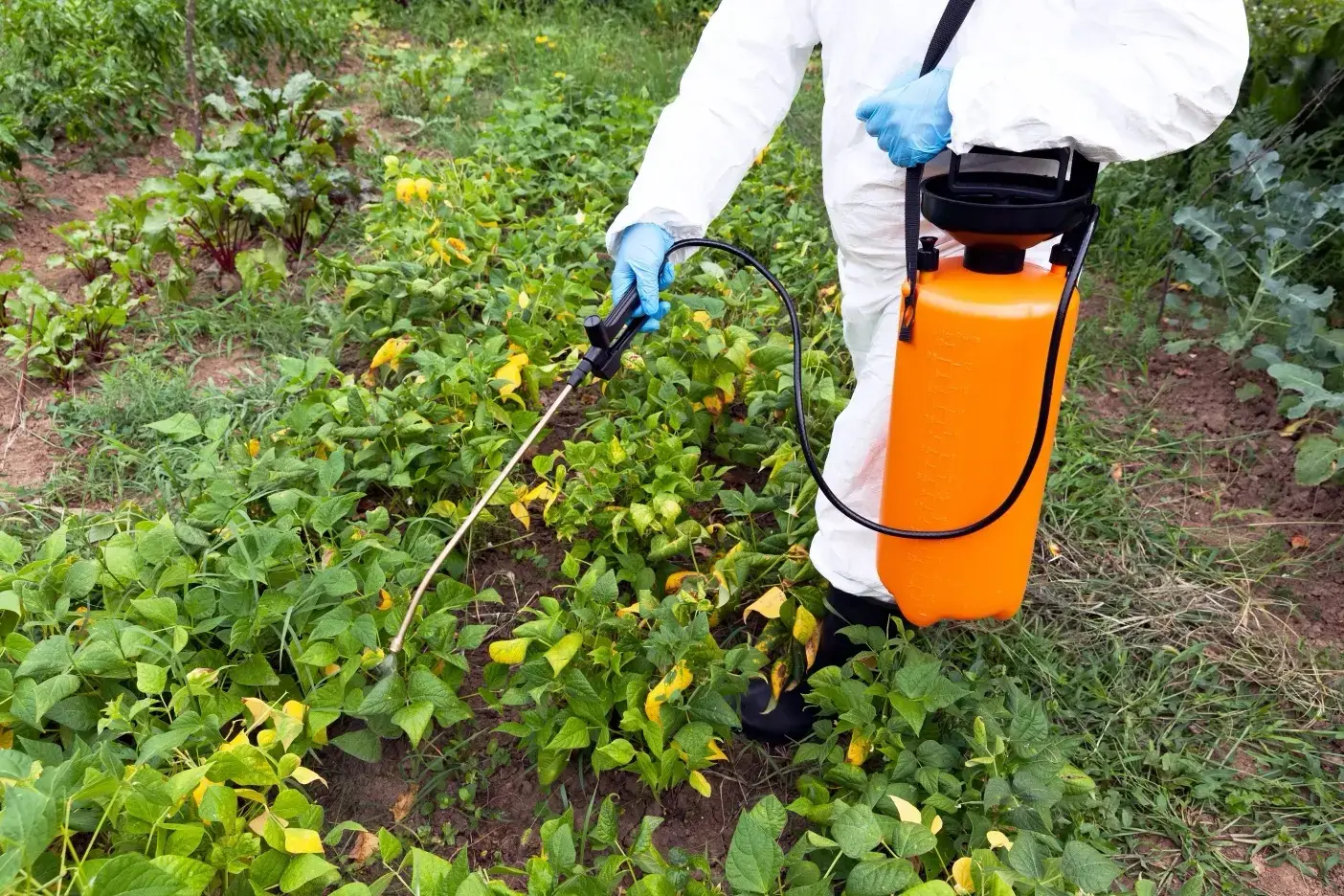
Wear long sleeves and long pants to cover your skin. Use gloves made from chemical-resistant materials. Boots that cover your ankles keep pesticides off your feet.
Choose clothing that fits well but is not too tight. This helps you move freely while staying protected.
- Long-sleeved shirts and long pants
- Chemical-resistant gloves
- Rubber or waterproof boots
- Hat to protect your head
Eye And Respiratory Protection
Wear safety goggles to protect your eyes from splashes. Use a mask or respirator to avoid breathing in pesticide spray or dust.
Make sure your goggles fit tightly and your mask is made for pesticide use. This stops harmful chemicals from entering your body.
- Safety goggles or face shield
- Respirator or dust mask with filters
- Check gear for damage before use
Handling And Storage Precautions
Keep pesticides in their original containers with labels. Store them in a cool, dry place away from children and pets.
Clean your sprayer and safety gear after each use. Dispose of leftover pesticides safely according to instructions.
- Store pesticides in locked cabinets
- Keep away from food and water
- Clean equipment and gear after use
- Follow local rules for disposal
Maintaining Your Sprayer
Keeping your garden sprayer in good shape helps it work well every time.
Simple maintenance tasks can extend the life of your sprayer and keep it safe to use.
Post-use Cleaning
Clean your sprayer right after use to stop chemicals from clogging the parts.
- Empty any leftover pesticide safely.
- Rinse the tank and hose with clean water.
- Spray clean water through the nozzle to clear it.
- Wipe the outside of the sprayer to remove residue.
Regular Inspections
Check your sprayer often to find problems early and fix them.
| Part | What to Check | How Often |
| Nozzle | Clogs, cracks, spray pattern | Before each use |
| Hose | Leaks, cracks, wear | Monthly |
| Tank | Cracks, cleanliness | After every use |
| Seals and gaskets | Wear and tear | Monthly |
Storage Tips
Store your sprayer in a dry place to keep it safe and ready to use.
- Drain all water and chemicals before storing.
- Keep the sprayer away from sunlight and cold.
- Store with the lid off to avoid bad smells.
- Hang or place the sprayer where it won’t be damaged.
Credit: brewerint.com
Troubleshooting Common Issues
Using a garden sprayer for pesticides can have some common problems. Fixing these issues quickly helps keep your plants safe.
Here are simple tips to handle clogged nozzles, pressure loss, and leaking parts in your sprayer.
Clogged Nozzles
Nozzles can get blocked by dried pesticide or dirt. This stops the spray from working well.
Remove the nozzle and soak it in warm water. Use a soft brush or toothpick to clear any dirt.
- Always clean nozzles after use
- Use filtered water to avoid dirt
- Check nozzle size matches pesticide type
Pressure Loss
Low pressure makes the spray weak or uneven. This reduces pesticide coverage on plants.
Check if the pump is working well. Tighten all seals and valves to stop air leaks.
- Keep the pump clean and oiled
- Replace worn seals or gaskets
- Fill the tank with enough liquid
Leaking Components
Leaks waste pesticide and can harm the environment. Look for wet spots on the tank or hose.
Tighten loose parts. Replace cracked hoses or broken fittings immediately.
- Check all connections before spraying
- Store sprayer in a dry place
- Inspect parts regularly for cracks

Credit: www.petratools.com
Frequently Asked Questions
How Do I Choose The Right Garden Sprayer For Pesticides?
Select a sprayer based on garden size and pesticide type. Consider capacity, spray pattern, and pressure control for effective application.
What Safety Gear Should I Wear When Using A Garden Sprayer?
Always wear gloves, goggles, long sleeves, and a mask to protect skin, eyes, and lungs from pesticides during spraying.
How Do I Properly Mix Pesticides In A Garden Sprayer?
Follow label instructions exactly. Use clean water, measure chemicals precisely, and mix thoroughly to ensure even pesticide distribution.
When Is The Best Time To Spray Pesticides In The Garden?
Spray early morning or late afternoon to avoid wind and heat. This reduces drift and improves pesticide effectiveness.
Conclusion
Using a garden sprayer for pesticides can keep plants healthy. Always wear protective gear to stay safe. Measure the pesticide carefully before mixing. Spray evenly to cover all plant areas. Clean the sprayer after every use to avoid clogs. Store pesticides in a cool, dry place away from children.
Regular care and proper use help your garden thrive. Small steps lead to big results. Keep your garden green and pest-free with these tips.