
If you’ve ever struggled with hanging a picture perfectly straight or ensuring that your tiles align just right, you’re not alone. A laser level can be your best friend in achieving precision and accuracy in these tasks, whether you’re a DIY enthusiast or a seasoned professional.
This guide will walk you through everything you need to know about using a laser level effectively. Imagine the satisfaction of completing your projects with flawless precision, saving time and effort. With the right knowledge, you can transform daunting tasks into simple, enjoyable experiences.
Ready to master the art of perfection with a laser level? Let’s dive in and unlock the secrets to making your projects easier and more successful!
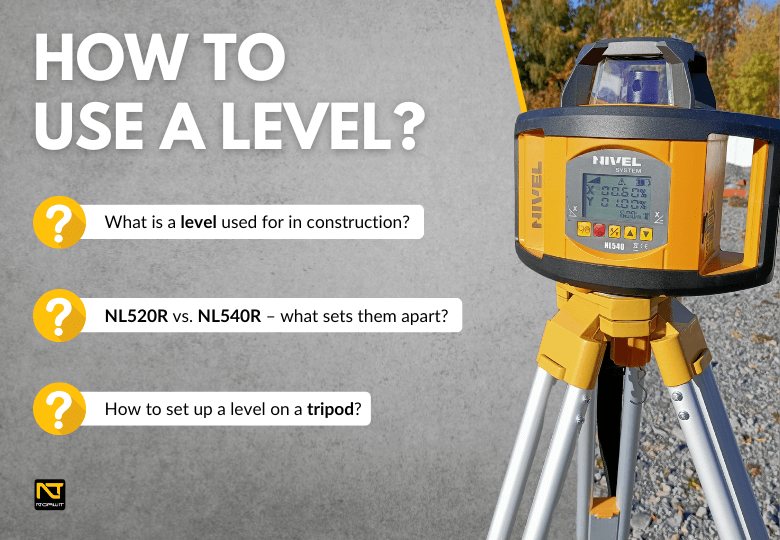
Credit: www.norwit.pl
Choosing The Right Laser Level
Using a laser level makes your work more accurate and faster. Picking the right one helps you get better results.
This guide explains different types of laser levels and what features to look for. It also talks about balancing cost and function.
Types Of Laser Levels
There are several types of laser levels. Each type fits certain tasks better than others.
- Line Laser Levels:Project straight lines for leveling walls and pictures.
- Rotary Laser Levels:Spin 360 degrees to level large areas outdoors.
- Dot Laser Levels:Show points for layout and alignment tasks.
- Cross Line Laser Levels:Combine vertical and horizontal lines for squares and angles.
Key Features To Consider
Look for features that match your needs. Some features make work easier and more precise.
- Accuracy:Check how precise the laser is, usually in millimeters per meter.
- Range:Know how far the laser can project clearly.
- Self-Leveling:This helps the laser adjust itself automatically.
- Visibility:Bright lasers are easier to see in daylight.
- Mounting Options:Look for flexible mounting like tripods or wall mounts.
- Battery Life:Longer battery life means less interruption during work.
Budget Vs. Functionality
Think about how often and where you will use the laser level. This helps decide how much to spend.
Basic models cost less but offer fewer features. Advanced models cost more but work better for tough jobs.
| Budget | Functionality | Best For |
|---|---|---|
| Low | Simple lines, short range | Home use, small projects |
| Medium | Self-leveling, longer range | DIY projects, light professional work |
| High | Rotary, multiple modes, long range | Professional contractors, large jobs |

Credit: huepar.com
Setting Up Your Laser Level
Setting up a laser level correctly ensures accurate and efficient work. This guide covers key steps for proper setup.
Focus on preparing your space, mounting the device, and calibrating it before use. These steps help avoid errors.
Preparing The Work Area
Clear the area where you will use the laser level. Remove any obstacles that could block the laser beam.
- Clean the floor and surfaces
- Turn off bright lights that may hide the laser line
- Mark reference points if needed
- Ensure stable ground or surface for the tripod or stand
Mounting And Positioning
Place the laser level on a stable base like a tripod or flat surface. Position it near your work area for easy visibility.
| Mounting Option | Best Use |
| Tripod | Uneven or outdoor surfaces |
| Wall Mount | Fixed height and position |
| Flat Surface | Short jobs with steady ground |
Calibration Tips
Check the laser level’s calibration before starting. Proper calibration avoids inaccurate lines and measurements.
- Place the laser level on a flat surface or mount it securely.
- Turn on the device and let it self-level if it can.
- Use a known level reference to compare the laser line.
- Adjust the laser level screws or settings to correct the line.
- Repeat the check to confirm the calibration is accurate.
Using Laser Levels For Common Projects
Laser levels help you measure straight lines and angles easily. They make many home projects faster and more accurate.
This guide covers how to use laser levels for hanging pictures and shelves, installing cabinets and tiles, and outdoor landscaping and grading.
Hanging Pictures And Shelves
Use a laser level to create a perfect straight line on the wall. This helps you hang pictures or shelves evenly.
- Set the laser level at the height you want.
- Turn it on and aim the beam across the wall.
- Mark spots where you will place nails or screws.
- Double-check the line before hanging items.
Installing Cabinets And Tiles
Laser levels keep cabinets and tiles aligned. This ensures they look neat and fit well together.
| Task | Laser Level Use | Benefit |
| Cabinet Installation | Project laser line along wall | Ensures cabinets are level and flush |
| Tile Laying | Set laser line for each row | Keeps tiles straight and consistent |
Outdoor Landscaping And Grading
Laser levels help set the right slope and height for landscaping. This guides soil leveling and planting.
Here is a simple checklist to use a laser level outdoors:
- Place the laser level on a tripod or stable surface.
- Turn it on and align it to your project area.
- Mark the reference points for grading or planting.
- Check slopes by comparing heights at different spots.
- Adjust soil or materials to match the laser marks.
Maximizing Accuracy And Efficiency
Using a laser level correctly helps you get precise measurements. It saves time and reduces mistakes on your project.
Follow simple tips to improve how you use your laser level. This guide shows you how to work faster and more accurately.
Avoiding Common Errors
Errors often happen when the laser level is not set up right. Make sure the device is on a stable surface before starting.
Check that the laser beam is clear and not blocked by objects. Always double-check your measurements for better results.
- Place the laser level on a flat, steady base
- Keep the laser beam free from dust and obstacles
- Confirm the level is calibrated before use
- Use a target plate to see the laser line clearly
Maintaining Laser Level Performance
Regular care keeps your laser level working well. Clean the lens gently with a soft cloth to avoid scratches.
Store your laser level in its case to protect it from damage. Replace batteries before they run out to keep a strong beam.
- Clean the lens after every use
- Store in a dry, safe place
- Check battery life regularly
- Inspect for damage before use
Using Accessories For Better Results
Using the right accessories can help you get more from your laser level. Tripods keep the device steady and allow height adjustments.
Laser detectors help find the beam in bright light. Targets make the laser line easier to see on uneven surfaces.
- Tripods for stable positioning
- Laser detectors for long distances
- Target plates for clear laser lines
- Mounting brackets for fixed setups
Troubleshooting And Safety
Using a laser level helps you create accurate lines and measurements. It is important to know how to fix common problems and stay safe.
This guide covers how to handle malfunctions, protect your eyes, and follow safe handling practices.
Dealing With Malfunctions
If your laser level stops working or acts strange, check the batteries first. Weak batteries often cause problems.
Clean the laser lens gently. Dirt or dust can block the laser beam and cause errors.
- Replace old or low batteries with new ones
- Wipe the lens with a soft, dry cloth
- Make sure the device is on a stable surface
- Reset the laser level if it has a reset button
- Contact a professional if problems continue
Protecting Your Eyes
Laser beams can harm your eyes if you look directly at them. Always avoid staring into the laser beam.
Wear safety glasses designed for laser protection. These glasses help block harmful light rays.
- Never point the laser at people or animals
- Use laser safety glasses during operation
- Turn off the laser when not in use
- Keep the laser away from children
Safe Handling Practices
Handle your laser level with care to avoid damage and injury. Store it in a safe place when not in use.
Use the device on flat, stable surfaces. Keep it away from water and extreme temperatures.
- Hold the laser level firmly during use
- Use a tripod or stable mount if possible
- Keep the tool dry and clean
- Follow the manufacturer’s instructions
- Turn off and store the laser level after work
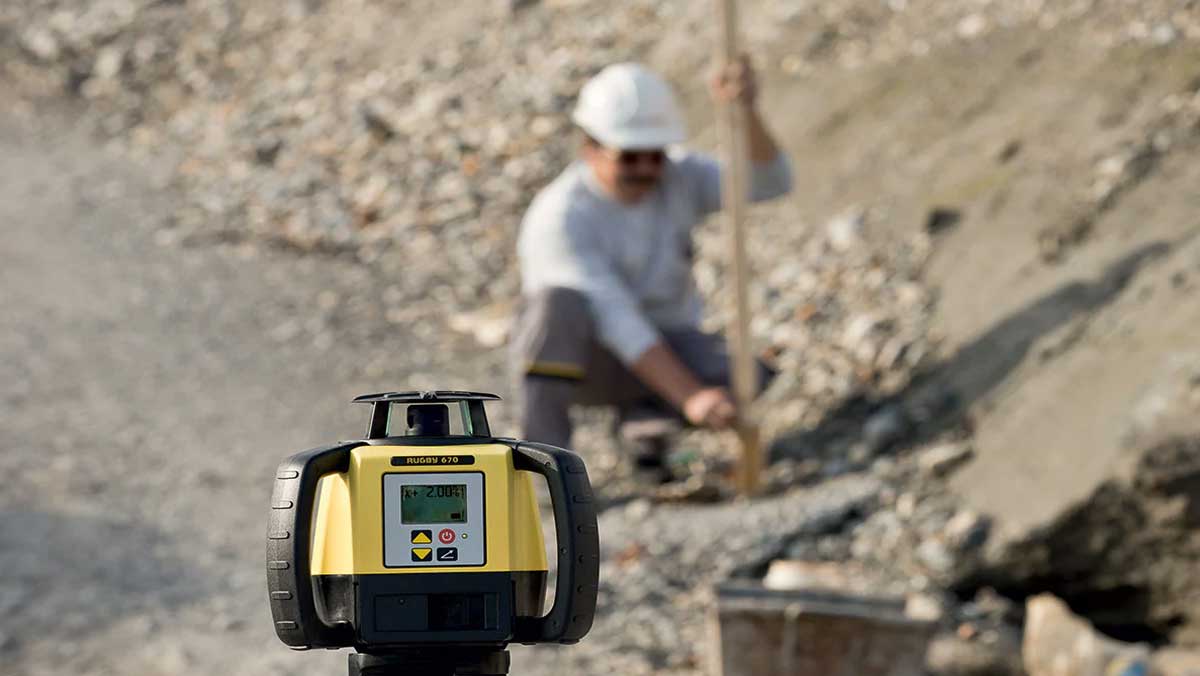
Credit: www.hkfloormach.com
Frequently Asked Questions
What Is A Laser Level Used For?
A laser level projects a straight, level line for accurate measurements. It helps in aligning objects, installing shelves, and tiling walls. It improves precision and speeds up tasks in construction and home projects.
How Do You Operate A Laser Level Correctly?
Place the laser level on a flat surface or tripod. Turn it on and adjust until the laser line is perfectly horizontal or vertical. Use the built-in bubble vial or self-leveling feature for accuracy.
Can Laser Levels Be Used Outdoors Effectively?
Yes, laser levels can be used outdoors with proper visibility tools. Using laser detectors or bright laser models improves outdoor performance, especially in bright sunlight or long distances.
What Safety Precautions Should I Take With Laser Levels?
Avoid direct eye exposure to the laser beam. Use protective eyewear if recommended. Keep the device away from children and follow manufacturer safety guidelines to prevent accidents.
Conclusion
Using a laser level makes projects easier and more accurate. It saves time and helps you get straight lines every time. Practice using it on small tasks first. This tool suits many jobs, from hanging pictures to building walls. Keep the laser level clean and store it safely.
With patience, your skills will improve quickly. Try it yourself and see the difference. Simple steps lead to better results. A laser level is a smart tool for any project.