Are you tired of searching through piles of power tools every time you start a project? Organizing your power tools by size might be the game-changer you need.
Imagine walking into your workshop and instantly finding the perfect tool for the job. This not only saves you time but also reduces frustration and helps you work more efficiently. You’ll discover practical tips to sort and store your tools so you can focus on what really matters – creating and building.
Stay tuned, because mastering the art of organization will transform your workspace and elevate your projects.

Credit: www.reddit.com
Benefits Of Organizing By Size
Organizing power tools by size helps keep your workspace neat. It makes your tools easy to find and use.
Grouping tools by size also protects them from damage. It saves time and effort in your projects.
Maximizing Workspace Efficiency
Sorting tools by size lets you use your space better. Large tools can go in one area, and small tools in another.
- Keep large tools in easy-to-reach spots
- Store small tools in drawers or bins
- Arrange tools so the most used are closest
- Use shelves and hooks to save floor space
Reducing Tool Damage
Tools stored by size avoid rubbing or banging into each other. This reduces scratches and wear.
| Tool Size | Storage Suggestion | Damage Risk |
|---|---|---|
| Small | Compartment boxes or drawers | Low |
| Medium | Wall-mounted racks | Medium |
| Large | Floor stands or heavy shelves | Low |
Simplifying Tool Access
Organizing by size makes it easier to find the right tool fast. You know exactly where each size group lives.
- Label storage areas by tool size
- Place frequently used sizes at eye level
- Keep a clear path to your tool storage

Credit: www.reddit.com
Sorting Tools Into Size Categories
Organizing power tools by size helps keep your workspace neat. It also makes finding the right tool easier and faster.
Sorting tools into small, medium, and large groups improves storage efficiency. Each size group needs different storage solutions.
Small Power Tools
Small power tools are easy to handle and store. They include items like drills, rotary tools, and small sanders.
Use small bins or wall racks to keep these tools organized. Label each spot to find tools quickly.
- Cordless drills
- Rotary tools
- Mini sanders
- Heat guns
Medium Power Tools
Medium power tools are bigger but still portable. Examples are circular saws, jigsaws, and medium-sized grinders.
Store these tools on sturdy shelves or in larger bins. Make sure there is enough space to access them easily.
- Circular saws
- Jigsaws
- Medium grinders
- Random orbital sanders
Large Power Tools
Large power tools are heavy and need special storage. Examples include table saws, large compressors, and floor sanders.
Place large tools on the floor or low shelves. Use wheels or handles to move them safely.
- Table saws
- Large air compressors
- Floor sanders
- Heavy-duty planers
Storage Solutions For Small Tools
Keeping small power tools organized saves time and space. Using the right storage helps you find tools quickly.
Choose storage options that fit your workspace and tool sizes. Good storage also protects your tools.
Drawer Inserts And Compartments
Drawer inserts keep small tools separated and easy to see. Compartments stop tools from moving around.
Use foam or plastic inserts that fit your drawer size. Label compartments to find tools faster.
- Foam inserts protect tools from scratches
- Plastic compartments can be customized for different tools
- Labels help keep tools in their place
Wall-mounted Racks
Wall racks save floor and drawer space. They keep small tools visible and easy to grab.
Choose racks with hooks or shelves designed for your tool sizes. Mount them near your workspace for convenience.
- Hooks hold tools with handles or holes
- Shelves fit small boxes or cases
- Magnetic strips work well for metal tools
Portable Cases
Portable cases keep small tools together and easy to carry. They protect tools from dust and damage.
Look for cases with adjustable compartments. Use foam padding inside for extra protection.
- Hard cases protect tools during travel
- Soft cases are lightweight and flexible
- Compartments inside keep tools organized
Organizing Medium-sized Tools
Medium-sized power tools can be tricky to store. They are too big for small boxes but too small for large shelves. Organizing them well saves space and keeps your workspace neat.
Choosing the right method helps you find tools quickly. It also protects your tools from damage and dust. Below are three ways to organize medium-sized tools effectively.
Shelving Units
Shelving units offer sturdy storage for medium-sized tools. Open shelves make tools easy to see and reach. You can place tools by type or frequency of use.
- Use adjustable shelves for different tool heights
- Label each shelf for easy identification
- Keep heavier tools on lower shelves for safety
- Leave space between tools to avoid scratching
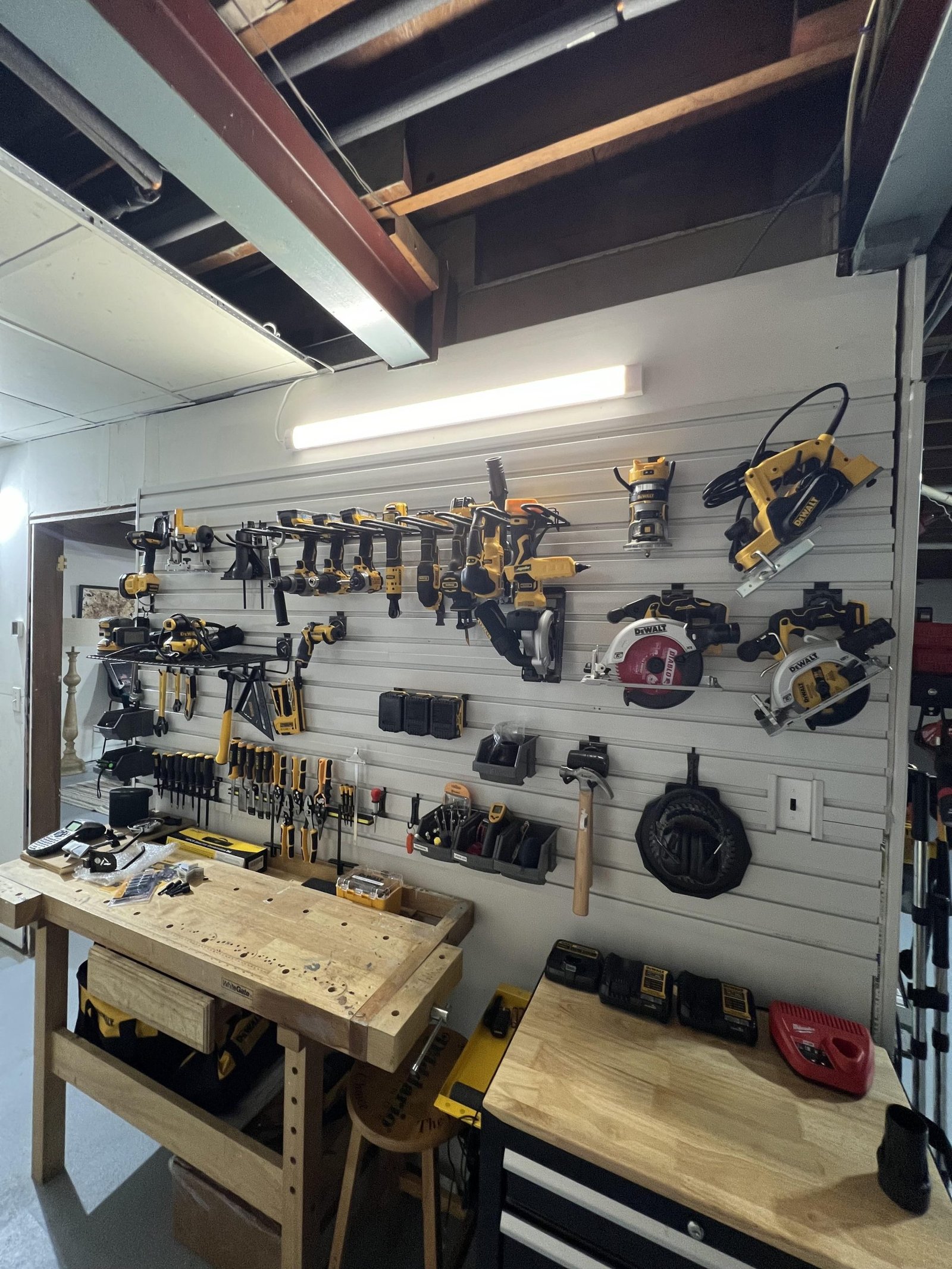
Pegboards With Hooks
Pegboards help keep tools visible and within reach. Hooks hold tools securely and can be moved as needed. This system is good for tools you use often.
| Tool Type | Hook Size | Placement |
| Drills | Large | Center Pegboard |
| Screwdrivers | Small | Left Side |
| Sanders | Medium | Right Side |
Stackable Bins
Stackable bins keep medium tools organized and dust-free. Clear bins let you see contents without opening. Use bins to sort tools by function or project.
- Label each bin with the tool type
- Stack heavier bins at the bottom
- Use bins with lids to keep dust out
- Place bins on shelves or in cabinets
Handling Large Power Tools
Large power tools take up a lot of space in your workshop. Organizing them by size helps keep your area safe and tidy.
Using the right storage options makes it easier to find and use these tools quickly.
Heavy-duty Cabinets
Heavy-duty cabinets hold big power tools safely. They protect tools from dust and damage.
Look for cabinets with strong shelves and lockable doors. This keeps tools secure and organized.
- Steel or metal cabinets are durable
- Adjustable shelves fit different tool sizes
- Locking doors prevent unauthorized access
Floor Stands And Carts
Floor stands keep large tools off the ground. They help you move tools easily around your workspace.
Carts with wheels offer mobility. You can bring your tools close to your work area quickly.
- Choose sturdy stands to hold heavy weight
- Look for carts with locking wheels for safety
- Use carts with shelves for extra storage
Custom Built Storage
Custom built storage fits your tools perfectly. You can design shelves and racks to suit your needs.
This option uses all available space well. It keeps tools easy to reach and well organized.
- Build shelves to fit tool sizes exactly
- Add hooks or slots for cords and accessories
- Use strong materials to support heavy tools
Space-saving Hacks
Power tools can take up a lot of room in your workspace. Organizing them by size helps save space.
Using smart storage ideas keeps your tools easy to find and your area clutter-free.
Vertical Storage Techniques
Storing power tools vertically uses wall space and frees up floor area. Hooks and pegboards work well for this.
Place larger tools at the bottom and smaller ones higher up for easy access and safety.
- Install pegboards on walls for hanging drills and saws
- Use heavy-duty hooks for bulky tools
- Label each spot to keep tools organized by size
Multi-functional Storage Furniture
Choose furniture that stores tools and also serves other purposes. Workbenches with built-in drawers save space.
Stackable bins or cabinets help separate tools by size and type while keeping your area tidy.
- Workbenches with shelves for small and medium-sized tools
- Stackable plastic bins for organizing by size
- Rolling carts to move tools easily around the workspace
Using Unused Spaces
Look for empty spaces like under stairs, above doors, or inside closets to store power tools.
Use small shelves or custom racks to fit tools in these spots without wasting space.
- Install shelves under stairs for large tools
- Add racks above doors for lightweight tools
- Use closet doors to hang small power tools
Maintenance Tips For Organized Tools
Keeping power tools organized helps you find them quickly. Proper maintenance keeps tools working well and lasting longer.
Organizing by size is helpful, but regular care is key. Clean, check, and lubricate your tools to keep them ready.
Regular Cleaning
Dust and dirt can harm power tools. Clean tools after each use to stop damage and rust.
Use a dry cloth or soft brush to remove debris. Avoid water unless the tool is water-resistant.
- Wipe off dust and dirt
- Use compressed air for tight spots
- Keep vents and cooling fans clean
- Dry tools fully before storing
Routine Inspections
Check your tools often for damage or wear. Early fixes prevent bigger problems later.
Look for loose parts, frayed cords, or cracks. Replace parts or repair tools if needed.
- Check power cords for cuts or frays
- Test switches and buttons for proper work
- Inspect blades and bits for dullness
- Ensure screws and bolts are tight
Proper Tool Lubrication
Lubricate moving parts to reduce friction and wear. Use the right oil or grease made for tools.
Apply lubrication as the manual says. Too much or too little can cause damage.
- Use light machine oil for small parts
- Grease gears and bearings as needed
- Clean old lubricant before adding new
- Wipe off extra oil to avoid dust buildup
Safety Considerations
Organizing power tools by size helps keep your workspace neat. It also improves safety by reducing accidents.
Safety is key when storing power tools. Follow these tips to protect yourself and others.
Secure Mounting
Mount power tools securely on walls or racks. This prevents them from falling and causing injuries.
Use strong hooks or brackets that fit the tool size. Check mounts regularly for wear or damage.
- Choose mounts that hold the tool tightly
- Keep heavy tools near the floor
- Label mounts by tool size for easy access
Safe Electrical Storage
Store power tools with cords neatly coiled. Avoid tangles that can cause trips or damage wires.
Keep cords away from moisture and heat. Use insulated containers or boxes to protect electrical parts.
- Unplug tools before storing
- Use cable ties or wraps for cords
- Inspect cords for cuts or frays before use
Childproofing Storage Areas
Keep power tools out of children’s reach. Use locked cabinets or high shelves for storage.
Teach children about tool dangers. Make sure storage areas stay closed and secure at all times.
- Use childproof locks on tool cabinets
- Store small parts and batteries safely
- Keep storage areas well-lit and organized
Diy Storage Projects
Organizing power tools by size helps keep your workspace neat. It also makes finding the right tool easier and faster.
Try these simple DIY storage ideas to sort your power tools. Use materials you already have or build custom solutions.
Building Custom Shelves
Custom shelves fit your space and tool collection perfectly. You can make shelves of different heights for large and small tools.
- Measure your tools by size before building.
- Use sturdy wood or metal for shelves.
- Add labels to shelf edges for quick identification.
- Include adjustable dividers to separate tool sizes.
- Paint shelves to protect wood from damage.
Creating Tool Holders
Tool holders keep your power tools in place and ready to use. You can create holders that fit each tool’s shape and size.
| Tool Type | Holder Idea | Material |
| Drills | Wall-mounted slots | Wood or plastic |
| Screwdrivers | Magnetic strip | Metal strip |
| Saws | Hanging hooks | Metal hooks |
| Sanders | Box with dividers | Wood |
Repurposing Household Items
Use old items around your home to store power tools. This saves money and reduces waste.
Try these ideas:
- Use an old wine rack to hold spray cans and small tools.
- Turn a shoe organizer into pockets for chargers and cords.
- Stack plastic crates for a modular tool shelf.
- Use mason jars to store drill bits and small parts.

Credit: www.ramblingrenovators.ca
Frequently Asked Questions
How Do I Sort Power Tools By Size Efficiently?
Start by grouping tools into small, medium, and large categories. Use labeled bins or shelves for each size. This method saves space and improves tool accessibility.
What Storage Solutions Work Best For Large Power Tools?
Heavy-duty shelving and sturdy cabinets are ideal for large tools. Ensure shelves can support weight and keep tools organized for quick access.
How Can I Maximize Space When Organizing Small Power Tools?
Use wall-mounted pegboards or small bins to store small tools. This keeps them visible and easy to reach, reducing clutter on work surfaces.
Why Is Organizing Power Tools By Size Important?
Organizing by size improves workspace efficiency and tool safety. It prevents damage and saves time when locating specific tools during projects.
Conclusion
Organizing power tools by size saves time and space. It helps you find tools quickly. Smaller tools fit neatly in drawers or bins. Larger tools need shelves or hooks for storage. Grouping tools by size keeps your workspace tidy. It also protects tools from damage.
A clear system makes work easier and faster. Try these tips to keep your tools in order. You will enjoy a clean and safe workshop. Simple steps can make a big difference. Start organizing today for better tool management.