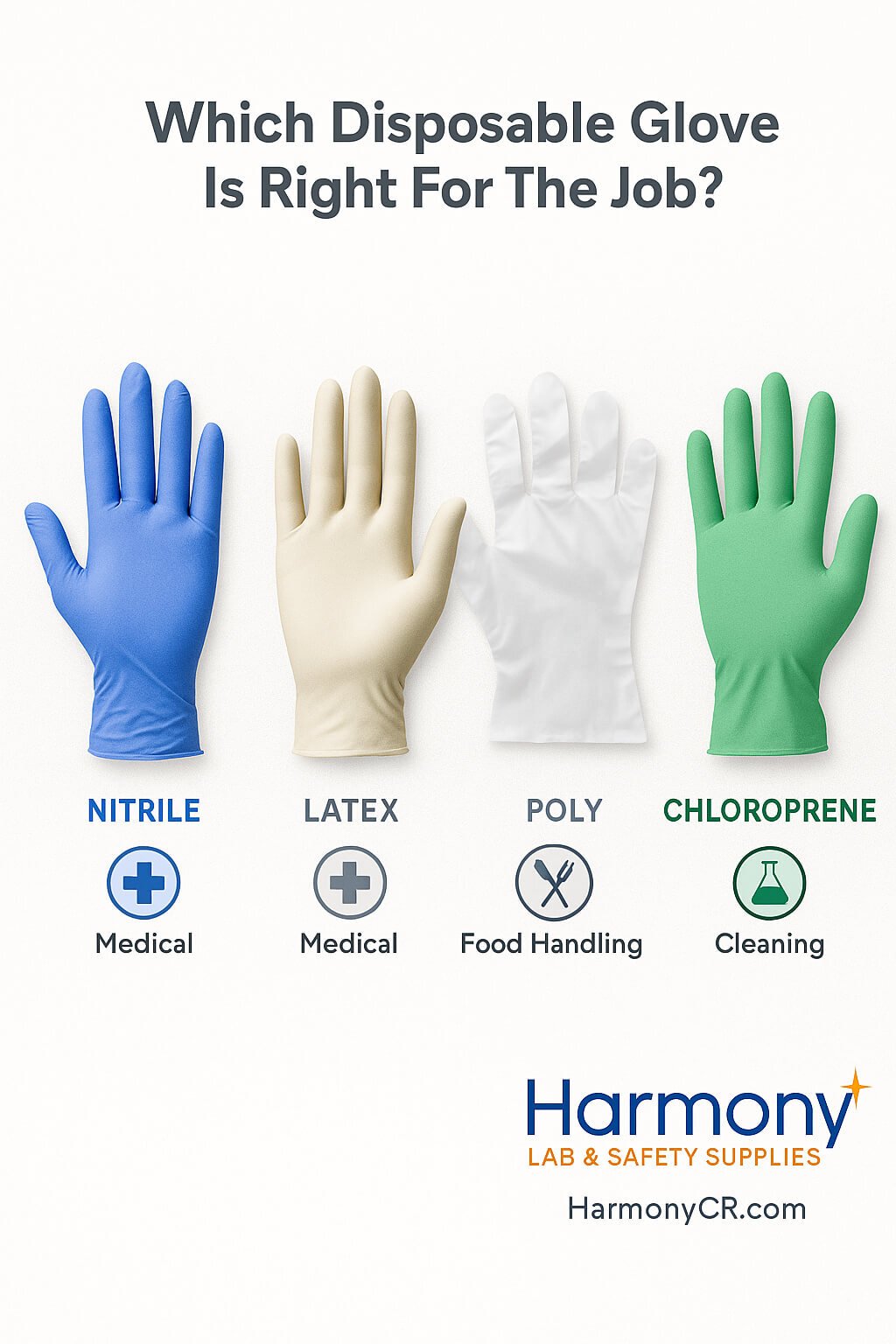
Choosing the right chemical-resistant gloves is crucial for your safety and well-being. Whether you work in a laboratory, a manufacturing plant, or handle chemicals at home, the right gloves can protect you from serious harm.
But with so many options available, how do you know which ones to choose? This guide will walk you through essential tips and insights to help you make the best decision. You’ll learn how to identify the right materials, understand glove ratings, and ensure a proper fit.
By the end of this article, you’ll feel confident and secure in selecting the perfect gloves to keep you safe. Stay with us, and let’s make safety your top priority.
Types Of Chemical-resistant Gloves
Chemical-resistant gloves protect your hands from harmful substances. Choosing the right type is important for safety.
Different gloves work better with different chemicals. Knowing the types helps you pick the best one.
Latex Gloves
Latex gloves are made from natural rubber. They offer good flexibility and comfort.
These gloves resist mild chemicals and biological hazards. They are not good with oils or solvents.
Nitrile Gloves
Nitrile gloves are made from synthetic rubber. They resist many chemicals better than latex.
These gloves protect against oils, acids, and solvents. They are strong and puncture-resistant.
- Good for oil handling
- Resist acids and bases
- Durable and flexible
Neoprene Gloves
Neoprene gloves offer good chemical resistance and flexibility. They protect against acids and alcohols.
These gloves are also good for handling oils and some solvents. They last longer than latex.
- Protect from acids and alcohols
- Resist oils and solvents
- Flexible and durable
Butyl Rubber Gloves
Butyl rubber gloves resist gases and strong chemicals. They protect well against ketones and esters.
These gloves prevent chemical vapor penetration. They are softer and more flexible than some other gloves.
- Resist gases and vapors
- Protect from ketones and esters
- Soft and flexible
Pvc Gloves
PVC gloves resist acids, bases, and alcohols. They are good for many industrial chemicals.
These gloves are less flexible but very tough. They work well in wet or oily conditions.
- Resist acids and bases
- Handle alcohols safely
- Tough and durable
Assessing Chemical Hazards
Choosing the right chemical-resistant gloves starts with knowing the hazards. This helps keep hands safe from harm.
Understanding the chemicals and how you might touch them guides your glove choice.
Identifying Chemicals Used
Know the names of chemicals you handle. Check labels, safety sheets, or ask your supervisor for details.
Each chemical can affect gloves differently. Some break down gloves fast, others do not.
Evaluating Exposure Levels
Think about how much chemical you touch and how often. Short contact or spills need different gloves than long work hours.
- Is the chemical sprayed or splashed?
- Do you handle it with dry or wet hands?
- How long is each contact time?
- Is exposure constant or occasional?
Considering Chemical Concentration
Stronger chemical solutions can damage gloves faster. Lower concentrations may need less resistant gloves.
| Chemical Concentration | Glove Resistance Needed |
| High (above 50%) | High resistance, thick material |
| Medium (10% to 50%) | Medium resistance, moderate thickness |
| Low (below 10%) | Basic resistance, thinner gloves |
Material Compatibility
Selecting the right chemical-resistant gloves depends on how well the glove material matches the chemicals used. Material compatibility ensures safety and glove durability.
Understanding key factors like chemical permeation rates and material strengths helps you pick gloves that protect your skin effectively.
Chemical Permeation Rates
Chemical permeation rate shows how fast a chemical passes through glove material. Lower rates mean better protection.
- Check permeation data for each chemical
- Choose gloves with slow permeation rates for your chemicals
- Replace gloves as soon as permeation time ends
- Use gloves tested under relevant standards
Glove Material Strengths
Different materials resist chemicals and physical damage differently. Some work better for acids, others for solvents.
| Material | Best For | Limitations |
|---|---|---|
| Nitrile | Oils, solvents | Less resistant to strong acids |
| Butyl | Gas and ketones | Lower abrasion resistance |
| Neoprene | Acids, caustics | Not suitable for strong solvents |
| Latex | Water-based chemicals | Allergic reactions possible |
Avoiding Material Degradation
Gloves can weaken or break down if exposed to incompatible chemicals or heat. Avoid degradation to keep safe.
- Store gloves away from sunlight and heat
- Rinse gloves after chemical exposure if safe
- Replace gloves at first sign of damage
- Choose materials that resist your specific chemicals

Credit: www.safetyandhealthmagazine.com
Glove Thickness And Length
Choosing chemical-resistant gloves means thinking about thickness and length. These factors affect safety and comfort. The right gloves keep your hands safe without stopping your work.
Thicker gloves protect better but can reduce hand movement. Longer gloves cover more skin but may feel bulky. Balance is key to find gloves that fit your needs.
Balancing Dexterity And Protection
Glove thickness affects how well you can move your fingers. Thin gloves let you work with small tools or parts. Thick gloves offer more protection but limit finger movement.
- Thin gloves: better for detailed tasks, less chemical resistance
- Medium thickness: good mix of protection and dexterity
- Thick gloves: best for strong chemicals, less finger control
Choosing Appropriate Glove Length
Long gloves protect your wrists and lower arms from splashes. Short gloves cover just your hands and are easier to wear. The right length depends on your work environment.
| Glove Length | Protection Area | Best For |
| Short (up to wrist) | Hands only | Light chemical use, easy tasks |
| Medium (past wrist) | Hands and wrists | General chemical handling |
| Long (up to elbow or more) | Hands, wrists, and forearms | High risk of splashes or immersion |
Proper Glove Fit
Choosing chemical-resistant gloves means selecting the right fit. Gloves that fit well protect better and feel comfortable.
Proper fit also helps you move your hands easily while working safely with chemicals.
Measuring Hand Size
Measure your hand to find gloves that fit perfectly. Use a flexible tape to get two key sizes.
- Measure around the widest part of your palm, just below the knuckles.
- Measure the length from the tip of your middle finger to the base of your palm.
Compare these numbers with the glove size chart to pick the correct size. Wrong sizes can cause discomfort or leaks.
Ensuring Comfort And Mobility
Comfort and hand movement are key. Gloves must not be too tight or too loose.
| Fit Type | Effect |
| Too Tight | Reduces circulation and causes hand fatigue |
| Too Loose | May cause slips and reduce dexterity |
| Proper Fit | Provides comfort and allows easy hand movement |
Try gloves on before buying. Move your fingers and hands to check for ease and comfort.

Credit: www.intcoglove.com
Inspection And Maintenance
Chemical-resistant gloves protect your hands from harmful substances.
Regular inspection and care keep gloves safe and effective.
Checking For Damage
Look closely at gloves before every use to find tears or holes.
- Check for cracks or thinning areas
- Feel for sticky or stiff spots
- Look for discoloration or swelling
- Inspect seams and cuffs carefully
Cleaning And Storage Tips
Cleaning gloves after use extends their life and keeps them safe.
| Cleaning Step | Details |
| Rinse | Wash gloves with water to remove chemicals |
| Mild Soap | Use gentle soap if needed, avoid harsh cleaners |
| Dry | Air dry gloves away from sunlight and heat |
| Storage | Store in cool, dark place away from chemicals |
Replacement Guidelines
Replace gloves if damage or wear appears or after heavy use.
- Discard gloves with tears, holes, or cracks
- Replace gloves if chemical exposure causes swelling
- Change gloves if they become stiff or sticky
- Follow manufacturer’s recommended replacement time
Compliance And Standards
Choosing the right chemical-resistant gloves means following safety rules. Gloves must meet certain standards to protect workers well.
Understanding these rules helps you pick gloves that keep hands safe from harm.
Relevant Safety Certifications
Safety certifications show that gloves passed tests for chemical resistance. These marks ensure gloves work as claimed.
- EN 374: European standard for chemical protection.
- ANSI/ISEA 105: American standard for glove performance.
- ISO 374: International standard for protective gloves.
- ASTM D6978: Standard for chemotherapy drug resistance.
Look for these certifications on glove packaging before buying.
Regulatory Requirements
Regulations require employers to provide safe gloves for workers exposed to chemicals. These rules protect workers’ health.
| Region | Regulation | Requirement |
| USA | OSHA 1910.138 | Gloves must protect from hazards. |
| Europe | REACH | Use gloves safe for chemicals used. |
| Canada | WHMIS | Employers must provide proper PPE. |
| Australia | Safe Work Australia | Gloves must meet safety standards. |
Check local laws to ensure glove compliance. This keeps workers and workplaces safe.
Additional Safety Measures
Wearing chemical-resistant gloves is important for safety. You should also take extra steps to protect your hands and skin.
Using more than one safety method can reduce risks. Learn how to use double gloves and combine gloves with other gear.
Using Double Gloves
Double gloves add an extra layer of protection. If the outer glove tears, the inner glove still protects your skin.
- Wear one glove inside another for better safety.
- Use gloves made of different materials to cover more chemicals.
- Check both gloves regularly for holes or damage.
- Remove gloves carefully to avoid skin contact.
Combining Gloves With Other Ppe
Gloves work best with other personal protective equipment (PPE). This helps protect your whole body from chemicals.
| Type of PPE | Purpose | Example |
| Gloves | Protect hands | Chemical-resistant gloves |
| Goggles | Protect eyes | Safety goggles |
| Apron | Protect body and clothes | Chemical-resistant apron |
| Respirator | Protect lungs | Air-purifying respirator |

Credit: www.envirosafetyproducts.com
Frequently Asked Questions
What Are The Best Materials For Chemical-resistant Gloves?
The best materials include nitrile, neoprene, and butyl rubber. They offer excellent protection against various chemicals. Material choice depends on the specific chemical exposure and glove durability requirements.
How Do I Choose Gloves For Specific Chemicals?
Check the glove’s chemical resistance chart for the specific substance. Select gloves that resist permeation and degradation from that chemical. Always match glove type to the chemical hazard for maximum safety.
How Important Is Glove Thickness In Chemical Resistance?
Thicker gloves generally provide better chemical resistance and durability. However, thicker gloves may reduce dexterity. Balance thickness with the need for protection and ease of movement.
Can Reusable Gloves Be Chemical-resistant?
Yes, many reusable gloves are designed for chemical resistance. Look for gloves labeled as reusable with proper certifications. Proper cleaning and maintenance extend their protective lifespan.
Conclusion
Choosing the right chemical-resistant gloves keeps your hands safe. Check the glove material carefully for the chemicals you handle. Fit and comfort matter for long use. Replace gloves if they show any damage or wear. Always follow safety guidelines to avoid accidents.
Good gloves protect your skin and improve work safety. Remember, safety starts with the right gear. Stay alert and choose wisely every time.