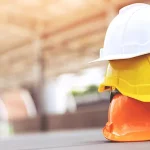
Choosing the right hard hat for a construction site can be a daunting task. With so many options available, how do you ensure you’re making the safest choice?
Your safety—and that of your team—is on the line, and the right hard hat can make all the difference. Think of it as your personal shield, protecting you from unexpected dangers. But not all hard hats are created equal. Some provide better protection against impact, while others are designed for comfort during long hours of wear.
Are you confident in picking the right one? This guide is here to help you make an informed decision, ensuring your safety and peace of mind on the job. Discover what factors to consider, the latest innovations in hard hat technology, and how to choose the perfect fit for your needs. Dive in, and equip yourself with the knowledge to stay safe and secure.
Types Of Hard Hats
Hard hats protect workers on construction sites. They prevent head injuries from falling objects.
Choosing the right hard hat depends on its type. Different types offer different protections and features.
Classifications And Ratings
Hard hats have classes based on electrical protection. These classes help you pick the right hat for your job.
Ratings show the level of impact resistance and insulation. Look for these ratings before buying a hard hat.
- Class G (General) protects against low-voltage electrical hazards
- Class E (Electrical) protects against high-voltage electrical hazards
- Class C (Conductive) offers no electrical protection but is lightweight
Material Differences
Hard hats are made from different materials. Each material has its own strengths and weaknesses.
Common materials include plastic and fiberglass. The choice affects durability and comfort.
- High-density polyethylene (HDPE) is lightweight and strong
- Fiberglass offers high heat resistance
- Polycarbonate is impact-resistant and clear options are available
Design Variations
Hard hats come in different designs. Design affects comfort and protection level.
Some designs offer extra features like ventilation or face shields. Choose one that fits your work needs.
- Full brim hats protect from sun and rain
- Cap style hats are lighter and more compact
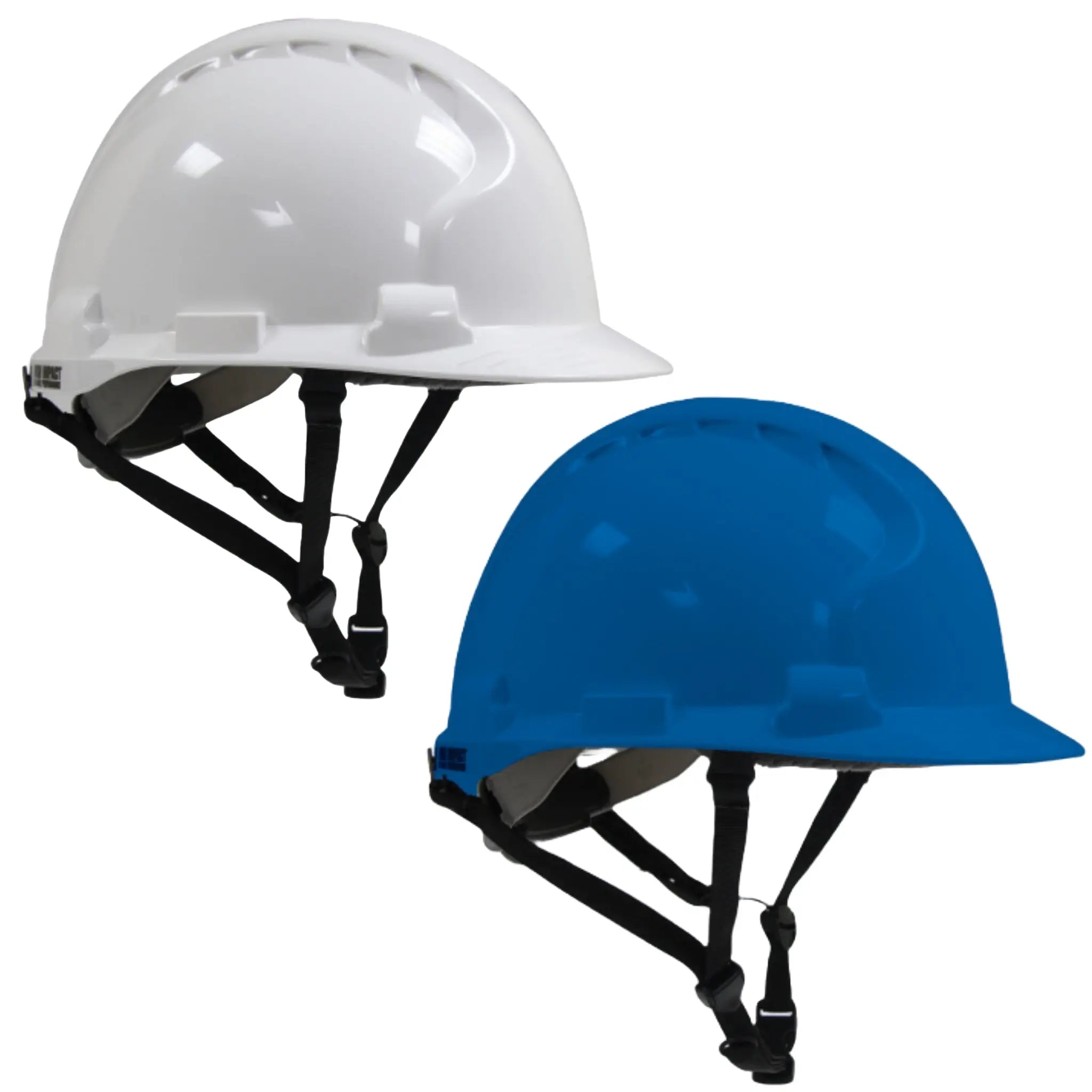
- Vented hats help keep the head cool
- Hats with slots allow attaching accessories
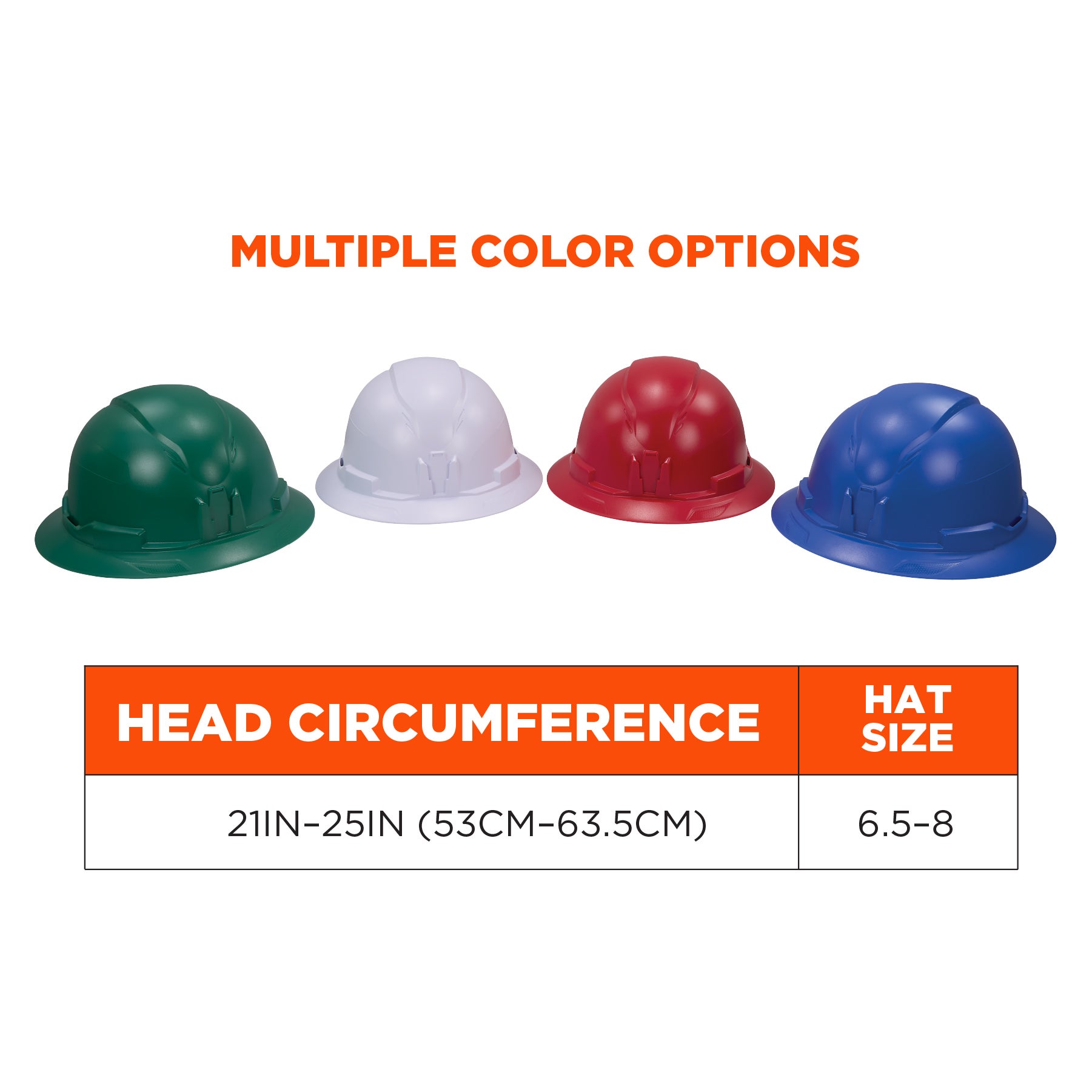
Credit: www.ergodyne.com
Key Safety Features
Choosing the right hard hat is vital for safety on construction sites. It protects your head from injuries and hazards.
This guide explains important safety features to look for in a hard hat. These features help keep workers safe.
Impact Resistance
Impact resistance protects your head from falling objects and bumps. Hard hats must meet strict safety standards.
The helmet shell is made from strong materials like high-density polyethylene. This helps absorb shock and reduce injury.
- Look for ANSI or OSHA certification
- Check the helmet’s shell thickness
- Choose hard hats tested for high impact
Electrical Protection
Some hard hats protect against electrical shocks and burns. This is important near live wires or electrical equipment.
Hard hats have different classes for electrical protection. Choose the right class based on your work environment.
- Class G: General protection up to 2,200 volts
- Class E: Electrical protection up to 20,000 volts
- Class C: No electrical protection
Suspension Systems
The suspension system inside the hard hat keeps it secure and comfortable. It absorbs impact and fits your head well.
Good suspension reduces pressure points and helps prevent the hat from falling off during work.
- Look for adjustable straps and headbands
- Choose systems with cushioning for comfort
- Ensure suspension fits your head size
Comfort And Fit
Choosing the right hard hat is important for safety on construction sites. Comfort and fit help workers wear the hat all day.
A hard hat that fits well reduces headaches and distractions. It also keeps the hat secure during work.
Adjustable Straps
Adjustable straps let you change the size of the hard hat. This helps fit different head shapes and sizes.
Look for straps that are easy to adjust and stay tight. A good strap keeps the hat from moving or falling off.
- Ratchet straps provide quick size changes
- Pinlock straps offer secure fitting
- Chin straps add extra stability
Ventilation Options
Ventilation helps air flow inside the hard hat. This lowers heat and sweat build-up.
Choose hard hats with vents if you work in hot conditions. Some vents can close to protect from rain or debris.
- Top vents improve air circulation
- Side vents help cool the head
- Some hats have adjustable vents
Weight Considerations
Lighter hard hats cause less neck strain during long shifts. Heavy hats can be uncomfortable and tiring.
Balance weight with protection level. Some materials offer strong protection with less weight.
- Polyethylene hats are lightweight and durable
- Fiberglass hats are strong but heavier
- Check the hat’s weight before buying
Certifications And Standards
Choosing the right hard hat is essential for safety on construction sites. Certifications and standards show that a hard hat meets safety rules. This guide explains key certifications to look for.
Understanding these standards helps workers and supervisors pick the best protection. Each certification has rules about design, materials, and testing.
Osha Requirements
The Occupational Safety and Health Administration (OSHA) sets rules for workplace safety in the U.S. OSHA requires all hard hats to meet certain impact and electrical protection standards.
- Hard hats must be tested for shock absorption.
- They should protect against falling objects.
- Hard hats must fit securely and stay on during work.
- Workers must replace damaged or worn hats.
Ansi Standards
The American National Standards Institute (ANSI) sets detailed rules for hard hats. ANSI classifies hard hats by types and classes based on protection levels.
| Type | Purpose | Class | Electrical Protection |
| Type I | Top impact protection | Class G | General, up to 2,200 volts |
| Type I | Top impact protection | Class E | Electrical, up to 20,000 volts |
| Type I | Top impact protection | Class C | No electrical protection |
| Type II | Top and lateral impact protection | Class G | General, up to 2,200 volts |
| Type II | Top and lateral impact protection | Class E | Electrical, up to 20,000 volts |
| Type II | Top and lateral impact protection | Class C | No electrical protection |
International Regulations
Many countries have their own rules for hard hats. These rules often match or follow international safety guidelines. Common standards include the European EN 397 and Canadian CSA Z94.1.
- EN 397:European standard for shock and penetration resistance.
- CSA Z94.1:Canadian standard covering impact and electrical protection.
- Other countries may have unique marks or tests for certification.
- Check local laws to ensure compliance on job sites.
Maintenance And Replacement
Hard hats protect workers on construction sites. Proper care keeps them safe and strong. Regular maintenance helps spot damage early. Replacement ensures helmets work well.
Knowing how to inspect and clean your hard hat is important. You should also know when to replace it. This guide helps keep you safe every day.
Inspection Tips
Check your hard hat before each use. Look for cracks, dents, or holes on the shell. Inspect the suspension system inside for tears or wear. Make sure all parts fit well and work properly.
- Look for cracks or splits in the shell
- Check the suspension straps for fraying
- Test the fit and adjust if loose
- Ensure the chin strap is not damaged
- Replace parts that look worn or broken
Cleaning Guidelines
Clean your hard hat regularly to remove dirt and sweat. Use mild soap and warm water. Avoid strong chemicals or solvents that can weaken the material. Dry it in shade, not in direct sunlight.
- Use a soft cloth or sponge for cleaning
- Do not use bleach or harsh cleaners
- Rinse with clean water after washing
- Allow it to air dry completely
- Store your hard hat in a cool, dry place
When To Replace
Replace your hard hat after any serious impact. Even if no damage shows, the shell may be weaker. Replace it if you see cracks, dents, or deep scratches. Also, replace old hats as recommended by the manufacturer.
- After a heavy blow or fall
- If the shell is cracked or dented
- When suspension parts are broken
- If the hat is more than 5 years old
- If it shows signs of fading or brittleness

Credit: www.safetyandhealthmagazine.com
Additional Accessories
Hard hats protect workers from head injuries on construction sites. Accessories improve comfort and safety. They add useful features to hard hats.
Choosing the right accessories depends on the job and environment. This guide covers face shields, hearing protection, and chin straps.
Face Shields And Visors
Face shields attach to hard hats to protect the face from debris, sparks, and chemicals. Visors help shield eyes from dust and bright light. They come in different materials and sizes.
- Clear shields for full face visibility
- Tinted visors for sunlight protection
- Impact-resistant materials for safety
- Easy attachment to most hard hats
Hearing Protection
Construction sites can be noisy. Hearing protection helps prevent hearing loss. Some hard hats have slots for ear muffs or plugs.
| Type | Use | Features |
| Ear Muffs | Cover ears | Adjustable, cushioned |
| Ear Plugs | Insert in ear canal | Disposable, reusable |
| Built-in Protection | Integrated in hard hat | Hands-free, convenient |
Chin Straps
Chin straps keep hard hats on the head during movement or wind. They improve fit and prevent falling off.
Common chin strap types include:
- Adjustable straps for custom fit
- Quick-release buckles for safety
- Leather or nylon materials for comfort
Choosing Based On Job Needs
Choosing the right hard hat depends on the specific needs of the job site. Safety and comfort must match the working conditions.
Consider factors like the environment, the tasks you perform, and personal preferences to pick the best hard hat.
Environmental Factors
Work sites vary in temperature, weather, and hazards. These conditions affect the choice of hard hats.
- Use ventilated hard hats in hot climates to reduce heat buildup.
- Choose insulated hard hats for cold or wet conditions to keep workers warm and dry.
- Pick hats with UV protection if workers spend long hours in the sun.
- Consider hard hats resistant to chemicals or sparks for certain industrial sites.
Task-specific Requirements
Different jobs require special features in hard hats to protect from unique risks.
| Task Type | Recommended Hard Hat Feature |
| Electrical Work | Non-conductive, Class E hard hats |
| Welding | Heat-resistant with face shield attachment |
| High Impact Areas | High-density polyethylene shell |
| Working at Heights | Chin straps for secure fit |
Worker Preferences
Comfort and fit are important for all-day wear. Workers should have hard hats they feel good wearing.
Key factors to consider:
- Adjustable suspension for a snug fit
- Lightweight design to reduce neck strain
- Padding to improve comfort
- Colors or styles for easy identification
Credit: www.envirosafetyproducts.com
Frequently Asked Questions
What Type Of Hard Hat Is Best For Construction Sites?
The best hard hat depends on your site’s hazards. Class G is common for general impact, while Class E suits electrical risks. Always choose a hard hat with ANSI/ISEA certification for reliable protection on construction sites.
How Do I Choose The Right Hard Hat Size?
Measure your head circumference above the eyebrows. Use the hard hat’s adjustable suspension system for a snug fit. A proper size ensures comfort and safety, preventing the hat from slipping during work.
What Materials Are Hard Hats Made From?
Hard hats are usually made from high-density polyethylene (HDPE), fiberglass, or thermoplastic. These materials provide durability, impact resistance, and lightweight comfort, essential for long hours on construction sites.
How Often Should I Replace My Hard Hat?
Replace your hard hat every 5 years or after any significant impact. Exposure to sunlight and chemicals can degrade materials, reducing protection. Regular inspection ensures your hard hat remains safe and reliable.
Conclusion
Choosing the right hard hat keeps workers safe on site. Comfort and fit matter a lot. Pick a hat that meets safety standards. Look for features like impact resistance and ventilation. Remember, a good hard hat protects your head every day.
Stay alert and replace hats after damage. Safety starts with smart gear choices. Protect yourself with the best hard hat for your needs. Safety is simple when you choose well.