Are you tired of rummaging through cluttered shelves or chaotic toolboxes to find your cordless drill? Storing your tools properly not only saves you time but also extends their lifespan.
Imagine the satisfaction of knowing exactly where your drill is, without the frustration of tangled cords or misplaced chargers. By learning how to store cordless drills safely, you ensure your tools are always ready for action, and you protect your investment.
Dive into this guide to discover simple yet effective strategies that will transform your workspace into an organized haven. Keep reading to unlock the secrets of efficient tool storage and elevate your DIY game.
Credit: www.amazon.ca
Choosing The Right Storage Spot
Storing cordless drills properly keeps them safe and ready to use. Picking the right spot helps protect your tools from damage.
A good storage place prevents problems like rust, battery damage, and wear. It also makes it easy to find your drill when needed.
Avoiding Moisture And Extreme Temperatures
Moisture can cause rust and harm the drill’s electronic parts. Extreme heat or cold can damage the battery and reduce its life.
Choose a dry place with steady temperature. Avoid basements or garages that get very wet or cold in winter.
- Keep drills away from water sources
- Store in rooms with stable temperatures
- Use sealed containers if needed
Keeping Away From Direct Sunlight
Direct sunlight can heat the drill and battery. This may cause the battery to lose charge faster or get damaged.
Store your cordless drill in shaded or indoor areas. Avoid windows or spots with strong sun exposure.
- Place drills in cabinets or drawers
- Use storage boxes to block sunlight
- Keep away from south-facing windows
Selecting A Convenient Location
Pick a spot that is easy to reach. This helps you grab the drill quickly when working on projects.
Organize your storage area so drills do not get lost or damaged. Keep chargers and bits close to the drill.
- Use shelves or tool racks near your workspace
- Label storage spots for easy finding
- Keep all drill parts together
Preparing Your Drill For Storage
Storing your cordless drill properly keeps it working well. It helps avoid damage and extends its life.
Before you put the drill away, take some time to clean and check it carefully.
Cleaning And Drying The Drill
Remove dust and dirt from the drill using a soft brush or cloth. Wipe all surfaces gently to avoid scratches.
- Use a dry cloth to clean the exterior
- Brush away debris from vents and crevices
- Do not use water or cleaners that can cause rust
- Make sure the drill is completely dry before storing
Removing Or Charging The Battery
Always remove the battery from the drill before storage. This prevents leaks and damage to the tool.
If you plan to store the drill for a long time, charge the battery halfway. Store it in a cool, dry place.
Inspecting For Damage
| Part | What to Check | Action Needed |
|---|---|---|
| Chuck | Look for rust or loose grip | Clean or tighten if needed |
| Trigger | Test if it moves smoothly | Repair or replace if sticky |
| Casing | Check for cracks or damage | Do not use if cracked |
| Battery | Inspect for leaks or swelling | Dispose safely if damaged |
Storage Solutions For Cordless Drills
Keeping cordless drills safe and organized is important. Proper storage protects the tool and saves space.
There are several ways to store cordless drills. Choose the option that fits your needs and workspace.
Using Original Cases
Most cordless drills come with original cases. These cases are designed to hold the drill and accessories securely.
Original cases protect the drill from dust, moisture, and damage during transport. They also keep all parts together.
Employing Toolboxes And Organizers
Toolboxes and organizers help keep drills and accessories in one place. They are easy to carry and store.
- Choose a toolbox with padded compartments for extra protection.
- Use organizers with removable trays for small parts and batteries.
- Label compartments to find tools quickly.
- Keep chargers and drill bits together to avoid loss.
Custom Shelves And Wall Mounts
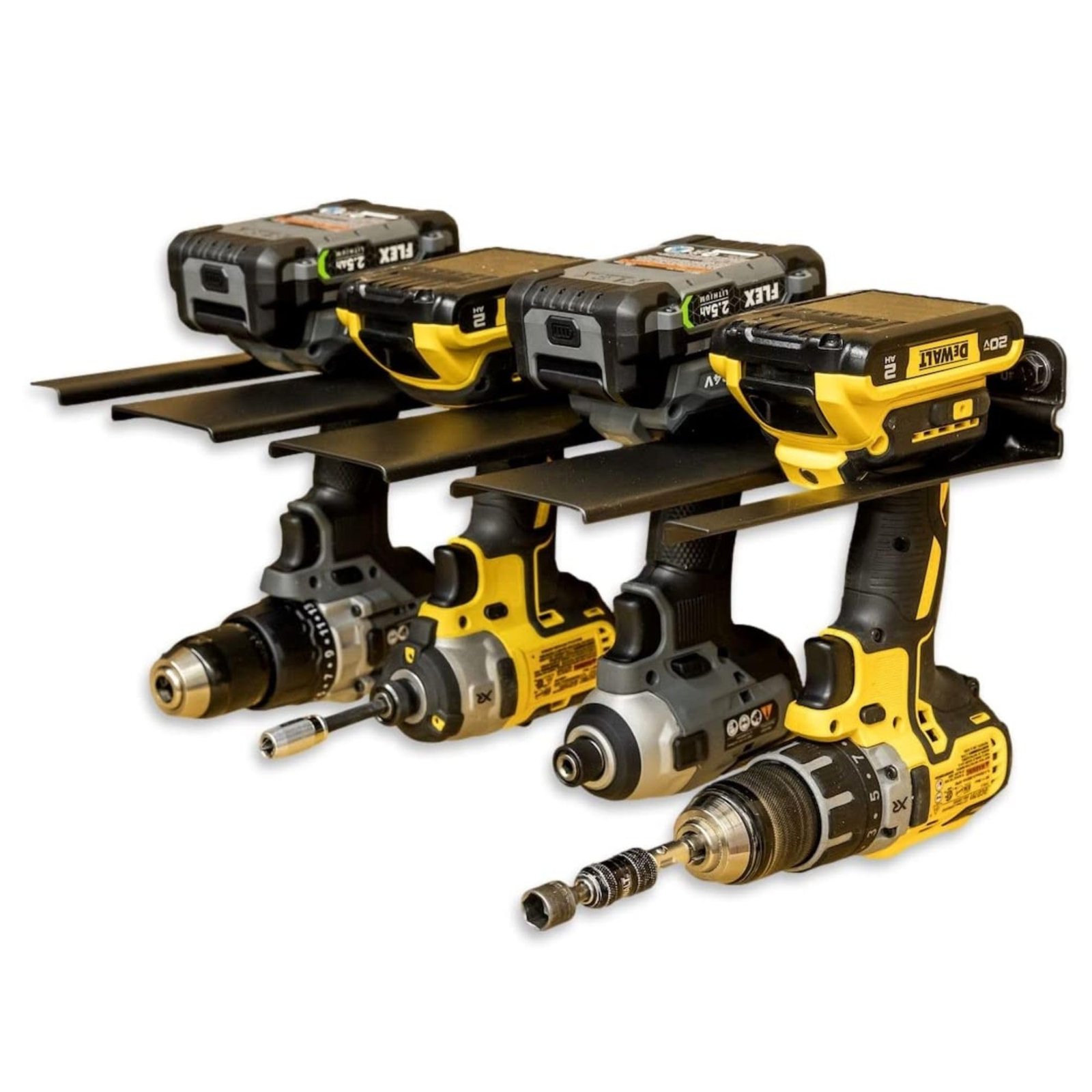
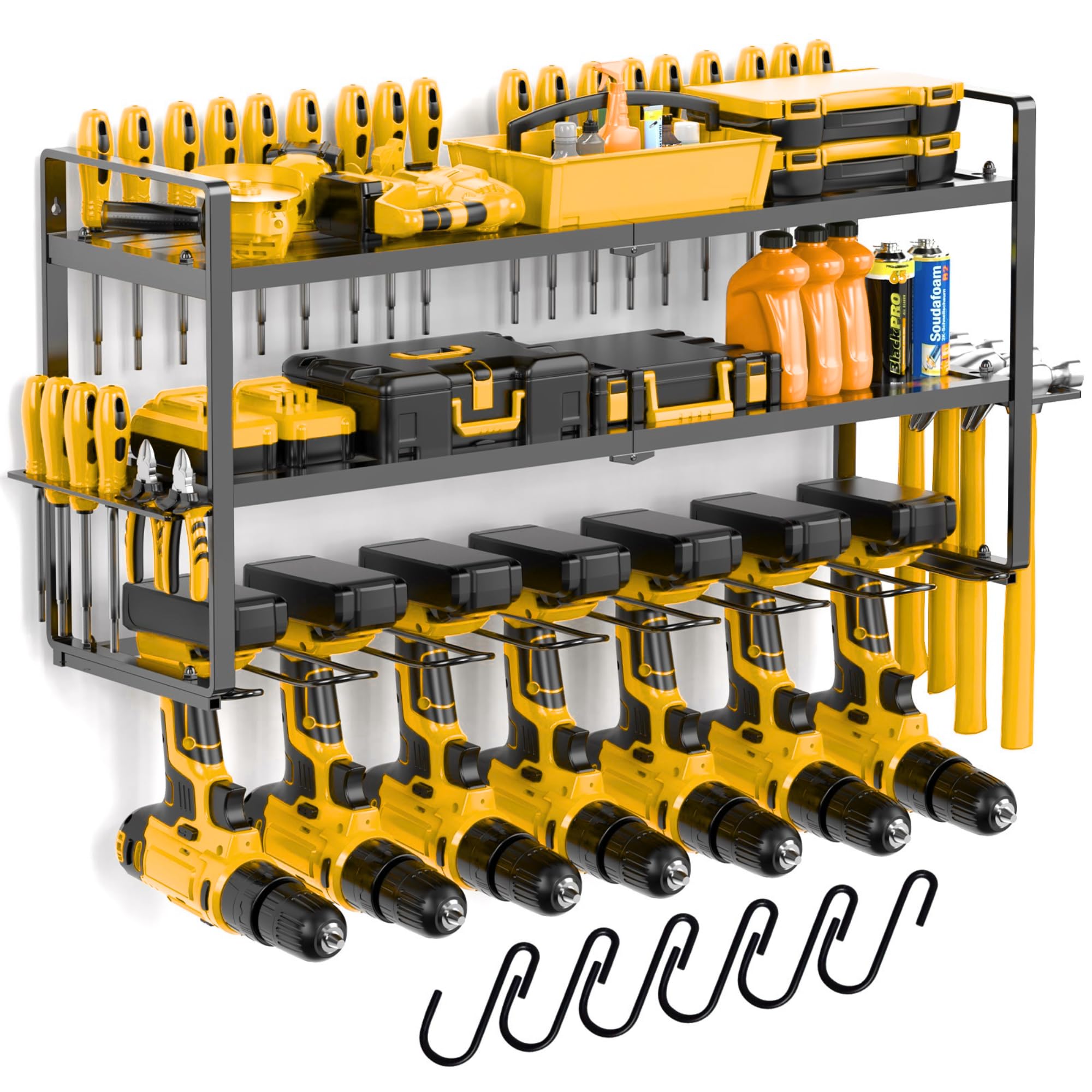
Custom shelves and wall mounts save floor space. They keep drills visible and easy to reach.
| Storage Type | Benefits | Considerations |
|---|---|---|
| Custom Shelves | Fits many drills, easy access | Needs space, may require installation |
| Wall Mounts | Saves floor space, keeps drills off surfaces | Must be mounted securely, drill weight limit |
Credit: www.quickresponsegaragecabinets.com
Battery Care Tips
Proper care of your cordless drill batteries helps keep them working well. It also makes sure they last longer. Follow simple tips to store and use batteries safely.
These tips cover how to store batteries, avoid overcharging, and extend their life. Taking small steps can protect your investment and keep your tools ready.
Best Practices For Battery Storage
Store batteries in a cool, dry place. Avoid places with high heat or moisture. Keep batteries away from metal objects to prevent short circuits.
- Remove batteries from the drill if not used for a long time
- Store batteries at about 40% charge for best results
- Use original battery cases or covers for protection
- Avoid storing batteries in extreme cold or heat
Avoiding Overcharging
Do not leave batteries on the charger after they are full. Overcharging can damage the battery and reduce its life. Use chargers with automatic shut-off features if possible.
- Plug in the battery charger only when needed
- Remove the battery once it reaches full charge
- Check batteries regularly during charging
- Use chargers designed for your specific battery type
Extending Battery Lifespan
| Tip | Reason |
| Keep batteries partially charged | Prevents deep discharge damage |
| Use batteries regularly | Keeps cells active and healthy |
| Avoid full discharges | Protects battery capacity |
| Store batteries properly | Reduces risk of damage from environment |
Safety Measures To Prevent Damage
Storing cordless drills safely helps keep them working longer. Proper storage stops damage and accidents.
Follow simple safety steps to protect your drill and those around you.
Securing The Drill To Prevent Falls
Keep your drill in a fixed spot to avoid falls. Falls can cause serious damage to the tool.
Use hooks, shelves, or cases made for drills. Make sure the drill is stable and won’t slip off.
- Use wall mounts or pegboards with secure hooks
- Place the drill in a padded case or box
- Store the drill upright on a shelf with a lip
Keeping Away From Children And Pets
Keep drills out of reach of children and pets. This prevents accidents and damage to the drill.
Store drills in locked cabinets or high shelves. Make sure the area is dry and safe.
- Use lockable storage boxes or tool chests
- Store drills in rooms children and pets cannot access
- Educate family members about drill safety
Regular Maintenance Checks
Check your drill regularly to find any problems early. Clean and inspect it before storing.
Look for loose parts, dirt, or battery issues. Fix small problems to avoid bigger damage.
- Wipe dust and debris off the drill
- Check battery charge and connections
- Tighten screws and parts if needed
- Store batteries separately if not used for long

Credit: www.amazon.com
Travel And Transport Tips
Carrying cordless drills safely during travel protects the tool and its parts. Proper storage reduces damage risks and keeps batteries safe. This guide shares key tips for transporting cordless drills.
Follow simple steps to avoid common problems like impact damage and battery hazards. Use the right cases and handle batteries with care.
Protective Cases For On-the-go
Use a hard or padded case to protect your drill during travel. Cases prevent scratches and absorb shocks. Choose a case with compartments for accessories and chargers.
- Pick cases with foam padding inside
- Secure drill and parts with straps
- Keep charger and bits separate but inside the case
- Use waterproof cases if possible
Handling Batteries During Travel
Remove batteries before travel to avoid accidental starts and damage. Carry batteries in a separate, insulated bag to stop short circuits. Check airline rules for battery transport if flying.
| Battery Type | Transport Tip |
| Li-ion | Carry in original case or insulated container |
| NiMH | Keep terminals covered and separate |
| Lead Acid | Keep upright and avoid leaks |
Avoiding Impact And Jostling
Secure your drill and accessories to stop movement in transport. Place them in a padded area away from heavy items. Use bubble wrap or cloth to cushion the drill inside the case.
- Place drill in the center of your bag or toolbox
- Fill empty spaces with soft material to stop shifting
- Do not stack heavy items on top of the drill
- Check the case or bag often for wear and tear
Frequently Asked Questions
How Should I Store Cordless Drills To Prevent Damage?
Store cordless drills in a cool, dry place away from moisture. Use a protective case to avoid dust and impacts. Keep batteries separate to prevent accidental discharge and damage. Proper storage extends the drill’s lifespan and maintains battery health.
Can I Store Cordless Drills With Batteries Attached?
It’s best to remove batteries before storage. Storing batteries separately prevents accidental activation and prolongs battery life. Charge batteries partially before storing, avoiding full depletion or overcharging for optimal battery health.
What Is The Ideal Temperature For Storing Cordless Drills?
Store cordless drills between 40°F and 80°F (4°C and 27°C). Extreme temperatures can damage batteries and internal components. Avoid direct sunlight and freezing conditions to maintain tool performance and longevity.
How To Organize Multiple Cordless Drills Safely?
Use labeled storage bins or wall-mounted racks for easy access. Keep drills and batteries separated to avoid mix-ups. Organizing tools prevents damage and saves time during projects.
Conclusion
Storing cordless drills safely protects your tools and your home. Keep drills dry and cool to avoid damage. Use cases or wall mounts to save space and stay organized. Remove batteries before storage to prevent leaks and accidents. Regular checks help spot problems early.
Safe storage means your drill lasts longer and works well. Simple steps make a big difference in tool care. Stay safe, stay organized, and keep your drills ready for the next job.