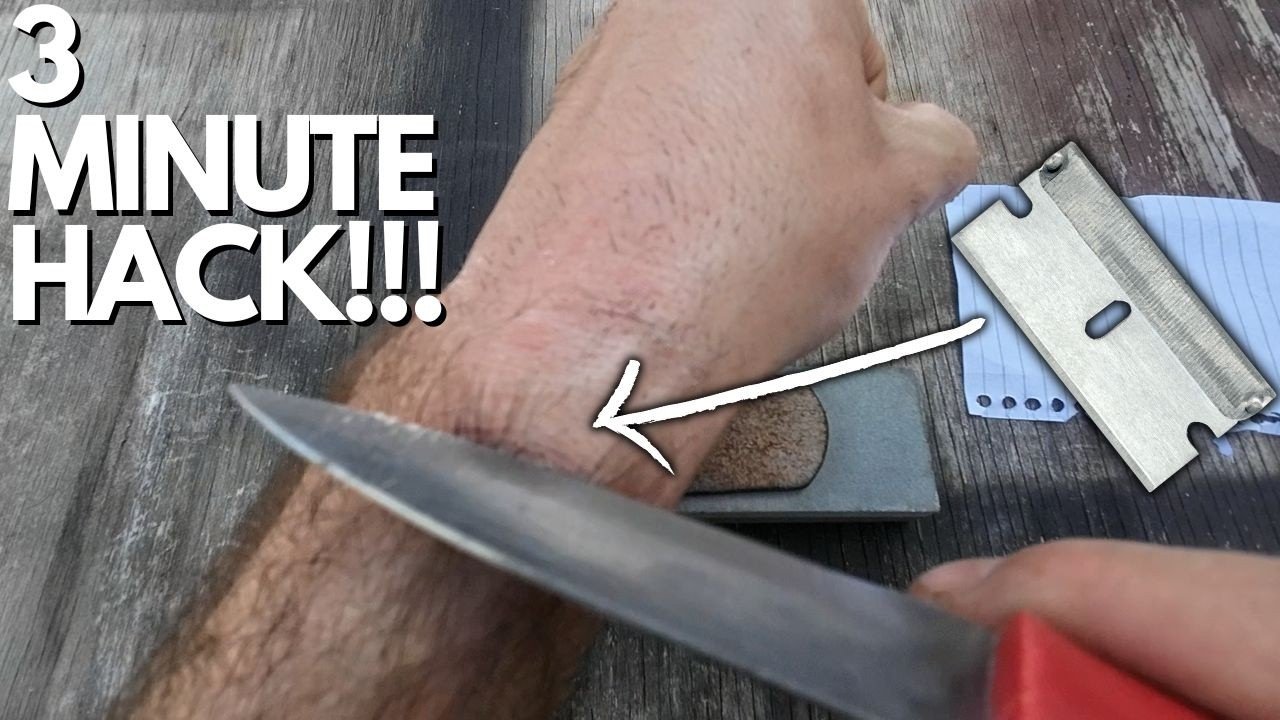
Have you ever found yourself frustrated with a dull utility knife that just doesn’t cut it anymore? You’re not alone.
A sharp utility knife is an essential tool in your toolkit, whether you’re tackling DIY projects, opening packages, or slicing through tough materials. But, how do you keep it sharp and ready for action? The secret lies in mastering the art of sharpening.
By learning how to sharpen your utility knives, you’ll not only save money but also enhance your efficiency and safety. In this guide, we’ll reveal simple yet effective techniques that will transform your dull blades into razor-sharp tools. Keep reading to unlock the full potential of your utility knives and make every cut count.

Credit: www.youtube.com
Choosing The Right Sharpening Tools
Keeping your utility knife sharp is important for safety and efficiency. The right sharpening tool makes the job easier and gives better results.
There are different tools to choose from. Each tool works best for certain needs and skills. Learn about whetstones, sharpening rods, and electric sharpeners to pick the best one.
Whetstones
Whetstones are flat stones used to sharpen blades by hand. They come in various grit sizes to smooth or sharpen edges.
- Coarse grit removes chips and reshapes the blade.
- Medium grit sharpens the edge.
- Fine grit polishes the blade for a smooth finish.
Using a whetstone takes practice but offers great control. You need to soak the stone in water before use. Keep the blade at a steady angle while sharpening.
Sharpening Rods
Sharpening rods, also called honing rods, are long and cylindrical. They help maintain a sharp edge by realigning the blade.
| Type | Material | Best For |
| Steel Rod | Hardened steel | Regular edge maintenance |
| Ceramic Rod | Ceramic | Fine honing and polishing |
| Diamond Rod | Diamond-coated | Sharpening very dull blades |
Sharpening rods are simple to use. Hold the blade at a 20-degree angle and slide it along the rod. Repeat on both sides to keep your knife sharp.
Electric Sharpeners
Electric sharpeners speed up the sharpening process. They use motorized abrasive wheels to sharpen edges quickly and evenly.
- Easy for beginners to use.
- Many models have multiple slots for different sharpening stages.
- May remove more metal than manual tools.
- Usually require power or batteries.
Electric sharpeners work well for dull knives but may not give as much control as hand tools. Use them carefully to avoid damaging the blade.

Credit: www.youtube.com
Preparing Your Utility Knife
Before sharpening your utility knife, it is important to prepare it properly. This helps you sharpen the blade safely and effectively.
Two key steps in preparation are cleaning the blade and inspecting it for damage. These steps ensure the sharpening process goes smoothly.
Cleaning The Blade
Start by cleaning the blade to remove dirt, rust, and old residue. A clean blade sharpens better and lasts longer.
- Wipe the blade with a damp cloth to remove dirt.
- Use mild soap and water for sticky residue.
- Dry the blade completely to prevent rust.
- Use fine steel wool for light rust spots.
- Avoid harsh chemicals that can damage the blade.
Inspecting For Damage
Check the blade carefully for chips, cracks, or bends. Identifying damage early protects you during sharpening.
| Damage Type | What to Look For | Action Needed |
| Chips | Small missing pieces on the edge | File down before sharpening |
| Cracks | Visible lines in the blade | Replace blade if severe |
| Bends | Blade not straight | Carefully straighten or replace |
Sharpening Techniques
Keeping your utility knives sharp makes cutting safer and easier. Using the right sharpening methods keeps the blade in good shape longer.
Different tools require different sharpening skills. This guide covers how to keep the right angle and use both whetstones and sharpening rods properly.
Maintaining The Correct Angle
Holding the knife at the correct angle is key for a sharp edge. Most utility knives sharpen best at angles between 15 and 20 degrees.
- Hold the blade firmly but gently.
- Set the blade edge to about 15–20 degrees against the sharpening surface.
- Keep the angle steady throughout the process.
- Use light pressure to avoid damaging the blade.
- Check the angle often as you sharpen.
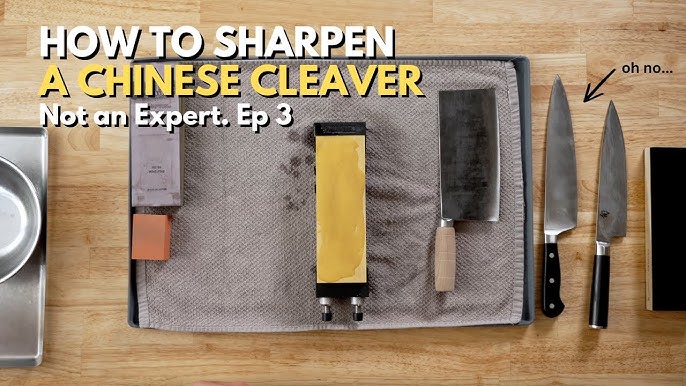
Using A Whetstone Step-by-step
A whetstone is a common tool for sharpening knives. It usually has two sides: coarse and fine grit. Start with coarse and finish with fine for best results.
- Soak the whetstone in water for about 10 minutes.
- Place the stone on a stable surface.
- Hold the knife at the correct angle (15–20 degrees).
- Move the blade in a sweeping motion across the coarse side.
- Sharpen each side evenly, about 10 strokes each.
- Flip the stone to the fine side.
- Repeat the sweeping motion to refine the edge.
- Rinse and dry the knife and stone after sharpening.
Using A Sharpening Rod Effectively
A sharpening rod realigns the blade edge between full sharpenings. It is useful for quick touch-ups and maintaining sharpness.
| Step | Action |
| 1 | Hold the rod vertically on a stable surface. |
| 2 | Place the knife at a 20-degree angle to the rod. |
| 3 | Draw the blade down the rod from heel to tip. |
| 4 | Repeat 5–10 times per side, keeping the angle steady. |
| 5 | Wipe the blade clean after sharpening. |
Credit: www.youtube.com
Honing And Polishing The Edge
Keeping your utility knife sharp requires more than just sharpening. Honing and polishing help maintain the blade’s edge. These processes smooth out tiny nicks and realign the blade.
Regular honing improves cutting performance. Polishing removes rough spots after honing. Both steps extend the knife’s life and keep it safe to use.
Why Honing Matters
Honing straightens the blade’s edge without removing much metal. It fixes minor bends and keeps the blade sharp between sharpenings. A well-honed knife cuts cleaner and safer.
- Restores the blade’s straight edge
- Improves cutting precision
- Prevents damage from dull edges
- Reduces the need for frequent sharpening
Best Honing Practices
Use a honing rod or leather strop for best results. Hold the knife at a consistent angle. Use gentle strokes along the blade to avoid damage. Polishing after honing removes fine burrs and smooths the edge.
| Tool | Purpose | Tip |
| Honing Rod | Realign blade edge | Hold at 20-degree angle |
| Leather Strop | Polish and remove burrs | Use light pressure |
| Cloth with Compound | Final polish | Use fine abrasive compound |
Testing Sharpness Safely
After sharpening your utility knife, checking its sharpness is important. This helps you know if the blade is ready for use.
Testing sharpness must be done carefully. Always protect your fingers and work in a safe area.
Paper Test
Use a piece of paper to test your knife’s edge. Hold the paper by one side and try to slice it with the knife.
If the knife cuts the paper smoothly without tearing, it is sharp. If it snags or tears, it needs more sharpening.
- Hold the paper steady on a flat surface
- Use slow, controlled slicing motions
- Keep fingers away from the blade
Tomato Test
Tomatoes have soft skin that is easy to cut. Slice a tomato gently to check the knife’s sharpness.
A sharp knife will cut the tomato skin without squashing it. A dull knife will press down and crush the tomato.
- Place the tomato on a cutting board
- Use a light touch to slice through the skin
- Watch how easily the blade moves through
Maintaining Your Utility Knife
Keeping your utility knife sharp and clean helps it work better. A well-maintained knife is safer and lasts longer.
Regular care includes sharpening the blade and storing it correctly. These simple steps protect your knife.
Regular Sharpening Schedule
Sharpen your utility knife often to keep the edge sharp. How often depends on use and cutting tasks.
- Check blade sharpness before each use.
- Sharpen after heavy or frequent use.
- Use a sharpening stone or a honing rod.
- Clean the blade after sharpening to remove metal particles.
- Test the sharpness by cutting a piece of paper.
Proper Storage Tips
Store your utility knife safely to keep the blade sharp and avoid accidents.
| Storage Method | Benefit |
| Use a blade cover or sheath | Protects blade from damage and moisture |
| Keep knife in a dry place | Prevents rust and corrosion |
| Store knife separate from other tools | Prevents dulling and accidental cuts |
| Use a magnetic strip or dedicated drawer | Keeps knife accessible and safe |
Frequently Asked Questions
How Often Should I Sharpen My Utility Knife?
Sharpen your utility knife every few uses or when it feels dull. Regular sharpening keeps cuts clean and safe. Frequent use requires more frequent sharpening to maintain optimal performance.
What Tools Do I Need To Sharpen A Utility Knife?
You need a sharpening stone, honing rod, or a specialized knife sharpener. These tools help restore the blade’s edge efficiently. Choose the tool based on your skill level and knife type.
Can I Sharpen A Utility Knife At Home Safely?
Yes, you can sharpen a utility knife at home safely. Use proper tools, work slowly, and maintain a consistent angle. Always wear protective gloves and follow safety guidelines to avoid injuries.
What Is The Best Angle To Sharpen Utility Knives?
The best angle is usually between 20 to 25 degrees. This angle balances sharpness and durability for utility knives. Maintaining a consistent angle is key for effective sharpening.
Conclusion
Sharpening utility knives keeps them safe and effective to use. Regular sharpening saves time and effort in cutting tasks. Use the right tools and follow simple steps carefully. Practice often to improve your sharpening skill and blade life. A sharp knife makes work smoother and more enjoyable.
Keep your knives sharp to handle any cutting job easily.