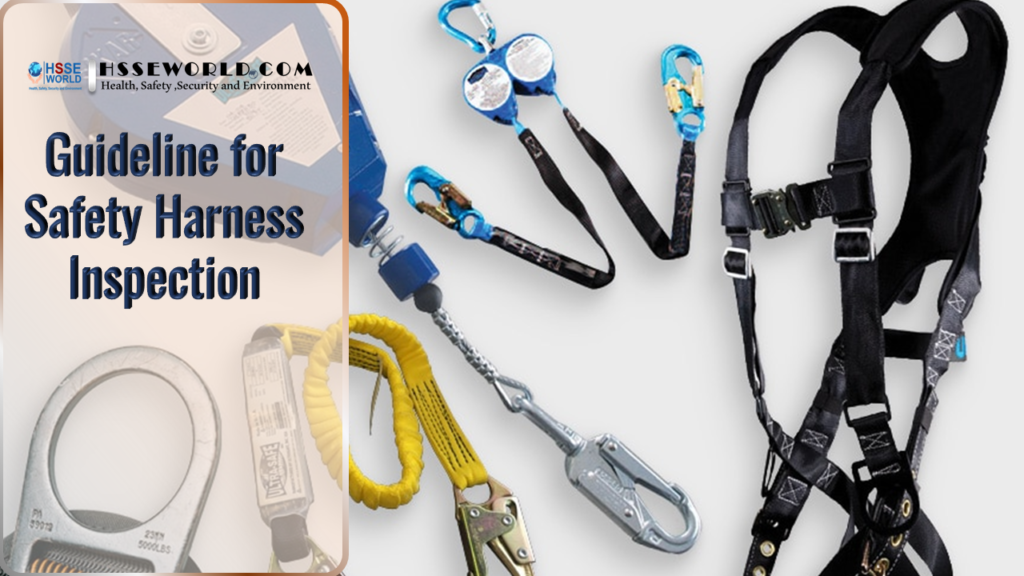
Imagine feeling completely secure every time you step onto a ladder. Picture the confidence of knowing you’re protected from potential falls and injuries.
This is exactly what using a harness for ladder safety can offer you. Whether you’re a professional or a DIY enthusiast, understanding how to properly use a harness can transform your work experience, ensuring you stay safe while getting the job done.
In this guide, we’ll walk you through everything you need to know about harnesses, from choosing the right one to mastering its use. By the end of this article, you’ll feel empowered and ready to tackle any height with peace of mind. Ready to enhance your safety and confidence? Let’s dive in.
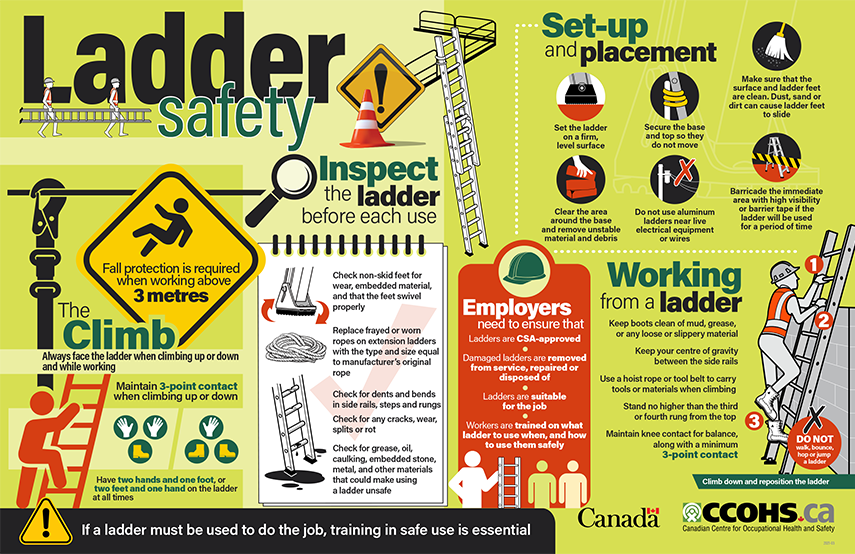
Credit: www.ccohs.ca
Choosing The Right Harness
Using a harness can improve your safety when working on ladders. Picking the right harness helps protect you from falls. This guide covers key points to consider.
Learn about different types of harnesses, what materials last longer, and how to find the right size. Each factor affects your comfort and safety.
Types Of Harnesses
There are several harness types designed for ladder safety. Choose one that fits your work needs and environment.
- Full-body harnesses: Wrap around shoulders, chest, and legs for full support.
- Sitting harnesses: Provide support mainly around hips for comfort during long work.
- Chest harnesses: Secure upper body but need to be combined with other support.
- Positioning harnesses: Allow hands-free work by holding you in place on the ladder.
Material And Durability
Harness materials affect strength and how long they last. Look for durable fabrics and hardware that resist wear.
| Material | Durability | Common Use |
| Nylon | High | General purpose harnesses |
| Polyester | Very High | Outdoor and wet conditions |
| Leather | Moderate | Specialty work and comfort |
| Metal Hardware | High | Buckles and connectors |
Sizing And Fit
A proper fit keeps you safe and comfortable. Measure your body before buying a harness.
- Check waist, chest, and leg measurements.
- Adjust straps to fit snugly but not too tight.
- Make sure the harness allows freedom of movement.
- Try it on with your work clothes and gear.
Proper Harness Setup
Using a harness correctly keeps you safe while working on ladders. It helps prevent falls and serious injuries. Proper setup is key to making the harness effective.
This guide explains how to adjust the straps, attach to safety lines, and check for wear and tear. Follow these steps to stay safe.
Adjusting Straps Correctly
Straps must fit snugly but not too tight. Loose straps can cause slipping. Tight straps can limit movement and cause discomfort.
- Put on the harness and fasten all buckles.
- Tighten the shoulder straps so they rest firmly on your shoulders.
- Adjust the chest strap to keep the harness centered.
- Secure the leg straps so they fit comfortably around your thighs.
- Make sure all straps lie flat without twists.
Attaching To Safety Lines
Connect the harness to a strong safety line to stop falls. Use the right attachment points on both the harness and the line.
| Harness Attachment Point | Type of Safety Line | Connection Method |
| Dorsal D-ring (back) | Vertical lifeline | Locking carabiner |
| Chest D-ring (front) | Horizontal lifeline | Snap hook |
| Side D-rings | Positioning lanyard | Quick link |
Checking For Wear And Tear
Inspect your harness before each use. Look for any damage that could weaken it. Replace the harness if you find serious problems.
- Frayed or cut webbing
- Broken stitching
- Rusty or damaged metal parts
- Faded or weakened fabric
- Missing labels or tags
Ladder Safety Essentials
Using a ladder safely helps prevent falls and injuries. Wearing a harness adds extra protection when working at heights.
Follow basic rules to keep yourself safe while climbing and working on ladders.
Selecting A Stable Ladder
Choose a ladder that fits the job and can hold your weight. Check for any damage before use.
Use ladders with slip-resistant feet and secure locks to keep them steady.
- Pick the right height to avoid overreaching
- Check ladder weight limits and labels
- Inspect for cracks, bends, or loose parts
- Use ladders with rubber or non-slip feet
Positioning And Angle
Place the ladder on a firm, flat surface. Avoid soft or uneven ground that may cause slipping.
Set the ladder at a safe angle. Too steep or too flat can be dangerous.
- Use the 4-to-1 rule: 1 foot away from the wall for every 4 feet of ladder height
- Secure the top of the ladder to prevent movement
- Check that the ladder base is stable before climbing
Maintaining Three Points Of Contact
Keep three points of contact on the ladder at all times. This means two hands and one foot, or two feet and one hand.
This balance helps you stay steady and reduces the risk of falling.
- Hold the ladder firmly while climbing
- Do not carry heavy tools in your hands while climbing
- Use a tool belt or rope to lift items
- Move slowly and carefully on the ladder
Credit: www.falltech.com
Using Harnesses On Ladders
Using harnesses on ladders helps prevent falls and serious injuries. It adds safety by keeping you secure while working at heights.
Proper use of a harness makes climbing safer. You need to follow the right steps before and during ladder use.
Securing Harness Before Climbing
Check your harness for damage before putting it on. Make sure all straps and buckles work well and fit snugly.
Put on the harness carefully. Adjust the straps so the harness fits tight but still lets you move.
- Inspect straps for cuts or wear
- Check buckles for proper locking
- Adjust harness to fit your body
- Wear the harness before climbing
Connecting To Anchor Points
Always attach your harness to a strong anchor point. The anchor keeps you secure if you slip or fall.
Choose anchor points that can support your weight and the force of a fall. Use approved hooks or ropes to connect.
- Locate a stable anchor point above the ladder
- Use proper connectors like carabiners or safety lanyards
- Ensure the anchor can hold at least 5,000 pounds
- Double-check connections before climbing
Avoiding Common Mistakes
Do not skip the harness or anchor check. Missing this step can cause serious injury.
Do not connect to weak or unstable points. Avoid loose harness straps and improper fitting.
- Never climb without a secured harness
- Do not attach to unsecured objects
- Keep harness straps tight but comfortable
- Inspect all equipment before each use
Maintenance And Inspection
Using a harness for ladder safety is important for preventing falls. Proper maintenance and inspection keep your harness reliable and safe to use.
Check your harness often. Clean it well and store it safely. Know when to replace it to avoid accidents.
Regular Inspection Routines
Inspect your harness before each use. Look for signs of wear, damage, or dirt. Check buckles, straps, and stitching carefully.
- Check webbing for cuts, frays, or burns.
- Test metal parts for rust or cracks.
- Ensure buckles work and lock securely.
- Look for loose or missing stitching.
- Examine labels for legibility and presence.
Cleaning And Storage Tips
Cleaning your harness removes dirt and chemicals that harm it. Store the harness in a dry, cool place away from sunlight and sharp objects.
Follow these cleaning steps:
- Use mild soap and warm water.
- Gently scrub with a soft brush.
- Rinse thoroughly with clean water.
- Hang to dry in shade, avoid heat sources.
- Do not use bleach or harsh chemicals.
When To Replace Your Harness
| Condition | Replace If |
| Webbing | Frayed, cut, melted, or discolored beyond cleaning |
| Hardware | Cracked, bent, rusted, or broken |
| Stitching | Loose, missing, or damaged threads |
| After Fall | Any impact or fall that may weaken the harness |
| Age | Manufacturer’s recommended lifespan exceeded |
Training And Best Practices
Using harnesses for ladder safety helps prevent falls and injuries. Proper training ensures workers use harnesses correctly.
Best practices keep everyone safe and improve work confidence. Training and safety rules go hand in hand.
Safety Training Programs
Training programs teach how to wear and adjust harnesses. Workers learn how to inspect gear before use.
Programs cover ladder climbing techniques and harness attachment points. Trainers explain risks and how to avoid them.
- Proper harness fitting
- Correct anchor point selection
- Regular equipment inspection
- Safe ladder climbing methods
- Fall prevention techniques
Emergency Procedures
Emergency plans prepare workers for accidents involving falls. Knowing what to do saves time and prevents more harm.
Teams should practice rescue drills often. Clear communication and quick response improve rescue success.
- How to call for help
- Safe rescue techniques
- First aid basics for falls
- Using rescue equipment
- Reporting incidents promptly
Promoting A Safety Culture
Encouraging safety habits reduces ladder accidents. Everyone should feel responsible for safety on site.
Leaders must set good examples by following rules. Regular talks and reminders keep safety top of mind.
- Daily safety briefings
- Rewarding safe behavior
- Open communication about risks
- Continuous training updates
- Encouraging workers to speak up

Credit: www.ccbsafety.com
Frequently Asked Questions
What Types Of Harnesses Are Best For Ladder Safety?
Full-body harnesses with adjustable straps are ideal for ladder safety. They distribute force evenly during a fall. Look for harnesses with comfortable padding and secure buckles for better protection and usability.
How Do Harnesses Prevent Ladder-related Injuries?
Harnesses prevent falls by securing the user to an anchor point. They reduce the risk of serious injuries by arresting falls quickly. This safety measure keeps workers stable while climbing or working on ladders.
When Should You Wear A Harness On A Ladder?
Always wear a harness when working above 6 feet on a ladder. It is essential for tasks involving extended periods or unstable surfaces. Proper use of harnesses ensures enhanced safety and compliance with regulations.
How To Properly Fit A Harness For Ladder Use?
Ensure the harness fits snugly without restricting movement. Adjust straps around the chest, waist, and legs for a secure fit. A properly fitted harness maximizes safety and comfort during ladder work.
Conclusion
Using a harness improves safety while working on ladders. It helps prevent falls and serious injuries. Always choose the right harness for your ladder type. Check the harness for damage before each use. Make sure to wear it correctly and attach it securely.
Practice using the harness in a safe area first. Stay alert and cautious when climbing or working on ladders. Safety should always be your top priority. Protect yourself by following these simple steps every time. Safe ladder work means fewer accidents and peace of mind.