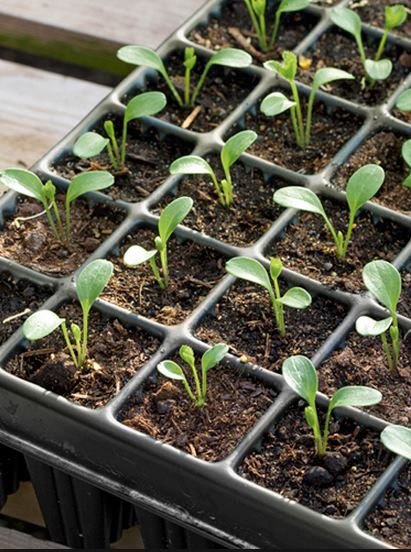
Transplanting seedlings can feel like a delicate dance, but with the right guidance, you can master this essential gardening skill. You’ve nurtured your seedlings with care, and now it’s time to give them more room to grow.
Whether you’re new to gardening or a seasoned green thumb, understanding the nuances of transplanting in containers can make all the difference. Imagine the satisfaction of watching your plants flourish because of the steps you took today. In this guide, you’ll discover simple, effective techniques to ensure your seedlings thrive.
Let’s dive in and unlock the secrets to successful transplanting, ensuring your garden bursts with life and vitality. Your plants’ future is in your hands—let’s make it a bright one!
Choosing The Right Containers
Picking the right containers helps your seedlings grow strong. The container affects root health and water flow.
Good containers keep seedlings safe and make transplanting easy. Choose containers that fit your plant needs.
Material Options
Containers come in many materials. Each material has benefits and drawbacks for seedling growth.
Plastic containers are light and hold moisture well. Clay pots allow air flow but dry out faster.
- Plastic: Lightweight, retains water, inexpensive
- Clay: Breathable, good drainage, heavier
- Biodegradable: Eco-friendly, breaks down in soil
- Metal: Durable but can heat up and harm roots
Size Considerations
Choose containers that fit your seedlings’ size now and as they grow. Too small pots can stunt roots.
Deep containers allow roots to spread downward. Wide containers give space for root growth sideways.
- Small seedlings start in 2-4 inch pots
- Medium pots suit growing seedlings
- Large pots needed before planting outdoors
Drainage Importance
Drainage holes prevent water from pooling at the bottom. Standing water can cause root rot and kill seedlings.
Check containers have enough holes or add them yourself. Use trays to catch extra water and protect surfaces.
- Ensure several drainage holes per container
- Use well-draining soil to improve water flow
- Avoid pots without drainage unless modified
Preparing Seedlings For Transplant
Moving seedlings from containers to the garden or larger pots requires careful preparation. Proper steps help seedlings grow strong and avoid shock.
Getting seedlings ready means choosing the right time, slowly adjusting them to outdoor conditions, and checking their health closely.
Timing The Move
Choose the right moment to transplant seedlings. The weather and the plant’s growth stage matter most. Avoid moving seedlings in extreme heat or cold.
- Wait until seedlings have at least two sets of true leaves.
- Pick a day with mild weather and no strong winds.
- Transplant early in the morning or late afternoon.
- Ensure the soil outside is warm enough for the plant type.
Hardening Off Process
Hardening off means helping seedlings get used to outdoor conditions slowly. This reduces stress and helps plants survive the move.
- Start by placing seedlings outside for a few hours each day.
- Keep them in a shaded and protected spot at first.
- Increase the time outside by one hour daily over one week.
- Expose seedlings to more sunlight and wind gradually.
- Bring them back indoors at night until they adjust fully.
Inspecting Seedling Health
Check seedlings before transplanting. Healthy plants have a better chance to thrive. Look for signs of pests, diseases, and root strength.
| Inspection Point | What to Look For | Action Needed |
| Leaves | Green and firm without spots | Healthy, ready to transplant |
| Stem | Strong and upright | Good condition |
| Roots | White and well-formed | Check for root crowding or damage |
| Pests | None or very few | Treat before moving |
| Disease | No mold or discoloration | Remove affected seedlings |
Soil And Potting Mix Selection
Choosing the right soil or potting mix is key for healthy seedlings. It helps roots grow strong and plants absorb water and nutrients.
Good soil supports seedlings in containers by giving them the right environment. This guide covers soil types, nutrient needs, and how to improve drainage.
Soil Types
Different soil types affect how water and air move around roots. Common types include sandy, clay, and loamy soils. Loamy soil is best for seedlings because it holds moisture and drains well.
- Sandy soil:Drains quickly but dries out fast.
- Clay soil:Holds water but can stay too wet.
- Loamy soil:Balances water retention and drainage.
- Peat moss:Light and holds moisture well.
- Perlite and vermiculite:Improve aeration and drainage.
Nutrient Requirements
Seedlings need nutrients like nitrogen, phosphorus, and potassium. These help plants grow leaves, roots, and flowers. A balanced potting mix includes these nutrients or allows you to add fertilizer easily.
| Nutrient | Purpose | Common Sources |
|---|---|---|
| Nitrogen (N) | Helps leaves grow green and healthy | Compost, blood meal |
| Phosphorus (P) | Supports root and flower development | Bone meal, rock phosphate |
| Potassium (K) | Improves overall plant strength | Wood ash, kelp meal |
Improving Drainage And Aeration
Good drainage stops water from pooling and hurting roots. Aeration gives roots oxygen. Both are vital for seedlings in containers.
Try these tips to improve drainage and aeration:
- Add perlite or coarse sand to your potting mix.
- Use containers with drainage holes.
- Mix in coconut coir or peat moss for better air flow.
- Avoid compacting the soil when planting seedlings.
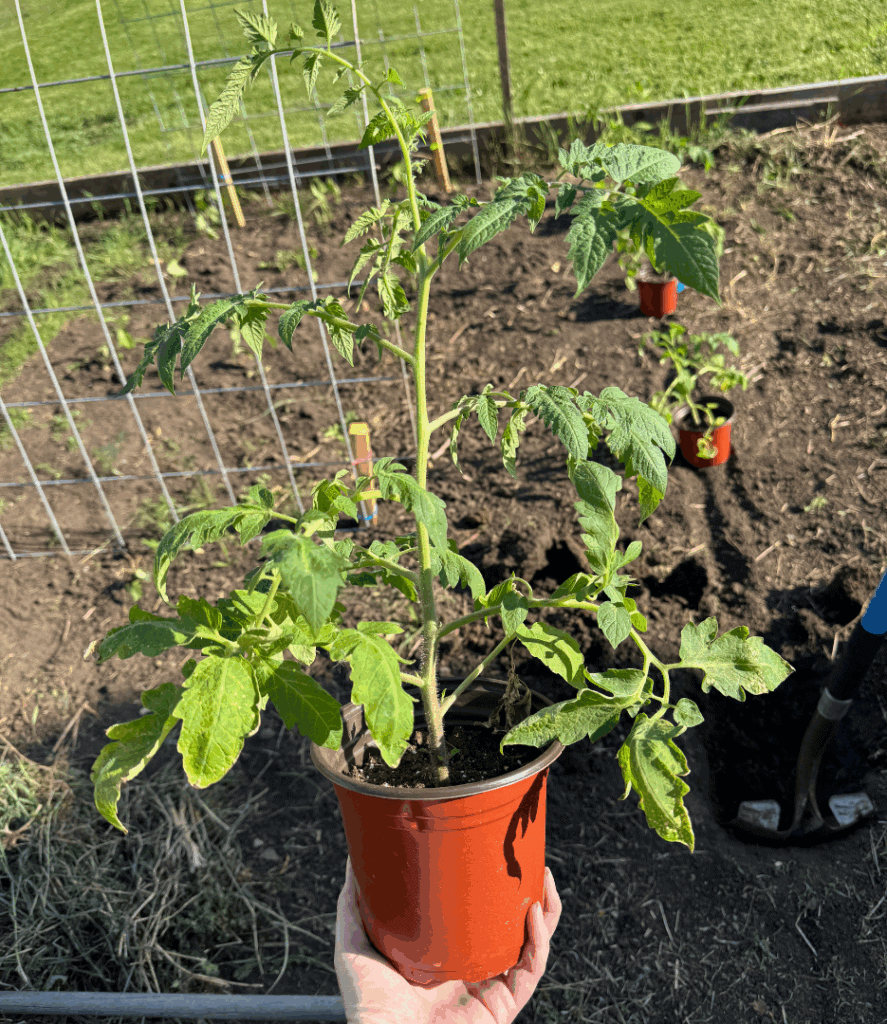
Credit: homelyhens.com
Step-by-step Transplanting Process
Transplanting seedlings into containers helps plants grow strong roots. It also gives them more space to develop. This guide shows simple steps to move seedlings safely.
Follow each step carefully to avoid damaging the young plants. Use the right tools and techniques for best results.
Removing Seedlings Carefully
Handle seedlings gently to keep roots and stems safe. Avoid pulling hard or squeezing the plants. Use these tips to remove seedlings without harm.
- Water the seedlings a few hours before removing to soften the soil.
- Loosen the soil around the seedling with a small tool or your fingers.
- Hold the seedling by its leaves, not the stem, to avoid damage.
- Lift the seedling out with a clump of soil around its roots.
Planting Techniques
Plant seedlings at the right depth and spacing in the container. This helps roots spread and plants grow evenly. Follow these guidelines for planting.
| Planting Task | Instructions |
| Choose Container | Pick a pot with drainage holes and enough space for growth. |
| Fill Soil | Use fresh potting soil, fill the container halfway. |
| Place Seedling | Set the seedling in soil, roots spread naturally. |
| Add Soil | Cover roots with soil, press lightly to remove air pockets. |
| Leave Space | Keep about one inch of space from soil surface to container rim. |
Watering After Transplant
Water seedlings right after planting to help settle the soil. Keep the soil moist but not soggy. Use these watering tips to support new plants.
- Water gently with a watering can or spray to avoid soil displacement.
- Check soil moisture daily for the first week.
- Water when the top inch of soil feels dry.
- Avoid overwatering to prevent root rot.
Post-transplant Care
After moving seedlings into containers, they need careful attention. Proper care helps them grow strong and healthy.
This guide covers how to care for seedlings with light, water, and watching their health closely.
Light And Temperature Needs
Seedlings need the right light to grow well. Place containers where they get bright, indirect sunlight.
Keep temperatures steady between 65°F and 75°F. Avoid cold drafts or hot spots near heaters.
- Use grow lights if natural light is low
- Move containers to follow the sun
- Keep seedlings away from sudden temperature changes
Watering Schedule
Water seedlings regularly but do not overwater. Soil should stay moist, not soggy.
Check soil daily by touching the top inch. Water if it feels dry to the touch.
- Water early in the day for better absorption
- Use room temperature water to avoid shock
- Ensure containers have drainage holes
Monitoring Growth And Health
Watch seedlings for signs of stress or disease. Healthy leaves are green and firm.
Remove any yellow, wilted, or damaged leaves quickly to prevent problems.
- Look for pests like aphids or mites
- Check soil moisture regularly
- Rotate containers to keep even growth

Credit: www.youtube.com
Common Problems And Solutions
Transplanting seedlings in containers can cause some problems. Knowing common issues helps you fix them fast.
Watch your plants closely and act quickly to keep them healthy after transplanting.
Wilting And Leaf Drop
Wilting and leaf drop are signs of stress in seedlings. This can happen from transplant shock or poor watering.
- Water seedlings deeply but avoid overwatering.
- Keep seedlings in shade for a few days after transplanting.
- Avoid disturbing roots too much during transplant.
- Use mulch to keep soil moist and cool.
Pest And Disease Management
Pests and diseases can attack seedlings in containers. Early detection helps prevent spread.
| Problem | Signs | Solution |
| Aphids | Sticky leaves, curled edges | Spray water or insecticidal soap |
| Fungal diseases | Spots on leaves, moldy soil | Improve air flow, avoid wet leaves |
| Spider mites | Yellowing leaves, webbing | Use neem oil or water spray |
Nutrient Deficiencies
Seedlings may show poor growth from missing nutrients. Watch for color and shape changes in leaves.
- Nitrogen:Yellow leaves – add balanced fertilizer.
- Phosphorus:Dark green or purple leaves – use bone meal.
- Potassium:Brown leaf edges – apply potassium-rich fertilizer.
Tips For Successful Container Gardening
Growing plants in containers lets you garden in small spaces. You can move plants to catch sunlight. It also helps control soil and water better.
Transplanting seedlings into containers needs care. Good habits keep plants healthy and strong. These tips focus on regular care and feeding.
Regular Maintenance
Check your container plants often. Remove dead leaves and weeds. Water plants when the top inch of soil feels dry. Avoid overwatering to stop root rot.
- Clear fallen leaves and debris
- Trim dead or yellow leaves
- Water deeply but less often
- Use mulch to keep soil moist
- Watch for pests and treat early
Fertilizing Practices
Plants in containers need extra nutrients. Use a balanced fertilizer every few weeks. Follow the package instructions to avoid burning roots.
| Type of Fertilizer | When to Use | Benefits |
| Liquid Fertilizer | Every 2 weeks | Quick absorption |
| Slow-Release Pellets | At planting | Lasts for months |
| Organic Compost | Monthly | Improves soil health |
Container Rotation And Repotting
Turn containers to give all sides sunlight. Move plants indoors if weather is harsh. Repot seedlings when roots fill the pot to avoid crowding.
- Choose a pot one size larger
- Use fresh potting mix
- Water well after transplanting
- Keep plants in shade for a few days

Credit: savvygardening.com
Frequently Asked Questions
How Do I Prepare Seedlings For Transplanting?
Gently water seedlings a few hours before transplanting. Handle roots carefully to avoid damage. Harden off seedlings by exposing them to outdoor conditions gradually for a week.
What Is The Best Soil For Container Seedlings?
Use a well-draining, nutrient-rich potting mix. Avoid garden soil as it may compact and reduce aeration. Add organic matter like compost to improve fertility.
When Is The Ideal Time To Transplant Seedlings?
Transplant seedlings when they have 2-3 true leaves and strong roots. Avoid transplanting during extreme heat or frost. Early morning or late afternoon is best.
How Do I Avoid Transplant Shock In Seedlings?
Water seedlings well before and after transplanting. Avoid disturbing roots and keep soil moist. Gradually acclimate plants to new conditions to reduce stress.
Conclusion
Transplanting seedlings in containers helps plants grow strong and healthy. Choose the right container and soil for the best results. Handle seedlings gently to avoid damage during the move. Water the plants after transplanting to reduce stress. Place containers where plants get enough light and air.
Watch seedlings closely for signs of growth or problems. With care and attention, your seedlings will thrive in their new home. Gardening becomes easier and more enjoyable this way. Keep learning and trying new techniques to improve your garden. Happy planting!
