Do you often find yourself surrounded by the loud roar of power tools, wondering if there’s a better way to protect your ears? You’re not alone.
Every time you use a power tool, your hearing is at risk. But there’s a simple solution: ear muffs. They’re not just for keeping warm in winter; they’re a powerful tool for safeguarding your ears from harmful noise. In this guide, we’ll show you how to choose the right ear muffs and use them effectively.
Imagine working in a quieter, more comfortable environment where your hearing is protected. Stay with us to discover how you can transform your power tool experience and say goodbye to the noise for good.
Choosing The Right Ear Muffs
Using ear muffs protects your ears from loud power tool noise. Choosing the right ear muffs helps keep you safe and comfortable.
There are different types and features to consider before buying ear muffs for noise protection.
Types Of Ear Muffs
Ear muffs come in various styles. Some cover the whole ear, while others are smaller and fit inside the ear.
- Over-the-head: These have a band that goes over your head and large pads that cover your ears.
- Behind-the-head: The band goes behind your head for a low profile look.
- Cap-mounted: These attach to a hard hat or helmet for work sites.
- Electronic: These reduce loud sounds but allow normal sounds like talking.
Noise Reduction Ratings
Noise Reduction Rating (NRR) shows how much noise an ear muff can block. Higher numbers mean better noise reduction.
| NRR Level (dB) | Use Case |
| 15-20 | Low noise, light power tools |
| 20-25 | Moderate noise, drills, saws |
| 25-30 | High noise, heavy machinery, loud tools |
Comfort And Fit
Comfort helps you wear ear muffs longer. Look for soft cushions and adjustable bands.
- Choose ear muffs with padded ear cups for softness.
- Adjust the headband to fit your head size well.
- Check the weight; lighter ear muffs feel better for long use.
- Make sure ear muffs do not press too hard on your ears.

Credit: www.popularmechanics.com
Proper Wearing Techniques
Ear muffs help protect your ears from loud power tool noise. Wearing them correctly makes them work better. This guide explains how to wear ear muffs properly.
Follow these tips to keep your hearing safe and comfortable while using power tools.
Positioning Over Ears
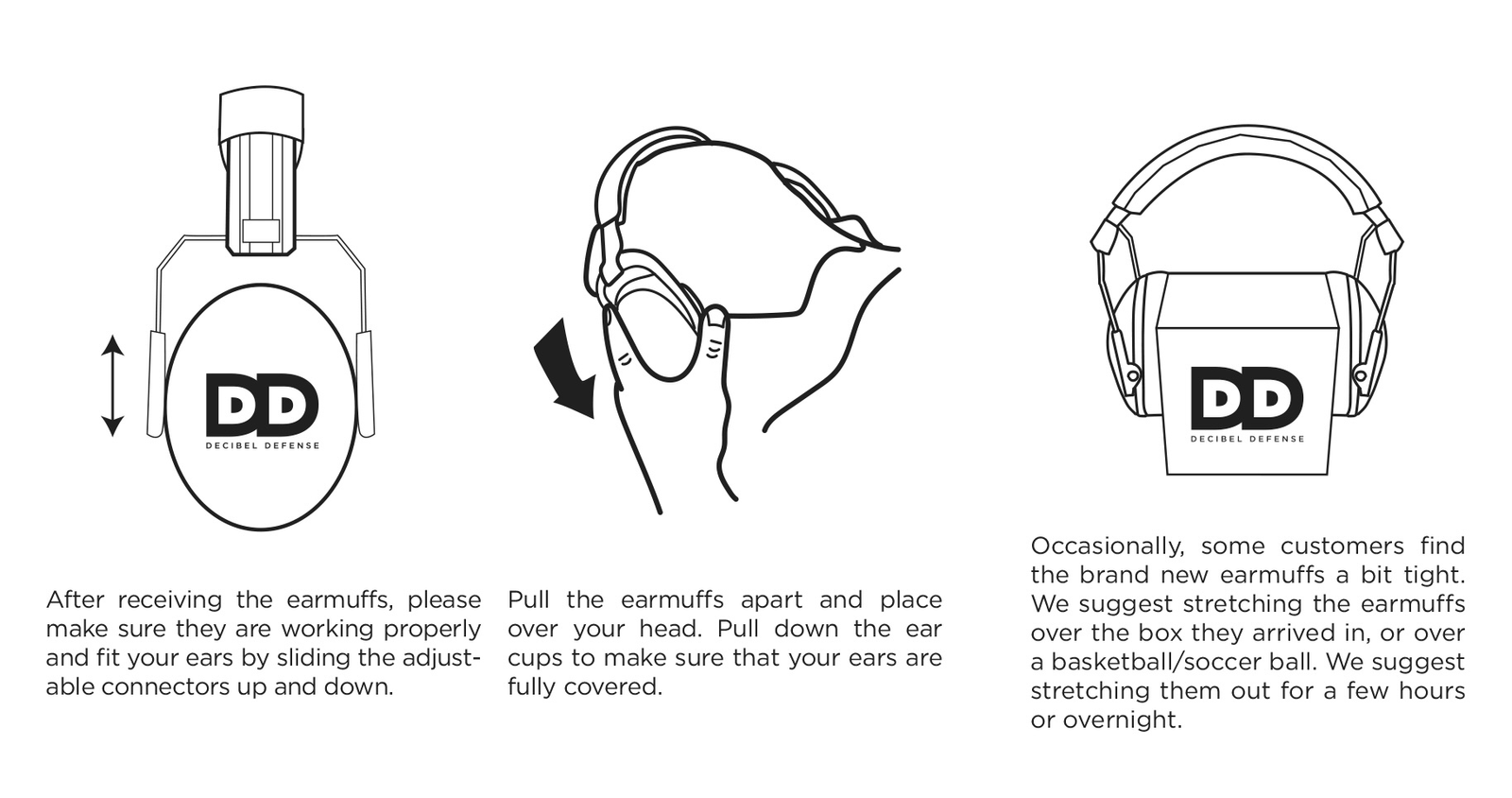
Place the ear cups directly over your ears. This covers your ears fully to block noise. Make sure nothing blocks the seal around the ears.
Check that the ear cups sit evenly on both ears. Avoid tilting or pushing them to one side.
Adjusting Headband
Adjust the headband to fit your head snugly. It should hold the ear cups firmly but not hurt your head. A loose headband lets noise in.
- Extend or shorten the headband as needed
- Center the headband on top of your head
- Check comfort after adjusting
Ensuring A Tight Seal
A tight seal stops noise from leaking inside. Press the ear cups gently against your head. Hair or glasses can break the seal.
Remove hats or glasses if they stop the ear muffs from sealing well. Keep hair away from the ear cup edges.
- Check for gaps between your head and ear cups
- Adjust ear muffs or remove items that break the seal
- Test seal by noticing if loud noise is quieter
Maintaining Ear Muffs
Proper maintenance keeps ear muffs effective against power tool noise. Clean ear muffs regularly to remove dirt and sweat. Store them carefully to avoid damage.
Check parts often and replace worn items. This ensures comfort and safety while working with loud tools.
Cleaning Tips
Clean ear muffs after each use to stop germs and bad smells. Use a soft cloth with mild soap and water. Avoid harsh chemicals that can damage materials.
- Wipe ear cushions gently with a damp cloth
- Use a mild detergent if needed
- Let parts dry completely before use
- Do not soak the ear muffs in water
Storage Recommendations
Store ear muffs in a cool, dry place to keep them in good shape. Avoid direct sunlight or heat sources that can warp parts.
| Storage Tip | Reason |
|---|---|
| Use a protective case | Prevents dust and physical damage |
| Keep away from sharp objects | Avoid tears in cushions and headbands |
| Hang on a hook or store flat | Maintains shape and comfort |
Replacing Parts
Replace cushions and headbands if they crack or lose padding. New parts keep ear muffs sealing properly to reduce noise.
- Check cushions for cracks or hardness
- Replace headbands if stretched or broken
- Use parts from the original manufacturer
- Follow instructions to install replacements safely

Credit: www.amazon.com
When To Use Ear Muffs With Power Tools
Power tools can create loud sounds that hurt your ears. Ear muffs help protect your hearing from this noise. It is important to know when to wear them to stay safe.
Using ear muffs at the right time lowers the risk of hearing damage. This guide explains when you should use ear muffs with power tools.
Identifying Hazardous Noise Levels
Some power tools make sounds louder than safe levels. Noise above 85 decibels can harm your ears. Check the noise level of your tools before use.
- Drills and saws often produce noise over 85 dB
- Air compressors and grinders can be very loud
- Use a sound meter app to measure noise if unsure
Duration Of Exposure
Loud noise hurts your hearing more if you hear it for a long time. Short bursts of noise might be safe, but long work sessions are risky. Use ear muffs when noise lasts longer than 15 minutes.
- Wear ear muffs during long tasks with loud tools
- Take breaks to give your ears rest
- Even moderate noise can cause damage over hours
Combination With Other Safety Gear
Ear muffs work well with other safety equipment. Use them with safety glasses and gloves. This keeps you safe from noise and other hazards at the same time.
- Wear ear muffs with goggles to protect eyes and ears
- Use gloves to protect hands while reducing noise impact
- Combine with dust masks if working in dusty areas
Common Mistakes To Avoid
Using ear muffs with power tools protects your hearing. Many people make mistakes that reduce this protection.
Avoid these common errors to keep your ears safe and comfortable while working.
Loose Fit Issues
Ear muffs must fit tightly around your ears. A loose fit lets noise leak through, lowering protection.
Check the headband pressure and adjust the ear cushions for a snug fit. Replace worn pads if needed.
- Loose ear cushions reduce noise blocking
- Weak headbands cause ear muffs to slip
- Proper fit improves comfort and safety
Ignoring Wear And Tear
Over time, ear muffs wear out. Foam pads get flat, and seals crack. This lowers noise protection.
Check your ear muffs often. Replace parts or the whole unit if they show damage or lose comfort.
- Worn cushions reduce noise reduction
- Damaged seals let in sound
- Regular inspection keeps ear muffs effective
Using Ear Muffs With Earplugs
Wearing ear muffs and earplugs together can cause discomfort and poor fit. This may reduce safety.
Only combine them if noise levels are very high and both fit properly. Otherwise, one device is enough.
- Combo can cause pressure and pain
- Improper fit lowers noise blocking
- Use only one device unless needed for extreme noise
Benefits Beyond Noise Reduction
Ear muffs protect your ears from loud sounds when using power tools. They do more than just lower noise levels. They help in other important ways too.
Using ear muffs can improve your safety and comfort while working. Let’s look at the benefits beyond noise reduction.
Preventing Hearing Loss
Power tools produce loud noise that can damage your hearing over time. Ear muffs block this harmful sound and protect your ears.
Wearing ear muffs reduces the risk of permanent hearing loss. They keep your hearing safe by lowering noise to safe levels.
Improving Focus And Safety
Ear muffs help you focus on your work by cutting out distracting sounds. This makes it easier to concentrate on the task.
Better focus helps you avoid accidents. You stay alert to what you are doing and use tools more safely.
- Less noise means fewer distractions
- Improved attention to detail
- Safer handling of power tools
Enhancing Communication Options
Some ear muffs have features that allow you to hear important sounds. This helps you stay aware of your surroundings.
Many models let you talk to others without taking the ear muffs off. This keeps your ears protected while you communicate.
- Built-in microphones pick up speech
- Volume control for safe listening
- Easy to use without removing ear muffs

Credit: cpdonline.co.uk
Frequently Asked Questions
What Are The Benefits Of Using Ear Muffs For Power Tools?
Ear muffs reduce harmful noise exposure, protecting your hearing. They improve focus and comfort during prolonged power tool use. Quality ear muffs also block out distractions, enhancing safety on the job.
How To Choose The Best Ear Muffs For Power Tool Noise?
Look for ear muffs with a high Noise Reduction Rating (NRR). Ensure they fit comfortably and seal well around your ears. Durable materials and adjustable headbands increase usability for long work sessions.
Can Ear Muffs Completely Block Power Tool Noise?
Ear muffs significantly reduce noise but may not block all sound. Combining ear muffs with earplugs can offer maximum protection. Proper fit and quality ear muffs are key to effective noise reduction.
How Should Ear Muffs Be Worn For Power Tool Safety?
Place ear muffs over your ears, ensuring a tight, comfortable seal. Adjust the headband to avoid gaps and pressure points. Always wear them before starting power tools to protect your hearing.
Conclusion
Wearing ear muffs helps protect your ears from loud power tools. They reduce noise and keep your hearing safe. Choose ear muffs that fit well and feel comfortable. Use them every time you work with noisy tools. This simple step can prevent hearing damage over time.
Stay safe and enjoy your projects without worry. Protect your ears—you’ll thank yourself later.