Picture this: you’re in your workshop, ready to tackle your next woodworking project, and you want those bevel cuts to be perfect. You’ve got your miter saw, but you’re not quite sure how to make the most of it for those tricky angles.
Sound familiar? If you’ve ever felt the frustration of uneven cuts or wasted materials, you’re not alone. Many DIY enthusiasts find bevel cuts challenging, but with the right guidance, you can achieve precision and efficiency every time. You’ll uncover essential tips for using a miter saw to master bevel cuts.
Whether you’re a seasoned pro or a beginner, these insights will help you transform your cutting game. Imagine the satisfaction of clean, flawless edges that fit together seamlessly. Are you ready to elevate your woodworking skills and impress with your craftsmanship? Keep reading to discover the secrets to perfect bevel cuts with your miter saw. Your projects will thank you, and so will your confidence.
Choosing The Right Miter Saw
Picking the right miter saw is key for good bevel cuts. The right saw makes your work easier and safer.
Different saws offer different features. Knowing these helps you choose the best one for your needs.
Types Of Miter Saws
Miter saws come in several types. Each type has unique uses for bevel cutting and other tasks.
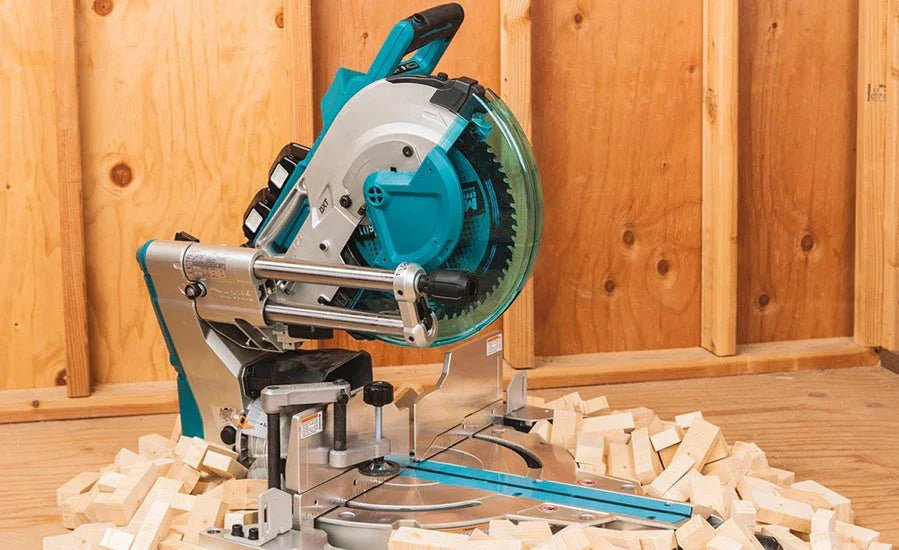
Basic types include standard, compound, and sliding compound miter saws. Each offers different cutting angles and sizes.
- Standard Miter Saw:Cuts angled crosscuts only. No bevel cuts.
- Compound Miter Saw:Cuts angles and bevels. Good for simple bevel cuts.
- Sliding Compound Miter Saw:Has sliding arm for wider boards. Best for large bevel cuts.
Blade Selection For Bevel Cuts
Choosing the right blade affects the quality of your bevel cuts. The blade should fit the material and cut type.
Look for blades with many teeth for smooth bevel cuts. Also, check the blade size matches your saw.
- Blade Size:Match saw’s maximum blade diameter.
- Tooth Count:More teeth give cleaner cuts.
- Tooth Type:Alternate Top Bevel (ATB) teeth work well for bevel cuts.
- Blade Material:Carbide-tipped blades last longer and cut better.

Credit: www.youtube.com
Preparing For Bevel Cuts
Bevel cuts can add a professional look to your woodworking projects. Preparing well helps you get clean, accurate cuts.
Understanding how to set your saw and handle the wood safely is key before starting bevel cuts.
Setting The Bevel Angle
Adjust the bevel angle on your miter saw to match the cut you want. Most saws have a scale from 0 to 45 degrees.
- Loosen the bevel lock knob or lever.
- Tilt the saw blade to the desired angle.
- Tighten the lock to keep the blade steady.
- Double-check the angle with a protractor if needed.
Securing The Workpiece
Hold your workpiece firmly in place to avoid movement during cutting. This keeps your cuts clean and safe.
| Method | Description |
| Clamps | Use clamps to hold wood tight on the saw base. |
| Fence | Press wood against the saw fence for support. |
| Hand Grip | Keep your hand clear but steady on the wood. |
Safety Precautions
Follow safety rules to protect yourself during bevel cuts. Always wear safety gear and stay focused.
- Wear safety glasses to protect your eyes from dust and chips.
- Keep your hands away from the blade path.
- Use the saw’s guard at all times.
- Make sure the saw is on a stable surface.
- Disconnect power before adjusting the saw.
Techniques For Accurate Bevel Cuts
Bevel cuts require precision and careful handling of your miter saw. Small mistakes can cause poor fits and wasted material.
Using the right techniques will help you get clean, accurate bevel cuts every time. Focus on setup and testing before cutting final pieces.
Adjusting The Saw Fence
The saw fence supports the wood and guides the cut angle. Adjust it to match the bevel angle you need.
- Loosen the fence lock to move it.
- Set the fence angle using the saw’s bevel scale.
- Check that the fence is tight and secure.
- Make sure the wood sits flush against the fence.
Using Clamps For Stability
Clamps keep your workpiece steady during cutting. This reduces vibration and helps maintain accuracy.
| Clamp Type | Best Use |
| C-bar Clamp | Holding large boards firmly |
| Spring Clamp | Quick holds for small pieces |
| Toggle Clamp | Repeatable, strong holds |
Making Test Cuts
Test cuts help you confirm the angle and fit before cutting your final material.
- Use scrap wood similar to your project material.
- Set the bevel angle on the saw.
- Make a cut and check the angle with a square or protractor.
- Adjust the saw settings if needed.
- Repeat until the cut matches your desired angle.

Credit: benchmarkabrasives.com
Common Mistakes To Avoid
Using a miter saw for bevel cuts needs care and attention. Avoiding common mistakes helps you get clean, accurate cuts.
These mistakes can cause bad cuts, damage, or even injury. Learn what to watch out for before you start cutting.
Misaligning The Bevel Angle
One common error is not setting the bevel angle correctly. This causes cuts that do not fit together well.
Always double-check the angle before cutting. Use a protractor or angle gauge to confirm the setting.
- Set the saw to the exact bevel angle needed
- Check the angle twice before cutting
- Test on scrap wood to ensure accuracy
Forgetting Safety Gear
Skipping safety gear is dangerous. Always wear eye protection and hearing protection when using the saw.
Gloves can help protect your hands, but be careful they do not get caught in the blade. Keep your work area clean and clear.
- Wear safety glasses or goggles
- Use ear protection to guard hearing
- Keep gloves snug and avoid loose clothing
- Clear the workspace of clutter
Rushing The Cut
Cutting too fast leads to rough edges and mistakes. Take your time to guide the saw smoothly through the wood.
Rushing can also cause the blade to bind or kick back. Slow, steady cuts give better results and keep you safe.
- Hold the wood firmly before cutting
- Lower the blade slowly and steadily
- Do not force the saw through the material
- Pause if the blade feels stuck or uneven
Maintenance Tips For Miter Saws
Keeping your miter saw in good shape helps it work well. Regular care stops problems early.
Below are key tips on blade care, cleaning, and calibration for safe and precise cuts.
Blade Care And Replacement
Check the blade often for damage and dullness. A sharp blade cuts better and safer.
- Look for chipped or missing teeth on the blade.
- Replace the blade if it is dull or damaged.
- Use the correct blade type for bevel cuts.
- Follow the manufacturer’s guide for blade replacement.
Cleaning And Lubrication
Remove sawdust and debris from the saw after each use. Clean parts work smoothly.
| Part | Cleaning Method | Lubrication Needed |
|---|---|---|
| Blade Guard | Wipe with a dry cloth | No |
| Pivot Points | Brush away dust | Light oil |
| Slide Rails | Clean with a soft cloth | Grease or oil |
| Motor Housing | Use compressed air | No |
Calibration Checks
Test the saw’s angles often to keep cuts accurate. Calibration ensures straight and angled cuts are correct.
- Use a square to check the blade’s 90-degree angle.
- Adjust the bevel angle using the saw’s adjustment knob.
- Test the miter angle with a protractor or angle finder.
- Repeat calibration checks every few months or after heavy use.
Advanced Techniques For Complex Cuts
Using a miter saw for bevel cuts can be tricky. Advanced techniques help you make precise and clean cuts.
These tips focus on compound bevel cuts, stop blocks, and combining miter and bevel angles for better results.
Compound Bevel Cuts
Compound bevel cuts involve tilting the saw blade and rotating the saw table. This allows cutting wood at two angles at once.
These cuts are common in crown molding and other detailed trim work. Set the bevel angle and miter angle carefully before cutting.
- Adjust the bevel angle by tilting the saw blade.
- Set the miter angle by rotating the saw table.
- Check the angles with a protractor for accuracy.
- Make test cuts on scrap wood first.
Using Stop Blocks
Stop blocks help you make repeatable cuts of the same length. They attach to the saw fence or base.
Using stop blocks saves time and improves accuracy for multiple pieces. Clamp the block securely to avoid movement.
- Measure the cut length precisely.
- Attach the stop block to the fence or base.
- Clamp the block tightly before cutting.
- Use scrap wood to test the stop block position.
Combining Miter And Bevel Angles
Combining miter and bevel angles helps you make angled cuts on multiple planes. This is useful for complex joinery.
Set the miter angle first, then adjust the bevel angle. This combination creates a compound cut with two tilt directions.
- Choose the correct miter angle for the horizontal plane.
- Set the bevel angle for the vertical tilt.
- Confirm both angles before cutting.
- Make trial cuts to ensure fit and accuracy.

Credit: www.findbuytool.com
Frequently Asked Questions
What Is A Bevel Cut On A Miter Saw?
A bevel cut tilts the saw blade at an angle, cutting the wood’s edge. It allows angled joints, perfect for crown molding or frames.
How Do You Adjust Bevel Angles On A Miter Saw?
Unlock the bevel adjustment lever, tilt the blade to the desired angle, and lock it back. Use the angle scale for precision.
What Safety Tips Are Essential For Bevel Cuts?
Always wear safety goggles and keep hands clear of the blade. Secure the workpiece firmly and check blade settings before cutting.
Can Bevel Cuts Be Combined With Miter Cuts?
Yes, combining bevel and miter cuts creates compound cuts. This is ideal for complex angles in trim work and molding.
Conclusion
Bevel cuts with a miter saw require care and practice. Always check your angle settings twice. Keep your hands clear of the blade. Use clamps to hold your work steady. Take your time to make smooth, clean cuts. Regularly clean and maintain your saw for safety.
These tips help you cut bevels with confidence. Enjoy your woodworking projects and stay safe.