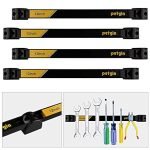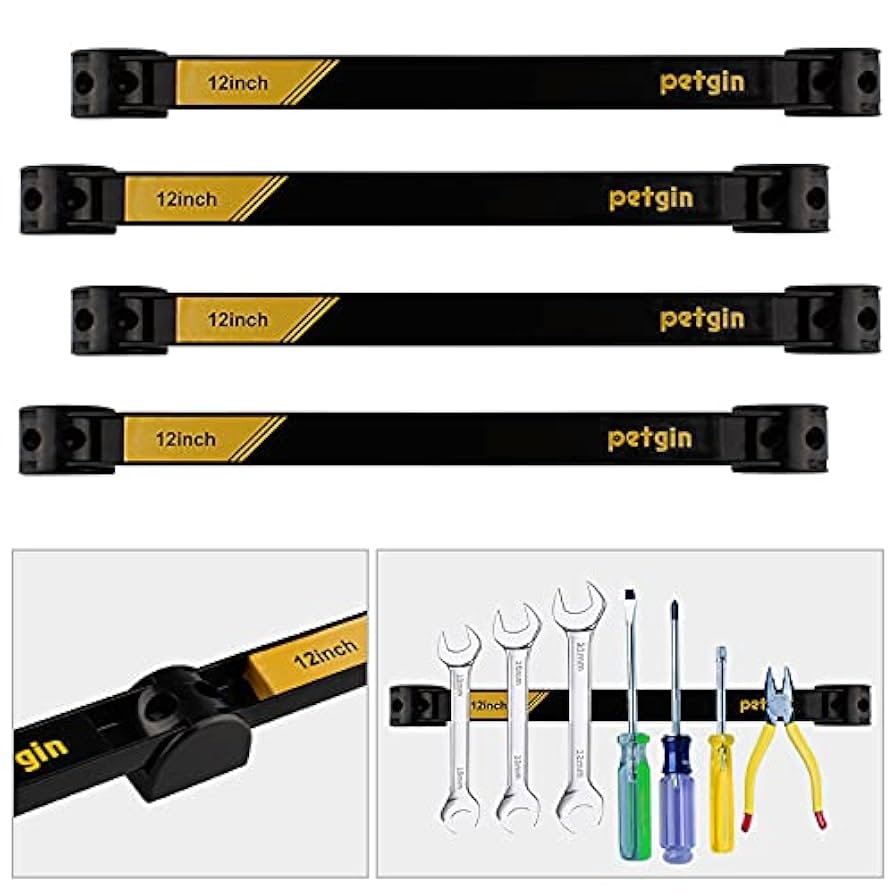
Imagine having all your tools neatly organized and always within arm’s reach. No more digging through cluttered drawers or searching high and low for that elusive wrench.
This isn’t just a dream; it’s a reality you can create with magnetic strips for tools. These versatile strips are a game-changer, transforming your workspace into a model of efficiency and order. With just a simple installation, you can elevate your workshop, garage, or even kitchen to a new level of organization.
Are you ready to discover the secrets to maximizing your productivity and minimizing your stress? Keep reading to learn how you can use magnetic strips to keep your tools perfectly in place and easily accessible.
Benefits Of Magnetic Strips
Magnetic strips offer a smart way to organize tools in any workspace. They keep tools visible and easy to grab.
Using magnetic strips can improve safety and efficiency by keeping tools off benches and floors.
Maximizing Workspace
Magnetic strips free up valuable workspace by holding tools on walls. This leaves your workbench clear for projects.
| Space Use | Without Magnetic Strips | With Magnetic Strips |
|---|---|---|
| Workbench Surface | Often cluttered with tools | Mostly clear for work |
| Tool Storage | Drawers or boxes take space | Tools hang vertically on walls |
| Workspace Safety | Tools can fall or cause trips | Tools held securely in place |
Easy Access To Tools
Magnetic strips make tools easy to reach and return. This speeds up work and reduces frustration.
- Tools stay visible at a glance
- Quickly grab the tool you need
- Replace tools easily after use
- Ideal for frequently used items
Reducing Clutter
Magnetic strips help keep your workspace neat. Tools do not pile up on surfaces or get lost in drawers.
Less clutter means less cleaning and more focus on your task.
Credit: www.vevor.ca
Choosing The Right Magnetic Strip
Magnetic strips help keep tools organized and easy to find. Picking the right strip is important for safety and efficiency.
Consider the type, strength, and material to make the best choice for your workspace.
Types Of Magnetic Strips
There are several types of magnetic strips used for holding tools. Some strips are flexible, while others are rigid. Choose one that fits your tool shapes and workspace.
- Flexible Magnetic Strips:Bend to fit curved surfaces.
- Rigid Magnetic Strips:Strong and hold heavy tools securely.
- Adhesive Magnetic Strips:Stick easily to walls or workbenches.
Strength And Size Considerations
Magnetic strength and strip size affect how well your tools stay in place. Choose a strong magnet for heavier tools and a longer strip for many small tools.
| Tool Weight | Recommended Magnetic Strength | Strip Length |
| Light (under 1 lb) | Low strength | Short (6-12 inches) |
| Medium (1-5 lbs) | Medium strength | Medium (12-24 inches) |
| Heavy (over 5 lbs) | High strength | Long (24+ inches) |
Material Compatibility
Not all tools attach well to magnetic strips. Check your tools’ material before buying a strip. Steel and iron tools stick best. Aluminum and plastic tools do not hold to magnets.
- Use strips on steel and iron tools for strong hold.
- Avoid magnetic strips for aluminum, copper, or plastic tools.
- Test a small tool on the strip before installation.
Preparing Your Workspace
Using magnetic strips for tools keeps your workspace neat. Proper preparation helps the strips hold well. It also makes tool access easier and safer.
Take time to set up your area before installing magnetic strips. This guide covers picking the right spot, cleaning the surface, and gathering needed tools.
Selecting Installation Area
Choose a spot that is easy to reach and free from moisture. Metal surfaces or wooden walls work well. Avoid areas near heat sources or where tools might fall.
Cleaning And Surface Prep
Clean the surface to remove dust, grease, or paint. A clean surface helps magnetic strips stick better and last longer.
- Wipe the area with a damp cloth to remove dirt
- Use rubbing alcohol to clean off grease and oils
- Dry the surface completely before mounting
- Sand rough spots lightly for better adhesion
Tools Needed For Mounting
| Tool | Purpose |
|---|---|
| Measuring tape | To measure the length and placement of strips |
| Level | Ensures strips are mounted straight |
| Screwdriver or drill | For securing magnetic strips with screws |
| Cleaning cloth | To wipe and prepare surfaces |
| Sandpaper | To smooth rough surfaces |
Credit: true-routes.com
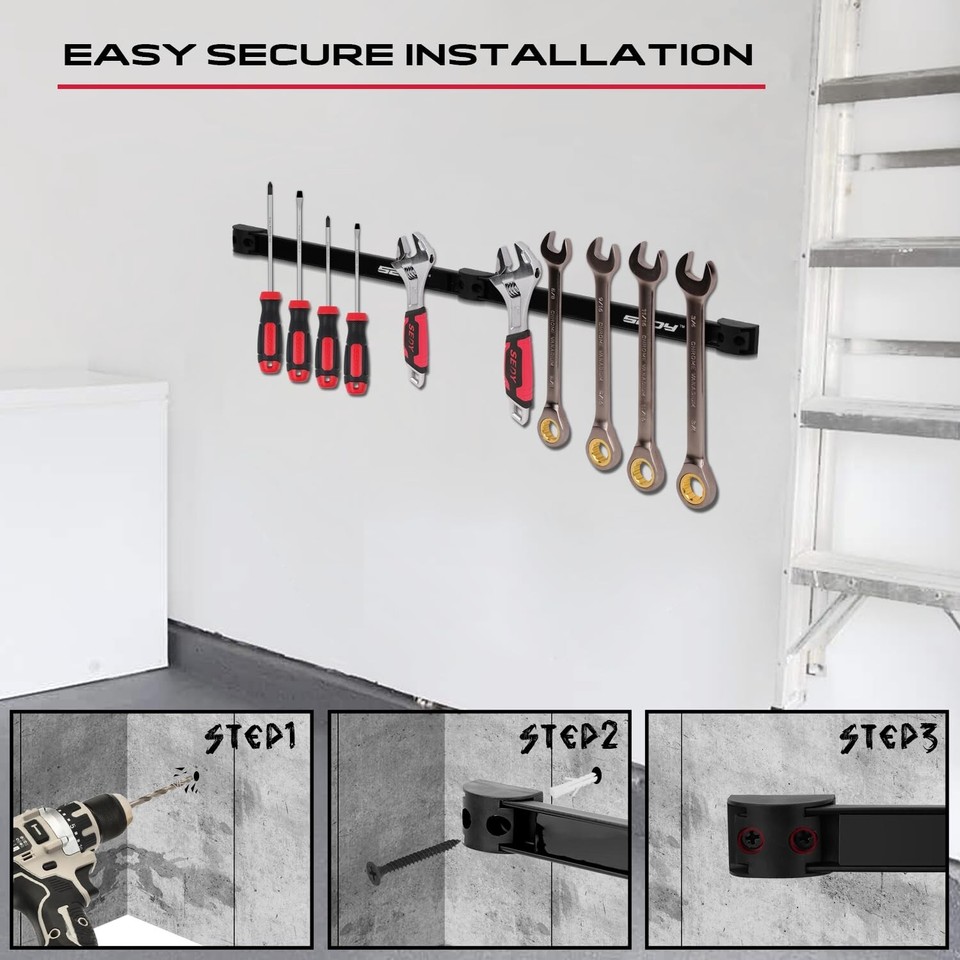
Installation Steps
Using magnetic strips for tools helps keep your workspace tidy. Proper installation ensures the strip holds tools safely.
Follow these clear steps to install your magnetic strip correctly and securely.
Measuring And Marking
Start by measuring the space where you want to place the magnetic strip. Use a tape measure to find the exact length needed.
- Measure the wall or surface area.
- Mark the desired position with a pencil.
- Check that the strip will fit without blocking anything.
- Ensure the height is comfortable for reaching your tools.
Mounting Techniques
Choose a mounting method that fits your wall type and tool weight. You can use screws, adhesive strips, or brackets.
| Mounting Method | Best For | Tools Weight |
| Screws | Drywall, wood | Heavy tools |
| Adhesive strips | Smooth surfaces | Light tools |
| Brackets | Uneven walls | Medium to heavy tools |
Securing The Magnetic Strip
After mounting, press the magnetic strip firmly to secure it. Check that it does not move or wiggle.
- Attach the strip using the chosen method.
- Press evenly along the length of the strip.
- Test the strip by placing a tool on it.
- Reinforce if the strip feels loose or unstable.
Organizing Tools Effectively
Using magnetic strips for tools keeps your workspace neat and tidy. It saves time by making tools easy to find and access.
Organizing tools well helps protect them from damage and makes your work smoother. Below are ways to arrange your tools using magnetic strips.
Grouping By Type Or Size
Group tools on magnetic strips by their type or size to keep them orderly. This method makes it easier to locate what you need quickly.
- Place all screwdrivers together by size or type.
- Group pliers separately from wrenches.
- Keep small tools like drill bits in a separate area.
- Arrange large tools where they fit comfortably on the strip.
Arranging For Accessibility
Place magnetic strips at a height and location where you can easily reach your tools. Arrange tools so you grab the ones used most often first.
| Tool Type | Placement Tip |
| Frequently Used | At eye level for quick reach |
| Occasionally Used | Higher or lower on the wall |
| Heavy Tools | Lower strip for safety |
Labeling And Customization
Label each section of the magnetic strip to identify tools quickly. Customize the setup to fit your tool collection and workspace.
Try these labeling tips:
- Use adhesive labels above or below the strip.
- Color-code labels by tool type or frequency.
- Add small hooks or holders for odd-shaped tools.
Maintenance Tips
Magnetic strips for tools need regular care to work well. Proper maintenance keeps them strong and safe.
Following simple steps can help you avoid damage and keep your tools organized.
Cleaning Magnetic Strips
Dust and dirt reduce the magnet’s hold. Clean the strips often to keep them sticky.
- Use a dry cloth to wipe the surface
- Remove stubborn dirt with a damp cloth and mild soap
- Dry the strip completely before placing tools back
- Avoid harsh chemicals that can damage the magnet
Checking Magnet Strength
Check the magnet strength to ensure it holds your tools securely. Weak magnets can cause tools to fall.
- Place a light tool on the strip
- Try to pull the tool gently
- If the tool falls easily, the magnet is weak
- Test multiple spots on the strip for consistency
Replacing Worn Strips
Worn magnetic strips lose their grip and can damage your tools. Replace them when needed.
| Sign of Wear | Action Needed |
| Peeling or cracking surface | Replace strip immediately |
| Weak magnet pull | Test and replace if below standard |
| Rust or corrosion | Remove and install a new strip |
Creative Uses Beyond Tools
Magnetic strips are not just for holding tools. They can help organize many spaces in your home or workspace.
These strips save space and keep small items easy to find. Let’s explore some creative uses beyond tools.
Kitchen Organization
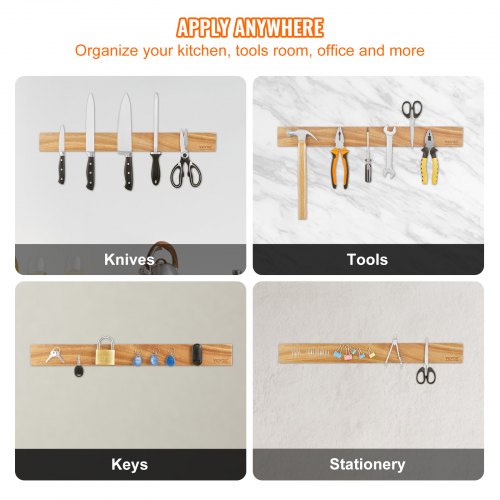
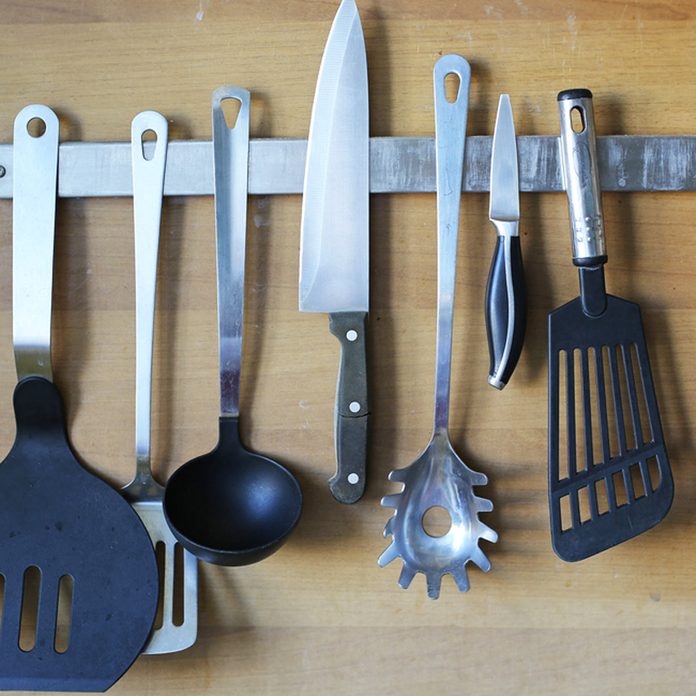
Magnetic strips keep kitchen knives and utensils off the counter. They free up drawer and counter space.
You can also attach spice jars with metal lids to the strip. This keeps spices visible and easy to grab.
- Mount knives for quick access
- Hold metal cooking utensils
- Store spice jars with metal lids
- Hang small metal containers or cups
Craft Supplies Storage
Magnetic strips help organize metal craft supplies like scissors, tweezers, and needles. They keep your workspace tidy.
You can also use them to store small tins with beads, pins, or magnets. This makes supplies easy to see and reach.
- Hang scissors and metal tools
- Keep tweezers and needles safe
- Attach small metal tins for beads or pins
- Organize metal rulers or stencils
Garage And Workshop Ideas
Beyond tools, magnetic strips hold screws, nails, and drill bits. This keeps small parts from getting lost.
Use them to hang metal parts or containers on walls. It saves space and improves your workflow.
- Store screws and nails in metal containers
- Hang drill bits and small parts
- Keep metal parts visible and organized
- Attach containers or bins to the strip
Credit: www.familyhandyman.com
Frequently Asked Questions
What Tools Work Best With Magnetic Strips?
Magnetic strips work best with metal tools like screwdrivers, pliers, and wrenches. Avoid using plastic or non-metal tools as they won’t stick.
How Do I Install Magnetic Strips For Tools?
Clean the mounting surface, peel off the adhesive backing, and firmly press the strip in place. Allow 24 hours for full adhesion.
Are Magnetic Strips Safe For Power Tools?
Yes, magnetic strips are safe for small power tools with metal parts. Avoid heavy or vibrating tools that may fall off.
Can Magnetic Strips Hold Heavy Tools Securely?
Magnetic strips hold light to medium-weight metal tools securely. For heavy tools, use stronger magnets or alternative storage options.
Conclusion
Magnetic strips keep your tools neat and easy to find. They save space and reduce clutter in your workspace. You can place them on walls or inside cabinets. This way, your tools stay visible and ready to use. Installation is quick and requires minimal effort.
Try different layouts to fit your needs best. Using magnetic strips helps keep your work area safe and tidy. Simple, effective, and affordable—magnetic strips are a smart tool storage choice.