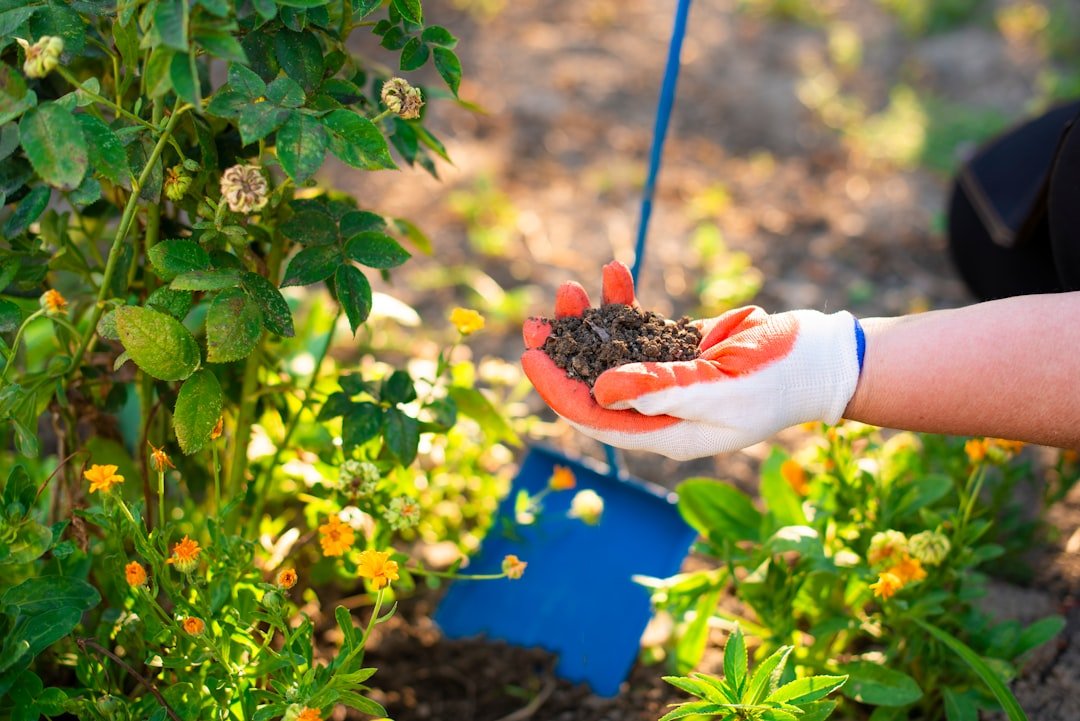
Are you looking to give your garden a fresh new look? Transplanting shrubs can be the perfect way to reshape your outdoor space without starting from scratch.
But moving these plants isn’t as simple as digging and planting. If done wrong, your shrubs might not survive the change. This guide will show you exactly how to transplant shrubs the right way, helping you save time, money, and effort.
Keep reading to discover easy steps that will make your landscaping project a success and turn your garden into a beautiful haven.

Credit: www.amazon.com
Choosing The Right Shrubs
Picking the right shrubs is key for a healthy landscape. The right shrubs fit your climate and soil.
Good choices make your yard look great and save you work later. Learn how to choose well.
Selecting Shrubs For Your Climate
Plants grow best in climates they like. Choose shrubs that match your area’s weather.
Check if shrubs can handle your winters and summers. Some plants need lots of rain or dry air.
- Find out your climate zone
- Pick shrubs listed for your zone
- Ask local gardeners for advice
Considering Shrub Size And Growth
Think about how big your shrubs will grow. Some get tall quickly; others stay small.
Leave enough space for growth. Crowding plants can hurt them and your design.
- Check the mature height and width
- Plan space between shrubs
- Choose slower growers for small spaces
Evaluating Soil And Sunlight Needs
Shrubs need the right soil and sunlight to grow well. Some like shade, others need full sun.
Test your soil type and check if it drains well. Match plants to your soil and light.
- Know if your soil is sandy, clay, or loam
- Pick shrubs that suit your soil type
- Match shrub sunlight needs to your yard

Credit: davesgarden.com
Preparing For Transplanting
Transplanting shrubs helps improve your landscape’s look. It lets plants grow in better places.
Good preparation makes sure your shrubs survive and thrive after moving. Learn what to do first.
Best Time To Transplant Shrubs
Choose the right season to transplant shrubs. This lowers stress on the plants.
Early spring or fall is usually best. The weather is cooler and rain helps new roots.
- Spring: Before buds open
- Fall: After leaves drop but before frost
- Avoid hot summer days and freezing winter
Gathering Necessary Tools And Materials
Prepare tools to make transplanting easier. Having everything ready saves time.
Common tools include shovels, pruners, gloves, and watering cans. Use fresh soil and mulch too.
- Shovel for digging
- Pruning shears to trim roots and branches
- Gardening gloves to protect hands
- Watering can or hose
- Fresh soil or compost
- Mulch to keep soil moist
Preparing The New Planting Site
Pick a good spot for the shrub. Check sunlight, soil type, and space for growth.
Dig a hole twice as wide as the root ball. Loosen soil around the hole to help roots spread.
- Ensure the area has enough sunlight for the shrub
- Test soil drainage by digging a small hole and filling with water
- Clear weeds and rocks from the site
- Dig a wide, shallow hole for easy root growth
- Add compost or fertilizer to enrich the soil
Step-by-step Transplanting Process
Transplanting shrubs helps improve your landscape design and plant health. Doing it right keeps the shrub strong and growing well.
This guide explains how to move shrubs carefully in simple steps. Follow each part to avoid damage and stress to your plants.
Digging Up The Shrub Carefully
Start by watering the shrub a day before digging. Wet soil holds roots better and reduces damage.
Dig a trench around the shrub’s drip line. This is the area under the outer leaves where roots spread.
- Use a sharp shovel to cut roots cleanly
- Dig deep enough to get the main root ball
- Work slowly to avoid breaking roots
Protecting The Root Ball
Keep the root ball intact to help the shrub survive. Wrap it with burlap or a similar material to hold soil and roots.
Do not let the roots dry out. Keep the root ball moist by spraying water or covering it with damp cloth.
- Wrap root ball tightly with burlap or plastic
- Keep it shaded and cool until transplanting
- Water the roots if they start to dry
Transporting Shrubs Safely
Move shrubs quickly to reduce stress. Place them upright in a vehicle with soft padding to prevent shaking.
Protect leaves and branches from damage by tying them gently if needed. Avoid exposing shrubs to strong wind or sun.
- Use a tarp or blanket to protect the shrub
- Secure the shrub to avoid movement
- Keep transport time as short as possible
Planting In The New Location
Dig a hole twice as wide as the root ball but not deeper. This gives roots space to spread out.
Place the shrub in the hole so the top of the root ball is level with the soil surface. Fill around with soil and press gently.
- Water the shrub well after planting
- Add mulch around the base to keep moisture
- Watch the shrub for signs of stress in the first weeks

Credit: www.waysidegardens.com
Aftercare For Transplanted Shrubs
Taking care of shrubs after transplanting is very important for their growth. Proper aftercare helps shrubs settle into their new place. It reduces stress and helps them stay healthy.
This guide covers key steps to care for transplanted shrubs. Focus on watering, mulching, feeding, and watching for problems. These steps help your shrubs thrive.
Watering And Mulching Tips
Water your shrub deeply right after planting. Keep the soil moist but not soaked. Mulching helps keep soil moist and stops weeds.
- Water shrubs early in the morning or late afternoon.
- Apply 2-3 inches of mulch around the base.
- Keep mulch 2 inches away from the shrub trunk.
- Check soil moisture regularly for dryness.
Fertilizing Guidelines
Wait a few weeks after transplanting before fertilizing. Use a balanced fertilizer to support root growth. Avoid overfeeding to prevent damage.
| Fertilizer Type | When to Apply | Amount |
| Slow-release balanced fertilizer | 4-6 weeks after transplant | Follow package instructions |
| Organic compost | At planting and early spring | 2-3 inches layer around shrub base |
| Liquid fertilizer | During active growth | Half strength every 2 weeks |
Monitoring For Stress And Pests
Watch your shrub for signs of stress or pests. Early detection helps prevent serious damage. Look for drooping leaves, discoloration, or insect damage.
- Check leaves and stems weekly for pests.
- Remove damaged or dead branches quickly.
- Use insecticidal soap for minor pest problems.
- Keep the area around the shrub clean.
Common Mistakes To Avoid
Transplanting shrubs can improve your garden’s look. But many people make simple mistakes that harm the plants.
Knowing what to avoid helps your shrubs grow healthy and strong after moving them.
Transplanting At The Wrong Time
Moving shrubs at the wrong time can stress or kill them. Avoid transplanting during hot summer or freezing winter.
The best time is usually early spring or fall when temperatures are mild and plants are not actively growing.
Ignoring Soil Preparation
Planting shrubs in poor soil can stop them from growing well. Prepare the soil by loosening it and adding compost.
Good soil helps roots spread and absorb nutrients easily. Check soil drainage to avoid water build-up around roots.
- Remove weeds and rocks
- Add organic matter like compost
- Ensure soil drains water well
Overwatering Or Underwatering
Giving too much or too little water can harm shrubs after transplanting. Both can cause root problems and poor growth.
Water the shrub deeply but let the soil dry a bit between watering. Check soil moisture to keep it balanced.
- Water deeply right after transplanting
- Let top soil dry before watering again
- Adjust watering based on weather and soil type
Frequently Asked Questions
How Do I Prepare Shrubs For Transplanting?
Water the shrub thoroughly a day before transplanting. Prune any dead or damaged branches. Dig around the root ball carefully to keep roots intact.
When Is The Best Time To Transplant Shrubs?
Early spring or fall is ideal. Avoid extreme heat or cold. These seasons help shrubs recover quickly with minimal stress.
How Deep Should I Dig For Shrub Transplanting?
Dig a hole twice as wide as the root ball. Make the hole slightly deeper to accommodate root depth. This ensures roots spread easily.
How Often Should Transplanted Shrubs Be Watered?
Water immediately after planting. Keep soil moist but not soggy for the first few weeks. Regular watering supports root establishment and growth.
Conclusion
Transplanting shrubs can boost your landscape’s beauty. Follow the steps carefully. Choose the right time and tools for success. Prepare the new location before moving the shrub. Ensure roots are well-protected during the process. Watering is crucial, both before and after transplanting.
Keep an eye on the shrub’s health as it adjusts. With patience, your garden will thrive. Enjoy the new landscape you’ve created. Gardening is rewarding and relaxing. Happy planting!
