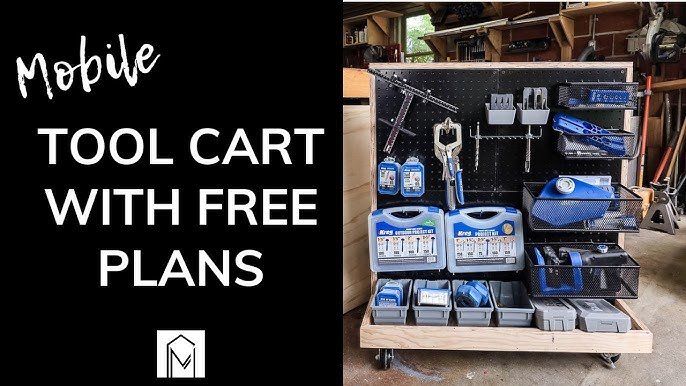
Are you tired of constantly searching for your tools every time you need them? Imagine having everything you need at your fingertips, neatly organized and ready to go.
A mobile tool storage cart can be your new best friend, keeping your tools handy and your workspace clutter-free. In this guide, you’ll discover how to set up a mobile tool storage cart that transforms your efficiency and productivity. Whether you’re a seasoned DIY enthusiast or just starting out, having a well-organized tool cart can make all the difference.
Stick around, and you’ll learn not only how to set up your cart but also how to customize it to fit your unique needs. Get ready to revolutionize your workspace and take the hassle out of your projects!
Choosing The Right Cart
Selecting the right mobile tool storage cart helps keep tools organized and easy to move. Choose a cart that fits your workspace and tool needs.
Consider the cart’s type, material, size, and weight capacity to find the best match for your tasks.
Types Of Mobile Tool Storage Carts
There are several types of tool carts. Each type suits different tool collections and work styles.
- Rolling tool chests with multiple drawers
- Open carts with shelves for large tools
- Combination carts with drawers and shelves
- Compact carts for small tool sets
Material And Durability
Tool carts come in metal, plastic, or wood. Metal carts offer strong durability and long life.
Plastic carts are lightweight and resist rust but may not hold heavy tools well. Wood carts look good but can wear out faster.
- Metal carts: strong and long-lasting
- Plastic carts: light and rust-proof
- Wood carts: stylish but less durable
Size And Weight Capacity
Choose a cart size that fits your tools and workspace. Larger carts hold more tools but take more space.
Check the weight capacity to ensure the cart can carry your heaviest tools safely.
| Cart Size | Weight Capacity | Best For |
|---|---|---|
| Small | Up to 100 lbs | Hand tools and small parts |
| Medium | 100-300 lbs | Power tools and medium gear |
| Large | Over 300 lbs | Heavy tools and large equipment |
Essential Tools And Supplies
Setting up a mobile tool storage cart needs the right tools and supplies. This helps keep your workspace clean and your tools easy to find.
Organizing your cart well saves time and effort during work. Safety gear also protects you while using the tools.
Basic Tools For Setup
Start with essential hand tools that fit in your cart. These tools help with most repair and maintenance tasks.
- Screwdrivers (flathead and Phillips)
- Hammer
- Pliers (needle nose and standard)
- Adjustable wrench
- Measuring tape
- Utility knife
- Socket set
Organizing Accessories
Good organization keeps your tools in place and easy to access. Use dividers and trays to separate tools by type and size.
| Accessory | Purpose |
| Drawer dividers | Separate small tools and parts |
| Tool trays | Hold frequently used tools on top |
| Magnetic strips | Keep metal tools visible and handy |
| Label stickers | Identify tool locations quickly |
| Small bins | Store screws, nails, and other small items |
Safety Equipment
Safety equipment protects you during work. Keep this gear in your cart for quick use.
- Safety glasses or goggles
- Work gloves
- Ear protection (earmuffs or plugs)
- Dust masks or respirators
- First aid kit
Assembly Steps
Setting up your mobile tool storage cart is easy. Follow these steps to assemble it correctly.
This guide covers unpacking, assembly, and securing the wheels and handles.
Unpacking And Inspecting Parts
Start by carefully opening the box. Lay out all parts on a clean surface. Check for any damage or missing pieces before assembly.
- Verify the number of drawers and panels
- Inspect wheels and handles for defects
- Check screws, bolts, and tools included
- Keep the instruction manual handy
Step-by-step Assembly
Follow these steps in order. Take your time to avoid mistakes and ensure safety.
- Attach side panels to the base frame using screws
- Install the drawers by sliding them into the tracks
- Secure the top panel with bolts provided
- Tighten all screws and bolts firmly
- Double-check the alignment of all parts
Securing Wheels And Handles
Attach wheels and handles securely to make the cart mobile and easy to use.
| Part | How to Attach | Tools Needed |
|---|---|---|
| Wheels | Insert bolts through wheel holes and tighten with wrench | Wrench, bolts |
| Handles | Align handle holes with side panels and secure with screws | Screwdriver, screws |

Credit: m.youtube.com
Organizing Your Tools
Keeping your tools organized in a mobile storage cart saves time. It helps you find what you need quickly.
A well-organized cart also protects your tools from damage. It makes your work area neat and efficient.
Sorting Tools By Category
Group your tools by type to keep things clear. Put all screwdrivers, wrenches, and pliers in separate sections.
Sorting tools this way makes it easy to find the right one fast. It also helps you know if something is missing.
- Hand tools like hammers and screwdrivers
- Power tools such as drills and saws
- Fasteners and small parts like nails and screws
- Measuring tools like tape measures and levels
Using Drawers And Compartments
Use drawers to keep small tools safe and organized. Compartments help separate tools inside the drawers.
Choose drawer sizes based on the tools you have. Large drawers can hold bulky tools, while small ones fit tiny parts.
- Store frequently used tools in top drawers
- Use deep drawers for heavy or large tools
- Keep small compartments for screws and bolts
- Place rarely used tools at the bottom
Labeling For Easy Access
Label each drawer and compartment clearly. Labels help you find tools without opening every drawer.
Use simple words or pictures on the labels. This makes it easy for anyone to understand and keep tools organized.
- Write tool names on labels
- Use color-coded labels for categories
- Place labels on the front of drawers
- Update labels if you move tools around
Maintenance Tips
Keeping your mobile tool storage cart in good shape helps it last longer. Proper maintenance makes your cart safe and easy to use.
Follow simple steps regularly to keep the cart working well. This guide covers cleaning, lubricating, and checking parts for damage.
Regular Cleaning
Clean your tool cart often to stop dirt and dust from building up. A clean cart looks good and works better.
Use a damp cloth to wipe the surfaces and remove grime. Avoid harsh chemicals that can damage the finish.
- Wipe down shelves and handles weekly
- Remove debris from wheels and tracks
- Dry the cart after cleaning to prevent rust
Lubricating Moving Parts
Lubricate wheels, hinges, and drawer slides to keep them moving smoothly. This stops squeaks and makes the cart easier to roll.
Use light machine oil or silicone spray for lubrication. Apply a small amount and wipe off any extra oil.
- Lubricate wheels and casters monthly
- Apply oil to drawer slides every two months
- Check hinges and joints for stiffness
Checking For Wear And Tear
Inspect your cart regularly for signs of damage. Catching problems early keeps your cart safe and working well.
Look for cracks, loose screws, or worn wheels. Fix or replace parts as needed to avoid bigger issues.
- Check all screws and bolts monthly
- Look for cracks in the frame or shelves
- Test wheels for smooth rotation and replace if worn

Credit: www.youtube.com
Maximizing Mobility And Safety
Setting up a mobile tool storage cart helps keep your tools organized and easy to move. It also ensures safety while transporting tools.
This guide covers important features to improve mobility and keep tools secure during use and transport.
Locking Mechanisms
Locking wheels stop the cart from moving when you work. They keep the cart steady and safe.
Choose carts with strong locks that are easy to use. This prevents accidents and protects your tools.
- Use swivel casters with locks for easy steering and stability
- Check locks regularly to make sure they work well
- Lock the cart before loading or unloading tools
Safe Movement Practices
Push or pull the cart slowly to avoid tipping. Use both hands for better control.
Move the cart over flat surfaces and avoid rough or uneven floors. This reduces the risk of accidents.
- Clear the path before moving the cart
- Keep the load balanced to prevent tipping
- Wear proper shoes to avoid slipping
- Do not overload the cart beyond its weight limit
Securing Tools During Transport
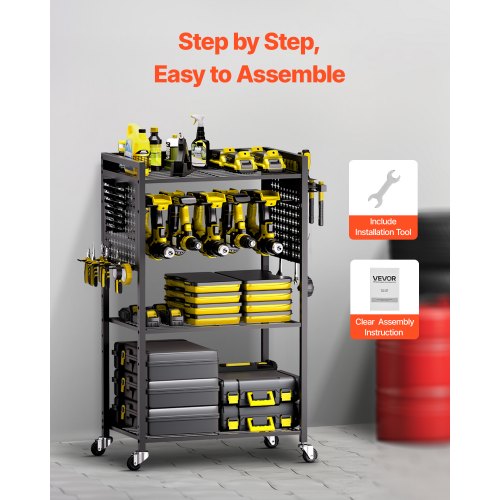
Keep tools from shifting inside the cart by using organizers or trays. This protects tools and prevents injuries.
Close and lock drawers before moving the cart. This stops tools from falling out during transport.
- Use foam inserts or dividers to separate tools
- Secure heavy tools at the bottom of the cart
- Check that all latches and locks are fastened
- Cover sharp tools to avoid cuts
Credit: www.vevor.com
Frequently Asked Questions
What Tools Are Essential For A Mobile Tool Storage Cart?
Essential tools include screwdrivers, wrenches, pliers, a hammer, and measuring tape. Organize frequently used tools for easy access and efficiency.
How Do I Choose The Right Size For My Cart?
Select a cart size based on your tool collection and workspace. Ensure it fits comfortably and allows mobility without clutter.
What Materials Are Best For A Durable Tool Cart?
Steel and heavy-duty plastic are ideal for durability. They resist wear, support heavy tools, and provide long-lasting use.
How Can I Organize Tools Effectively In The Cart?
Use drawers, bins, and dividers to separate tools by type. Label sections clearly for quick identification and retrieval.
Conclusion
Setting up a mobile tool storage cart saves time and keeps tools organized. Choose the right cart that fits your needs. Arrange your tools by size and use for easy access. Label drawers or compartments to find items quickly. Regularly clean and check the cart to keep it in good shape.
A well-organized cart makes work smoother and more efficient. Start today and enjoy the benefits of neat tool storage. Simple steps lead to better workspace and less frustration.