Unlock the secrets of precise landscaping with a tool that’s as simple as it is effective—the measuring wheel. If you’ve ever found yourself guessing the dimensions of your garden or struggling to calculate the perfect layout for your outdoor spaces, this guide is for you.
Imagine creating the landscape of your dreams with confidence, knowing every inch is measured to perfection. No more second-guessing or frustrating do-overs. You’ll discover how to use a measuring wheel to make your landscaping projects easier, faster, and more accurate.
Ready to transform your outdoor space with the precision of a professional? Read on to learn how this invaluable tool can become your new best friend in landscaping.
Choosing The Right Measuring Wheel
A measuring wheel helps you measure distances quickly and easily. It is useful for landscaping projects.
Picking the right measuring wheel can make your work faster and more accurate. Consider the type, size, and features.
Types Of Measuring Wheels
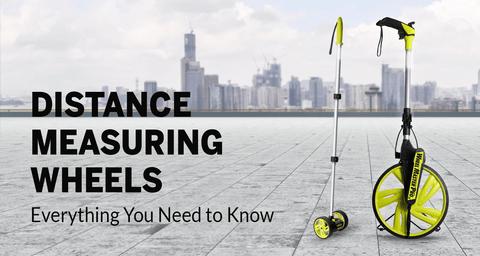
There are several types of measuring wheels. Each type fits different jobs and budgets.
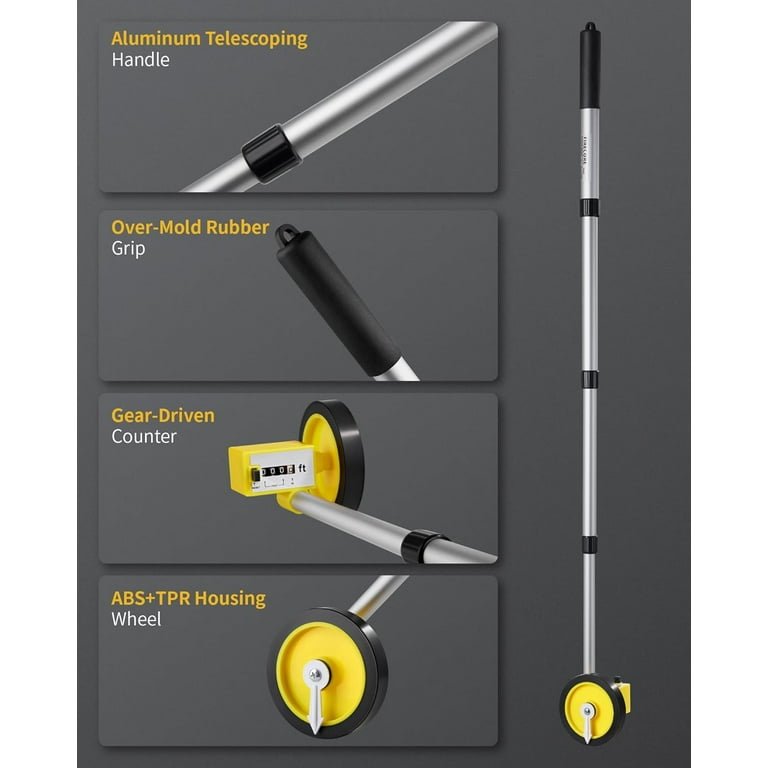
- Manual Wheels:Simple wheels with a mechanical counter. They are easy to use and affordable.
- Digital Wheels:These have electronic displays. They show measurements clearly and can store data.
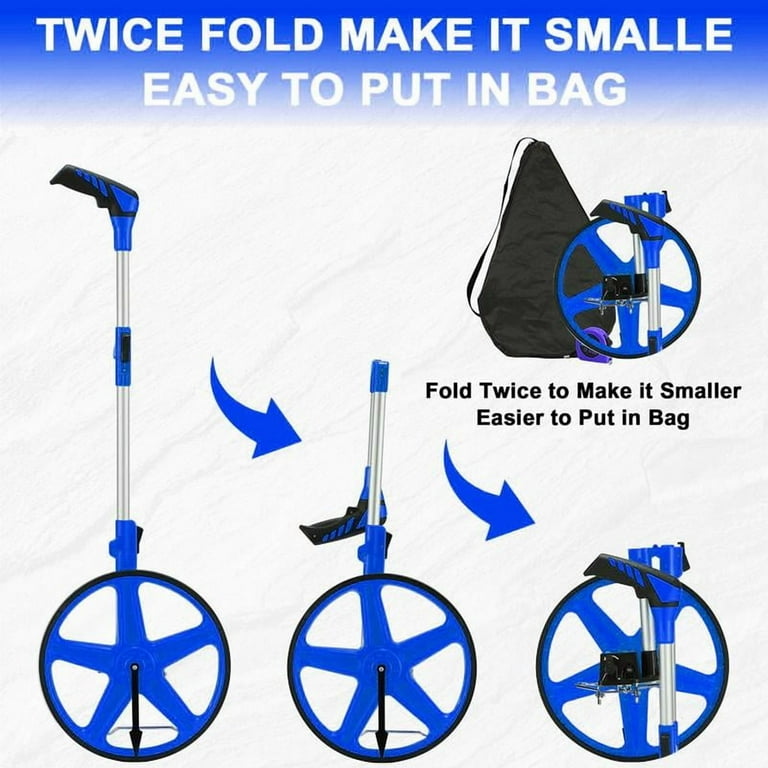
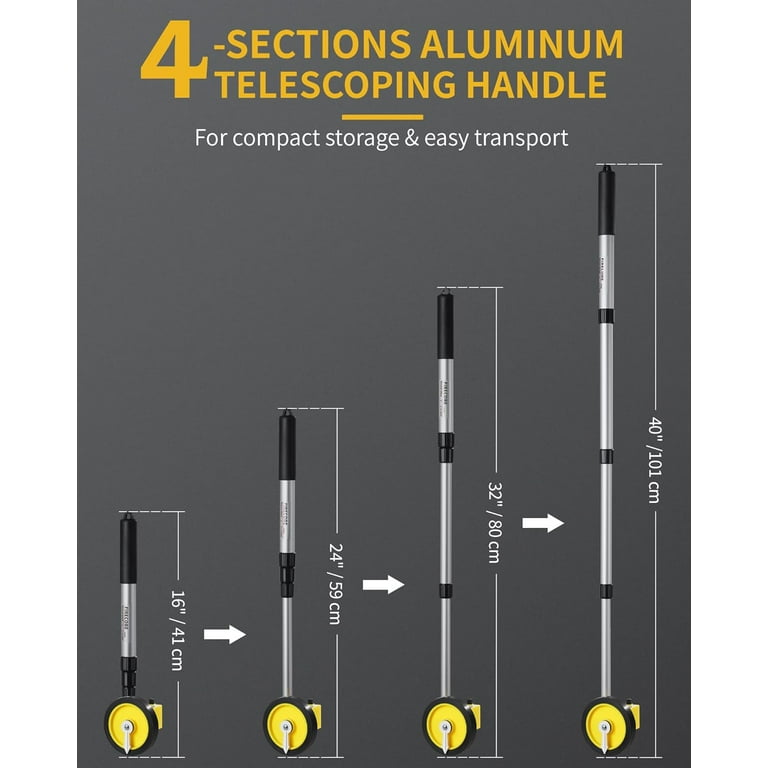
- Foldable Wheels:Designed for easy storage and transport. Good for landscapers on the go.
Wheel Size And Terrain
Wheel size affects how well the wheel moves on different surfaces. Choose based on your landscape.
- Small Wheels:Best for smooth, flat surfaces like patios and lawns.
- Large Wheels:Roll over rough, uneven ground like gravel and dirt easily.
- Medium Wheels:Work well on mixed terrain with some bumps.
Think about the terrain you measure most. A bigger wheel saves time on rough ground.
Digital Vs. Mechanical Models
Mechanical wheels use a simple counter to track distance. They are reliable and do not need batteries.
Digital wheels show readings on a screen. They can be easier to read and may have extra features.
- Mechanical:Durable, no power needed, usually less expensive.
- Digital:Clear display, memory functions, may need batteries.
Credit: engineerwarehouse.com
Preparing For Accurate Measurements
Using a measuring wheel helps you get exact distances for landscaping projects. Preparing well ensures your measurements are reliable and easy to use.
Before you start, focus on setting up your wheel and plan your path carefully. Clearing obstacles also helps avoid errors.
Calibrating Your Wheel
Calibration sets your measuring wheel to the correct distance per wheel rotation. This step is key for accuracy.
- Find a flat, measured surface like a driveway or sidewalk.
- Roll the wheel along this surface for one full rotation.
- Check the distance shown and compare it to the known length.
- Adjust the wheel’s settings if the measurement is off.
- Repeat until the wheel matches the real distance closely.
Planning Your Measurement Path
Planning your path helps you cover the area efficiently and reduces mistakes. Think about the shape and size of your landscape.
- Sketch the area you want to measure on paper.
- Mark where you will start and end your measurements.
- Choose straight lines to make rolling easier.
- Break larger areas into smaller sections if needed.
- Plan a clear route that avoids doubling back.
Clearing Obstacles
Remove anything that blocks your wheel or causes uneven rolling. Obstacles can cause wrong readings or slow you down.
| Obstacle Type | How to Clear | Why It Matters |
| Rocks and debris | Pick up or move aside | Prevents wheel from bouncing |
| Grass and leaves | Trim or rake area | Keeps wheel rolling smoothly |
| Branches and sticks | Cut back or remove | Avoids wheel getting stuck |
| Uneven ground | Fill holes or level surface | Ensures consistent wheel contact |
Step-by-step Measuring Process
Using a measuring wheel helps you get accurate distances for landscaping projects. This tool measures ground length by rolling over surfaces.
Follow these steps to use the measuring wheel correctly and get precise results.
Starting Point Setup
Choose a clear, flat spot to start measuring. Place the wheel’s counter at zero before you begin. Make sure the wheel touches the ground fully for an accurate start.
Maintaining Consistent Speed
Walk at a steady pace while pushing the wheel. Avoid sudden stops or fast movements. Consistent speed helps the wheel count distance properly.
- Hold the handle firmly but comfortably.
- Walk smoothly without rushing.
- Keep the wheel straight along your path.
- Watch the counter for any errors.
Handling Turns And Corners
Take turns slowly to avoid losing count. When you reach a corner, pause briefly, then turn the wheel carefully. Keep the wheel close to the ground at all times.
| Tip | Action |
| Sharp Corner | Stop, turn wheel slowly, then continue |
| Wide Curve | Keep moving at steady speed without stopping |
| Uneven Surface | Lower speed to keep wheel contact with ground |
Credit: www.walmart.com
Common Mistakes To Avoid
Using a measuring wheel for landscaping is easy but needs care. Small mistakes can cause big errors in your measurements.
Learn about common mistakes to avoid for accurate results and smooth work.
Overlooking Calibration
Calibration means setting your measuring wheel to the right distance. If you skip this, your measurements will be wrong.
Always check and adjust the wheel before starting. This helps you get exact numbers every time.
Inconsistent Wheel Contact
The wheel must touch the ground firmly and evenly. Lifting or dragging it causes false readings.
Keep steady pressure and roll the wheel smoothly to get correct measurements.
- Hold the handle at a comfortable height
- Keep the wheel straight on the path
- Roll without bouncing or skipping
Ignoring Terrain Variations
Measuring over hills, rocks, or soft ground can change the wheel’s path. This leads to errors in length.
Adjust your route or measure in sections to handle different terrains carefully.
- Measure flat sections separately
- Avoid rough or uneven spots if possible
- Note terrain changes for accurate planning
Recording And Using Measurements
Using a measuring wheel in landscaping helps you get accurate distances fast. Recording your data correctly is important to avoid mistakes later.
This guide shows how to note down measurements, convert them, and use them with other tools for better landscaping results.
Noting Down Data Efficiently
Write down your measurements right after recording them. Use a notebook or a digital app to keep everything organized.
- Record the date and location of each measurement.
- Write down the distance in the unit shown on your measuring wheel.
- Note any obstacles or special conditions affecting the measurement.
- Use clear handwriting or typed text to avoid confusion later.
Converting Measurements For Plans
Convert your raw measurements into the units your landscaping plan uses. This step ensures your design matches the real space.
| Original Unit | Conversion Factor | Converted Unit |
| Feet | 0.3048 | Meters |
| Meters | 3.281 | Feet |
| Inches | 2.54 | Centimeters |
| Centimeters | 0.3937 | Inches |
Integrating With Landscaping Tools
Use your measurements with landscaping software or drawing tools to create accurate designs. Upload your data or enter it manually.
- Keep a digital copy of measurements to avoid errors.
- Match units in your measuring wheel with software settings.
- Double-check entered data for accuracy before finalizing plans.
Maintenance Tips For Measuring Wheels
Measuring wheels are useful tools for landscaping projects. Keeping them in good shape helps ensure accurate measurements. Regular care can extend their life.
Below are important tips for cleaning, storing, and inspecting your measuring wheel. These steps help maintain its performance.
Cleaning After Use
After using your measuring wheel, remove dirt and debris. This prevents build-up that can affect its movement and accuracy.
- Use a soft brush to clear mud and grass from the wheel.
- Wipe the frame and handle with a damp cloth.
- Dry the wheel thoroughly to stop rust or corrosion.
- For sticky residue, use mild soap and water.
Storage Recommendations
Store your measuring wheel in a dry, cool place. Proper storage protects it from damage and weather effects.
| Storage Tip | Reason |
|---|---|
| Keep off direct sunlight | Prevents plastic parts from fading or cracking |
| Hang or stand upright | Avoids warping the wheel or frame |
| Avoid damp areas | Stops rust and mold growth |
| Cover with cloth or case | Protects from dust and scratches |
Regular Inspection And Repairs
Check your measuring wheel often for signs of wear or damage. Early repairs keep it working well and safe to use.
- Inspect the wheel for cracks or dents.
- Check that the counter resets and counts properly.
- Tighten loose screws or bolts on the frame.
- Replace worn parts like tires or handles.
- Lubricate moving parts to keep smooth rotation.
Credit: www.walmart.com
Frequently Asked Questions
What Is A Measuring Wheel Used For In Landscaping?
A measuring wheel helps accurately measure distances on outdoor surfaces. It’s ideal for planning garden layouts, pathways, and fence lines in landscaping projects.
How Do You Operate A Measuring Wheel Correctly?
To operate, place the wheel at your starting point. Walk steadily along the area, and the wheel’s counter will show the distance traveled.
Can A Measuring Wheel Measure Curved Or Uneven Surfaces?
Yes, measuring wheels adapt well to curves and uneven ground. They provide more practical measurements than tape measures in landscaping settings.
What Are The Benefits Of Using A Measuring Wheel Outdoors?
Measuring wheels offer quick, efficient distance measurement over large areas. They reduce errors and save time compared to manual tape measuring.
Conclusion
Using a measuring wheel makes landscaping tasks easier and faster. It helps you measure long distances without hassle. Just roll it along the ground, and read the numbers. This tool saves time and reduces mistakes. Perfect for gardens, yards, and large spaces.
Practice a few times to get comfortable. Soon, you will measure like a pro. Accurate measurements lead to better planning and results. Keep the wheel clean and store it properly. A simple tool with big benefits for your landscaping projects.