When it comes to crafting or repairing, knowing how to use pliers for bending wires can be a game-changer. Whether you’re working on a DIY project, jewelry making, or simple household repairs, mastering this tool can save you time and effort.
Imagine effortlessly shaping wires to your desired form, achieving precision and creativity in every twist and turn. Don’t worry if you’re a beginner; with the right tips and techniques, you can become a pro at wire bending in no time.
Ready to unlock the potential of your pliers? Keep reading, and discover how you can transform your projects with just a simple tool in your hands.
Choosing The Right Pliers
Using the right pliers makes bending wires easier and safer. Different pliers suit different wire shapes and sizes.
Knowing which pliers to pick helps you work cleanly and avoid damage to the wire.
Types Of Pliers For Wire Bending
There are many pliers designed for bending wires. Each type offers control and strength for specific tasks.
- Needle-Nose Pliers:Long, thin jaws for precise bends and tight spaces.
- Round-Nose Pliers:Rounded jaws perfect for making loops and curves.
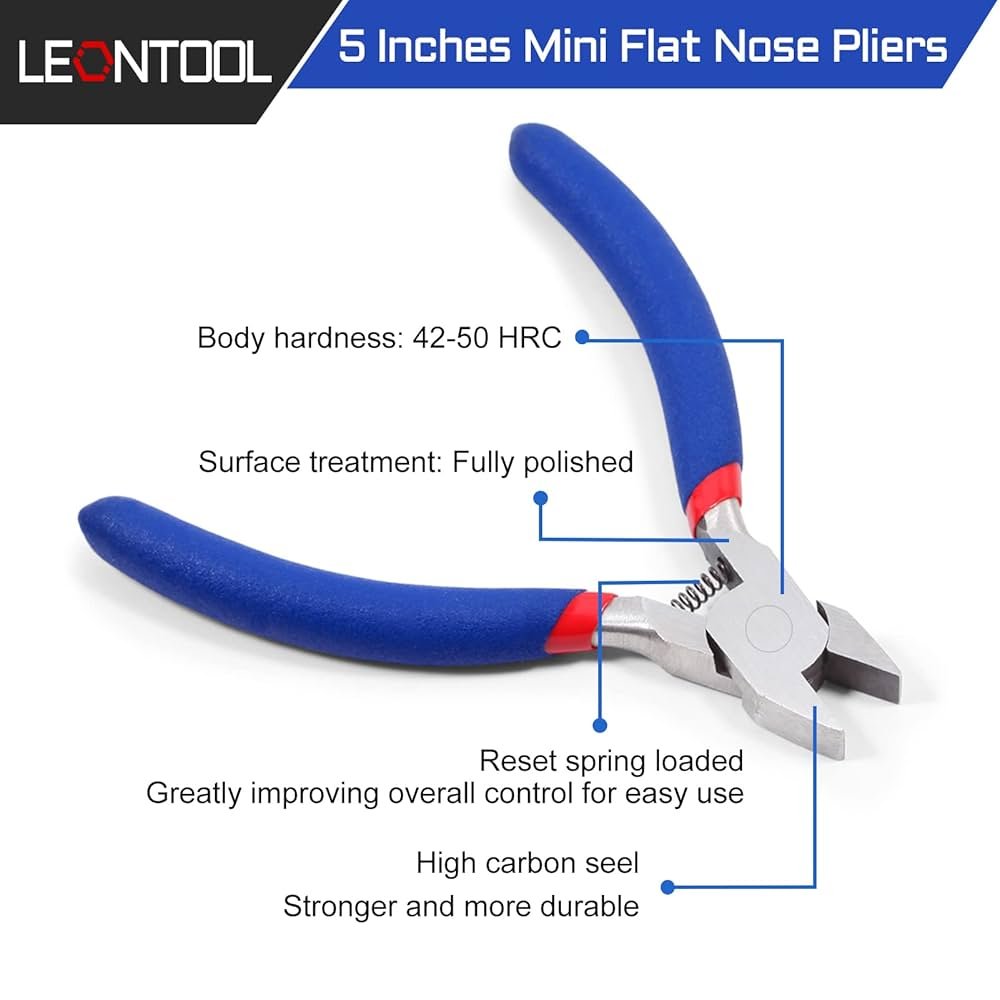
- Flat-Nose Pliers:Wide, flat jaws for gripping and folding wire sharply.
- Chain-Nose Pliers:Similar to flat-nose but with tapered tips for fine detail work.
- Linesman Pliers:Strong jaws for heavy wire and cutting tasks.
Selecting Based On Wire Material And Thickness
Wire type and thickness change the kind of pliers you need. Soft wires need less force; hard wires need stronger tools.
| Wire Material | Recommended Pliers | Reason |
| Copper or Aluminum (Soft Wire) | Needle-Nose or Round-Nose | Good control, gentle on wire |
| Steel or Stainless Steel (Hard Wire) | Linesman or Flat-Nose | Stronger grip and force |
| Coated Wire | Chain-Nose or Flat-Nose | Protect coating, avoid damage |
| Thin Wire (Below 18 Gauge) | Round-Nose or Needle-Nose | Delicate bending and shaping |
| Thick Wire (Above 14 Gauge) | Linesman or Heavy-Duty Pliers | More power for tough bends |
Preparing Your Workspace
Using pliers to bend wires needs a clean and safe workspace. This helps you work better and avoid accidents.
Prepare your area before starting. Organize tools and check your safety gear. This makes the task easier and safer.
Setting Up A Stable Surface
Choose a flat and steady surface for bending wires. A solid table or workbench works best. Avoid slippery or uneven places.
- Clear the surface of clutter
- Use a non-slip mat if possible
- Make sure the surface can hold your tools and wires
- Keep good lighting over the workspace
Gathering Safety Gear
Wear safety gear to protect your hands and eyes while bending wires. This prevents injuries from sharp ends or flying bits.
| Safety Gear | Purpose |
| Gloves | Protect hands from cuts and pinches |
| Safety Glasses | Shield eyes from wire pieces |
| Long Sleeves | Guard arms from scratches |
Basic Wire Bending Techniques
Bending wire with pliers is a useful skill for crafts and repairs. Learning simple techniques helps you shape wire with control.
This guide covers how to hold the wire and make different bends using pliers. These basics will improve your wire work.
Gripping The Wire Correctly
Hold the wire firmly in the pliers without squeezing too hard. The grip should keep the wire steady but not damage it.
Use the middle of the pliers’ jaws for better control. Avoid holding the wire near the tip or base of the pliers.
- Place wire between the flat parts of the jaws
- Apply steady pressure to avoid slipping
- Adjust grip as needed for different wire thickness
Making Simple Bends
Simple bends are the easiest shapes to make with pliers. Start by marking where you want the bend on the wire.
Hold the wire with pliers at the mark and gently bend the wire to the desired angle using your other hand.
- Use your hand to guide the bend slowly
- Make small adjustments to get a clean bend
- Practice bending at 90-degree angles for sharp corners
Creating Curves And Angles
To make curves, grip the wire near where you want the curve to start. Bend the wire gently in a smooth motion.
For angles, hold the wire firmly and bend sharply. Use the pliers to shape tight corners or soft curves as needed.
- Move pliers along the wire to create even curves
- Use round-nose pliers for smooth, circular bends
- Adjust pressure to avoid kinks in the wire

Credit: www.youtube.com
Advanced Bending Methods
Using pliers to bend wires allows you to create detailed shapes. Advanced methods help make precise and complex bends.
These techniques improve your wire work for crafts, repairs, or electronics. Let’s explore forming loops, hooks, and combining bends.
Forming Loops And Hooks
Loops and hooks add functionality to wire projects. Pliers help shape round loops and sharp hooks easily.
Use round-nose pliers for smooth loops. Hold the wire near the tip and bend it into a circle. For hooks, use needle-nose pliers to bend the wire at an angle.
- Start with a straight wire piece
- Grip wire close to the end with pliers
- Bend wire slowly around the pliers’ tip for loops
- For hooks, bend wire sharply at 90 degrees
- Adjust size by changing how much wire you wrap
Combining Multiple Bends
Combining bends creates complex wire shapes. Use pliers to make several bends in different places along the wire.
Mark points on the wire for each bend. Bend at each mark carefully to keep shape and alignment. Use different pliers for tight or wide bends.
- Measure and mark bend points before starting
- Use needle-nose pliers for sharp bends
- Use round-nose pliers for curved bends
- Bend wire slowly to avoid kinks
- Check shape often and adjust bends as needed
Tips For Achieving Clean Bends
Bending wires neatly is important for strong and tidy projects. Using pliers correctly helps you get clean bends without damaging the wire.
Here are some tips to avoid wire damage and keep your angles consistent while bending wires with pliers.
Avoiding Wire Damage
Wire can break or get weak spots if bent wrong. Protect the wire surface and strength by using the right tools and techniques.
- Choose pliers with smooth jaws to avoid scratches.
- Wrap the wire with tape before bending to protect it.
- Do not bend the wire back and forth many times.
- Bend slowly to prevent cracks or breaks.
- Use the correct plier size for the wire thickness.
Maintaining Consistent Angles
Consistent angles make your wire work look professional and fit well. Use guides and steady hand movements to keep angles even.
| Tip | How It Helps |
| Mark bending points on the wire | Ensures accurate bends at the right places |
| Use a protractor or angle guide | Keeps angles uniform |
| Practice steady hand pressure | Prevents uneven bends |
| Bend slowly and check often | Allows correction before the bend is final |

Credit: www.amazon.ca
Common Mistakes To Avoid
Bending wires with pliers needs care and the right tools. Avoiding common mistakes helps keep your wires strong and your work clean.
Understanding these mistakes can save time and prevent damage to your materials and tools.
Overbending And Wire Fatigue
Bending wire too much weakens it. Overbending causes wire fatigue, making it break easily. It also changes the wire shape badly.
- Do not bend the wire back and forth many times.
- Stop bending once you reach the desired angle.
- Use gentle pressure to avoid cracking the wire.
- Choose wires suited for bending to reduce fatigue.
Using The Wrong Pliers
Using pliers not made for wire bending can harm both wire and tool. Wrong pliers may slip or damage the wire surface.
| Wrong Pliers | Problems Caused |
| Needle-nose without grip | Wire slips or bends unevenly |
| Cutting pliers for bending | Wire breaks or tool damages |
| Large pliers on small wire | Less control and inaccurate bends |
| Rusty or worn pliers | Marks or scratches on wire surface |
Maintaining Your Pliers
Good maintenance keeps your pliers working well for a long time. Clean and care for them after use.
Taking care of your pliers helps you bend wires safely and precisely every time.
Cleaning And Lubrication
Clean your pliers after each use to remove dirt and metal bits. Use a dry cloth or brush.
Apply a light oil to the joint to keep it moving smoothly. Wipe off extra oil to avoid dust.
- Use a soft cloth to wipe surfaces
- Remove rust with fine sandpaper if needed
- Apply a drop of machine oil on the joint
- Open and close pliers several times after oiling
Storage And Handling
Store your pliers in a dry place to stop rust and corrosion. Avoid damp or dirty spots.
Handle pliers with care. Avoid dropping them or using them for tasks they are not made for.
- Keep pliers in a toolbox or drawer
- Use a tool rack to keep them organized
- Do not use pliers to hammer or twist hard objects
- Check pliers before use for damage or wear

Credit: www.shopbuildmate.com
Frequently Asked Questions
What Type Of Pliers Is Best For Bending Wires?
Needle-nose pliers are ideal for bending wires. They offer precision and control for detailed work. Their slim tips reach tight spaces easily. Use them for delicate wire bending tasks to achieve clean and accurate results.
How Do I Avoid Damaging Wire While Bending?
To avoid damage, bend wire slowly and apply gentle pressure. Use pliers with smooth jaws to prevent scratches. Support the wire properly during bending to maintain its integrity. Avoid overbending or forcing the wire, which can cause breakage or weakening.
Can I Bend Thick Wires With Regular Pliers?
Regular pliers may struggle with thick wires. Heavy-duty or locking pliers are better suited for thicker gauges. Choose pliers with strong, sturdy jaws to handle the extra force needed. Always check the pliers’ specifications for wire gauge compatibility.
How To Hold Pliers Correctly For Wire Bending?
Grip pliers firmly but comfortably near the pivot point. Position your fingers to control pressure and movement easily. Keep your wrist straight to avoid strain during bending. This grip maximizes precision and reduces hand fatigue.
Conclusion
Using pliers to bend wires becomes easier with practice and care. Hold the wire firmly and bend slowly for best results. Choose the right pliers for your specific task. Keep your hands steady to avoid mistakes or injury. Remember, safety matters—wear gloves if needed.
With these tips, wire bending feels less tricky. Try different techniques to see what works best. Soon, bending wires will feel natural and smooth. Keep tools clean and store them properly after use. Small steps lead to better skills over time.