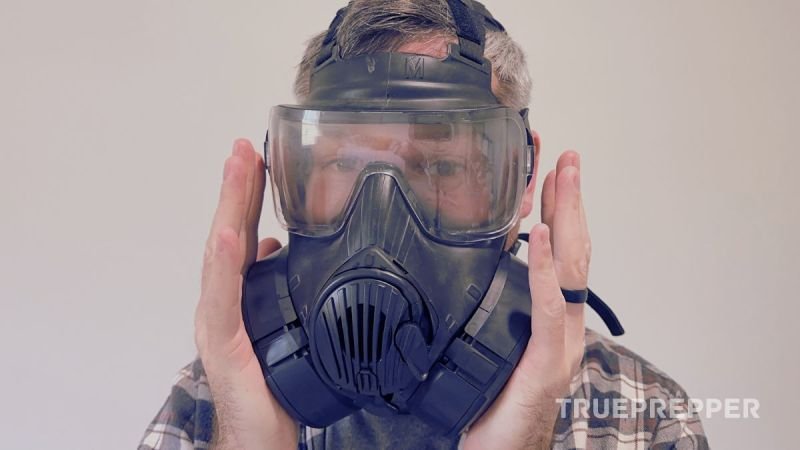
Your full-face respirator is your frontline defense against harmful particles and gases, but are you sure it’s providing the protection you need? Proper maintenance is the key to ensuring your respirator is always ready for action.
Imagine the peace of mind knowing your gear is in top condition every time you put it on. In this guide, you’ll discover simple yet crucial steps to keep your full-face respirator in peak performance. From cleaning tips to storage hacks, we’ve got you covered.
Let’s dive in and make sure your safety equipment is as reliable as you are. Ready to learn how to keep your respirator in perfect shape? Keep reading!
Choosing The Right Respirator
Choosing a full-face respirator means picking one that fits well and works for your needs. A good fit keeps harmful particles out. The right filter protects you from specific dangers in your environment.
Understanding fit, comfort, and filter types helps you select the best respirator. This guide covers key points to help you make the right choice.
Fit And Comfort
A proper fit is crucial for safety and comfort. The respirator must seal well around your face without causing pain. You should feel comfortable wearing it for long periods.
- Measure your face size before buying
- Try different sizes and models
- Check for a tight seal around your nose and chin
- Adjust straps evenly to avoid pressure points
- Wear the respirator with your usual work gear
Filter Selection
Filters block harmful particles and gases. You must pick filters that match the hazards you face. Not all filters protect against every danger.
| Filter Type | Protects Against | Common Uses |
|---|---|---|
| Particulate Filters | Dust, fumes, mists | Construction, woodworking |
| Gas and Vapor Filters | Organic vapors, acid gases | Painting, chemical handling |
| Combination Filters | Particles plus gases | Hazardous waste, lab work |

Credit: greatever.com
Daily Inspection Routine
Maintaining your full-face respirator is important for safety. Checking it daily helps find problems early.
This routine keeps the respirator working well and protects your health at work.
Checking For Damage
Look closely at the facepiece for cracks or tears. Check straps for wear or loose parts.
Inspect the lenses for scratches or cloudiness that can block your view.
- Examine the facepiece material for cuts or holes
- Check all straps for elasticity and secure attachments
- Look at the lens for cracks or dirt buildup
- Inspect the valves to ensure they are clean and free
Verifying Seal Integrity
Make sure the respirator seals tightly against your face. A poor seal lets harmful air inside.
Perform a seal check by covering the filters and breathing in. The mask should collapse slightly.
- Place the respirator on your face as instructed
- Cover the air intake valves or filters
- Breathe in slowly and hold your breath for 10 seconds
- Feel for any air leaks around the edges
- If air leaks, adjust straps or fit and repeat the test
Cleaning Procedures
Keeping full-face respirators clean is important for safe use. Dirt and germs can harm the mask and your health. Follow these cleaning procedures carefully.
Clean your respirator after each use. This stops damage and keeps the parts working well. Use the right steps and cleaning agents to avoid problems.
Disassembly Steps
Take apart your full-face respirator before cleaning. Remove the filters, head straps, and any detachable parts. Be gentle to avoid breaking small pieces.
- Remove the filters or cartridges carefully.
- Detach the head straps and harness.
- Separate the facepiece from other parts.
- Check for any damage or wear on each part.
Using Appropriate Cleaning Agents
Use mild soap or specially made cleaners for respirators. Avoid harsh chemicals like bleach or solvents. These can damage the mask material and seals.
| Cleaning Agent | Use | Notes |
|---|---|---|
| Mild detergent | General cleaning | Safe for most parts |
| Warm water | Rinse and soak | Helps remove dirt |
| Disinfectant wipes | Surface cleaning | Use only if compatible |
| Isopropyl alcohol (70%) | Disinfection | Use sparingly on hard surfaces |
Drying And Storage
Dry all parts fully before storing. Use a clean, lint-free cloth or air dry in a clean place. Do not use heat sources like hair dryers.
- Lay parts flat on a clean towel.
- Keep away from direct sunlight.
- Store in a sealed container or bag.
- Keep in a cool, dry place.
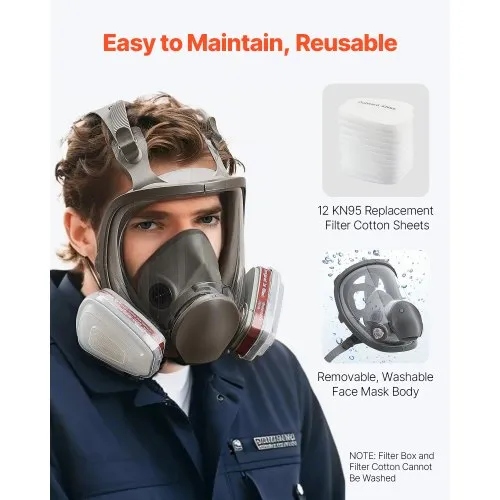
Filter Maintenance And Replacement
Full-face respirators protect you from harmful particles and gases. The filters need care to work well. Regular maintenance helps keep the air clean and safe.
Replacing filters at the right time prevents breathing problems. Clean filters help your respirator last longer. Learn how to spot signs of wear and dispose of filters safely.
Signs Of Filter Wear
Filters lose their power over time. Watch for these signs to know when to change them.
- Breathing feels harder than usual
- Filters look dirty or damaged
- Strange smells pass through the mask
- Filter expiry date has passed
- Visible cracks or holes in the filter material
Proper Disposal Methods
Used filters can carry harmful substances. Dispose of them carefully to protect health and the environment.
| Disposal Step | Instructions |
| Seal the filter | Place used filters in a sealed plastic bag |
| Check local rules | Follow your area’s hazardous waste guidelines |
| Do not burn | Avoid burning filters to prevent toxic fumes |
| Label waste | Mark the bag as hazardous if needed |
| Use proper bins | Put filters in designated disposal containers |
Storage Best Practices
Proper storage helps keep full-face respirators clean and ready to use. It also extends their life and keeps parts working well.
Store respirators in a safe place away from dirt, dust, and harmful conditions. Follow simple steps to protect your equipment.
Avoiding Contamination
Keep respirators in clean, dry areas to avoid germs and dirt. Do not store them with dirty gloves or tools.
Use sealed bags or containers to protect respirators from dust and germs. Clean respirators before storing them.
- Store respirators separately from other gear
- Use clean, airtight containers or bags
- Clean and dry respirators before storage
- Avoid touching inside parts with dirty hands
Protecting From Environmental Damage
Keep respirators away from sunlight, heat, and moisture. These can damage the mask and filters.
Store in a cool, dry place to keep materials strong. Avoid places with chemicals or sharp objects nearby.
- Store in a shaded, cool area
- Avoid high humidity and wet places
- Keep away from chemicals and oils
- Use padded cases to prevent damage
Credit: www.vevor.com
Regular Fit Testing
Regular fit testing is essential for full-face respirator safety. It ensures the mask fits properly and protects from harmful particles.
Without a good fit, the respirator cannot work effectively. Testing helps find leaks and improve protection.
Frequency Of Testing
Fit testing should happen often to keep safety high. Testing at least once a year is common practice.
It is important to test after changes in weight, facial hair, or new respirator models.
- Test annually for all users
- Test after major facial changes
- Test when using a different respirator
- Test if the respirator is damaged or altered
Techniques For Accurate Fit
Accurate fit testing uses specific methods to check the seal of the respirator. Common techniques include qualitative and quantitative tests.
Each method helps identify leaks and ensures the mask fits the face shape well.
- Qualitative testing uses taste or smell agents to detect leaks
- Quantitative testing uses machines to measure air leaks
- Follow instructions carefully during tests
- Perform tests in a clean, calm environment
Training And User Awareness
Full-face respirators protect users from harmful air contaminants. Proper training helps users wear and maintain these devices safely. Awareness of correct use reduces risks and improves safety.
Users need clear instructions and practice. Training should cover wearing, fitting, and cleaning the respirator. This ensures the device works well every time it is used.
Correct Usage Techniques
Users must follow correct steps to wear full-face respirators. This keeps the seal tight and prevents leaks. Training should include how to check straps and valves.
- Inspect the respirator for damage before use
- Place the mask over the face and secure straps
- Adjust straps for a snug fit without discomfort
- Perform a seal check by covering filters and breathing in
- Replace filters as recommended by the manufacturer
Emergency Procedures
Users must know what to do if the respirator fails or if they feel unwell. Quick action can prevent serious harm during emergencies.
| Emergency Situation | Recommended Action |
| Respirator leaks air | Stop work and adjust the mask immediately |
| Difficulty breathing | Leave the contaminated area and seek fresh air |
| Filter damage or clogging | Replace filter before continuing work |
| Feeling dizzy or faint | Remove respirator and get medical help |
| Fire or explosion risk | Evacuate area following safety plans |

Credit: trueprepper.com
Frequently Asked Questions
How Often Should I Clean My Full-face Respirator?
Clean your full-face respirator after every use to remove dirt and contaminants. Regular cleaning prevents damage and maintains hygiene. Use mild soap and warm water, then air dry. Proper cleaning extends the respirator’s lifespan and ensures safe usage.
What Is The Best Way To Store Full-face Respirators?
Store your respirator in a cool, dry place away from sunlight and chemicals. Use a clean, sealed container to protect it from dust and damage. Proper storage maintains the mask’s integrity and readiness for future use.
How Can I Inspect My Full-face Respirator For Damage?
Check straps, seals, and lenses for cracks, tears, or wear before each use. Ensure all parts are intact and functioning properly. Replace damaged components immediately to maintain effective protection and safety.
When Should I Replace Filters On My Respirator?
Replace filters when breathing becomes difficult or the filter’s expiry date passes. Also, change filters after exposure to hazardous substances. Timely filter replacement ensures effective filtration and user safety.
Conclusion
Maintaining full-face respirators keeps you safe and healthy. Clean your mask after each use. Check all parts for damage or wear. Replace filters regularly to ensure good air quality. Store the respirator in a clean, dry place. Follow these simple steps to protect yourself every day.
Safe gear means confident work. Stay careful and breathe easy.