Are you ready to tackle your next DIY project with precision and ease? Imagine the satisfaction of effortlessly creating perfect small holes in wood, metal, or plastic, all with a trusty hand drill.
This guide is here to empower you with simple, effective techniques to master the art of using a hand drill for small holes. Whether you’re a seasoned craftsman or a curious beginner, this article promises to make the process straightforward and rewarding.
By the end, you’ll not only feel confident in your skills but also excited to take on new projects. Dive in, and discover how you can enhance your handiwork with this indispensable tool.
Choosing The Right Hand Drill
Using a hand drill for small holes needs the right tools. The drill type and bits you choose affect your work.
This guide helps you pick the best hand drill and drill bits for precise, clean small holes.
Types Of Hand Drills
There are several hand drills you can use. Each type fits certain tasks and materials.
- Manual Hand Drill:Simple and quiet. Good for very small holes and soft materials.
- Eggbeater Drill:Has a crank handle. Offers more speed and control for small jobs.
- Brace Drill:Uses a U-shaped handle. Best for wood and larger small holes.
- Electric Hand Drill:Powered by a battery or cord. Can handle many small holes quickly.
Selecting Drill Bits For Small Holes
Drill bits come in many shapes and sizes. Choosing the right bit is key for clean, accurate holes.
| Drill Bit Type | Best For | Material |
|---|---|---|
| Twist Bit | General purpose small holes | Wood, plastic, metal |
| Brad Point Bit | Precise holes in wood | Wood |
| Spade Bit | Wider small holes quickly | Wood |
| Diamond Bit | Very small holes in glass or tile | Glass, tile |
| Step Bit | Holes of varying sizes | Thin metal, plastic |
Preparing For Drilling
Using a hand drill to make small holes needs care and preparation. Getting ready helps you drill safely and accurately.
This guide covers the key steps before you start drilling. Follow these tips to prepare well and avoid mistakes.
Marking The Spot
Mark the exact point where you want to drill. This keeps the hole in the right place and avoids errors.
- Use a pencil or marker to make a clear dot.
- For better accuracy, use a center punch to create a small dent.
- Check the spot twice before drilling.
Securing The Workpiece
Keep the workpiece steady to prevent slipping. A moving piece can cause wrong holes or injuries.
| Tool | Purpose |
| Clamp | Hold wood or metal firmly |
| Workbench | Provides a stable surface |
| Vise | Grips small items tightly |
Safety Gear Essentials
Wear the right safety gear to protect yourself during drilling. Safety lowers the risk of injury.
- Safety glasses to protect your eyes from dust and chips
- Gloves to protect your hands from sharp edges
- Ear protection if drilling near loud machines
- Dust mask if working with materials that create fine dust
Drilling Techniques
Using a hand drill for small holes needs care and skill. Good drilling techniques help you drill clean, accurate holes.
This guide covers key tips on grip, speed, pressure, and common mistakes to avoid.
Proper Grip And Posture
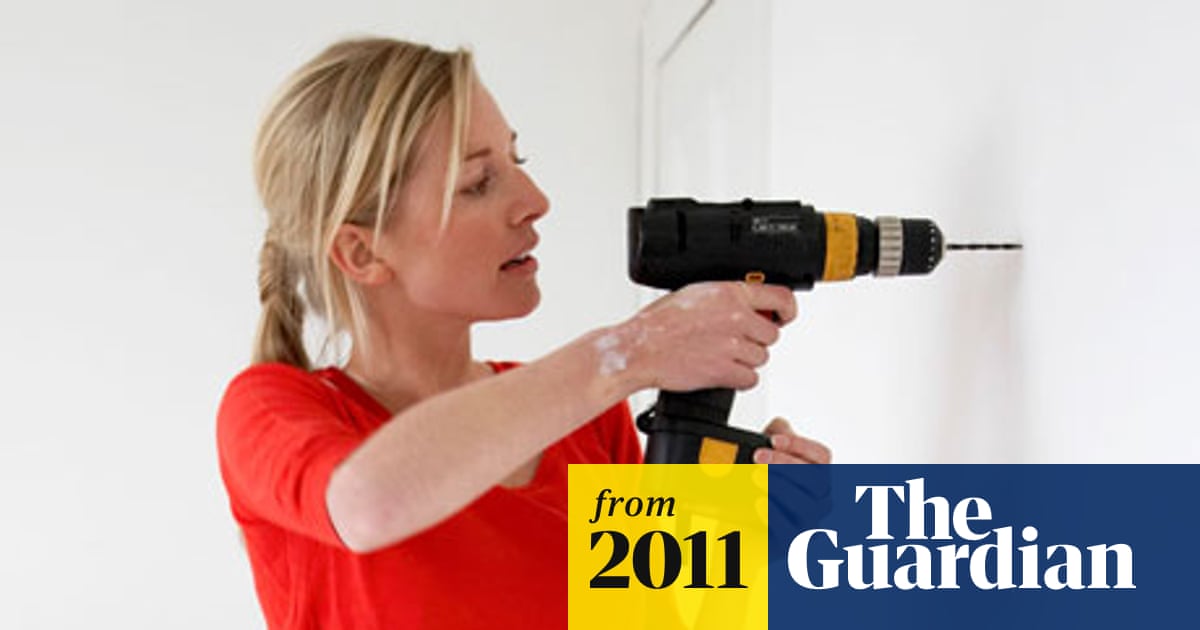
Hold the drill firmly but not too tight. A steady grip stops the drill from slipping and keeps the hole straight.
Stand with your feet shoulder-width apart. Keep your body balanced and your arms close to your sides.
- Use your dominant hand on the drill handle
- Support the drill with your other hand near the front
- Keep your back straight and shoulders relaxed
- Position the drill bit at a right angle to the surface
Controlling Speed And Pressure
Start drilling at a slow speed to create a small guide hole. This helps the bit stay in place.
Apply steady, gentle pressure. Pressing too hard can break the bit or damage the material.
- Use low speed for small holes
- Increase speed gradually as the hole deepens
- Let the drill do the work, do not force it
- Keep pressure even and controlled
Avoiding Common Mistakes
Do not rush or twist the drill while cutting. This can cause the hole to be uneven or the bit to break.
Check the drill bit is sharp and clean before starting. Dull bits make drilling harder and less accurate.
- Never apply too much force
- Avoid drilling at an angle unless needed
- Keep the drill bit cool to prevent damage
- Use a pilot hole for very small or hard materials
Credit: www.familyhandyman.com
Maintaining Your Hand Drill
Keeping your hand drill in good shape helps it work better and last longer. Regular care prevents damage and makes drilling easier.
This guide covers cleaning, sharpening, and storing your hand drill properly. Follow these tips to keep your tool ready for small holes.
Cleaning And Lubrication
Cleaning removes dirt and dust from your drill. Lubrication reduces friction and keeps parts moving smoothly.
- Wipe the drill body with a dry cloth after use.
- Use a small brush to clean the chuck and gears.
- Apply light oil to the moving parts once a month.
- Remove excess oil to avoid dirt build-up.
- Check for rust and clean it with fine steel wool.
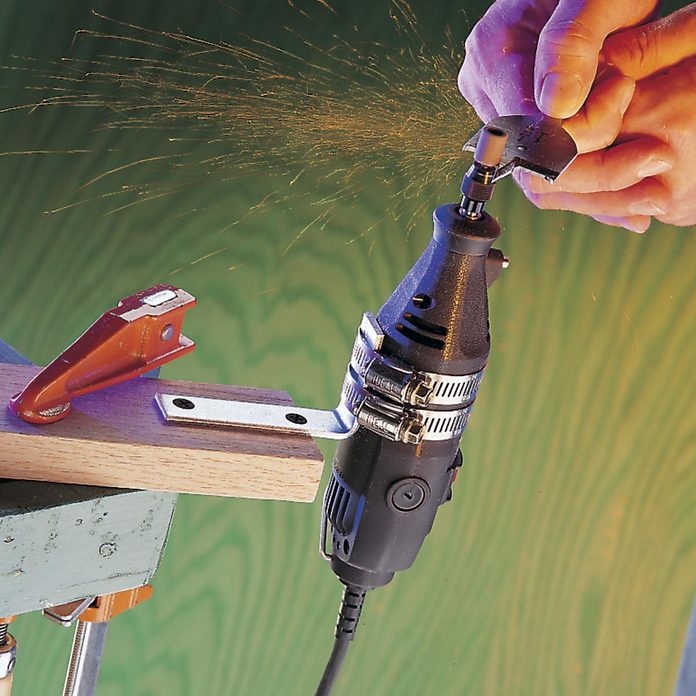
Sharpening Drill Bits
Dull drill bits make drilling hard and cause damage. Sharpen bits to keep clean, accurate holes.
| Type of Bit | Sharpening Method | Tools Needed |
| Twist Bit | Use a bench grinder or sharpening stone | Bench grinder, file, or sharpening stone |
| Brad Point Bit | Sharpen the points and cutting edges carefully | Small file or diamond stone |
| Spade Bit | File flat edges and points | Flat file |
Storage Tips
Proper storage protects your hand drill and bits from damage and rust. Keep them dry and organized.
- Store the hand drill in a clean, dry box or case.
- Keep drill bits in a separate container or rack.
- Do not leave the drill in damp places.
- Check your tools regularly for signs of wear.
- Label storage containers for easy bit selection.
Troubleshooting Tips
Using a hand drill for small holes can be tricky. Problems may happen during drilling.
Knowing how to fix common issues saves time and prevents damage to your work.
Dealing With Bit Slippage
Bit slippage happens when the drill bit spins but does not cut into the material.
This can cause uneven holes and damage the workpiece or drill bit.
- Check if the bit is tightly secured in the chuck.
- Use a bit with a sharper tip for better grip.
- Apply steady pressure without forcing the drill.
- Clean the chuck and bit to remove dust or debris.
Handling Drill Jams
A drill jam occurs when the bit gets stuck and stops turning.
This can damage the drill motor or break the bit if not handled carefully.
- Stop drilling immediately to avoid more damage.
- Reverse the drill slowly to free the bit.
- Clear the hole of debris before continuing.
- Use the correct drill speed for the material.
Fixing Misaligned Holes
Misaligned holes happen when the drill bit is not positioned correctly.
This causes problems when parts need to fit together precisely.
- Mark the drilling spot clearly with a pencil or punch.
- Hold the drill steady and perpendicular to the surface.
- Start with a small pilot hole to guide the drill bit.
- Use clamps to keep the workpiece still while drilling.
:max_bytes(150000):strip_icc()/100829675-ad4ffb05ed114990b6115ecf720572fb.jpg)
Credit: www.woodmagazine.com
Credit: www.theguardian.com
Frequently Asked Questions
What Drill Bit Size Is Best For Small Holes?
For small holes, use drill bits ranging from 1mm to 6mm. Choose a size that matches your project’s needs precisely to avoid damaging materials or making oversized holes.
How To Hold A Hand Drill Steady For Small Holes?
Hold the drill firmly with both hands. Keep the drill perpendicular to the surface. Use slow, consistent pressure to maintain control and avoid slipping or uneven holes.
Can I Use A Hand Drill On Metal For Small Holes?
Yes, you can use a hand drill on metal. Use a high-speed steel (HSS) bit and apply cutting oil to reduce heat and wear during drilling.
What Speed Is Best For Drilling Small Holes?
Use a high speed for small holes, especially with smaller bits. Faster speeds ensure cleaner cuts and reduce bit wear, but adjust based on material hardness.
Conclusion
Using a hand drill for small holes is simple and effective. Choose the right drill bit and keep steady pressure. Take your time and avoid rushing the work. Always wear safety gear to protect yourself. Practice helps improve your drilling skills.
With patience, you can complete small projects easily. This guide offers clear steps to start drilling today. Small holes don’t have to be hard anymore. Give it a try and see the results yourself.