Are you ready to tackle your next DIY project but worried about using a hammer safely? You’re not alone.
Every year, countless people experience avoidable injuries from improper hammer use. But fear not! Mastering the safe use of a hammer is simpler than you might think. Imagine completing your tasks with confidence, knowing you’re protected from harm. This article will guide you through essential tips and techniques to keep you safe while achieving perfect results.
Stick around to discover how a few smart practices can make all the difference in your DIY adventures. Your fingers will thank you!
Credit: www.artofmanliness.com
Choosing The Right Hammer
Using the right hammer makes your work easier and safer. Not all hammers are the same. Picking the correct one depends on what job you need to do.
Learn how to choose a hammer by understanding the types, tasks, weight, and handle material. This helps avoid accidents and improves your work results.
Types Of Hammers
There are many hammers for different jobs. Each hammer has a special head and handle made for certain tasks. Using the wrong type can cause damage or injury.
- Claw Hammer: Good for driving and pulling nails.
- Ball Peen Hammer: Used in metalwork and shaping.
- Sledgehammer: Best for heavy demolition work.
- Rubber Mallet: Ideal for gentle tapping without damage.
- Tack Hammer: Made for small nails and upholstery work.
Selecting Based On Task
Match the hammer to your task for safety and efficiency. A heavy hammer is not always better. Light hammers work well on small tasks.
| Task | Recommended Hammer |
| Driving nails in wood | Claw Hammer |
| Metal shaping | Ball Peen Hammer |
| Breaking concrete | Sledgehammer |
| Assembling furniture | Rubber Mallet |
| Upholstery work | Tack Hammer |
Hammer Weight And Handle Material
Pick the right weight for control and power. Heavy hammers need more strength and can tire your arm. Light hammers give better control but less force.
- Steel handles are strong but can transmit shock to your hand.
- Wood handles absorb shock and feel comfortable.
- Fiberglass handles balance strength and shock absorption.
Preparing For Safe Hammer Use
Using a hammer can be dangerous without the right preparation. Taking safety steps helps prevent accidents and injuries.
Before starting, it is important to check your tools and surroundings. This keeps you safe while working.
Inspecting The Hammer
Look closely at the hammer before using it. Make sure the handle is not cracked or loose. The head should be firmly attached.
Check for rust or damage on the metal parts. A damaged hammer can break or slip, causing injury.
- Check handle for cracks or splinters
- Ensure hammerhead is tight and not loose
- Look for rust or worn metal
- Replace hammer if damaged
Wearing Protective Gear
Wear safety glasses to protect your eyes from flying debris. Gloves can protect your hands from splinters and blisters.
Wear closed-toe shoes to protect your feet from dropped tools. Avoid loose clothing that might catch on objects.
- Use safety glasses or goggles
- Wear sturdy gloves
- Put on closed-toe shoes
- Avoid loose clothing or jewelry
Clearing The Work Area
Make sure your work area is clean and free of obstacles. Remove any objects that could cause you to trip or fall.
Keep bystanders away from your workspace. This reduces the chance of accidents and keeps everyone safe.
- Clear debris and clutter from the area
- Ensure good lighting
- Keep a safe distance from others
- Secure loose materials that might move
Proper Hammer Handling Techniques
Using a hammer safely is important to avoid injuries. You need to hold it correctly and strike with control.
This guide covers grip and stance, striking with control, and common mistakes to avoid.
Grip And Stance
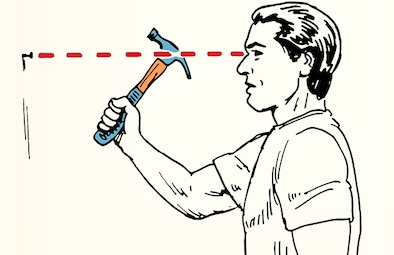
Hold the hammer near the end of the handle. This gives you better leverage and control. Keep your wrist straight and firm.
Stand with your feet shoulder-width apart. Position your body so you can swing the hammer smoothly and safely.
Striking With Control
Focus on hitting the nail squarely. Use your whole arm, not just your wrist, to swing the hammer.
- Start with light taps to set the nail in place.
- Increase force gradually once the nail is steady.
- Keep your eyes on the nail head while striking.
- Do not rush your strikes; aim for accuracy.
Avoiding Common Mistakes
| Mistake | Why It’s Dangerous | How to Avoid |
| Holding hammer too close to head | Less control and weaker strikes | Grip near the handle end |
| Using the wrong hammer type | Damage to materials or injury | Choose hammer for the job |
| Striking at an angle | Nails bend or slip | Hit nail head squarely |
| Not wearing safety glasses | Eye injury from flying debris | Always wear protective eyewear |

Credit: www.safetyandhealthmagazine.com
Nail Driving Tips
Using a hammer safely helps prevent injuries and damage. Driving nails correctly keeps your project strong and neat.
Follow simple steps to start nails, keep them straight, and fix any problems if nails bend.
Starting The Nail
Hold the nail near its head with your thumb and index finger. Tap it lightly with the hammer to set it in place. Keep your fingers clear as soon as the nail stands firm.
Maintaining Alignment
Keep the hammer straight and hit the nail head squarely. Avoid hitting at an angle to prevent bending. Use steady, controlled strikes for better results.
- Hold the hammer near the end of the handle for control.
- Focus your eyes on the nail head.
- Strike with smooth, firm hits.
- Check nail position often to keep it straight.
Dealing With Bent Nails
If the nail bends, stop hitting it immediately. Remove bent nails carefully to avoid wood damage. Use pliers or a claw hammer for removal.
| Problem | Cause | Solution |
|---|---|---|
| Bent nail | Hitting at an angle or too hard | Remove and replace nail; hit nails straight |
| Nail not going in | Hard wood or nail too short | Use longer nail or pre-drill hole |
| Wood splitting | Nail too close to edge or too big | Move nail away from edge; use smaller nail |
Preventing Injuries
Using a hammer seems simple, but it can cause injuries if you are not careful. Always follow safety rules to protect your hands and body.
Knowing how to spot dangers and what to do after an injury helps you stay safe. Taking care of your hammer also prevents accidents.
Recognizing Hazard Signs
Watch for cracks or chips in the hammer head or handle. Loose heads can fly off and hurt someone.
Check for slippery or oily handles. They can cause the hammer to slip from your hand.
- Cracked or split handle
- Loose or damaged hammer head
- Worn or slippery grip
- Rust or corrosion on metal parts
- Unusual vibrations when hitting
First Aid For Hammer Injuries
If you hit your finger or hand with a hammer, stop work and check the injury. Clean any cuts with water and cover them with a bandage.
For bruises or swelling, use ice wrapped in cloth. Keep the injured part raised to reduce swelling.
- Clean cuts with soap and water
- Apply a clean bandage
- Use ice for bruises or swelling
- Elevate the injured area
- Seek medical help if pain is severe or bleeding does not stop
When To Replace Your Hammer
Replace your hammer if the handle is cracked or broken. A weak handle can break during use and cause injury.
If the hammer head is loose or damaged, do not keep using it. A loose head can fly off and hurt someone nearby.
- Cracked or splintered handle
- Hammer head wobbles or moves
- Deep rust or metal damage
- Grip is worn and slippery

Credit: www.youtube.com
Maintenance And Storage
Keeping your hammer in good condition helps it last longer and work well. Proper care and storage prevent damage and ensure safety.
Follow simple steps after using your hammer. Regular checks and safe storage keep it ready for your next job.
Cleaning After Use
Clean your hammer after each use to remove dirt and debris. This stops rust and keeps the handle safe to hold.
Use a dry cloth to wipe the head and handle. If needed, use a little oil to stop rust on metal parts.
- Wipe dirt off the hammer head
- Dry the handle to avoid moisture damage
- Apply light oil to metal surfaces for rust protection
- Remove any sticky substances carefully
Safe Storage Practices
Store your hammer in a dry place to keep it safe. Avoid leaving it outside where moisture can cause rust.
Keep your hammer in a toolbox or hang it on a tool rack. This helps prevent accidents and makes it easy to find.
- Store in a dry, cool area
- Use a toolbox or tool rack
- Keep away from children and pets
- Do not pile heavy items on top
Regular Inspection
Check your hammer often for damage. Look for cracks, loose heads, or splinters on the handle.
Fix or replace your hammer if you find problems. A damaged hammer can cause accidents or stop working properly.
- Look for loose or cracked hammer head
- Check handle for splinters or cracks
- Make sure the hammer feels secure in your hand
- Replace worn or broken parts immediately
Frequently Asked Questions
What Are The Basic Safety Tips For Using A Hammer?
Always wear safety goggles and gloves. Check the hammer for damage. Use the correct hammer type for your task. Maintain a firm grip and strike controlled, accurate blows.
How Can I Prevent Injuries When Hammering Nails?
Keep fingers clear of the nail. Hold the nail near its base. Start with light taps to set the nail. Use a nail holder if available.
What Is The Proper Way To Hold A Hammer?
Grip the hammer handle near the end. Keep your wrist straight and relaxed. Use your dominant hand for better control and power.
How Do I Choose The Right Hammer For A Job?
Select a hammer based on the task. Claw hammers for nails, sledgehammers for heavy impact. Consider weight and handle length for comfort and efficiency.
Conclusion
Using a hammer safely keeps you and others protected. Always wear safety glasses to guard your eyes. Hold the hammer firmly and strike with control. Check your work area for hazards before starting. Keep your fingers clear of the nail’s path.
Store your hammer properly after each use. Small steps make a big difference in safety. Stay focused and take your time with each hit. Safe hammer use helps you finish tasks well. Practice these tips to work with confidence.