Ever found yourself rummaging through a cluttered toolbox, unable to find the right screwdriver when you need it most? You’re not alone.
Many people face this common frustration, leading to wasted time and unnecessary stress. Imagine a world where your screwdrivers are perfectly organized by type, making it easy to grab the exact tool you need in seconds. Sounds like a dream, right?
This guide is your ticket to transforming that dream into reality. By learning how to organize your screwdrivers efficiently, you’ll not only save time but also improve your workflow. Stick around and discover simple yet effective strategies that will change the way you handle your tools forever.
Credit: www.jakemy.com
Types Of Screwdrivers
Screwdrivers are tools used to turn screws. They come in different types for various screw heads.
Knowing each type helps you pick the right tool for your project. This guide covers the main screwdriver types.
Flathead Screwdrivers
Flathead screwdrivers have a flat blade. They fit screws with a straight, single slot. These are common in many household items.
Phillips Screwdrivers
Phillips screwdrivers have a cross-shaped tip. They match screws with a cross slot. This design helps prevent slipping while turning.
Torx Screwdrivers
Torx screwdrivers have a star-shaped tip with six points. They are used in electronics and cars. Torx screws resist cam-out better than others.
Hex Screwdrivers
Hex screwdrivers have a hexagonal tip. They fit screws with a hex socket. These screwdrivers provide strong grip and torque.
- Common in furniture assembly
- Used in bicycles and machinery
- Available in various sizes
Specialty Screwdrivers
Specialty screwdrivers fit unique screw heads. Examples include security screws and precision tools for small electronics.
| Screwdriver Type | Use Case | Tip Shape |
| Flathead | Simple screws | Flat blade |
| Phillips | General purpose | Cross shape |
| Torx | Electronics, automotive | Star shape |
| Hex | Furniture, machinery | Hexagon |
| Specialty | Security, precision work | Varies |
Benefits Of Organizing Screwdrivers
Organizing screwdrivers by type helps keep your tools neat. It makes finding the right screwdriver fast and easy.
When your screwdrivers are sorted, your workspace looks clean and stays safe. This saves time and effort on every job.
Improved Accessibility
Sorting screwdrivers by type helps you find the right tool quickly. You won’t waste time searching through mixed tools.
Easy access means you can work faster and avoid frustration. It also helps keep your tools organized after use.
- Group by flathead, Phillips, or Torx types
- Keep similar sizes together
- Label storage areas clearly
Enhanced Tool Longevity
Organized screwdrivers are less likely to get damaged. When tools are stored properly, their tips and handles stay strong.
Keeping screwdrivers in the right place also stops rust and wear. It helps your tools last longer and work better.
- Prevent scratches by avoiding tool pile-ups
- Use racks or holders to protect tips
- Store in dry, clean places
Increased Workspace Efficiency
A tidy workspace lets you focus on your tasks. Organized screwdrivers reduce clutter and create more room to work.
With less mess, you spend less time cleaning. You can complete projects faster and with less stress.
- Arrange tools by function and frequency of use
- Use wall mounts or toolboxes for easy reach
- Keep workspace clear for safety
Choosing The Right Storage Solutions
Organizing screwdrivers by type helps you find the right tool fast. Choosing the right storage makes your workspace neat and efficient.
Different storage options fit different needs. Some save space, others protect tools or show them clearly.
Toolboxes And Cases
Toolboxes and cases keep screwdrivers safe and easy to carry. They usually have compartments or slots for each type.
Use them if you move your tools often or want to keep them dust-free. Look for sturdy materials and secure latches.
Wall-mounted Holders
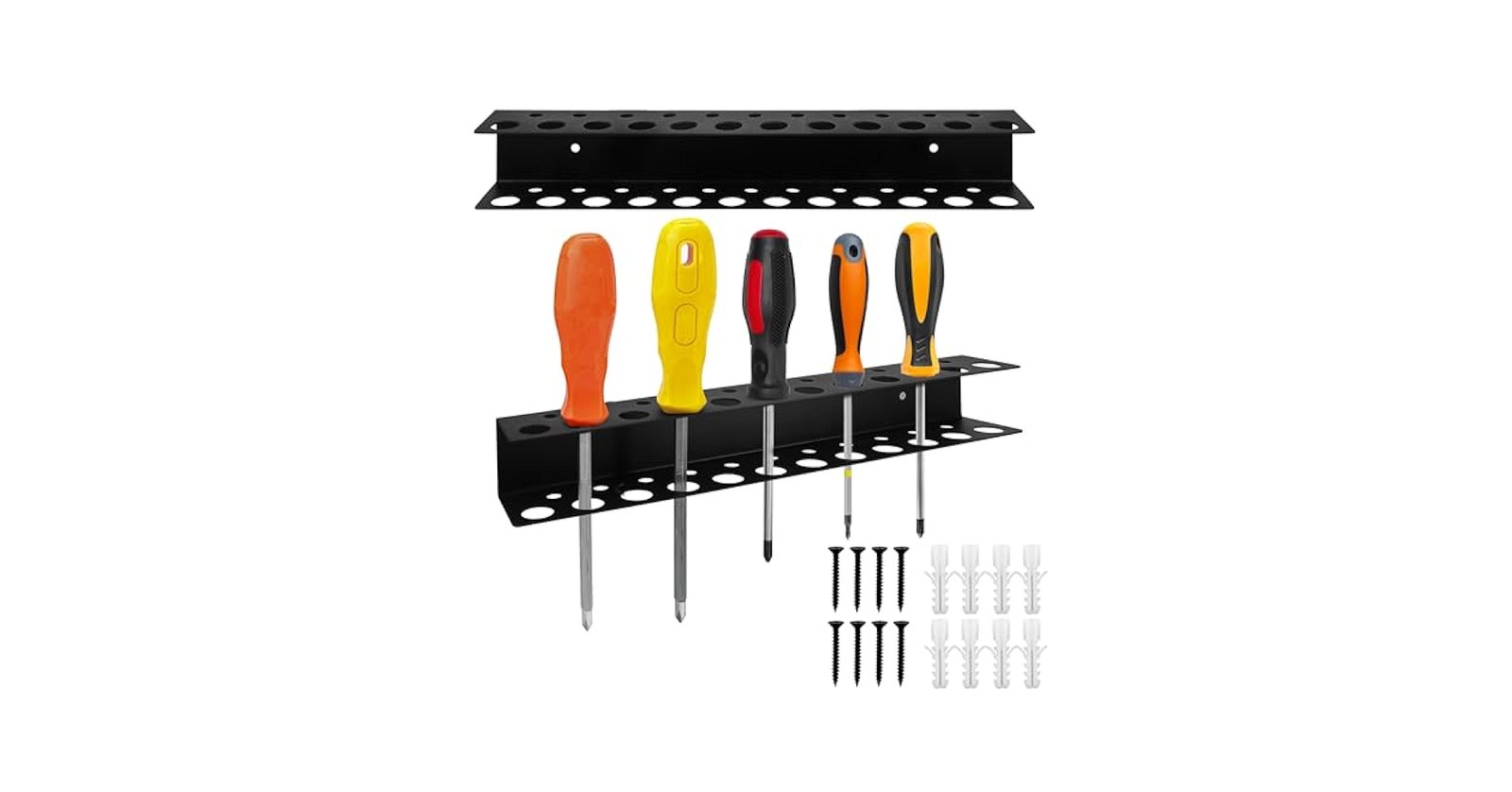
Wall-mounted holders save workspace by using vertical space. They hold screwdrivers where you can see and reach them quickly.
Choose holders with slots sized for different screwdriver types. Mount them near your workbench for easy access.
Magnetic Strips
Magnetic strips hold metal screwdrivers securely on walls. They keep tools visible and easy to grab.
They work best for screwdrivers with metal handles or shafts. Install strips at a comfortable height for quick use.
Drawer Organizers
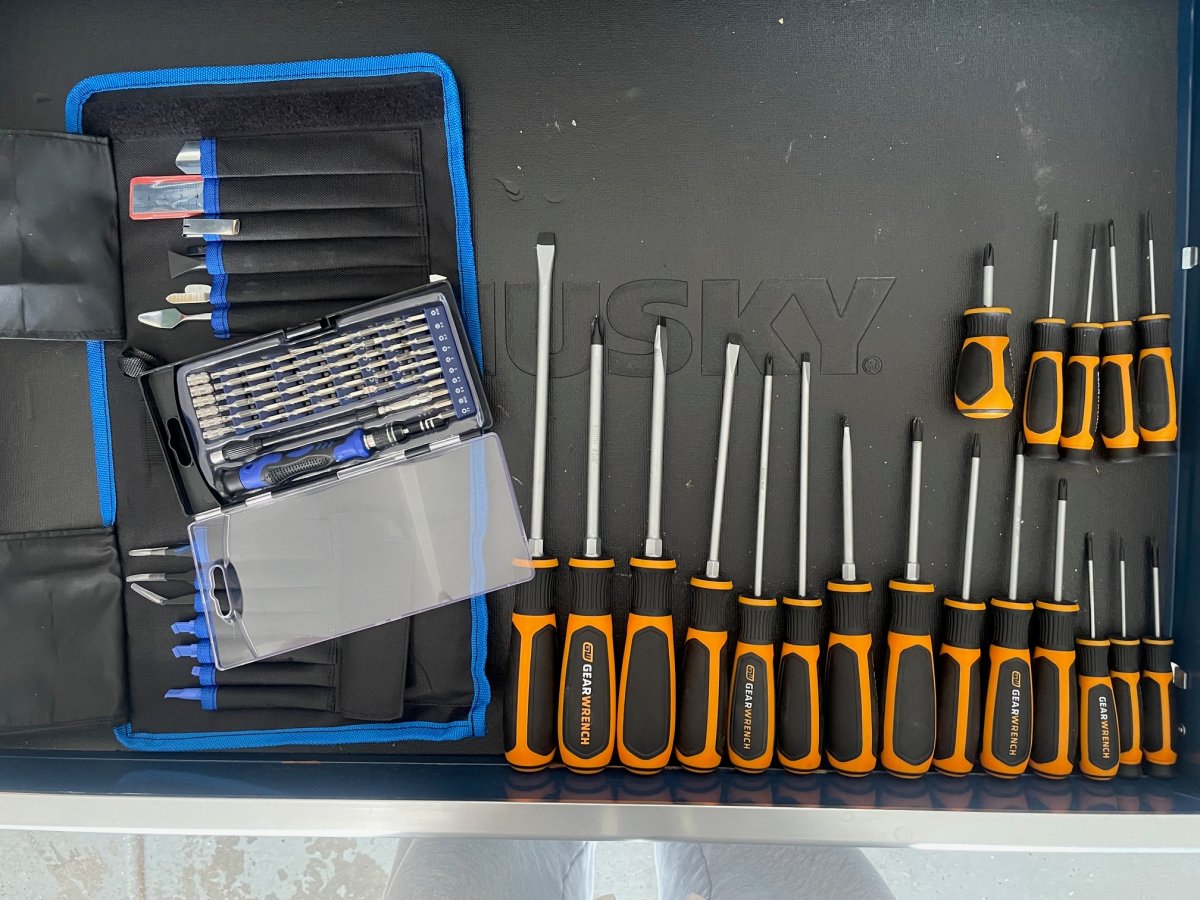
Drawer organizers keep screwdrivers tidy inside drawers. They separate types and sizes, preventing clutter.
Look for organizers with adjustable compartments. This helps fit different screwdriver shapes and lengths.
Sorting Screwdrivers By Type
Organizing screwdrivers helps you find the right tool fast. Sorting by type makes your work easier.
There are simple ways to sort screwdrivers. Grouping by head shape, arranging by size, and labeling help keep order.
Grouping By Head Shape
Screwdrivers have different head shapes for specific screws. Group them by these shapes for quick access.
Common head shapes include flat, Phillips, Torx, and hex. Each fits a unique screw type.
- Flathead: straight blade for slotted screws
- Phillips: cross-shaped for cross screws
- Torx: star-shaped for tamper-resistant screws
- Hex: six-sided for hex screws
Arranging By Size
Within each head shape group, arrange screwdrivers by size. Size means blade width and length.
Start with the smallest size and go to the largest. This order helps pick the right fit quickly.
- Small sizes for tiny screws in electronics
- Medium sizes for household tools
- Large sizes for heavy-duty tasks
Labeling Tips
Labeling helps you spot screwdriver types and sizes fast. Use clear, simple labels on storage.
Write the head shape and size on labels. Use stickers or tags that are easy to read and stay attached.
- Use abbreviations like PH for Phillips, FL for flathead
- Include size numbers like 3mm, 5mm
- Place labels on handles or storage slots
Creative Storage Ideas
Organizing screwdrivers by type makes your work easier and faster. Creative storage ideas help keep your tools neat and easy to find.
Using smart storage solutions saves space and protects your screwdrivers from damage. Here are some ideas to organize them well.
Diy Holders
DIY holders let you create custom storage for your screwdrivers. You can use wood, PVC pipes, or magnetic strips to build them.
These holders keep screwdrivers upright and easy to grab. They also save drawer space and look neat on your workbench.
- Wooden blocks with drilled holes hold screwdrivers by handle size
- PVC pipe pieces glued on a board create slots for each tool
- Magnetic strips mounted on walls hold metal screwdriver shafts
Repurposed Household Items
Household items can become clever screwdriver organizers. Look for things you already have at home.
Use these items to sort screwdrivers by type or size. They are budget-friendly and easy to find.
- Old jars or cups hold screwdrivers upright on shelves
- Ice cube trays or muffin tins separate small screwdrivers or bits
- Cutlery trays keep screwdrivers organized in drawers
- Tense wires or elastic bands on boards hold screwdrivers in place
Custom Foam Inserts
Custom foam inserts create perfect slots for each screwdriver. They protect tools and keep them from moving around.
You can buy foam sheets or cut foam to fit your toolbox or drawer. Mark each slot for screwdriver type or size.
- Use a marker to trace screwdriver shapes on foam
- Cut out the shapes with a sharp knife carefully
- Place foam inside toolboxes or drawers
- Arrange screwdrivers by type: flathead, Phillips, Torx, etc.
Credit: www.bobvila.com
Maintenance Tips For Screwdrivers
Keeping screwdrivers in good shape helps them last longer and work better. Regular care stops damage and makes tasks easier.
Follow simple steps to clean, check, and repair your screwdrivers. This guide shows easy ways to maintain your tools.
Cleaning And Rust Prevention
Remove dirt and grease from screwdrivers after each use. Clean metal parts with a cloth and mild detergent. Dry them well to stop rust.
- Wipe handles and blades with a dry cloth
- Use a wire brush to remove rust spots
- Apply light oil on metal parts to prevent corrosion
- Store screwdrivers in a dry place or toolbox
Regular Inspection
Check screwdrivers often for damage. Look for cracks in handles or bent shafts. Replace any worn or broken parts to keep safety.
| Part | What to Check | Action |
| Handle | Cracks or looseness | Replace if damaged |
| Blade | Bent or worn tip | Straighten or sharpen |
| Ferrule | Loose fitting | Tighten or replace |
Sharpening And Repairs
Keep screwdriver tips sharp for better grip. Use a fine file or sharpening stone. Fix small chips and shape the tip carefully.
Repair tips:
- Use a metal file to smooth rough edges
- Do not over-sharpen; keep the original shape
- Replace the screwdriver if the tip is too worn
- Tighten loose handles with epoxy glue or replace

Credit: www.amazon.com
Frequently Asked Questions
What Are The Main Types Of Screwdrivers To Organize?
The main types include flathead, Phillips, Torx, and hex screwdrivers. Organizing by type helps find tools quickly and keeps your workspace tidy.
How Do I Label Screwdrivers By Type Effectively?
Use clear labels with type names or symbols on storage bins or handles. This boosts efficiency and prevents mixing different screwdriver types.
Why Is Organizing Screwdrivers By Type Important?
Organizing prevents damage, saves time, and improves tool accessibility. It also extends screwdriver lifespan by reducing wear and tear.
Can I Organize Screwdrivers By Size And Type Together?
Yes, sorting first by type, then by size within each category, is ideal. This method allows easy tool identification and quick selection.
Conclusion
Organizing screwdrivers by type saves time and effort. Each tool has its own place for easy access. Knowing the right screwdriver helps complete tasks faster. A neat workspace improves focus and safety. Simple steps keep your tools ready for any job.
Start sorting your screwdrivers today for better work results.