Do you often find yourself rummaging through a jumble of drill bits, trying to locate the right one for your project? If so, you’re not alone.
Misplaced or disorganized drill bits can turn even the simplest tasks into frustrating ordeals. Imagine the time and energy you could save by having your drill bits neatly organized and easily accessible. This not only streamlines your projects but also enhances your productivity and precision.
We’ll share straightforward, effective tips to help you organize your drill bits efficiently, saving you time, reducing stress, and keeping your workspace tidy. Let’s transform the chaos into order and make every drilling task a breeze!

Credit: www.reddit.com
Choosing The Right Storage
Keeping drill bits organized saves time and protects them from damage. Choosing the right storage helps you find the bit you need quickly.
Select storage that fits your workspace and drill bit collection. Good storage keeps bits safe and easy to access.
Types Of Drill Bit Organizers
There are many types of organizers for drill bits. Pick one based on how you use your drill bits and the space you have.
- Plastic cases with slots for each bit
- Magnetic strips to hold bits on a wall
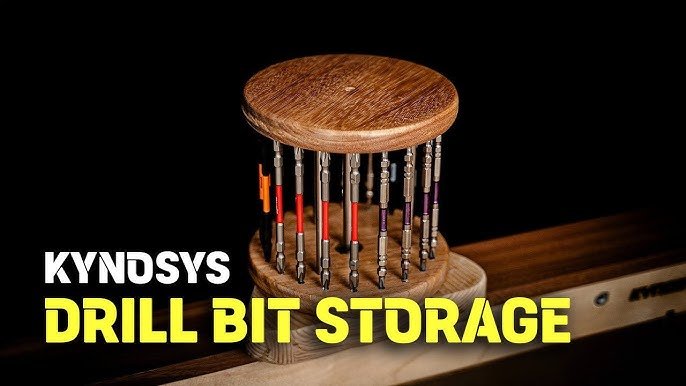
- Rotating holders that save space
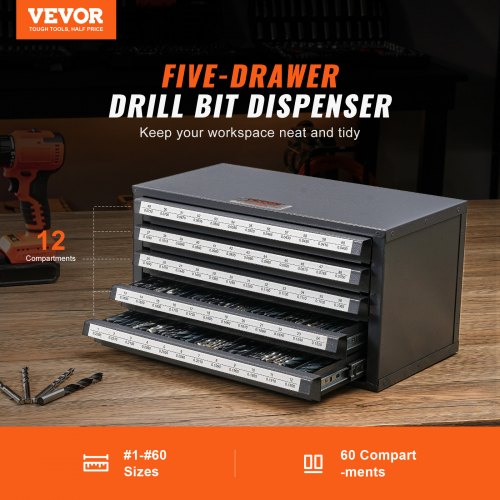
- Drawer inserts with compartments
- Portable pouches for easy transport
Material Considerations
Choose materials that protect your drill bits and last long. Some materials resist rust and wear better than others.
| Material | Advantages | Disadvantages |
| Plastic | Lightweight and affordable | Can crack or wear over time |
| Metal | Very durable and strong | Heavier and may rust |
| Wood | Natural look and sturdy | Can absorb moisture and warp |
| Foam | Soft, protects bits from damage | Can compress and lose shape |
Size And Capacity
Think about how many drill bits you have. Your storage should hold all bits without crowding.
- Choose larger cases if you have many bits
- Small organizers suit a few common sizes
- Consider future bit additions
- Make sure bits fit securely in slots
Sorting Drill Bits Effectively
Keeping drill bits organized saves time and effort. An efficient system helps you find the right bit quickly.
Sorting drill bits by clear methods reduces clutter and protects your tools.
By Size And Type
Group drill bits by their size and type for easy access. This method keeps similar bits together.
| Size | Type | Common Use |
| 1/8 inch | Twist bit | Wood drilling |
| 3/16 inch | Masonry bit | Concrete drilling |
| 1/4 inch | Spade bit | Wood boring |
| 5/16 inch | Brad point | Precise wood holes |
By Frequency Of Use
Keep your most used drill bits within easy reach. Store less used bits separately.
- Place daily-use bits in front or top trays.
- Store specialty bits in labeled boxes.
- Use magnetic strips for quick grab.
- Rotate storage spots as use changes.
Labeling Techniques
Labeling helps identify drill bits fast. Use clear and simple labels for size and type.
Try these labeling ideas:
- Write sizes on tape stuck to cases.
- Use color codes for different bit types.
- Attach tags to storage containers.
- Print labels with font large enough to read easily.
Maximizing Space In Your Workshop
Organizing drill bits efficiently saves time and keeps your workspace neat. Using smart storage ideas helps you find bits quickly. It also protects them from damage and loss.
Choose storage solutions that fit your workshop size and style. Here are three ways to store drill bits that maximize space and ease of use.
Wall-mounted Solutions
Wall-mounted racks and holders free up bench and drawer space. You can place drill bits at eye level for quick access. Use pegboards, magnetic strips, or custom holders to keep bits organized.
- Install pegboards with labeled hooks for each bit size
- Use magnetic strips to hold metal drill bits securely
- Mount small shelves or racks to hold bit cases
- Place items close to your workbench for convenience
Drawer Inserts
Drawer inserts help sort drill bits inside your tool drawers. Inserts with individual slots keep bits from rolling around. This method protects bits and saves surface space.
| Insert Type | Benefit | Best For |
| Foam Inserts | Custom cut to fit bits | Varied bit sizes |
| Plastic Trays | Easy to clean and durable | Standard drill sets |
| Wooden Inserts | Strong and long-lasting | Heavy-duty bits |
Portable Cases
Portable cases keep drill bits organized for on-the-go jobs. They protect bits and keep them in one place. Look for cases with labeled compartments and sturdy closures.
- Clear lid to view bits easily
- Compartment dividers for size separation
- Compact size for easy carrying
- Durable material to protect bits
Credit: www.vevor.ca
Diy Storage Ideas
Drill bits can be hard to organize because of their many sizes. Keeping them neat saves time and space.
Try simple DIY ideas to store your drill bits efficiently. Use items you already have or make custom holders.
Repurposed Household Items
Old jars, ice cube trays, and pill organizers work well for drill bits. They keep bits separated and easy to find.
Use small containers to sort bits by size or type. Label each container for quick identification.
- Glass jars with lids hold bits safely
- Ice cube trays separate bits by size
- Pill organizers are perfect for small bits
Custom Foam Inserts
Cut foam to fit your drill bit case or box. Place bits in foam slots to keep them stable and organized.
This method protects bits from damage and stops them from mixing up. You can customize foam to any size or shape.
- Use craft foam or dense packing foam
- Cut slots slightly smaller than bit size
- Label foam sections for easy sorting
Magnetic Strips
Magnetic strips hold drill bits in place on a wall or board. This saves drawer space and keeps bits visible.
Mount magnetic strips near your workspace. Arrange bits by size on the strip for quick access.
- Choose strong magnets for heavy bits
- Attach strip to wood or metal surface
- Keep bits dry to avoid rust
Maintaining Drill Bit Condition
Keeping your drill bits in good shape makes them last longer. It also helps you work better and safer. Simple care steps keep them sharp and ready.
Focus on cleaning, rust prevention, and regular checks. These steps stop damage and wear. Follow these tips to organize and maintain your drill bits well.
Cleaning And Drying Tips
After use, clean drill bits to remove dust and debris. Use a soft brush or cloth to wipe them well. Avoid harsh chemicals that can damage the metal.
- Use warm water and mild soap for cleaning
- Dry bits completely with a soft cloth
- Allow bits to air dry if possible before storing
- Store bits in a dry case or container
Rust Prevention
Rust can ruin drill bits fast. Keep bits dry and away from moisture. Applying light oil helps stop rust from forming. Store bits in a place with low humidity.
| Rust Prevention Tips | Why It Matters |
| Apply light machine oil | Forms a protective barrier |
| Use silica gel packs in storage | Absorbs moisture |
| Keep bits in sealed containers | Prevents air exposure |
| Store in cool, dry place | Reduces rust risk |
Regular Inspection
Check drill bits before each use. Look for chips, cracks, or dull edges. Replace bits that show damage. Sharp bits work better and are safer to use.
- Inspect edges for dullness or chips
- Check shank for bends or cracks
- Clean bits before inspection
- Sharpen or replace damaged bits
Quick Access And Safety
Keeping drill bits organized helps you work faster and stay safe. Proper storage stops bits from getting lost or damaged. It also protects people around your workspace.
This guide covers tips on organizing drill bits for speed, secure storage, and child safety.
Organizing For Speed
Arrange drill bits so you can find them quickly. Group bits by size and type. Use clear labels on holders or cases to save time. Store bits you use most often in easy-to-reach places.
- Sort bits by diameter or function
- Use a drill bit index or rack
- Keep frequently used bits at eye level
- Place similar bits together for easy selection
- Label storage containers clearly
Secure Storage Practices
Store drill bits in a way that protects them from damage and keeps your workspace tidy. Avoid loose bits that can roll or fall. Use boxes or cases designed for drill bits.
| Storage Type | Benefits |
| Plastic case with foam inserts | Prevents bits from moving and protects edges |
| Magnetic bit holder | Keeps bits secure and easy to grab |
| Wall-mounted racks | Frees up workspace and organizes by size |
| Drawer organizers | Keeps bits sorted and dust-free |
Child Safety Measures
Keep drill bits out of reach of children to prevent accidents. Store bits in locked cabinets or high shelves. Use childproof locks if needed. Teach children that tools are not toys.
- Lock storage boxes when not in use
- Place bits on high shelves or locked drawers
- Keep work areas off limits to children
- Educate children about tool dangers

Credit: www.reddit.com
Frequently Asked Questions
How Can I Organize Drill Bits By Size Efficiently?
Sort drill bits from smallest to largest to find them quickly. Use labeled containers or holders for each size. This method saves time and keeps your workspace tidy.
What Storage Options Work Best For Drill Bits?
Magnetic strips, labeled cases, and foam inserts are top storage choices. They prevent damage and make identification easy. Choose based on your workspace and drill bit collection.
How Do I Prevent Drill Bits From Rusting?
Store drill bits in a dry, cool place with low humidity. Use rust inhibitors or lightly oil bits before storage. This protects your tools and extends their lifespan.
Why Label Drill Bit Storage Containers?
Labeling containers improves efficiency and reduces search time. It helps quickly identify sizes and types without opening multiple boxes. Clear labels keep your drill bit organization system effective.
Conclusion
Organizing drill bits saves time and reduces frustration. Keep bits sorted by size and type. Use clear containers or labeled holders for easy access. Regularly check and clean your storage space. A tidy workspace helps finish projects faster and better.
Small steps make a big difference in your tool care. Stay consistent and enjoy a smoother work process every day.