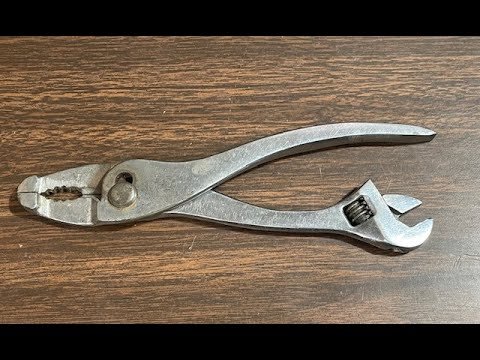
Are your trusty pliers and wrenches not gripping like they used to? You might be surprised to learn that these essential tools can lose their edge over time.
But don’t worry; you don’t need to rush out to buy new ones just yet. By learning how to sharpen your pliers and wrenches, you can restore their performance and extend their life. Imagine getting the same reliable grip and precision you once had with just a few simple steps.
This guide will show you exactly how to do it, saving you money and improving your efficiency. Ready to bring your tools back to life and make your tasks easier? Let’s dive in!
Credit: www.airtasker.com
Choosing The Right Tools
Sharpening pliers and wrenches keeps them working well. Using the right tools makes the job easier and safer.
Picking good sharpening tools helps you get a clean and sharp edge. It also protects your tools from damage.
Selecting Sharpening Devices
Choose sharpening devices that fit the size and shape of your pliers and wrenches. Small tools need fine devices, while bigger tools need stronger ones.
Common sharpening devices include files, sharpening stones, and rotary tools. Each works well for different parts of your tools.
- Files:Good for rough sharpening and removing rust.
- Sharpening stones:Ideal for smooth and even edges.
- Rotary tools:Fast and precise for detailed work.
Safety Gear Essentials
Wear safety gear to protect yourself from sparks, metal shards, and dust. Safety gear keeps you safe while sharpening.
Important safety gear includes gloves, goggles, and a mask. These protect your hands, eyes, and lungs.
- Gloves:Prevent cuts and protect from heat.
- Goggles:Shield your eyes from flying debris.
- Mask:Stops you from breathing in dust.
Preparing Your Workspace
Before sharpening pliers and wrenches, get your workspace ready. A clean and stable area helps you work safely and well.
Good preparation makes the sharpening process easier and faster. It also protects your tools and yourself.
Cleaning The Tools
Clean pliers and wrenches before sharpening. Dirt and grease can block the sharpener and cause damage.
Use a cloth and some soap or a degreaser to remove grime. Dry the tools well to stop rust from forming.
- Wipe off dirt and grease
- Use mild soap or degreaser
- Dry tools completely
- Check for rust and clean if needed
Setting Up A Stable Surface
Work on a flat, steady surface to keep tools safe. A shaky table can cause slips and accidents.
Use a workbench or sturdy table. Place a non-slip mat or cloth under your tools to hold them steady.
- Choose a flat, strong table
- Use a non-slip mat for grip
- Clear the area of clutter
- Keep good lighting for better view
Sharpening Pliers
Pliers are useful tools that need sharp edges to work well. Sharpening pliers helps them grip better and last longer.
Keeping pliers sharp is easy with the right tools and simple steps. This guide shows you how to sharpen pliers safely and effectively.
Identifying Dull Areas
Check the jaws of your pliers for smooth or rounded edges. These dull spots reduce grip and cutting power.
Look closely at the tips and the cutting edges if your pliers have them. Any nicks or worn parts need sharpening.
- Open the pliers wide for a clear view
- Use good light to spot dull edges
- Run your finger lightly to feel rough or smooth parts
Using A File For Precision
Choose a fine metal file for sharpening pliers. A flat or half-round file works best for the jaws.
Hold the pliers steady and file the dull areas in one direction. Keep a steady angle to keep the edge sharp.
- File away from your body for safety
- Use smooth, even strokes
- Check progress often to avoid over-filing
Finishing With A Sharpening Stone
After filing, use a sharpening stone to smooth and polish the edges. This step helps remove any roughness left by the file.
Rub the stone gently along the jaws at the same angle used for filing. Use water or oil on the stone to reduce friction.
- Use circular or back-and-forth motions
- Keep the stone clean and wet
- Wipe the pliers clean after sharpening
Sharpening Wrenches
Wrenches can lose their grip if the jaws become dull or worn. Sharpening the jaws helps improve their hold on nuts and bolts. It also extends the life of the wrench.
You can sharpen wrenches at home with simple tools. This guide covers checking jaw edges, filing techniques, and smoothing with sandpaper.
Checking Jaw Edges
Start by inspecting the wrench jaws for damage or dullness. Look for rounded edges or chips that reduce grip strength. Use a bright light to see clearly.
Check if the jaws still close tightly and evenly. Loose or uneven jaws may need adjustment before sharpening. Mark any rough spots with a pencil for easier filing.
Filing Techniques
Use a flat metal file to sharpen the wrench jaws. Hold the wrench firmly in a vise or clamp. File each jaw edge evenly at a slight angle to restore sharpness.
Make smooth, consistent strokes in one direction. Avoid sawing back and forth, which can damage the metal. Check progress often to keep the edges even.
- Secure the wrench before filing
- File at a 15 to 20-degree angle
- Use light, even pressure
- File both jaws equally
Smoothing With Sandpaper
After filing, use fine-grit sandpaper to smooth the jaws. This removes burrs and sharp metal bits. Wrap sandpaper around a small block for better control.
Rub the jaws gently until they feel smooth. Wipe the wrench clean with a cloth to remove dust. This step helps protect your hands and improves tool performance.
Maintaining Sharpness
Keeping your pliers and wrenches sharp helps them work better and last longer. Sharp tools make jobs easier and safer.
Regular care prevents rust and damage. This guide covers cleaning and storing tools to keep them sharp.
Regular Cleaning
Clean your tools after each use to remove dirt and grease. Dirt can dull the edges and cause rust.
Use a wire brush or cloth with mild soap and water. Dry tools completely before storing.
- Remove all debris from jaws and handles
- Use oil to wipe metal parts lightly
- Check for rust spots and clean them promptly
Proper Storage Tips
Store tools in a dry, clean place to avoid rust and damage. Proper storage keeps edges sharp and tools ready.
Use toolboxes or pegboards to keep tools organized. Avoid piling tools together to stop scratches and dullness.
- Keep tools dry and away from moisture
- Use protective covers or cases if available
- Organize tools to prevent banging and friction

Credit: www.youtube.com

Credit: www.youtube.com
Frequently Asked Questions
How Often Should I Sharpen Pliers And Wrenches?
Sharpen your tools when they show signs of dullness or slipping. Regular inspection every few months ensures optimal performance and safety.
What Tools Are Best For Sharpening Pliers And Wrenches?
A fine metal file or a diamond sharpening stone works best. These tools help restore sharp edges without damaging the metal.
Can Sharpening Extend The Life Of My Pliers And Wrenches?
Yes, sharpening removes wear and restores edges, improving grip and function. This maintenance helps prevent tool replacement and saves money.
Is It Safe To Sharpen Pliers And Wrenches At Home?
Yes, with proper tools and safety precautions, you can sharpen at home. Always wear protective gloves and work in a well-lit area.
Conclusion
Sharpening pliers and wrenches keeps them working well. Dull tools make tasks harder and slow you down. Use the right sharpening methods to stay safe and effective. Regular care extends the life of your tools. Small efforts now save money on replacements later.
Keep your tools sharp and ready for any job. Practice these steps to improve your DIY projects. Sharp tools mean better grip, less slip, and more control. Give your tools the attention they deserve today.