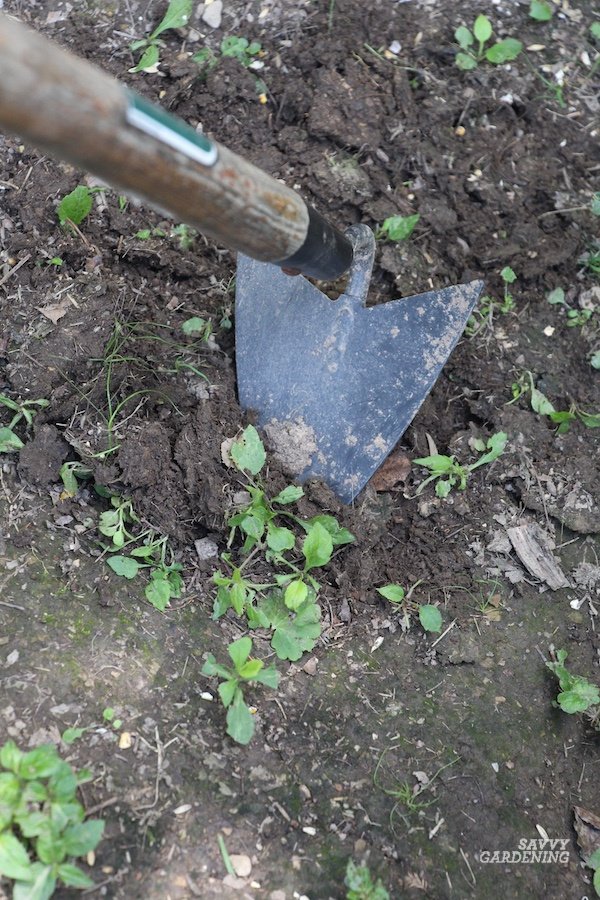
Are you tired of seeing weeds take over your beautiful garden? You’re not alone.
Weeds are every gardener’s persistent nemesis, but the good news is that you have a powerful ally at your disposal: the garden hoe. This simple yet effective tool can transform your battle against weeds, making it easier to maintain a healthy and thriving garden.
You’ll discover practical tips for using a garden hoe to keep those pesky weeds at bay. Imagine a garden where your plants flourish without the constant threat of weeds. Keep reading to unlock the secrets to mastering your garden hoe and reclaim your garden today!
Credit: www.tomsguide.com
Choosing The Right Hoe
Using a garden hoe can make weeding easier and faster. Picking the right hoe helps you remove weeds without harming your plants.
There are different hoes for different jobs. Understanding these types helps you find the best one for your garden.
Types Of Garden Hoes
Garden hoes come in many styles. Each style works well for specific tasks like weeding, chopping, or shaping soil.
- Draw Hoe: Has a flat blade for chopping weeds and soil.
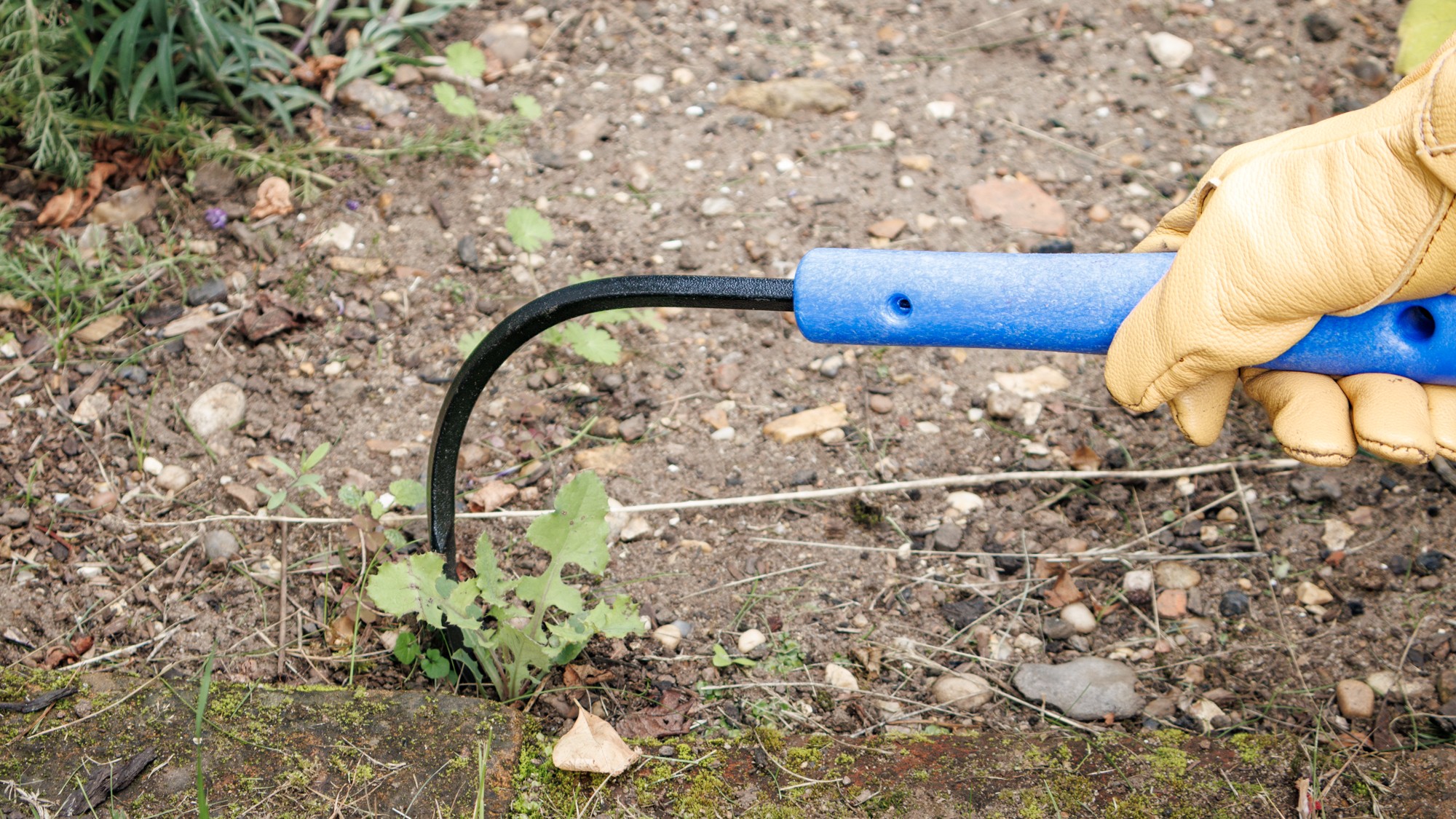
- Scuffle Hoe: Features a loop blade for cutting weeds just below the surface.
- Warren Hoe: Has a pointed blade for digging and breaking soil.
- Collinear Hoe: Thin blade for slicing weed roots without disturbing soil too much.
Blade Shapes And Uses
Blade shapes affect how well the hoe works. Some blades cut, some dig, and others scrape.
- Flat blades chop and break soil easily.
- Loop blades cut weeds beneath the soil surface.
- Pointed blades dig deep for tougher weeds.
- Thin blades slice roots with less soil disturbance.
Material And Durability
Material affects hoe strength and how long it lasts. Good materials resist rust and wear.
- Steel blades are strong and hold an edge well.
- Carbon steel is tougher but may need more care to avoid rust.
- Aluminum blades are light but less durable.
- Handles made from wood feel natural but can break.
- Fiberglass handles resist weather and last longer.
Credit: www.theepochtimes.com
Preparing Your Garden
Using a garden hoe on weeds works best with good preparation. Preparing your garden helps make the hoe more effective. It also protects your plants and soil.
This guide covers clearing debris, soil moisture tips, and marking weed areas. Each step helps you get ready for weeding with a garden hoe.
Clearing Debris
Remove leaves, sticks, and other debris before using the hoe. Debris can block the hoe blade and make weeding harder. A clean area lets you see all the weeds clearly.
- Use a rake to gather leaves and sticks
- Pick up large debris by hand
- Dispose of debris away from the garden bed
- Check for hidden weeds under the debris
Soil Moisture Tips
Soil moisture affects hoeing ease and weed removal. Dry soil can be hard and tough to hoe. Wet soil can be muddy and sticky.
| Soil Condition | Effect on Hoeing | Tip |
| Dry | Hard to dig, may break weeds | Water the soil a day before |
| Wet | Muddy, sticks to hoe blade | Wait until soil is moist but not soggy |
| Moist | Easy to hoe, weeds pull out well | Best time to use the garden hoe |
Marking Weed Areas
Mark weed-heavy spots to focus your effort. This saves time and makes hoeing more organized. Use simple markers to spot these areas quickly.
Here are easy ways to mark weed areas:
- Place small sticks in the soil
- Use colored string or tape to outline spots
- Make notes on a garden map
Hoeing Techniques For Weeds
Using a garden hoe is a simple way to remove weeds from your garden. Good technique makes hoeing easier and more effective.
Learn how to hold the hoe, the best angles to cut weeds, and the right depth for hoeing.
Proper Grip And Stance
Hold the hoe with both hands for control. One hand near the top and the other in the middle of the handle works well.
Stand with your feet shoulder-width apart. Keep your back straight and bend your knees slightly to avoid strain.
- Grip near the top for power
- Middle hand guides the hoe
- Feet shoulder-width for balance
- Knees bent to protect your back
Effective Cutting Angles
Hold the hoe blade at a low angle to the ground. This cuts weeds just below the soil surface.
A shallow angle slices weeds easily. Avoid holding the hoe too upright, which can miss weed roots.
- Keep the blade nearly flat to soil
- Use a slicing motion for best results
- Avoid stabbing straight down
- Work in small sections for control
Shallow Vs Deep Hoeing
Shallow hoeing cuts weeds just under the soil surface. It stops young weeds before they grow strong.
Deep hoeing goes below the roots. It removes tougher weeds but can disturb nearby plants.
- Shallow hoeing is quick and gentle
- Deep hoeing removes stubborn roots
- Use shallow hoeing for small weeds
- Deep hoeing for thick-rooted weeds
- Avoid deep hoeing near delicate plants
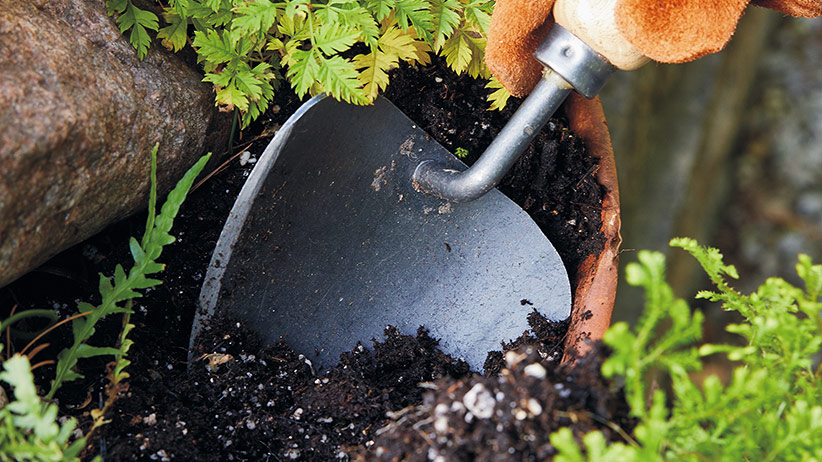
Credit: www.gardengatemagazine.com
Timing Your Hoeing
Using a garden hoe at the right time helps control weeds effectively. Timing your hoeing can save you effort and keep your garden healthy.
Knowing when to hoe depends on the time of day, season, and how often you do it. These factors affect weed growth and hoeing results.
Best Time Of Day
Hoe your garden in the morning or late afternoon. Avoid hoeing in the heat of midday. Cooler times help reduce plant stress and keep soil moist.
Seasonal Considerations
| Season | Hoeing Tips |
|---|---|
| Spring | Hoe often to stop young weeds from growing. |
| Summer | Hoe in early morning to avoid dry soil and heat stress. |
| Fall | Hoe less often as weed growth slows down. |
| Winter | Hoe only if soil is not frozen and weeds appear. |
Frequency Of Hoeing
- Check your garden weekly for new weeds.
- Hoe as soon as you spot young weeds.
- Do not let weeds grow tall before hoeing.
- Adjust frequency based on weed growth and weather.
Safety And Maintenance
Using a garden hoe on weeds can make your garden cleaner and healthier. It is important to use the tool safely and keep it in good condition.
Proper safety and maintenance help you work better and make your hoe last longer. Follow these tips for a safe and effective garden experience.
Protective Gear
Wear protective gear to avoid injuries while using a garden hoe. Gloves protect your hands from blisters and cuts.
Use closed-toe shoes to protect your feet. Safety glasses keep dirt and debris out of your eyes.
- Wear sturdy gloves
- Use closed-toe shoes or boots
- Put on safety glasses
- Wear long pants to protect legs
Cleaning And Sharpening
Clean your hoe after each use to stop rust and remove dirt. Use water and a brush to clean the blade and handle.
Sharpen the blade regularly to cut weeds easily. Use a file or sharpening stone and follow the blade’s edge carefully.
- Wash dirt off the blade and handle
- Dry the hoe fully to avoid rust
- Sharpen blade with a file or stone
- Check for damage or loose parts
Storing Your Hoe
Store your hoe in a dry place to keep it safe from weather. Hanging it on a wall is better than leaving it on the ground.
Keep the blade covered or pointed down to avoid accidents. Proper storage helps your hoe last longer and stay ready to use.
- Store indoors or in a shed
- Hang the hoe on a hook or nail
- Keep the blade away from people
- Cover the blade if possible
Common Mistakes To Avoid
Using a garden hoe is a great way to control weeds. But some common mistakes can make it less effective. Avoiding these errors saves time and keeps your garden healthy.
Learn what to watch out for when hoeing. This helps you remove weeds better without harming your plants or soil.
Hoeing Too Deep
Hoeing too deep can damage plant roots and soil structure. It also brings weed seeds to the surface, making more weeds grow. Keep the hoe blade shallow and cut weeds just below the surface.
Ignoring Weed Roots
Many weeds regrow if their roots stay in the soil. Pulling out or cutting only the tops won’t stop them. It is important to target the roots to prevent weeds from coming back.
- Use the hoe to cut or lift roots from the soil.
- After hoeing, remove the weed roots from the garden.
- Check the soil for leftover root pieces that can regrow.
Overusing The Hoe
Using the hoe too often can harm soil health. It disturbs beneficial insects and soil layers. Too much hoeing also wastes your time and effort.
| Effect | Reason |
| Soil erosion | Too much soil disturbance |
| Loss of nutrients | Breaking down soil layers |
| Fewer beneficial insects | Destroying insect habitats |
| Weeds return faster | Seed spread and soil disturbance |
Enhancing Weed Control
Using a garden hoe effectively helps reduce weeds in your garden. It is a simple tool that cuts weeds below the soil surface.
Combining hoeing with other methods can improve weed control and protect your plants.
Combining Hoeing With Mulching
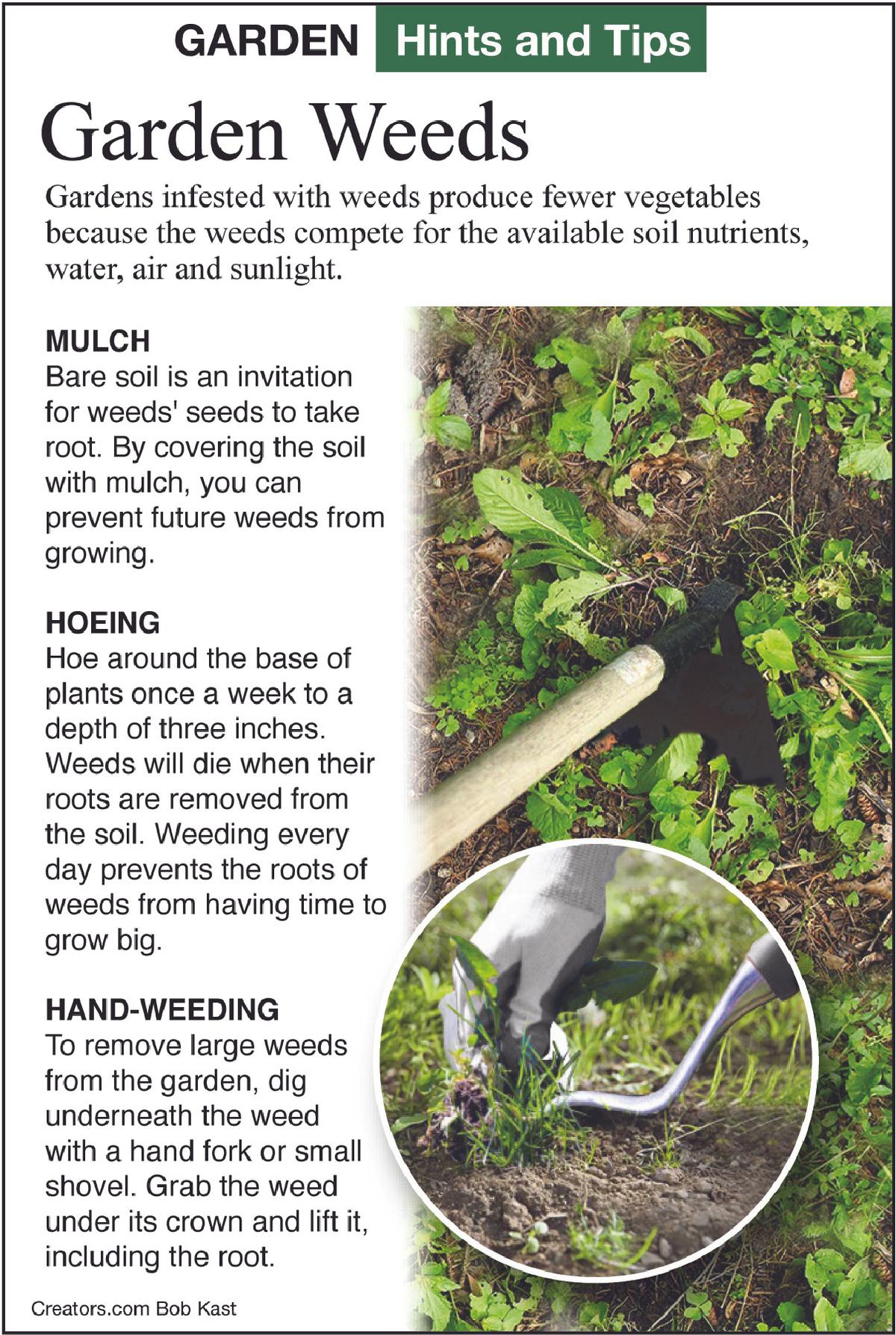
Mulching covers the soil and blocks light from reaching weed seeds. This slows down weed growth after hoeing removes existing weeds.
- Hoe the soil lightly to remove young weeds.
- Apply a layer of mulch like straw or wood chips.
- Keep mulch at least 2 inches thick to block sunlight.
- Check mulch regularly and add more as needed.
Integrating Manual Weeding
Manual weeding helps remove weeds that the hoe misses. This is useful for weeds growing close to plants.
| Tool | Best Use |
|---|---|
| Garden Hoe | Open soil and large weed patches |
| Hand Pulling | Weeds near delicate plants |
| Weeding Fork | Deep roots and tough weeds |
Using Natural Weed Barriers
Natural barriers stop weed seeds from sprouting. These barriers work well with regular hoeing.
- Plant ground covers that shade the soil.
- Use thick layers of leaves or grass clippings as mulch.
- Place landscape fabric under mulch to block weeds.
- Keep pathways clear with gravel or stones.
Frequently Asked Questions
How Do I Use A Garden Hoe Effectively On Weeds?
Use a garden hoe by slicing just below the soil surface to cut weed roots. Work in shallow strokes to avoid damaging nearby plants. Hoe regularly to prevent weeds from growing back and spreading in your garden.
When Is The Best Time To Hoe Weeds In The Garden?
The best time to hoe weeds is during dry weather and when weeds are small. Morning or late afternoon is ideal to avoid plant stress. Hoeing before weeds mature helps prevent seed spread and keeps the garden weed-free.
What Type Of Garden Hoe Is Best For Weed Removal?
A sharp, lightweight hoe with a flat blade is best for weed removal. It allows precise cutting of weeds near soil surface. Choose a hoe that feels comfortable and easy to control for efficient weeding.
Can Hoeing Damage My Garden Plants?
Hoeing can harm plants if done too deep or too close to roots. Always hoe gently and avoid disturbing roots of desirable plants. Maintaining a shallow hoeing depth helps protect your garden while removing weeds effectively.
Conclusion
Using a garden hoe helps keep weeds under control. Work the soil gently to avoid hurting your plants. Regular hoeing stops weeds from growing back fast. Choose the right time, like early morning or late afternoon. Keep your hoe clean and sharp for best results.
Small efforts often lead to a healthier garden. Enjoy the process and watch your garden thrive. Simple steps make weed control easier and more effective. Keep practicing these tips for a weed-free garden.