Imagine having a thriving vegetable garden that practically takes care of itself. Sounds like a dream, right?
Mulching your vegetable beds might just be the secret you’ve been searching for. By learning how to mulch effectively, you can transform your garden into a self-sustaining paradise, making sure your plants stay hydrated and healthy. In this guide, you’ll discover simple yet powerful techniques to retain moisture in your garden, reduce your workload, and boost your harvest.
Why struggle with dry soil when you can let mulch do the hard work for you? Dive in to uncover how you can easily enhance your vegetable garden’s performance with the magic of mulching.
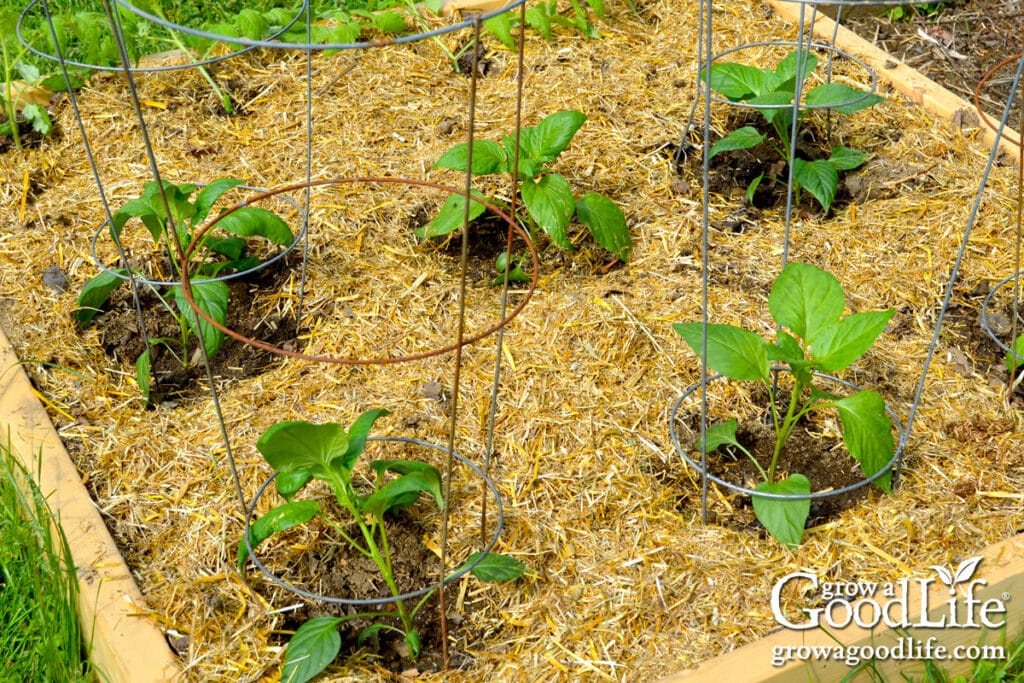
Credit: growagoodlife.com
Benefits Of Mulching
Mulching vegetable beds helps keep the soil moist and healthy. It creates a protective layer over the soil.
This layer supports plant growth by controlling weeds and regulating soil temperature.
Conserving Soil Moisture
Mulch reduces water evaporation from the soil. This keeps the soil moist longer and saves water.
It also helps plants survive dry spells by holding moisture around their roots.
Weed Suppression
Mulching blocks sunlight from reaching weed seeds. This stops many weeds from growing.
- Reduces time spent pulling weeds
- Prevents weeds from taking nutrients
- Keeps vegetable beds neat and tidy
Soil Temperature Regulation
Mulch keeps soil cooler in hot weather. It also insulates soil during cold nights.
| Season | Mulch Effect |
| Summer | Reduces soil temperature by 5-10°F |
| Winter | Prevents frost damage |
Enhancing Soil Health
Organic mulch breaks down and adds nutrients to the soil. It improves soil structure and drainage.
Benefits of organic mulch include:
- Supports earthworms and beneficial microbes
- Increases soil fertility
- Improves root growth
Choosing The Right Mulch
Mulching vegetable beds helps keep soil moist and healthy. Picking the right mulch is important for plant growth.
Different mulches work best in different gardens. Learn about organic and inorganic options and factors to consider.
Organic Mulch Options
Organic mulches come from natural materials. They add nutrients to the soil as they break down. Common types include straw, grass clippings, and shredded leaves.
- Straw: Light and easy to spread. Good for vegetable beds.
- Grass clippings: Readily available but dry before use.
- Shredded leaves: Improve soil structure over time.
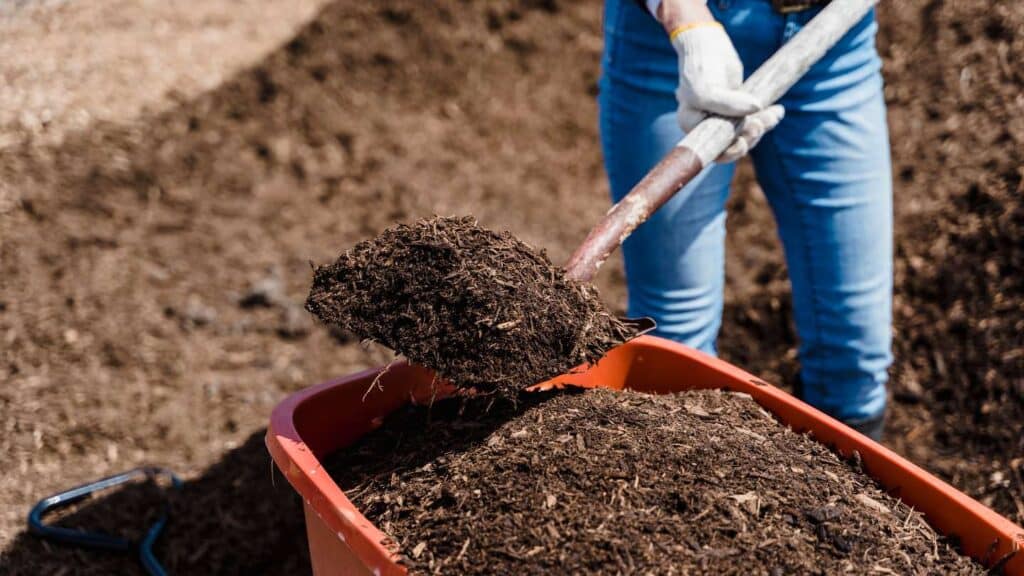
- Compost: Adds nutrients and helps soil hold moisture.
- Wood chips: Last longer but may take nitrogen from soil.
Inorganic Mulch Options
Inorganic mulches do not break down. They control weeds and keep moisture but do not add nutrients. Examples include plastic sheets and landscape fabric.
- Black plastic: Warms soil and blocks weeds effectively.
- Landscape fabric: Allows water through but blocks weeds.
- Gravel or stones: Good for drainage but may heat soil.
- Rubber mulch: Long-lasting but can be costly.
Factors To Consider
| Factor | What to Check | Why It Matters |
| Water Retention | How well mulch holds moisture | Helps plants get enough water |
| Soil Temperature | Mulch’s effect on warmth | Affects seed germination and growth |
| Decomposition Rate | How fast mulch breaks down | Impacts nutrient supply and replacement frequency |
| Cost and Availability | Price and access to mulch | Choose what fits your budget and supply |
| Plant Safety | Check for harmful chemicals or pests | Prevents damage to vegetables |
Preparing Vegetable Beds
Preparing your vegetable beds well helps plants grow strong. Good preparation keeps soil healthy and moist.
This guide explains key steps to get your beds ready for mulching and planting.
Clearing Debris And Weeds
Remove dead plants, leaves, and weeds from the beds. This stops pests and diseases from spreading.
Clear soil surface well to help mulch work better and keep moisture in the ground.
- Pull out weeds by the roots
- Pick up fallen leaves and plant remains
- Dispose of debris away from the garden
Soil Moisture Check
Check soil moisture before adding mulch. Soil should be damp but not soggy.
Dry soil needs watering to help plants grow well under mulch.
- Stick your finger 2 inches into the soil
- If soil feels dry, water the bed gently
- Wait a day for water to soak in before mulching
Applying Fertilizers
Add fertilizer to give nutrients before planting. Use balanced or vegetable-specific fertilizers.
Work fertilizer into the top soil layer to help roots absorb nutrients.
- Use compost or organic fertilizer for best results
- Follow package instructions for amounts
- Mix fertilizer evenly into soil about 3 inches deep

Credit: www.rasnetwork.org
Applying Mulch Properly
Mulching vegetable beds helps keep soil moist and healthy. Proper application of mulch saves water and supports plant growth.
Using the right amount and placing mulch correctly prevents problems like rot or pest damage. Follow these tips for best results.
Optimal Mulch Thickness
Apply mulch in a layer that is thick enough to hold moisture but not too thick to block air. Too thin mulch dries out quickly.
About 2 to 3 inches of mulch is ideal for vegetable beds. This thickness keeps soil cool and moist without causing mold.
- Less than 1 inch: mulch dries out fast
- 2 to 3 inches: best for moisture retention
- More than 4 inches: can cause poor air flow
Spacing Around Plants
Keep mulch a few inches away from plant stems. Mulch touching stems can trap moisture and cause rot or disease.
Leave about 2 to 3 inches of space between mulch and the base of each plant. This helps plants breathe and stay healthy.
- Mulch should not cover plant crowns
- Keep mulch away from stems and trunks
- Maintain clear space to prevent pests
Timing For Mulch Application
Apply mulch after soil has warmed in spring. Mulching too early can keep soil cold and slow growth.
Mulch right after planting or when seedlings are established. This timing helps retain moisture and reduce weeds.
- Wait until soil temperature is above 50°F (10°C)
- Apply mulch after watering or rain
- Refresh mulch layer as needed during growing season
Maintaining Mulched Beds
Mulching vegetable beds helps keep moisture in the soil. To get the best results, you must maintain the mulch properly. This keeps your plants healthy and growing strong.
Regular care of mulched beds prevents problems and ensures the mulch works well over time. Let’s look at how to monitor moisture, replenish mulch, and manage pests and diseases.
Monitoring Moisture Levels
Check the soil moisture under the mulch often. Mulch helps keep the soil wet but does not replace watering. Use your finger or a soil moisture meter to see if water is reaching the roots.
- Push your finger about two inches into the soil to feel moisture.
- If the soil feels dry, add water to your bed.
- Watch for signs of too much water, like soggy soil or mold on mulch.
- Adjust watering based on weather and soil dryness.
Replenishing Mulch
Mulch breaks down over time and thins out. Add more mulch to keep a thick layer that protects the soil and plants. Usually, add mulch every 4 to 6 weeks during the growing season.
| Mulch Type | Recommended Depth | Replenish Frequency |
|---|---|---|
| Straw or Hay | 2 to 3 inches | Every 4 weeks |
| Wood Chips | 3 inches | Every 6 weeks |
| Grass Clippings | 1 to 2 inches | Every 3 weeks |
| Leaves | 2 inches | Every 4 weeks |
Managing Pests And Diseases
Mulch can sometimes hide pests or cause diseases if it stays too wet. Check your beds often to catch problems early. Remove any damaged leaves or plants to stop spread.
- Look under mulch for insects like slugs and beetles.
- Keep mulch a few inches away from plant stems to prevent rot.
- Remove old or moldy mulch and replace it with fresh mulch.
- Use natural pest controls if needed, such as handpicking pests or using safe sprays.
Common Mistakes To Avoid
Mulching vegetable beds helps keep soil moist and plants healthy. Many gardeners make simple mistakes that reduce these benefits.
Knowing what to avoid can save time and improve your garden’s success.
Using Too Much Mulch
Applying too much mulch can block air and water from reaching the soil. This causes roots to suffocate and plants to weaken.
Keep mulch layers about 2 to 3 inches thick. This is enough to hold moisture without harming plant growth.
Applying Mulch When Soil Is Wet
Adding mulch on wet soil traps extra moisture. This can lead to root rot and fungal diseases.
Wait until the soil feels dry before spreading mulch. This helps keep roots healthy and prevents mold.
Choosing Poor Quality Mulch
Low-quality mulch may contain weeds, chemicals, or pests. It can harm your vegetable plants instead of helping them.
Use clean, natural mulch like straw, shredded leaves, or composted bark. Avoid mulch with dyes or additives.
- Weed seeds in mulch cause extra work
- Chemicals can damage vegetables
- Pests may spread diseases to plants
Credit: mulchpros.com
Frequently Asked Questions
What Is The Best Mulch For Vegetable Beds?
Organic mulches like straw, grass clippings, and shredded leaves work best. They retain moisture and improve soil health.
How Thick Should Mulch Be For Moisture Retention?
Apply mulch in a 2 to 4-inch layer. This thickness conserves water without suffocating plant roots.
When Is The Best Time To Mulch Vegetable Beds?
Mulch after planting and soil warming. This timing helps lock in moisture and control weeds effectively.
Can Mulch Prevent Weed Growth In Vegetable Gardens?
Yes, mulch blocks sunlight, reducing weed germination. It also makes weeding easier and less frequent.
Conclusion
Mulching vegetable beds keeps soil moist and plants healthy. It helps reduce water loss and controls weeds naturally. Choose the right mulch for your garden type and climate. Apply mulch evenly around your plants but not too close to stems.
Check mulch regularly and add more as it breaks down. This simple step saves water and supports strong vegetable growth. Start mulching today for a thriving and easy-care garden.