Are you gearing up for a home improvement project or a DIY task that involves metal conduit? If so, you’re in the right place.
Cutting metal conduit might seem daunting, but it’s simpler than you think. This guide will show you how to cut metal conduit with ease and precision. Imagine the satisfaction of a job well done, knowing you’ve handled every detail yourself.
You’ll discover the tools you need, the techniques to use, and tips to ensure safety and accuracy. Ready to master the art of cutting metal conduit and make your project a success? Let’s dive in and transform your DIY experience!
Tools Needed
Cutting metal conduit is an important step in many projects. You need the right tools to do it safely and cleanly.
This guide will cover the cutting tools and safety gear you need for the job.
Types Of Cutting Tools
There are several tools you can use to cut metal conduit. Each tool works best for certain situations.
- Hacksaw:A manual saw with a fine blade. Good for small jobs and thin conduit.
- Tube Cutter:A clamp-style tool that scores and snaps the conduit. Best for clean cuts on thin metal.
- Reciprocating Saw:A power saw with a back-and-forth blade. Works well for thick conduit or fast cuts.
- Angle Grinder:A power tool with a cutting disc. Useful for quick cuts on thick conduit but needs care.
Safety Gear Essentials
Safety is very important when cutting metal conduit. Use the right gear to protect yourself.
- Safety Glasses:Protect your eyes from metal shards and dust.
- Gloves:Wear sturdy gloves to protect your hands from sharp edges.
- Ear Protection:Use earplugs or earmuffs when using loud power tools.
- Dust Mask:Prevent breathing in metal dust and particles.

Credit: www.walmart.com
Preparing The Conduit
Cutting metal conduit needs careful preparation. The right steps make the job safe and accurate.
Start by measuring and marking the conduit clearly. Then, secure it firmly before cutting.
Measuring And Marking
Measure the conduit length carefully using a tape measure. Mark the spot where you want to cut with a sharp pencil or marker.
- Use a tape measure for exact length
- Mark the cutting point clearly
- Double-check measurements before marking
- Mark all sides of the conduit for visibility
Securing The Conduit
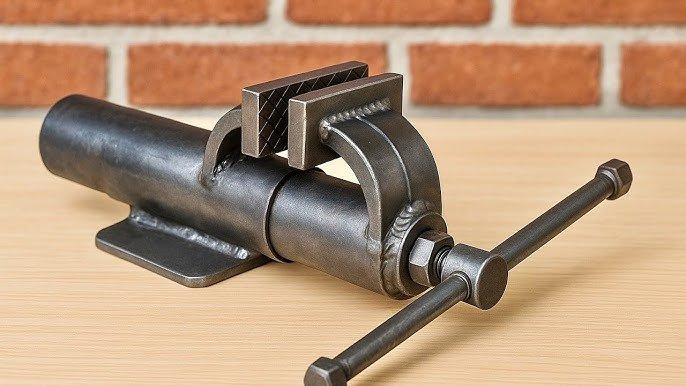
Hold the conduit steady to make a clean cut. Use a vise or clamps to secure it on a stable surface.
| Tool | Purpose |
|---|---|
| Vise | Holds conduit firmly for cutting |
| Clamps | Secure conduit to workbench |
| Protective gloves | Protect hands during cutting |
| Safety glasses | Protect eyes from metal shavings |
Cutting Techniques
Cutting metal conduit is a common task in many projects. Choosing the right cutting tool makes the job easier and safer.
This guide explains three common methods for cutting metal conduit. Each method suits different needs and tools.
Using A Hacksaw
A hacksaw is a simple hand tool that cuts metal with a fine blade. It works well for small jobs and thin conduit.
- Mark the cut line clearly on the conduit.
- Secure the conduit in a clamp or vise for stability.
- Use steady, even strokes with the hacksaw blade.
- Cut slowly to avoid bending the metal.
- Deburr the cut edge with a file for safety.
Using A Pipe Cutter
A pipe cutter makes clean cuts quickly. It is ideal for straight cuts on metal conduit without rough edges.
| Step | Action |
| 1 | Place the conduit inside the pipe cutter’s jaws. |
| 2 | Tighten the cutter until the blade touches the metal. |
| 3 | Rotate the cutter around the conduit, tightening slightly each turn. |
| 4 | Keep rotating until the conduit cuts all the way through. |
| 5 | Remove the conduit and check the cut edge. |
Using An Angle Grinder
An angle grinder cuts metal conduit fast. It is best for thicker conduit or when many cuts are needed.
Follow these safety tips when using an angle grinder:
- Wear eye protection and gloves.
- Secure the conduit firmly before cutting.
- Use a metal cutting disc on the grinder.
- Cut slowly along the marked line to avoid mistakes.
- Let the disc stop spinning before setting the tool down.

Credit: www.youtube.com
Smoothing Edges
Smoothing the edges of metal conduit is important for safety and proper fitting. Sharp edges can cause cuts or damage wires inside the conduit.
After cutting metal conduit, use methods to remove burrs and roughness. This helps ensure clean and safe edges for your project.
Deburring Methods
Deburring removes sharp bits left after cutting metal conduit. You can use special tools or simple household items for this task.
- Use a deburring tool designed for metal conduit.
- Run the tool along the cut edge to shave off burrs.
- Check the edge carefully to make sure it is smooth.
- Wear gloves to protect your hands during this process.
Using A File Or Sandpaper
A metal file or sandpaper can smooth edges when you do not have a deburring tool. This method is simple and effective for small projects.
| Tool | How to Use | Best For |
| Metal File | Rub file along the edge in one direction | Removing burrs quickly |
| Sandpaper (medium grit) | Wrap around a block and sand edges gently | Smoothing rough areas |
| Sandpaper (fine grit) | Use after medium grit to polish edge | Final smoothing |
Common Mistakes To Avoid
Cutting metal conduit needs care and focus. Small errors can cause bad fits or unsafe wiring.
Knowing what to avoid helps you finish your project faster and safer.
Using The Wrong Tools
Many people try to cut conduit with tools not made for metal. This leads to rough edges and poor cuts.
Use a hacksaw or a powered metal-cutting tool for clean cuts every time.
Not Measuring Twice
Cutting conduit too short or too long is a common mistake. Always measure carefully before cutting.
- Use a tape measure and mark the cut line clearly.
- Check your measurement twice to avoid mistakes.
- Remember to allow some extra length for fitting connections.
Forgetting To Deburr The Edges
Cut metal conduit edges are sharp. Leaving burrs can cause injury or damage wires.
Always use a deburring tool or file to smooth the cut edges before installation.
Skipping Safety Gear
Metal cutting creates sharp bits and dust. Not wearing safety gear risks injury.
- Always wear safety glasses to protect your eyes.
- Use gloves to avoid cuts on sharp edges.
- Wear a mask if cutting dust is heavy.
Ignoring The Cut Angle
Cuts that are not straight make it hard to join conduit pieces properly. This can cause leaks or weak joints.
Use a square or guide to keep your cuts straight and even every time.
Overlooking Cleanup After Cutting
Metal shavings left on the work area or inside conduit can cause problems later.
| Mistake | Why It’s Bad | How to Fix |
| Using wrong tools | Rough edges, bad cuts | Use hacksaw or metal cutter |
| Not measuring twice | Cut too short or long | Measure clearly and check twice |
| Skipping deburring | Sharp edges hurt or damage wires | File or use deburring tool |
| No safety gear | Risk of injury | Wear glasses, gloves, mask |
| Bad cut angle | Hard to fit pieces | Use square or guide |
| Not cleaning up | Metal shavings cause damage | Clean area and inside conduit |
Tips For Accurate Cuts
Cutting metal conduit needs care and precision. Accurate cuts help your project fit well.
Using the right tools and techniques makes cutting easier and safer. Follow these tips for the best results.
Measure Twice, Mark Once
Always measure your conduit carefully before cutting. Use a tape measure and mark the spot clearly.
Mark the cut line with a sharp pencil or a marker. Check the measurement twice to avoid mistakes.
Use The Right Cutting Tool
Select a cutting tool made for metal conduit. A hacksaw or a tubing cutter works well.
Make sure the blade is sharp. A dull blade can cause rough cuts and damage the conduit.
Secure The Conduit Firmly
Hold the conduit tight using a clamp or vise. This stops it from moving while you cut.
A stable conduit helps you make straight and clean cuts without slips or errors.
Cut Slowly And Steadily
Apply steady pressure as you cut. Avoid rushing to keep the cut smooth and even.
Slow cutting reduces metal burrs and keeps the conduit shape intact.
Deburr The Cut Edges
After cutting, remove sharp edges with a deburring tool or sandpaper. This makes handling safer.
Clean edges also help the conduit fit better into connectors and fittings.

Credit: www.familyhandyman.com
Frequently Asked Questions
How Do You Measure Metal Conduit Before Cutting?
Measure the exact length needed using a tape measure. Mark the cutting point clearly with a pencil or marker. Accurate measuring ensures a perfect fit and reduces waste during your project.
What Tools Are Best For Cutting Metal Conduit?
A hacksaw, tubing cutter, or an angle grinder work well. Choose based on conduit size and precision needed. Always wear safety gear to protect yourself while cutting.
How To Safely Cut Metal Conduit Without Burrs?
Cut slowly and steadily, then deburr edges with a file or sandpaper. This prevents sharp edges that can cause injury or damage wires inside.
Can I Cut Metal Conduit With A Power Tool?
Yes, power tools like an angle grinder or reciprocating saw cut metal conduit quickly. Use proper blades and wear safety equipment to avoid accidents.
Conclusion
Cutting metal conduit does not have to be hard. Use the right tools and measure carefully before cutting. Take your time to make clean, straight cuts. Always wear safety gear to protect yourself. Practice helps you get better and faster.
With these tips, your projects will look neat and professional. Stay safe and enjoy your work!