Are you looking to measure the diameter of an object with precision and ease? Using a caliper might be the solution you need.
Whether you’re working on a DIY project, conducting scientific research, or simply satisfying a personal curiosity, mastering this tool can be a game changer. Imagine the confidence you’ll feel knowing that your measurements are accurate down to the smallest fraction.
It’s not just about getting the job done; it’s about ensuring that every detail meets your standards. Dive into this guide to discover how you can use a caliper to measure diameter like a pro. Your path to precision starts here.
Choosing The Right Caliper
Measuring the diameter of objects needs the right tool. A caliper gives precise readings.
There are different types of calipers. Choosing one depends on your needs and budget.
Types Of Calipers
Calipers come in many styles. Each type works best for certain tasks.
- Digital calipers show measurements on a screen.
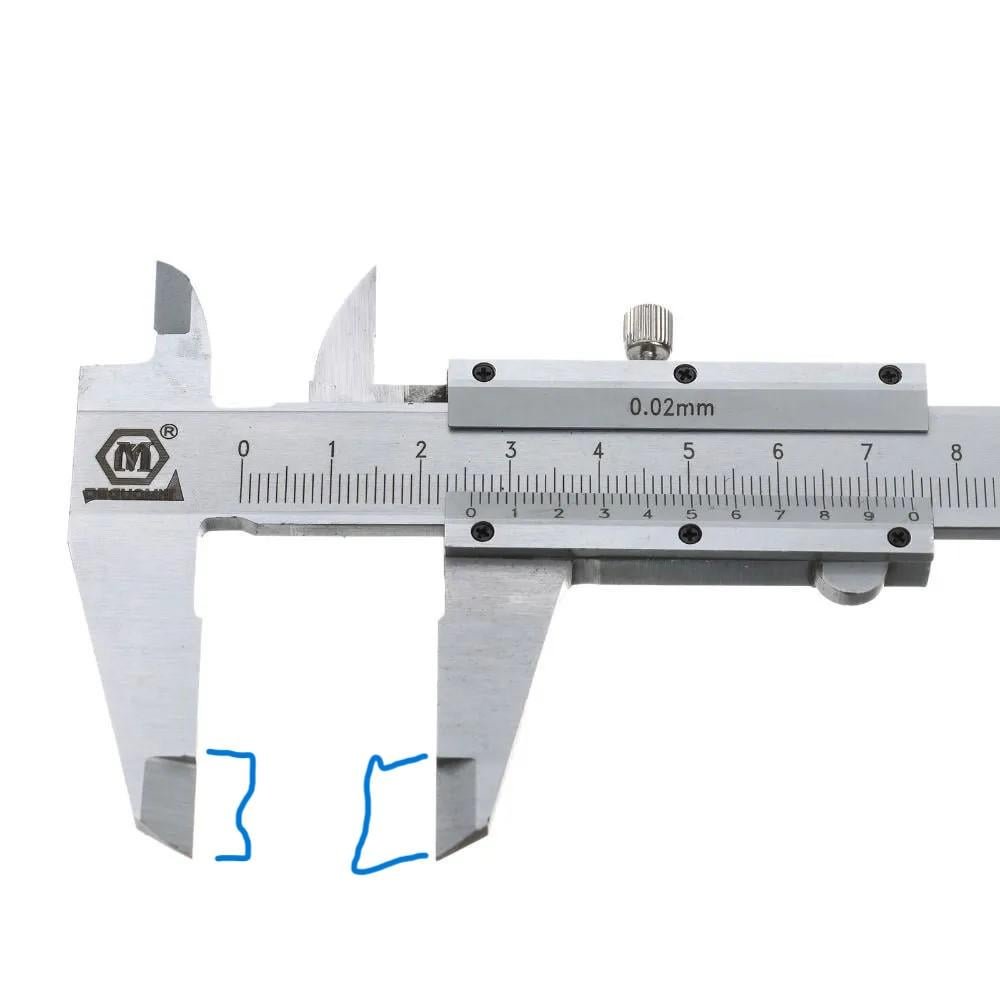
- Vernier calipers use a sliding scale to read values.
- Dial calipers have a dial with a pointer for readings.
Digital Vs. Vernier Vs. Dial
Digital calipers are easy to read and quick to use. They show numbers clearly.
Vernier calipers require practice. They use a scale you must read carefully.
Dial calipers combine analog reading with a pointer. They are easier than vernier but less clear than digital.
| Type | Ease of Use | Accuracy | Cost |
|---|---|---|---|
| Digital | Very Easy | High | Moderate |
| Vernier | Moderate | High | Low |
| Dial | Easy | Moderate | Moderate |

Credit: www.reddit.com
Preparing The Caliper
Before measuring diameter, you need to prepare your caliper. This helps ensure accurate readings. Preparing includes cleaning and zeroing the tool.
Clean jaws remove dirt and dust that can affect measurements. Zeroing sets the caliper to a correct starting point.
Cleaning The Jaws
Clean the caliper jaws before use. Use a soft cloth to wipe away dust, oil, or debris. Avoid using rough materials that can scratch the jaws.
If needed, dampen the cloth slightly with water or rubbing alcohol. Make sure the jaws are dry before measuring. Clean jaws help the tool grip the object properly.
- Use a soft, lint-free cloth
- Remove dust and oil gently
- Do not use abrasive cleaners
- Dry the jaws completely before use
Zeroing The Caliper
Close the caliper jaws fully to zero it. Check the display or scale to ensure it reads zero. This step resets the tool for accurate measuring.
If the caliper does not read zero, use the zero button or adjust the scale. Zeroing removes errors caused by jaw misalignment or previous use.
- Close jaws gently but fully
- Look for zero reading on the display
- Press zero button if digital
- Adjust scale if using manual caliper
Measuring External Diameter
Measuring the external diameter of an object is easy with a caliper. You need to hold the object and caliper correctly. This ensures an accurate reading.
A caliper has jaws that open and close to fit around the object. Use these jaws to measure the outside width or diameter.
Positioning The Object
Place the object on a flat surface or hold it steady in your hand. Make sure it does not move while measuring. The object should be easy to reach with the caliper jaws.
Check that the part you want to measure is clean and free from dirt. This helps get a more exact measurement.
Aligning The Jaws
Open the caliper jaws wide enough to fit around the object. Place the jaws gently on opposite sides of the object’s outer edge. Keep the jaws straight and level.
Close the jaws slowly until they touch the object. Do not squeeze too hard or the object may get damaged. The jaws should just touch the surface.
- Open jaws wider than the object
- Place jaws on opposite sides
- Keep jaws straight and level
- Close jaws gently until they touch
Reading The Measurement
Look at the scale on the caliper to read the measurement. Digital calipers show the number on a screen. Manual calipers have a sliding scale with numbers.
Make sure you read the number at the point where the jaws meet the scale. Write down or remember the number for your record.
- Check the digital screen or scale
- Read the number where jaws meet
- Note the measurement carefully

Credit: www.shutterstock.com
Measuring Internal Diameter
Measuring the internal diameter of an object helps check its size inside. A caliper is a tool that measures distances precisely.
This guide focuses on using a caliper to find the inside diameter accurately.
Using The Inside Jaws
The inside jaws of a caliper are small arms at the top. They fit inside holes or tubes to measure the inner width.
Open the jaws wider than the hole. Insert them gently inside the object. Slowly close the jaws until they touch the inside walls.
- Use only the small top jaws for internal measurements
- Do not force the jaws; move them smoothly
- Make sure jaws are fully inside the object
Ensuring Accurate Contact
Hold the caliper steady while the jaws touch the inside surface. Avoid pressing too hard, which can change the reading.
Check that both jaws touch the object evenly. Uneven contact can cause wrong measurements.
- Keep the caliper perpendicular to the hole
- Apply gentle pressure for firm contact
- Do not tilt or twist the caliper
Interpreting The Scale
Look at the caliper’s scale to read the measurement. The scale shows the distance between the inside jaws.
For digital calipers, read the number on the screen. For manual calipers, read the main and sliding scales carefully.
- Check the zero point before measuring
- Read the main scale first
- Then read the sliding scale for decimals
- Write down the measurement immediately
Measuring Depth And Step Diameter
Measuring diameter with a caliper requires attention to detail. Depth and step features often need special care.
Using the right tools on your caliper helps get accurate results. Read on to learn more.
Utilizing The Depth Rod
The depth rod is a thin, long part of the caliper. It slides out from the end of the tool. Use it to measure holes or grooves.
- Open the caliper jaws and extend the depth rod.
- Place the caliper’s base flat on the surface.
- Insert the depth rod into the hole or groove.
- Slide the caliper until the rod touches the bottom.
- Read the measurement on the caliper scale.
Measuring Step Features
Step diameter means measuring the difference between two levels on a part. Use the caliper jaws carefully for this.
| Part | Upper Step | Lower Step | Step Diameter |
| Example Shaft | 25 mm | 18 mm | 7 mm |
| Example Pipe | 40 mm | 30 mm | 10 mm |
Common Mistakes To Avoid
Measuring diameter with a caliper requires care and attention. Small mistakes can cause wrong results. Avoid these common errors for accurate measurement.
Understanding what to avoid helps you get precise readings. Let’s look at some frequent mistakes and how to prevent them.
Applying Excessive Force
Pressing the caliper jaws too hard can damage the tool or the object. It also changes the size slightly, giving wrong readings.
Use gentle pressure to close the jaws just enough to touch the object. This keeps the measurement accurate and safe.
Misreading The Scale
It is easy to read the scale incorrectly, especially with vernier or dial calipers. Wrong interpretation leads to wrong diameter measurements.
Focus carefully on the scale lines. Double-check the number you read before recording it.
- Align your eye directly with the scale
- Note the main scale and vernier or dial reading
- Practice reading the caliper to avoid mistakes
Ignoring Calibration
Using a caliper that is not calibrated can cause wrong measurements. Even new tools need checking before use.
Check calibration by closing the jaws and seeing if it reads zero. If not, adjust or calibrate it before measuring.
- Calibrate regularly to keep accuracy
- Use calibration blocks if available
- Store the caliper properly to avoid damage
Tips For Accurate Measurement
Measuring diameter with a caliper requires care and attention. Small mistakes can lead to wrong readings.
These tips will help you get precise results every time you use your caliper.
Consistent Pressure
Apply steady and gentle pressure when closing the caliper jaws. Too much force can deform the object and give a false reading.
- Hold the caliper firmly but not tight
- Close the jaws slowly until they touch the object
- Avoid squeezing the caliper too hard
- Check the reading without moving the caliper
Proper Handling
Handle the caliper carefully to keep its accuracy. Dropping or twisting can damage the tool.
| Handling Tip | Why It Matters |
|---|---|
| Hold caliper by the frame | Prevents jaw misalignment |
| Keep jaws clean and dry | Avoids slipping and errors |
| Use thumb wheel for fine movement | Improves control and precision |
| Store caliper in its case | Protects from dust and damage |
Regular Maintenance
Maintain your caliper to ensure it stays accurate. Clean and check it often.
- Wipe caliper with a soft cloth after use
- Remove dirt and debris from jaws
- Check calibration regularly using a gauge block
- Lubricate moving parts lightly if needed
- Replace batteries for digital calipers on time

Credit: www.shutterstock.com
Frequently Asked Questions
How Do I Measure Diameter With A Caliper?
To measure diameter, open the caliper jaws and place them around the object. Close gently until they touch the edges. Read the measurement on the scale or digital display for accurate diameter size.
Can I Measure Internal Diameter With A Caliper?
Yes, use the smaller jaws at the top of the caliper. Insert them inside the object and expand until they touch the inner edges. This gives the internal diameter measurement precisely.
What Type Of Caliper Is Best For Diameter Measurement?
A digital caliper is best for diameter measurement. It offers quick, accurate readings and easy-to-read displays. Vernier and dial calipers also work but need manual reading interpretation.
How To Ensure Accurate Diameter Readings With A Caliper?
Calibrate the caliper regularly. Hold it correctly without tilting. Apply consistent pressure when measuring. Clean the caliper and object to avoid dirt affecting accuracy.
Conclusion
Measuring diameter with a caliper is simple and precise. Hold the caliper firmly and read the scale carefully. Practice helps improve your accuracy and confidence. Use the right caliper type for your object. Regularly check your tool for damage or dirt.
Clear and steady measurements save time and effort. Keep these tips in mind for better results. Accurate diameter measurement supports many projects and tasks. Try measuring different items to build skill. Stay patient and focused during each measurement step.