Imagine the peace of mind knowing that your home is safe from electrical mishaps. GFCI outlets, or Ground Fault Circuit Interrupters, are your first line of defense against electrical shocks and fires.
But how can you be sure they’re working correctly? This is where electrical testing comes in. You might think that once installed, these outlets work flawlessly forever. The truth is, without regular testing, you could be exposing yourself and your loved ones to unnecessary risks.
By understanding the importance of electrical testing for GFCI outlets, you ensure your home remains a safe haven. Stick with us as we delve into the simple steps you can take to keep your GFCI outlets in top shape, ensuring they do their job when you need them most.
Credit: www.newegg.com
Importance Of Gfci Outlets
GFCI outlets help protect people from electric shock. They detect unsafe electrical currents and shut off power quickly.
Using GFCI outlets in the right places can save lives and prevent serious injuries.
How Gfci Protects Against Electrical Shock
GFCI stands for Ground Fault Circuit Interrupter. It watches the electricity flow in a circuit. If it finds a difference, it stops the current fast.
- Detects small leaks of electricity
- Shuts off power in less than 1/40th of a second
- Prevents electric shock from faulty devices
- Works even if the power is still on
Common Areas For Gfci Installation
GFCI outlets are needed in areas where water and electricity meet. Water can cause electric shock risks.
| Location | Reason for GFCI |
| Kitchen | Many appliances near water |
| Bathroom | High moisture levels |
| Outdoor areas | Exposure to rain and wet conditions |
| Garage | Tools and damp floors |
| Basement | Possible water leaks and dampness |
Types Of Electrical Tests For Gfci
GFCI outlets protect people from electric shocks. Testing these outlets ensures they work correctly. There are several ways to test GFCI outlets.
Testing helps find problems early. It also keeps your home safe from electrical hazards.
Manual Test Button Check
Most GFCI outlets have a test button. Pressing this button checks if the outlet can cut power quickly. This simple test helps confirm the GFCI is working.
To test, press the test button until the reset button pops out. This means the GFCI tripped. Press reset to restore power. If the reset button does not pop out, the outlet may be faulty.
Using A Gfci Tester
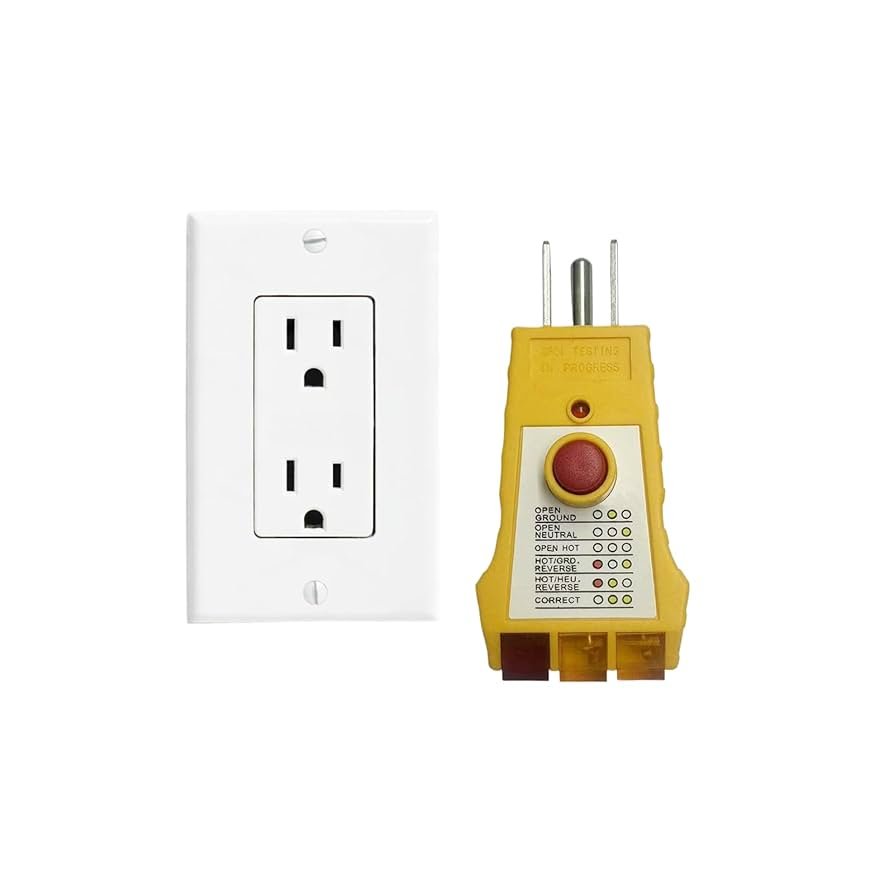
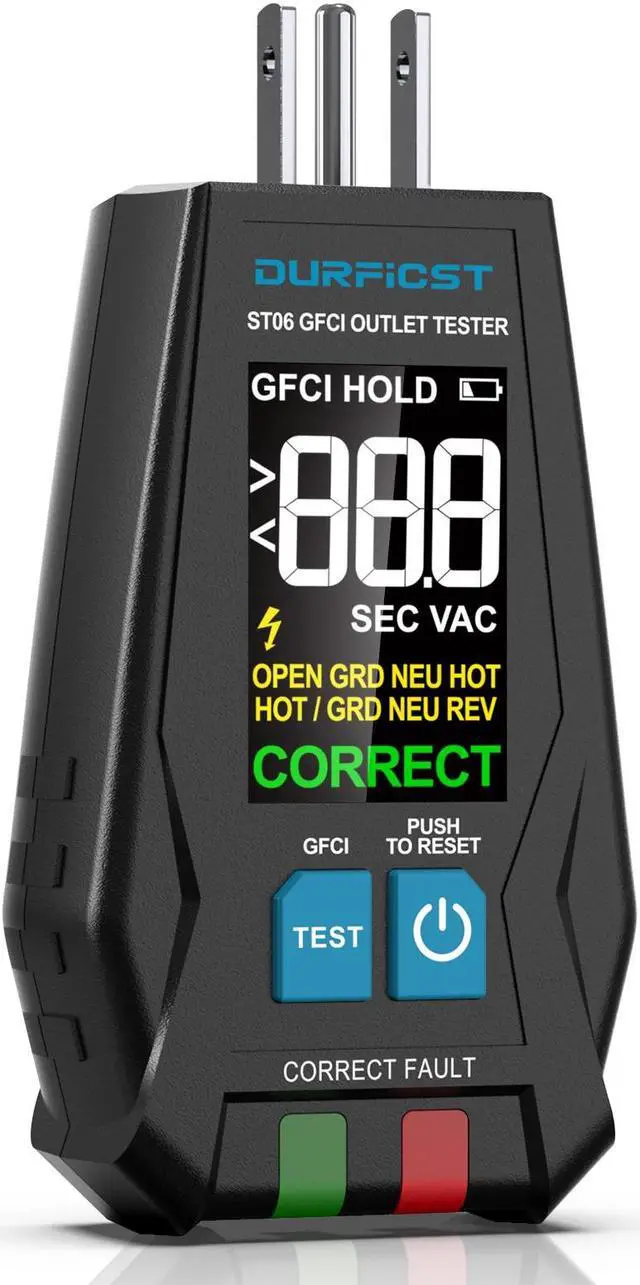
A GFCI tester is a small device made for testing GFCI outlets. It plugs into the outlet and simulates a fault. This checks if the GFCI trips as it should.
The tester has indicator lights. These lights show if the wiring is correct and if the GFCI works. This tool is easy to use and gives clear results.
- Plug tester into the outlet
- Press the test button on the tester
- Check if the GFCI trips
- Observe the indicator lights for wiring status
Advanced Testing With Multimeters
Multimeters measure electrical values like voltage and current. They can test GFCI outlets more deeply. This method is for people with electrical knowledge.
Using a multimeter, you can check the outlet’s voltage and see if the GFCI trips when a fault current flows. This helps find hidden problems that simple tests may miss.
- Set the multimeter to measure voltage or current
- Test the outlet terminals for correct voltage
- Use the multimeter to simulate a fault current
- Check if the GFCI trips at the correct current level
Step-by-step Testing Procedures
Testing GFCI outlets is important for safety. These outlets help prevent electric shocks.
Follow simple steps to check if your GFCI outlets work properly. Testing ensures they trip when needed.
Preparing For The Test
Turn off all devices plugged into the GFCI outlet. Clear the area around the outlet for easy access.
Gather the tools you need. You will need a GFCI tester or a simple outlet tester with a test button.
- Unplug all devices from the outlet
- Have a GFCI tester or outlet tester ready
- Ensure the area is dry and safe
Performing The Manual Test
Press the “Test” button on the GFCI outlet. This should cut power to the outlet immediately.
Check if the “Reset” button pops out. Try plugging in a small device or tester to see if power is off.
- Press the “Test” button on the GFCI
- Confirm the power stops by using a device or tester
- Press the “Reset” button to restore power
Interpreting Tester Results
A GFCI tester shows if the outlet wiring is correct and if it trips properly. Look at the lights on the tester.
Different light patterns tell you if the outlet is safe or if wiring needs fixing. No lights or wrong patterns mean a problem.
| Tester Lights | Meaning |
| One green light | Correct wiring, GFCI working |
| Two or more lights | Wiring error or no GFCI protection |
| No lights | Power off or faulty outlet |
Troubleshooting Common Issues
GFCI outlets protect people from electrical shocks. They detect faults and stop power quickly. Sometimes, these outlets have issues and need testing.
This guide helps you find common problems with GFCI outlets. You will learn how to check and fix them safely.
Gfci Not Resetting
If your GFCI outlet does not reset, it may have a problem. The outlet might sense a fault or be damaged.
Check if something is plugged in that causes a short circuit. Unplug all devices and try to reset again. If it still does not reset, the outlet may be faulty.
Frequent Tripping Causes
GFCI outlets trip to protect you from shocks. If they trip often, there is a problem in the circuit or devices.
Common causes include moisture, damaged cords, or using too many devices on one outlet. Check for water near the outlet and unplug all devices to find the cause.
- Wet or damp conditions near the outlet
- Broken or frayed power cords
- Overloaded circuits with many devices
- Ground faults in appliances
Wiring Problems And Solutions
Incorrect wiring is a common reason for GFCI issues. Wrong connections can stop the outlet from working properly.
Check that the line wires connect to the correct terminals. Load wires must go to the right side if used. Tighten loose wires and replace damaged ones.
- Line wires connect power source to GFCI
- Load wires supply power to other outlets
- Loose wires can cause trips or no power
- Use a voltage tester to verify wiring
Maintenance Tips For Gfci Outlets
GFCI outlets protect people from electrical shock. They need regular care to work well. Simple maintenance helps keep your home safe.
Check your GFCI outlets often. Follow easy steps to find problems early. This guide shows how to care for them.
Regular Testing Schedule
Test your GFCI outlets every month. Press the “Test” button on the outlet to check it. The “Reset” button should pop out when tested.
If the “Reset” button does not pop out, or the outlet does not turn off power, it may be faulty. Reset the outlet by pressing the “Reset” button back in.
- Press the “Test” button monthly
- The “Reset” button should pop out
- Press “Reset” to restore power
- Replace if the outlet does not reset
Signs Of Wear And Damage
Look for cracks, burn marks, or loose parts on the outlet. Damaged outlets may not work correctly and can cause hazards.
Listen for buzzing sounds or smell burning near the outlet. These signs show the outlet may be unsafe and need attention.
- Cracks or discoloration on the outlet cover
- Burn marks or melted plastic
- Loose or wobbly outlet
- Buzzing sounds or burning smell
When To Replace Gfci Outlets
Replace GFCI outlets if they fail the monthly test. Also change them if you see damage or they trip often without cause.
Old GFCI outlets may not protect well. Update outlets every 10 years or after electrical work in your home.
- Fail monthly testing
- Show physical damage
- Trip repeatedly without reason
- Are over 10 years old
- After major electrical repairs

Credit: kaiweets.com
Safety Best Practices
Electrical testing for GFCI outlets helps keep your home safe. These tests check if the outlet can stop electrical shocks.
Following safety rules during testing prevents accidents and protects you and your family.
Working Safely Around Electricity
Always turn off power before testing GFCI outlets. Use a voltage tester to make sure the power is off.
Wear rubber-soled shoes and avoid wet areas. Keep your hands dry to avoid electric shocks.
- Use insulated tools for testing and repairs
- Never touch exposed wires or terminals
- Stand on a dry, non-conductive surface
- Keep children and pets away during testing
Hiring Professionals For Complex Issues
Some GFCI problems need special tools and skills. It is safer to hire a licensed electrician in these cases.
Professionals can find hidden wiring issues and fix them properly. They also follow local electrical codes.
- Complex wiring problems
- Repeated tripping of GFCI outlets
- Replacing old or damaged outlets
- Upgrading electrical panels or circuits

Credit: www.amazon.com
Frequently Asked Questions
What Is Electrical Testing For Gfci Outlets?
Electrical testing for GFCI outlets checks their ability to cut power during faults. It ensures safety by detecting ground faults and preventing electric shocks. Regular testing keeps GFCI outlets functional and compliant with safety standards, protecting users from electrical hazards.
How Often Should Gfci Outlets Be Tested?
GFCI outlets should be tested monthly for proper functionality. Frequent testing ensures they trip correctly during faults, reducing electric shock risks. Consistent checks help identify faulty outlets early, maintaining a safe electrical environment in homes and workplaces.
Can I Test Gfci Outlets Without Professional Help?
Yes, you can test GFCI outlets using the built-in test button. Pressing it trips the outlet, and pressing reset restores power. For thorough testing, use a GFCI tester device or consult a professional electrician if unsure.
What Tools Are Needed For Gfci Outlet Testing?
Basic tools for GFCI testing include a GFCI tester or multimeter. The built-in test and reset buttons also help verify function. Professional electricians may use advanced equipment to ensure precise testing and safety compliance.
Conclusion
Testing GFCI outlets keeps your home safe from electrical shocks. Regular checks help find problems early and prevent accidents. Use simple tools like a tester to check if outlets work right. If a GFCI trips often, it needs attention or replacement.
Staying careful with electrical safety protects your family and devices. Don’t skip testing; it is a small step with big benefits. Safe outlets mean peace of mind every day.