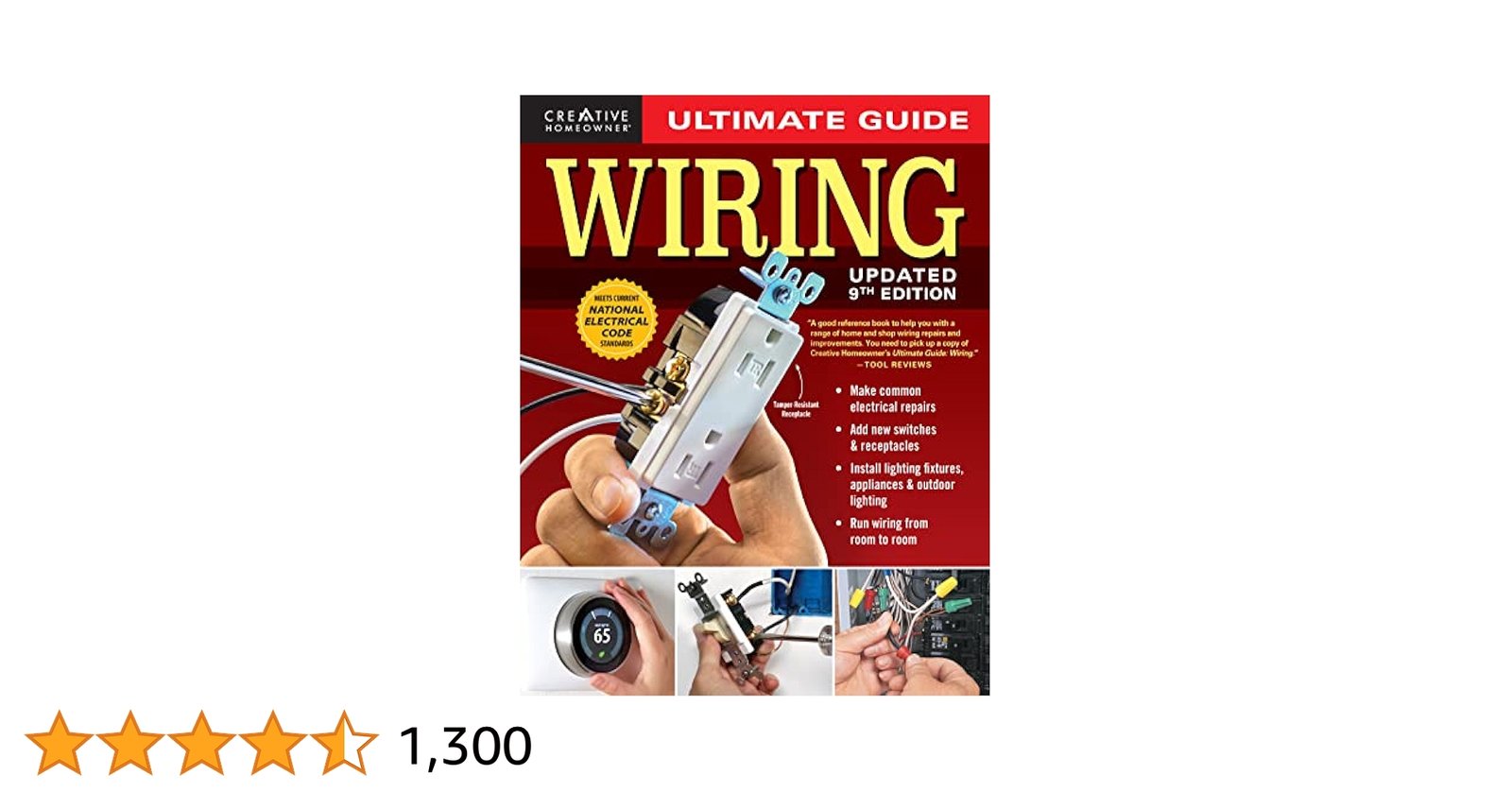
Are you thinking about tackling some electrical work in your home? It can feel overwhelming, but with the right guidance, you can approach it with confidence.
In this comprehensive electrical wiring guide tailored for homeowners like you, we’ll break down the essentials. Imagine the satisfaction of flicking on a light switch and knowing you made it happen. This guide is designed to simplify the complex and empower you with knowledge, ensuring safety while enhancing your DIY skills.
Ready to demystify the wires and circuits in your home? Let’s dive in and illuminate your path to becoming a wiring wizard.
Basic Electrical Components
Electrical wiring in homes uses many parts to connect power safely. Knowing basic components helps you understand how electricity flows.
This guide covers wires and cables, circuit breakers, outlets, and switches. Each part plays a role in your home’s electrical system.
Wires And Cables
Wires and cables carry electricity from the main source to devices in your home. They come in different types and sizes.
- Live wire:carries current to devices.
- Neutral wire:returns current to the power source.
- Ground wire:safety wire to prevent shocks.
- Insulation:covers wires to avoid contact and short circuits.
- Cable types:include single, twin, and armored cables for different uses.
Circuit Breakers
Circuit breakers protect your home from electrical overloads and short circuits. They stop the flow of electricity when there is a fault.
| Type | Function | Use |
| Miniature Circuit Breaker (MCB) | Trips during overload | Protects lighting and outlets |
| Residual Current Device (RCD) | Detects earth faults | Prevents electric shocks |
| Molded Case Circuit Breaker (MCCB) | Handles high current loads | Used in main panels |
Outlets And Switches
Outlets provide power points for devices. Switches control the flow of electricity to lights and appliances.
Common types of switches and outlets include:
- Single-pole switch: controls one device from one location.
- Double-pole switch: controls a device from two locations.
- Grounded outlet: has a third pin for safety.
- USB outlet: includes ports for charging devices.
Planning Your Wiring Layout
Planning your home’s electrical wiring is key to safety and efficiency. A good layout helps avoid future problems.
Think about power needs, circuits, and wire types before you start the wiring work.
Assessing Power Needs
Calculate how much electricity each room will use. Consider lighting, appliances, and devices.
- List all devices and their wattage
- Estimate hours of daily use
- Include extra power for future additions
Mapping Out Circuits
Plan separate circuits for heavy power use and general lighting. This keeps the system balanced and safe.
| Circuit Type | Common Uses |
| Lighting | Ceiling lights, lamps |
| General Power | Outlets for small appliances |
| Dedicated | Ovens, air conditioners, water heaters |
Selecting Wire Types
Choose wires that match your circuit needs. Wire size affects safety and performance.
- Use thicker wires for high-power circuits
- Check wire insulation for indoor or outdoor use
- Follow local electrical codes for wire types
Tools For Wiring Projects
Working on electrical wiring at home needs the right tools. Using proper tools makes the work safer and easier.
This guide covers the main tools homeowners need for wiring projects. It explains essential hand tools, testing equipment, and safety gear.
Essential Hand Tools
Hand tools help you cut, strip, and connect wires. They are the basic tools for any wiring task.
- Wire strippers to remove insulation without damaging wires
- Needle-nose pliers for bending and holding wires
- Diagonal cutters to cut wires cleanly
- Screwdrivers for fastening screws on outlets and switches
- Voltage tester to check if wires are live before working
- Electrical tape for insulating wire connections
Testing Equipment
Testing tools verify electrical circuits and ensure safety before finishing your work.
| Tool | Use | Why It Matters |
| Multimeter | Measures voltage, current, and resistance | Checks if circuit works correctly |
| Non-contact voltage tester | Detects live wires without touching | Prevents shocks during work |
| Continuity tester | Checks if wires connect properly | Finds breaks in wiring |
Safety Gear
Safety gear protects you from electrical shocks and injuries. Always wear the right gear before starting.
- Insulated gloves to stop electric shocks
- Safety glasses to protect eyes from sparks and debris
- Rubber-soled shoes to reduce shock risk
- Hard hat if working near overhead wires
- Fire extinguisher nearby for emergencies
Credit: www.premium-electric.ca
Step-by-step Wiring Process
Electrical wiring is important for home safety and function. Following clear steps helps you do the job right.
This guide explains the main parts of wiring. It covers turning off power, running cables, connecting fixtures, and testing connections.
Turning Off Power
Always turn off power before starting any wiring work. This keeps you safe from electric shocks.
Find the main circuit breaker in your home. Switch off the breaker that controls the area you will work on.
- Locate your home’s main breaker panel
- Identify the correct circuit breaker
- Switch the breaker to the OFF position
- Use a voltage tester to confirm power is off
Running Cables
Run cables from the power source to the location of outlets or fixtures. Use the right type of cable for each job.
Measure the distance and cut cables to length. Avoid sharp bends and secure cables with clips or staples.
- Choose cables rated for your circuit’s amperage
- Run cables through walls or ceilings carefully
- Leave extra cable length at connection points
- Secure cables every 4 to 6 feet
Connecting Fixtures
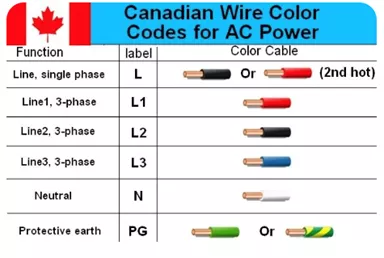
Connect wires to light fixtures, outlets, or switches. Match wire colors: black or red is hot, white is neutral, green or bare is ground.
Strip wire ends and twist wires together. Use wire nuts or connectors to secure connections and wrap with electrical tape.
- Strip about 3/4 inch of insulation from wires
- Connect wires by matching colors correctly
- Twist wires tightly before securing with wire nuts
- Wrap connections with electrical tape for safety
Testing Connections
Check all connections before restoring power. Use a voltage tester or multimeter to verify correct wiring and safety.
Turn power back on and test switches and outlets. If something does not work, turn off power and check connections again.
- Double-check all wire connections
- Use a voltage tester to check for power
- Test switches, outlets, and fixtures
- Turn off power immediately if you find problems
Common Wiring Mistakes
Electrical wiring is important for home safety. Mistakes can cause fires or shocks. Knowing common errors helps prevent problems.
This guide covers three usual wiring mistakes. Each section explains the issue and how to avoid it.
Overloading Circuits
Overloading happens when too many devices use one circuit. This can cause wires to heat and start fires. Avoid plugging many high-power items into one outlet.
- Limit the number of devices on a single circuit.
- Use dedicated circuits for large appliances.
- Check the circuit breaker rating before adding devices.
- Replace old breakers that trip often.
Improper Grounding
Grounding protects people from electric shocks. Improper grounding can cause dangerous shocks or damage devices. Always connect grounding wires to the proper terminals.
| Problem | Effect | Solution |
| No Ground | Shock hazard | Install ground wire |
| Loose Ground | Intermittent shocks | Tighten connections |
| Wrong Ground | Device damage | Use correct grounding point |
Using Wrong Wire Gauge
Wire gauge means wire thickness. Wrong gauge wires can overheat or cause voltage drops. Thicker wires carry more current safely.
- Use 14-gauge wire for 15-amp circuits.
- Use 12-gauge wire for 20-amp circuits.
- Use thicker wire for longer runs to prevent voltage drop.
- Check local codes for wire size rules.

Credit: www.amazon.in
Safety Precautions
Electrical wiring is common in every home. It can be dangerous if not handled safely. Following safety rules helps prevent accidents and injuries.
This guide covers key steps to keep you safe. Learn how to avoid shocks, use special outlets, and check your wiring regularly.
Avoiding Electrical Shock
Electric shock can cause serious harm. Always treat wires and devices as if they are live. Never touch electrical parts with wet hands or while standing on wet surfaces.
- Turn off power before working on wiring.
- Use insulated tools for electrical tasks.
- Keep cords and plugs in good condition.
- Do not overload outlets with too many devices.
- Keep children away from electrical panels and outlets.
Using Gfci Outlets
Ground Fault Circuit Interrupter (GFCI) outlets protect you from shocks. They quickly cut power if they detect a fault. These outlets are required in wet areas of your home.
| Location | Why GFCI is Important |
| Bathrooms | Water increases shock risk |
| Kitchens | Many appliances near water |
| Garages | Moisture and tools present |
| Outdoor areas | Exposure to rain and dampness |
Regular Inspections
Check your home wiring often. Look for signs of damage or wear. Fix problems quickly to avoid hazards.
Use this checklist for inspections:
- Look for frayed or cracked wires
- Check outlets for sparks or burns
- Test GFCI outlets monthly using the test button
- Listen for buzzing sounds near panels
- Confirm circuit breakers work properly
When To Call A Professional
Electrical work can be dangerous and complex. Knowing when to hire a professional keeps your home safe.
Simple tasks like changing a switch can be done by homeowners. Complex jobs need expert help to avoid risks.
Complex Wiring Tasks
Complex wiring involves changes to your home’s electrical system. This includes adding new circuits or rewiring old ones.
Professionals have the skills and tools to handle these safely. Mistakes can cause fires or damage electrical devices.
- Installing new breaker panels
- Rewiring entire rooms or homes
- Adding circuits for heavy appliances
- Running wiring through walls or ceilings
Code Compliance Issues
Electrical codes protect your home and family. Professionals know the latest rules and standards.
Improper work can fail inspections and cause hazards. A licensed electrician ensures your wiring meets all codes.
- Following local electrical codes
- Using approved materials and methods
- Getting proper permits and inspections
- Ensuring grounding and circuit protection
Troubleshooting Problems
Electrical problems can be tricky to find and fix. Professionals use special tools to locate issues safely.
Do not try to fix frequent outages, flickering lights, or burning smells yourself. These signs need expert attention.
- Frequent circuit breaker trips
- Lights flickering or dimming
- Unusual smells near outlets or switches
- Buzzing sounds from electrical panels

Credit: www.angi.com
Frequently Asked Questions
What Tools Are Essential For Home Electrical Wiring?
Basic tools include wire strippers, voltage testers, pliers, screwdrivers, and electrical tape. These tools ensure safety and accuracy during wiring tasks. Using the right tools helps prevent damage and ensures proper connections in your home electrical system.
How To Choose The Right Wire Gauge For Home Wiring?
Select wire gauge based on the circuit’s amperage. Common sizes are 14-gauge for 15 amps and 12-gauge for 20 amps. Using the correct gauge prevents overheating and electrical hazards, ensuring safe and efficient wiring in your home.
Can Homeowners Safely Do Their Own Electrical Wiring?
Basic wiring tasks like replacing outlets can be done by homeowners. However, complex jobs require licensed electricians to avoid risks. Always follow local codes and safety guidelines to ensure proper and safe electrical installations.
What Safety Precautions Are Needed During Home Wiring?
Turn off power at the breaker before starting. Use insulated tools and avoid working in wet areas. Always double-check connections and follow local electrical codes to prevent shocks, fires, and other hazards.
Conclusion
Good electrical wiring keeps your home safe and efficient. Always follow basic rules and use the right tools. Check your work carefully and avoid shortcuts. Consult a professional if you feel unsure or face complex issues. Staying informed helps prevent accidents and saves money.
Proper wiring supports all your home’s electrical needs. Take your time and plan before starting any project. Safety first, always. This guide aims to help you feel confident with home wiring. Keep learning and stay safe in your home.