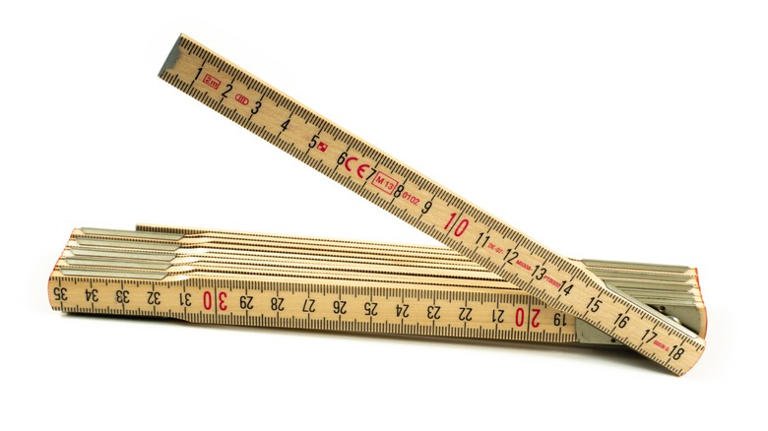
If you’ve ever found yourself fumbling with a tape measure or struggling to get precise measurements, it’s time to meet your new best friend: the folding ruler. This handy tool is not just for carpenters or builders; it’s perfect for anyone who values accuracy and efficiency in their projects.
Imagine completing your tasks faster and with more precision, making every DIY project a breeze. With the right techniques, you can maximize the potential of your folding ruler and save both time and effort. Curious to discover how to become a pro at using this simple yet powerful tool?
Stick around, because we’re about to unlock the secrets that will transform the way you measure and build.
Choosing The Right Folding Ruler
A folding ruler is a handy tool for measuring various objects. Picking the right one helps you work better and faster.
Think about what you will measure and where you will use the ruler before buying it.
Material Types And Durability
Folding rulers come in different materials. Each type has its own strength and lifespan.
Wood is light and easy to handle but can break if dropped. Metal rulers are strong and last long. Plastic rulers resist moisture but may crack under pressure.
- Wood: lightweight, can splinter or break
- Metal: durable, heavy, resists bending
- Plastic: moisture-resistant, can crack
Length And Measurement Units
Folding rulers come in different lengths. Choose one that fits your measuring needs.
Some rulers show measurements in inches, others in centimeters. Some have both units on the same ruler.
- Common lengths: 2 feet, 3 feet, or 5 feet
- Units: inches, centimeters, or both
- Pick the size and unit that match your work
Locking Mechanisms
Locking mechanisms keep the folding ruler in place when measuring. This helps you get accurate results.
Some rulers lock with a simple snap, while others use screws or clamps. Choose a locking type that feels secure and easy to use.
- Snap lock: quick and easy
- Screw lock: very secure but slower
- Clamp lock: adjustable and strong
Credit: www.primetools.co.uk
Preparing The Ruler For Use
Using a folding ruler correctly starts with good preparation. This ensures accurate measurements and extends the tool’s life.
Take time to check the ruler before each use. Proper care helps avoid mistakes and saves time.
Checking For Damage And Wear
Inspect your folding ruler for cracks, chips, or broken joints. These damages can cause wrong readings and make the ruler unsafe.
Look closely at the measuring marks. Faded or worn numbers are hard to read and reduce accuracy.
- Check each segment for cracks or splits
- Make sure the hinges move smoothly without sticking
- Verify all measurement marks are clear and visible
- Replace the ruler if you find serious damage
Calibrating For Accuracy
Ensure your folding ruler gives correct measurements. Calibration means checking it against a known standard.
Use a tape measure or a fixed length object with a verified size. Compare the ruler’s readings to confirm accuracy.
- Place the ruler alongside a verified tape measure
- Check measurements at several points along the ruler
- Note any differences in length or mark placement
- Adjust your measurements if small errors appear
Proper Unfolding Techniques
Open the folding ruler gently to avoid damage. Forceful unfolding can break the joints or bend the segments.
Unfold one section at a time. Make sure each joint clicks or locks into place before moving to the next.
- Hold the ruler firmly but do not squeeze hard
- Open each hinge slowly and carefully
- Check that each segment is fully extended and locked
- Fold the ruler back in reverse order after use
Measuring With Precision
Using a folding ruler can give you exact measurements if you use it right. It is important to handle the ruler carefully and follow some simple steps. This helps you get the best results for your project.
Here are key tips for measuring with precision using a folding ruler. Focus on how you align the ruler, take readings, and avoid common mistakes.
Aligning The Ruler Correctly
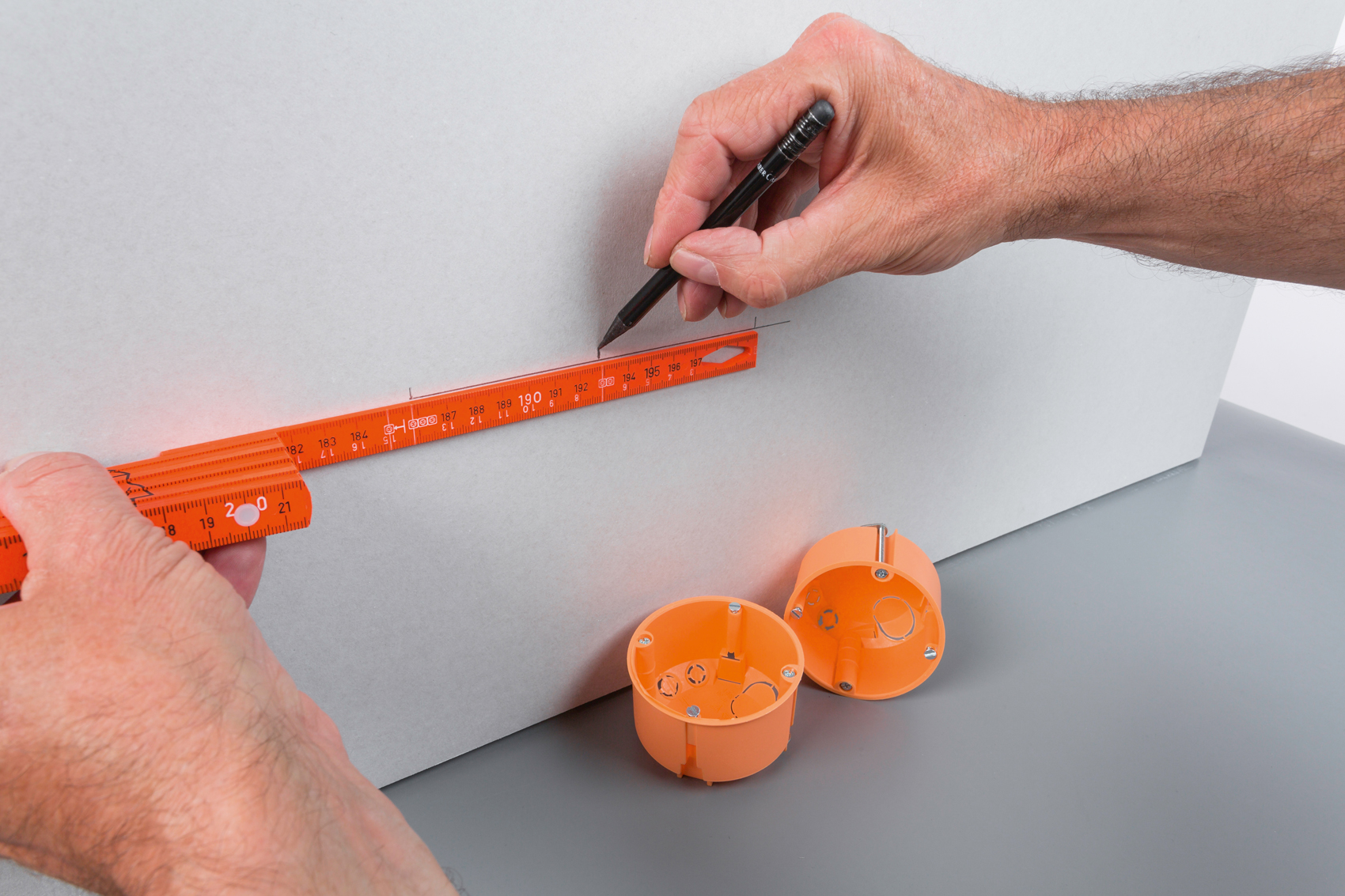
Place the folding ruler flat against the object you want to measure. Make sure the ruler is straight and not bent at the joints. The starting edge of the ruler should line up exactly with one end of the object.
- Open the ruler fully to avoid gaps at the joints.
- Hold the ruler steady to prevent it from moving.
- Check that the ruler lies flat on the surface.
- Align the zero mark with the edge of the object.
Taking Accurate Readings
Look at the ruler directly from above to read the measurement. Avoid looking at an angle, which can cause errors. Use the smallest unit on the ruler for the most precise reading.
| Tip | Why It Helps |
| Read from directly above | Prevents parallax errors |
| Use smallest units | Increases measurement accuracy |
| Hold ruler steady | Stops shifting during reading |
| Double-check readings | Ensures reliable results |
Avoiding Common Errors
Many mistakes happen because of poor handling or bad habits. Keep the ruler clean and avoid folding it sharply. Don’t measure on uneven surfaces, as this can distort the reading.
- Do not force the joints to bend beyond their limit.
- Keep the ruler free from dirt and debris.
- Measure on flat surfaces only.
- Double-check measurements to avoid slip-ups.
Maintaining Your Folding Ruler
Taking care of your folding ruler keeps it accurate and long-lasting. Regular maintenance helps you get the best results every time.
Simple steps like cleaning, checking calibration, and careful handling protect your tool from damage.
Cleaning And Storage Tips
Clean your folding ruler after use to remove dirt and dust. Use a soft cloth and mild soap if needed. Avoid soaking it in water.
Store the ruler folded in a dry place. Keep it away from extreme heat and moisture to stop warping and rust.
- Wipe down with a dry cloth after each use
- Use a gentle cleaner for stubborn dirt
- Keep it folded to protect the joints
- Store in a protective case or toolbox
Regular Calibration Checks
Check your folding ruler’s accuracy often. Measure a known length and compare it to the ruler’s markings.
If the ruler shows incorrect measurements, adjust or replace it. Accurate measurements help avoid mistakes in your projects.
- Measure a standard object like a metal ruler
- Look for worn or faded markings
- Replace the ruler if it bends or breaks
Handling And Transport
Handle your folding ruler gently. Avoid dropping or forcing the joints. This prevents damage and keeps it working smoothly.
When transporting, keep the ruler folded and secure. Use a case or strap to avoid impact and scratches.
- Fold the ruler along its joints carefully
- Do not carry heavy items on top of it
- Use a protective cover for transport
- Check joints regularly for smooth movement
Advanced Tips For Experts
Using a folding ruler well takes practice and skill. Experts can benefit from advanced techniques to improve accuracy and speed. These tips help you use the ruler in tricky spots and combine it with other tools.
This guide covers using the ruler in tight spaces, pairing it with other tools, and customizing it for special tasks. Each section has useful advice to help you get the most from your folding ruler.
Using The Ruler In Tight Spaces
Folding rulers can be hard to use in narrow or cramped areas. To measure accurately, keep the ruler flat and steady. Use the joints to adjust the shape to fit the space better.
- Fold the ruler partially to form an L-shape for corner measurements.
- Use a small magnet or clip to hold the ruler in place if possible.
- Measure step-by-step, noting each segment carefully.
- Mark points lightly with a pencil to avoid mistakes.
Combining With Other Tools
Pairing your folding ruler with other tools can increase efficiency. Use a square or level alongside the ruler to check angles and straightness. A caliper helps measure small gaps where the ruler can’t fit.
| Tool | Purpose | How to Combine |
| Carpenter’s Square | Check right angles | Align with ruler for corner accuracy |
| Spirit Level | Check flatness | Place ruler under level for straight lines |
| Caliper | Measure small distances | Use alongside ruler for detailed gaps |
Customizing For Specific Tasks
Customizing your folding ruler helps with special projects. You can add marks for common measurements or attach a small clip to hold it open. Adjust the joints for smoother folding or tighter locking depending on your needs.
Here are some simple customizations:
- Mark frequent lengths with a permanent marker for quick reference.
- Attach a rubber grip to improve handling and prevent slipping.
- Use a small piece of tape on joints to adjust tension.
- Label sections for different units (inches and centimeters).

Credit: www.madilinemantools.com
Credit: www.msn.com
Frequently Asked Questions
How Do I Fold A Folding Ruler Correctly?
To fold a folding ruler, align each segment carefully and fold at the joints. Avoid forcing it to prevent damage. Fold the ruler flat for easy storage and accurate measurements.
What Are The Best Materials For Folding Rulers?
Folding rulers are commonly made from wood, plastic, or metal. Wood offers durability and a classic look. Plastic is lightweight and flexible. Metal provides precision and longevity, ideal for heavy-duty use.
How Can I Measure Accurately With A Folding Ruler?
Ensure the ruler is fully extended and flat against the object. Read measurements at eye level to avoid parallax errors. Use the joints as reference points for consistent, precise readings.
How Do I Maintain A Folding Ruler For Longevity?
Keep the ruler clean and dry. Avoid bending or dropping it. Periodically check the joints for tightness. Store folded in a protective case to prevent wear and damage.
Conclusion
Using a folding ruler can save time and space. Keep it folded when not in use. Extend it carefully to avoid damage. Measure straight lines for best results. Store it in a dry place to last longer. Practice often to get comfortable handling it.
Small tips make a big difference. A folding ruler is a handy tool anyone can use. Try these steps to measure with ease. Simple habits lead to better accuracy.