Are you frustrated with flickering lights or mysterious power outages in your home? Understanding electrical wiring can often feel like deciphering a complex puzzle.
But what if you had a guide to make sense of it all? Welcome to your ultimate Electrical Wiring Troubleshooting Guide. This isn’t just another manual filled with jargon; it’s your key to unlocking the secrets behind your home’s electrical system.
Get ready to dive into simple, practical solutions that can save you time, money, and a whole lot of headaches. Stay with us, and discover how to tackle those wiring woes with confidence. Your home’s safety and efficiency depend on it, and you’re about to become the hero of your household.
Credit: www.ecmweb.com
Common Wiring Issues
Electrical wiring problems can cause many troubles at home or work. They may lead to power loss or safety hazards.
Knowing common wiring issues helps you spot and fix them quickly. This guide covers the main problems and signs to watch for.
Loose Connections
Loose connections happen when wires are not tightly joined. They can cause flickering lights or intermittent power.
Loose connections create heat that may damage wires or start fires. Check outlets and switches for any play or movement.
Faulty Switches
Faulty switches may fail to turn lights or devices on and off properly. They sometimes make buzzing sounds or feel warm.
Old or damaged switches should be replaced to avoid electrical risks. Test switches if you notice odd behavior or no response.
Damaged Wires
Damaged wires can have cuts, cracks, or exposed metal. They may cause shocks or short circuits if not fixed.
Look for wires with worn insulation or signs of burning. Replace damaged wiring to keep your electrical system safe.
Tripped Breakers
Breakers trip to protect your home from electrical overloads. Frequent trips may signal wiring problems or appliance faults.
Reset breakers carefully and watch for repeated trips. If breakers trip often, check wiring or call a professional electrician.
Tools For Troubleshooting
Electrical wiring problems can be tricky to find and fix. Using the right tools makes the job safer and easier. This guide covers common tools for troubleshooting electrical wiring.
Each tool has a special use. Knowing how to use them helps you check wiring and find faults quickly. Always handle tools carefully and follow safety rules.
Multimeter Use
A multimeter measures voltage, current, and resistance in wires. It helps find breaks and shorts in circuits. Digital multimeters are easy to read and use.
To use a multimeter, set it to the right mode. Touch the probes to the wire or device. Read the display to check the electrical values. This shows if the wiring works well.
Voltage Tester Tips
A voltage tester checks if a wire has power. It is simple and safe to use. It tells you if electricity is flowing without touching wires directly.
Use the tester by placing its tip on the wire or terminal. If it lights up or beeps, the wire is live. Always test the tester on a known live wire first.
- Wear gloves for safety.
- Do not touch metal parts.
- Test the tool before use.
- Use testers rated for your voltage.
Wire Strippers And Pliers
Wire strippers remove insulation from wires without cutting the metal inside. Pliers help bend or hold wires during repairs. Both tools are essential for wiring work.
Use the right size notch on the wire stripper for your wire. This avoids damage. Pliers give you a good grip on wires and connectors when fixing or installing them.
- Choose wire strippers with multiple gauge settings.
- Use needle-nose pliers for tight spaces.
- Keep tools clean and sharp.
Safety Gear Essentials
Safety gear protects you from electric shocks and injuries. Always wear gloves and goggles when working with wiring. Use insulated tools to avoid accidents.
Wear rubber-soled shoes and avoid wet areas. Keep a fire extinguisher nearby in case of sparks. Following safety rules keeps you safe and work smooth.
- Insulated gloves to prevent shocks.
- Safety goggles to protect eyes.
- Rubber-soled shoes for grounding.
- Fire extinguisher for emergencies.
Step-by-step Troubleshooting
Electrical wiring problems can cause many issues in your home or workplace. Fixing these problems needs careful checking. This guide helps you troubleshoot wiring issues step by step.
Follow each section below to find and fix common wiring faults safely and effectively.
Identifying The Problem Area
Start by locating the exact place where the wiring problem happens. This helps focus your checks and repairs. Look for signs like flickering lights or outlets that do not work.
- Check which outlets or switches are affected
- Look for burnt marks or smell of burning
- Notice any unusual sounds like buzzing
- Test if the problem is in one room or many
Checking Power Supply
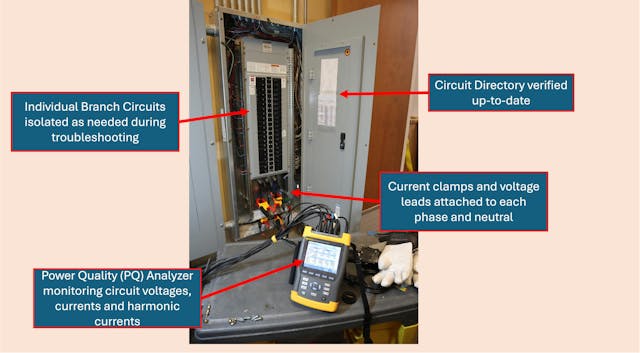
Ensure the power supply to the circuit is working well. A faulty power source can cause many wiring problems. Use a voltage tester to check power at the main panel and affected outlets.
| Check Point | Expected Result |
| Main Circuit Breaker | Switch is ON and no tripping |
| Power Outlet | Voltage reads about 120V or 230V |
| Switches | Power flows when ON, none when OFF |
Testing Circuit Continuity
Check if the wiring circuit is complete and not broken. Use a multimeter set to continuity mode. Test wires and connections by placing probes at each end.
If the meter beeps, the wire is continuous. No beep means a break in the wire or bad connection.
Replacing Faulty Components
Replace any parts that do not work properly. This can include switches, outlets, wires, or breakers. Always turn off power before replacing components.
- Turn off the main power supply
- Remove the faulty component carefully
- Install the new component following wiring codes
- Secure all connections tightly
- Restore power and test if the problem is fixed

Credit: www.energyefficientelectricianatlanta.com
Quick Fixes For Common Problems
Electrical issues can be simple to fix if you know what to check. This guide covers common problems and quick solutions. Follow these tips safely to restore power and function.
Always turn off the main power before starting any repair. Use tools carefully and check for signs of damage or wear.
Resetting Circuit Breakers
Circuit breakers stop the flow of electricity to prevent damage. If a breaker trips, reset it to restore power. Find the breaker in your main panel and switch it off, then back on.
Check if the breaker trips again. If it does, the circuit may be overloaded or have a short. Avoid resetting repeatedly and call a professional if needed.
Tightening Loose Connections
Loose wires cause flickering lights or no power. Turn off the power and remove outlet or switch covers. Use a screwdriver to tighten all wire screws firmly.
- Inspect wires for damage or corrosion
- Tighten all terminal screws securely
- Ensure wires are wrapped clockwise around screws
- Replace damaged wires before reconnecting
Replacing Switches And Outlets
Old or broken switches and outlets need replacement. Turn off power, remove the device, and note wire placement. Connect wires to the new device using the same layout.
| Step | Action |
| 1 | Turn off power at breaker panel |
| 2 | Remove cover plate and device |
| 3 | Note wire colors and positions |
| 4 | Attach wires to new device terminals |
| 5 | Secure device and cover plate |
| 6 | Turn power back on and test |
Fixing Damaged Wire Insulation
Damaged insulation can cause shocks or shorts. Cut the power and inspect wires. Use electrical tape or heat shrink tubing to cover small damage.
For larger damage, replace the wire or call an electrician. Never use wires with exposed copper without proper insulation.
Safety Tips
Electrical wiring can be dangerous without proper care. Safety is very important to avoid accidents and injuries.
Follow simple safety steps to protect yourself while working on electrical wiring.
Power Shutoff Procedures
Always turn off the power before starting any electrical work. This stops electricity from flowing and lowers the risk of shock.
Use the main circuit breaker or fuse box to cut power to the area you will work on.
- Locate your home’s main electrical panel
- Switch off the correct breaker or remove the fuse
- Use a voltage tester to check if the power is off
- Never rely on just the switch; always test
Avoiding Electrical Shock
Electrical shock can cause serious injury or death. Take steps to avoid contact with live wires and parts.
Wear rubber-soled shoes and stand on a dry surface. Do not touch wires with wet hands.
- Use insulated tools designed for electrical work
- Keep your work area dry and clean
- Never touch exposed wires or terminals
- Wear safety gloves when possible
When To Call A Professional
Some electrical problems need expert help. Know when to stop and get a professional electrician.
Do not try to fix wiring if you feel unsure or if the problem is complex. Safety comes first.
- If you see sparks or burning smells
- If breakers keep tripping repeatedly
- If you need to install new circuits or panels
- If wiring is old or damaged
Proper Use Of Tools
Using the right tools helps you work safely and efficiently. Always choose tools made for electrical tasks.
Inspect your tools before use. Broken or worn tools can cause accidents.
- Use insulated screwdrivers and pliers
- Keep wire strippers sharp and clean
- Do not use metal ladders near electrical work
- Store tools safely when not in use

Credit: www.amazon.com
Preventive Maintenance
Preventive maintenance helps keep electrical wiring safe and working well. It stops problems before they start.
Regular care makes wiring last longer and protects your home or business from hazards.
Regular Inspections
Check wiring often to find wear or damage early. Look for frayed wires, loose connections, and signs of heat.
Use a checklist to cover all wiring areas and note any issues you find for quick fixes.
- Look for cracked or damaged insulation
- Test outlets and switches for proper work
- Check circuit breakers for tripping
- Inspect junction boxes for signs of moisture
Upgrading Old Wiring
Old wiring can be unsafe and cause fires. Replace outdated wires with modern, safer types.
Upgrading wiring improves electrical flow and reduces risks of shorts or overloads.
- Replace cloth-covered or knob-and-tube wiring
- Use wires that meet current safety codes
- Hire a professional for complex upgrades
Using Quality Materials
Good materials make wiring safer and last longer. Use wires and parts from trusted brands.
Cheap materials can fail faster and cause hazards like shorts or fires.
- Choose wires with proper insulation and rating
- Buy certified switches, outlets, and breakers
- Avoid mixing old and new wiring materials
Keeping Wiring Organized
Organize wires neatly to avoid tangles and damage. Proper routing helps with troubleshooting later.
Use clips, conduits, or cable ties to secure wires and keep them away from sharp edges or heat.
- Label wires for easy identification
- Separate power and data cables
- Avoid tight bends or kinks in wires
Frequently Asked Questions
How To Identify Common Electrical Wiring Problems?
Common issues include flickering lights, tripped breakers, and outlets not working. Inspect connections, look for damaged wires, and test circuits with a voltage tester for accurate diagnosis.
What Tools Are Essential For Wiring Troubleshooting?
Key tools include a multimeter, voltage tester, wire strippers, and screwdrivers. These tools help safely measure voltage, check continuity, and inspect wiring connections effectively.
When Should I Call A Professional Electrician?
Call a professional if you encounter frequent breaker trips, exposed wires, or complex circuit issues. Safety risks and code compliance require expert handling beyond basic troubleshooting.
How To Safely Test Electrical Outlets At Home?
Turn off the power before testing. Use a voltage tester or multimeter to check for live current. Always follow safety protocols to avoid electric shocks during testing.
Conclusion
Troubleshooting electrical wiring can save time and money. Always check connections and test circuits carefully. Use the right tools for safety and accuracy. Simple steps often fix common wiring problems. When unsure, ask a professional for help. Stay calm and work step-by-step.
Good wiring keeps your home safe and running well. Keep this guide handy for quick reference. Electrical issues don’t have to cause stress. A little knowledge goes a long way.