
Are you tired of rummaging through a messy toolbox, trying to find your cordless drill? Or maybe you’re worried about how to keep it in tip-top shape?
You’re not alone. Storing your cordless drill correctly can save you time, extend its lifespan, and even improve your DIY projects. Imagine reaching for your drill and finding it just where you left it, charged and ready to go. This guide will show you how to store your cordless drill efficiently, ensuring it stays in great condition and is always ready when you need it.
Read on to discover simple yet effective tips that will revolutionize how you store your tools.

Credit: www.amazon.com
Choosing The Right Storage Spot
Finding a good place to store your cordless drill helps it last longer. A proper spot protects it from damage and keeps it ready to use.
Consider the environment where you keep the drill. A safe spot prevents problems like rust and battery loss.
Avoiding Moisture And Dust
Moisture and dust can harm your cordless drill. Moisture causes rust and dust clogs parts. Keep the drill dry and clean to avoid these issues.
- Store the drill in a sealed case or box
- Use silica gel packs to absorb moisture
- Keep it away from windows or damp basements
- Clean the drill before storage to remove dust
- Cover the drill with a soft cloth if no case is available
Maintaining Optimal Temperature
Extreme temperatures can damage the drill’s battery and motor. Keep the drill in a place with stable, moderate temperature.
| Temperature Range | Effect on Drill |
| Below 32°F (0°C) | Battery may freeze and lose charge |
| 32°F to 95°F (0°C to 35°C) | Safe for battery and motor |
| Above 95°F (35°C) | Battery may overheat and shorten lifespan |
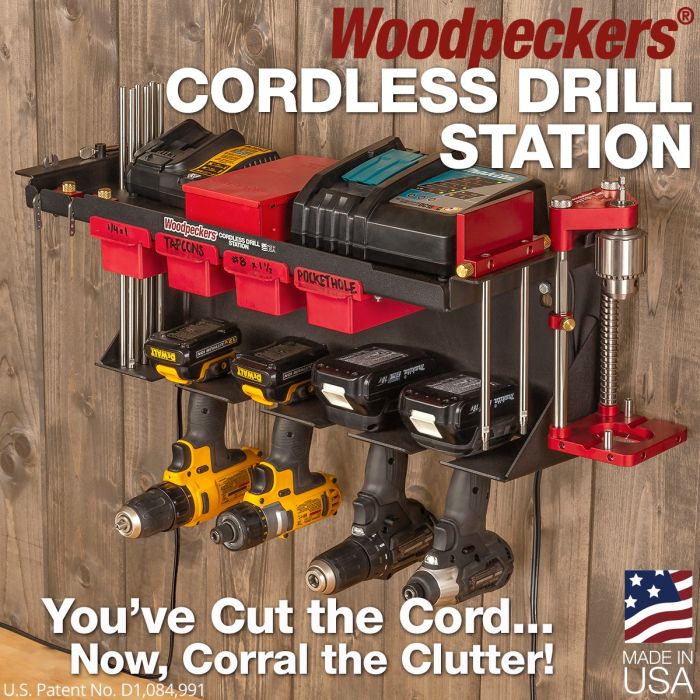
Credit: www.woodpeck.com
Proper Battery Care
Caring for your cordless drill batteries extends their life and keeps them safe. Proper handling helps maintain battery power and prevents damage.
Follow simple steps to charge and store your batteries correctly. This guide shows best practices for charging and storage.
Charging Best Practices
Charge batteries in a cool, dry place to avoid overheating. Always use the charger made for your battery type.
- Do not overcharge; remove batteries once fully charged.
- Charge batteries before the first use and after long storage periods.
- Avoid charging in very hot or cold environments.
- Keep battery contacts clean and dry before charging.
Removing Batteries During Storage
Remove batteries from the drill before storing to prevent slow discharge and damage. Store batteries separately in a safe place.
| Storage Tip | Details |
| Charge Level | Store batteries at about 40% to 60% charge for best longevity |
| Temperature | Keep batteries in a cool, dry area between 50°F and 77°F (10°C to 25°C) |
| Protection | Keep batteries away from metal objects to avoid short circuits |
| Inspection | Check batteries every few months and recharge if needed |
Organizing Drill Components
Keeping your cordless drill components neat helps you work faster. It also protects your tools from damage.
Organizing drill bits and accessories properly saves space and makes them easy to find.
Storing Drill Bits Safely
Store drill bits in a case or holder to keep them sharp and clean. Loose bits can get lost or damaged.
- Use a drill bit organizer with slots for each bit size
- Keep bits dry to prevent rust
- Label the holder for quick size identification
- Separate metal and masonry bits to avoid mixing
- Check bits for wear before storing
Keeping Accessories Together
Group drill accessories like batteries, chargers, and attachments in one place. This prevents loss and clutter.
| Accessory | Storage Tip | Reason |
| Battery | Store in a cool, dry case | Prevents damage and extends life |
| Charger | Wrap cords neatly | Avoids tangles and wear |
| Attachments | Use small containers or pouches | Keeps parts organized and easy to find |
Using Protective Cases
Storing cordless drills properly helps keep them safe and ready to use. Protective cases are a good way to store your drill.
Cases protect the drill from dust, moisture, and damage. They also make it easy to carry and organize your tools.
Benefits Of Hard Cases
Hard cases offer strong protection against drops and impacts. They keep your drill safe in tough environments.
These cases often have molded interiors that hold the drill and accessories securely. This prevents parts from moving around.
- Protects drill from physical damage
- Prevents dust and moisture buildup
- Organizes drill and accessories neatly
- Easy to stack and store
- Durable for long-term use
Soft Pouch Options
Soft pouches are lightweight and flexible. They are easy to carry and store in small spaces.
These pouches protect the drill from scratches and minor bumps. They usually have pockets for small accessories.
- Lightweight and portable
- Protects against scratches
- Good for light storage needs
- Often includes accessory pockets
- Fits in backpacks or tool bags
Regular Maintenance Checks
Regular maintenance keeps your cordless drill in good shape. It helps the drill last longer and work better.
Checking your drill often prevents problems and saves money on repairs. Follow these simple tips to maintain your tool.
Cleaning After Use
Cleaning your cordless drill after use removes dust and dirt. This stops parts from wearing out too fast.
- Remove the battery before cleaning
- Use a dry cloth to wipe the drill’s surface
- Clean the chuck to avoid jammed bits
- Use compressed air to blow out dust
- Keep vents clear to prevent overheating
Inspecting For Damage
Check your cordless drill for damage before and after use. Early fixes stop bigger problems.
| Part | What to Check | What to Do |
|---|---|---|
| Battery | Cracks, leaks, and charge level | Replace if damaged or won’t hold charge |
| Chuck | Wear, tightness, and rust | Clean or replace if it won’t hold bits |
| Trigger | Responsiveness and sticking | Have it repaired if it does not work smoothly |
| Body | Cracks and loose parts | Tighten screws or replace damaged parts |

Credit: www.amazon.com
Long-term Storage Tips
Storing cordless drills correctly helps keep them ready to use. Long-term storage needs special care for both the drill and its battery.
Following simple steps can extend the life of your cordless drill and maintain battery health over time.
Periodic Battery Conditioning
Batteries lose charge when stored for a long time. Periodic conditioning helps keep the battery healthy and working well.
Charge and discharge the battery every few months to keep its capacity strong. This process prevents battery damage from deep discharge.
- Charge the battery to full before storing
- Every 2 to 3 months, run the battery down to about 20%
- Recharge the battery fully after use
- Store the battery in a cool, dry place
Avoiding Prolonged Inactivity
Leaving cordless drills unused for a long time can harm the battery and the tool. Use the drill occasionally to keep it working well.
Regular use prevents parts from seizing and keeps the battery active. If you cannot use it, at least check and charge the battery regularly.
- Use the drill at least once every few months
- Check battery charge status regularly
- Keep the drill and battery clean and dry
- Store in a place without extreme temperatures
Frequently Asked Questions
How Should I Store Cordless Drills Safely?
Store cordless drills in a dry, cool place to avoid moisture damage. Use a sturdy case or toolbox to protect them from dust and impacts. Remove batteries when not in use to prevent corrosion and prolong battery life.
Can I Store Cordless Drills With Batteries Installed?
It is best to remove batteries before storage. Storing drills with batteries installed can cause battery drain and potential damage. Keep batteries charged around 40-60% for long-term storage to maintain battery health.
What Is The Ideal Temperature For Storing Cordless Drills?
Store cordless drills between 50°F and 77°F (10°C to 25°C). Extreme temperatures can damage batteries and internal components. Avoid direct sunlight or freezing conditions to ensure optimal drill performance and lifespan.
How Often Should I Check Cordless Drills In Storage?
Check stored cordless drills every 3 to 6 months. Inspect batteries for leakage or corrosion and charge them if necessary. Regular checks help maintain drill readiness and avoid unexpected failures.
Conclusion
Storing cordless drills properly keeps them safe and ready to use. Clean the drill and battery before storage to avoid damage. Keep them in a dry, cool place away from dust. Use cases or hooks to organize your tools neatly.
Regular checks help spot any issues early on. Simple steps like these extend your drill’s life. Take care of your tools, and they will serve you well. Easy storage means less hassle and more work done.