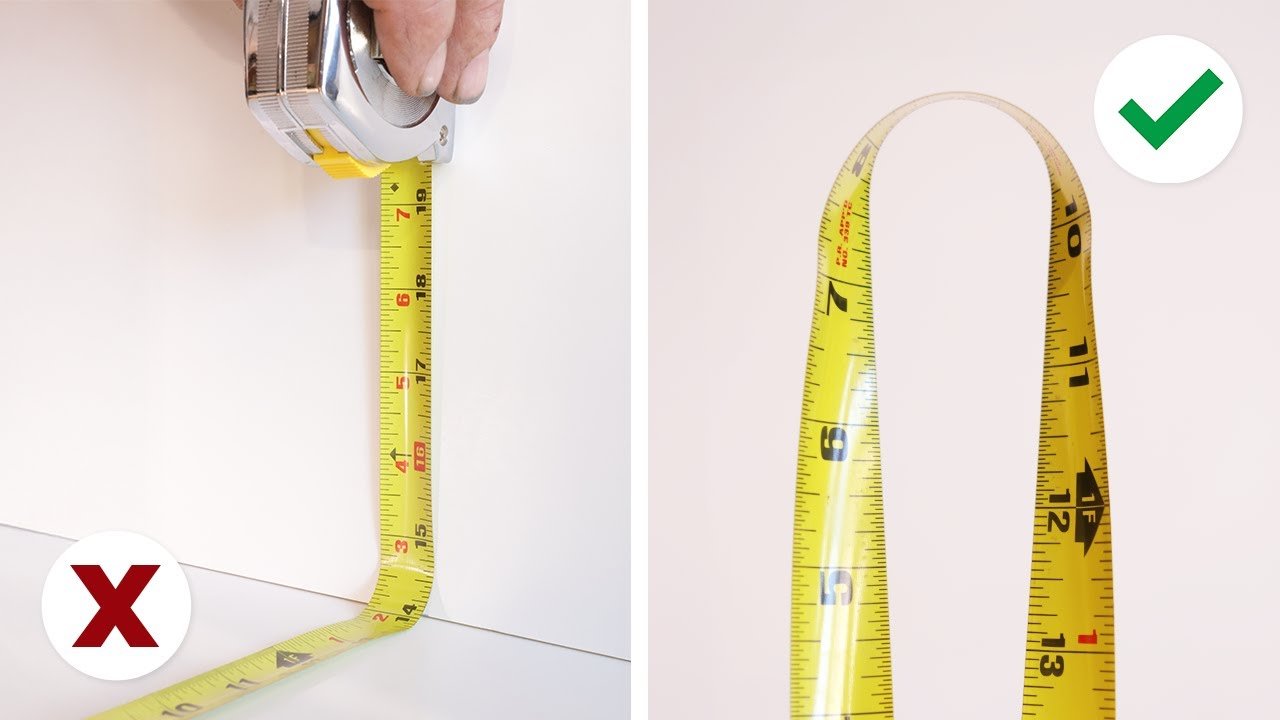
Have you ever reached for your tape measure or level, only to find it tangled in a drawer or misplaced entirely? If so, you’re not alone.
Proper storage of these essential tools is often overlooked, yet it’s crucial for maintaining their accuracy and longevity. In this guide, you’ll discover simple, effective ways to store your tape measures and levels, saving you time and frustration. Imagine opening a drawer and instantly finding the right tool, perfectly calibrated and ready for action.
By the end of this article, you’ll know exactly how to achieve this level of organization, ensuring your tools are always in top-notch condition. Ready to transform your tool storage and boost your efficiency? Let’s dive in.

Credit: tikweld.com
Choosing Storage Spots
Keeping tape measures and levels in the right spots helps them last longer. It also makes your work easier and faster.
Choosing where to store these tools needs some thought. This guide explains how to pick the best spots.
Assessing Your Workspace
Look around your workspace to find good storage places. Check walls, shelves, and drawers. Make sure the spots are safe and clean.
- Find areas with enough room for your tools
- Choose places away from heavy traffic
- Use wall hooks or magnetic strips for easy hanging
- Consider dedicated bins or containers for small tools
Considering Accessibility
Store tape measures and levels where you can reach them quickly. This saves time and stops frustration on busy workdays.
| Storage Type | Accessibility Level | Best For |
| Wall-mounted racks | High | Daily use tools |
| Drawer organizers | Medium | Occasional use |
| Storage bins | Low | Backup tools |
Avoiding Moisture And Heat
Keep tools away from damp or hot areas. Moisture can cause rust. Heat can warp tape measures and damage levels.
Tips to protect your tools:
- Store tools in dry rooms with good airflow
- Avoid placing near heaters or windows with direct sunlight
- Use silica gel packs or moisture absorbers in storage boxes
- Check tools regularly for signs of rust or damage

Credit: medium.com
Tape Measure Storage Ideas
Keeping your tape measures and levels organized helps you find them fast. Good storage protects them from damage and keeps your workspace tidy.
There are many simple ways to store these tools. Choose the one that fits your space and tool collection.
Wall-mounted Holders
Wall-mounted holders keep tape measures and levels visible and easy to reach. They save drawer space and reduce clutter on workbenches.
- Use hooks or pegs to hang tape measures by their belt clips.
- Install shelves or racks designed for levels to hold them flat.
- Label each spot for quick identification.
Toolbox Compartments
Toolboxes with compartments keep tape measures and levels organized during transport. Separate sections prevent tools from banging into each other.
| Compartment Type | Best For |
| Small divided sections | Tape measures and small levels |
| Long, narrow compartments | Long spirit levels |
| Removable trays | Easy access and cleaning |
Magnetic Strips
Magnetic strips offer a neat way to store metal tape measures and levels. They hold tools securely and keep them off surfaces.
- Mount magnetic strips on walls or inside cabinets.
- Place tape measures with metal parts against the strip.
- Ensure the strip is strong enough to hold heavier levels.
Organizing Levels Efficiently
Keeping your levels organized saves time and protects them from damage. A good system helps you find the right tool quickly.
Choose storage options that fit your workspace and tool size. This guide covers racks, hanging, and carrying cases.
Custom Racks And Shelves
Custom racks and shelves provide a dedicated spot for each level. Build or buy racks that hold levels horizontally or vertically.
- Use sturdy wood or metal for durability
- Add slots or dividers to separate each level
- Label each section for easy identification
- Keep racks at eye level for quick access
Hanging Solutions
Hanging levels frees up shelf space and keeps them visible. Hooks and pegboards work well in workshops and garages.
| Hanging Method | Benefits | Best For |
| Wall Hooks | Easy to install and adjust | Small to medium levels |
| Pegboard | Flexible layout with many hooks | Multiple tools including levels |
| Magnetic Strips | Keeps metal levels secure | Metal frame levels |
Portable Carrying Cases
Carrying cases protect levels during transport. They also keep tools organized on job sites.
- Choose padded cases to prevent damage
- Look for cases with compartments for multiple levels
- Use cases with handles or straps for easy carrying
Labeling And Categorizing
Keeping your tape measures and levels organized saves time and effort. Proper labeling and categorizing help you find tools quickly. It also protects your tools from damage.
This guide covers easy ways to label and categorize your measuring tools. Use color codes, clear containers, and inventory lists for neat storage.
Color Coding Methods
Color coding is a simple way to group tape measures and levels. Assign colors based on size, type, or frequency of use. This helps you spot the right tool fast.
- Use colored tape or stickers on each tool
- Match colors to categories, like red for long tapes
- Keep a color guide posted near your tools
- Replace faded colors regularly for clarity
Using Clear Containers
Clear containers make it easy to see your tools without opening them. This reduces handling and keeps tools protected. Label each container with its contents for quick access.
| Container Type | Best For | Labeling Tip |
| Plastic bins | Multiple tape measures | Use a label maker for neat text |
| Stackable boxes | Levels of different sizes | Place labels on front side |
| Drawer organizers | Small measuring tools | Color code each section |
Creating Inventory Lists
Inventory lists track all your tape measures and levels. Update the list when you add or remove tools. This helps avoid losing tools and keeps your storage organized.
- Write down each tool’s name and size
- Note the color code or container location
- Check the list before buying new tools
- Review the list monthly to keep it current
Maintenance Tips
Proper care helps keep tape measures and levels working well. Regular maintenance stops damage and extends their life.
Clean and inspect your tools often. This keeps them accurate and safe to use.
Cleaning Tape Measures And Levels
Wipe tape measures and levels after each use. Remove dirt and dust to prevent buildup.
Use a soft cloth with mild soap and water. Avoid harsh chemicals that can damage surfaces.
- Pull out the tape fully to clean it gently
- Dry tools completely before storing
- Clean bubble vials on levels to keep them clear
Preventing Rust And Damage
Keep tape measures and levels dry to stop rust. Store them in a dry place after use.
Use protective cases or holders. Avoid dropping or bending the tape.
- Apply light oil on metal parts to prevent rust
- Do not force the tape back inside quickly
- Keep levels away from heavy items that can cause dents
Regular Inspection Routines
Check tape measures and levels often for signs of wear. Look for cracks, bends, or loose parts.
Test the accuracy of levels by placing them on flat surfaces. Confirm tape measures retract smoothly.
- Replace damaged parts or tools immediately
- Ensure locking mechanisms on tape measures work well
- Store tools only when fully dry and clean
Maximizing Small Spaces
Small spaces need smart storage ideas. Tape measures and levels are tools you use often. Keeping them tidy saves time and space.
This guide shares easy ways to store these tools without clutter. Use vertical spots, multi-use units, and hidden areas well.
Vertical Storage Tricks
Use the height of your walls for storage. Hang tape measures and levels on hooks or pegboards. This frees up drawer and shelf space.
- Install pegboards in your workspace
- Use magnetic strips for metal tape measures
- Hang levels with sturdy hooks
- Label each tool’s spot for quick access
Multi-purpose Storage Units
Choose storage that holds different tools at once. This reduces the number of containers you need. It also keeps tools close.
| Storage Type | Benefits |
| Stackable Bins | Save floor space and organize by size |
| Tool Caddies | Carry several tools together easily |
| Drawer Dividers | Separate tape measures and levels neatly |
Utilizing Hidden Areas
Look for unused spots to hide your tools. These areas keep your workspace tidy and tools safe.
Hidden Storage Ideas:
- Under shelves or cabinets
- Behind doors with mounted racks
- Inside furniture with built-in compartments
- In narrow spaces between walls and furniture
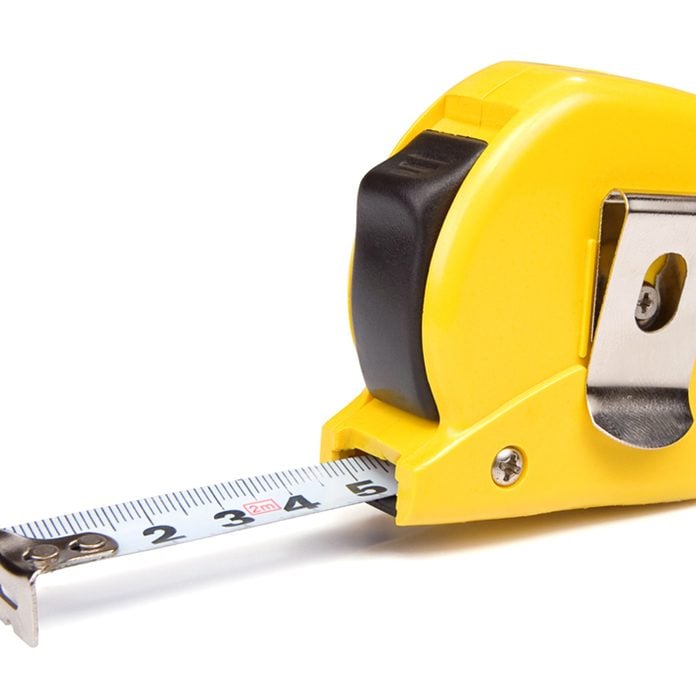
Credit: www.familyhandyman.com
Frequently Asked Questions
How Should I Store Tape Measures To Prevent Damage?
Store tape measures in a dry, cool place away from direct sunlight. Use a dedicated pouch or toolbox to avoid dust and moisture. Keep them retracted fully to protect the blade from bending or rusting, ensuring longer tool life and accuracy.
What Is The Best Way To Store Levels Safely?
Hang levels on wall hooks or place them in padded cases. Avoid stacking heavy items on top to prevent warping. Store them horizontally or vertically in a secure spot to maintain their accuracy and extend their usability.
Can Temperature Affect Tape Measures And Levels?
Yes, extreme heat or cold can warp levels and cause tape measures to expand or contract. Store tools in a temperature-controlled environment to maintain precision. Avoid leaving them in vehicles or exposed to harsh weather conditions.
How Often Should I Clean Tape Measures And Levels?
Clean tape measures and levels after every use with a dry cloth. Remove dirt, dust, and moisture to prevent rust and damage. Regular cleaning ensures accurate measurements and prolongs tool lifespan.
Conclusion
Storing tape measures and levels properly keeps them safe and ready. Avoid damage by using hooks, cases, or dedicated drawers. Keep tools clean and dry to prevent rust and wear. Organizing your tools saves time and effort during projects. Small steps in storage lead to longer tool life.
Take care of your tools, and they will serve well. Simple habits make a big difference in tool maintenance. Remember, good storage means easy access and better work results.
