Have you ever struggled to measure the thickness of an object accurately? Whether you’re a DIY enthusiast, a student, or a professional, knowing how to measure thickness with a micrometer can save you time and headaches.
Imagine having the power to get precise measurements every single time, without the guesswork. Intrigued? This guide will unravel the simple steps to master this essential skill, ensuring your projects are spot-on and frustration-free. Dive in to discover how you can elevate your measuring game and achieve results that impress every time.

Credit: industrialphysics.com
Micrometer Basics
A micrometer is a tool used to measure thickness or diameter very precisely. It is common in mechanical work and quality control. Learning how to use it well helps get exact measurements.
This guide covers the main types of micrometers, their parts, and how they work. Understanding these basics makes measuring easier and more accurate.
Types Of Micrometers
Micrometers come in different types. Each type fits a specific measuring need. Choosing the right micrometer is important for good results.
- Outside Micrometers: Measure outer dimensions like thickness or diameter.
- Inside Micrometers: Measure inner dimensions such as hole diameters.
- Depth Micrometers: Measure the depth of holes or slots.
- Specialty Micrometers: Designed for specific uses like thread or blade thickness.
Micrometer Parts
Micrometers have several parts that work together to give precise readings. Knowing each part helps use the tool correctly.
| Part | Function |
| Frame | Holds the tool’s shape and supports parts |
| Anvil | Fixed measuring surface where the object is placed |
| Spindle | Moves toward anvil to touch the object |
| Thimble | Rotates the spindle and has the scale for reading |
| Ratchet Stop | Ensures even pressure for accurate measurement |
| Lock Nut | Locks spindle in place to hold measurement |
How Micrometers Work
The micrometer measures by moving the spindle to touch the object. The thimble turns to close the gap between the spindle and anvil. The measurement shows on the scale.
- Place the object between the anvil and spindle.
- Turn the thimble until the spindle touches the object gently.
- Use the ratchet stop for even pressure.
- Read the number on the sleeve and the thimble scale for the measurement.
- Lock the spindle if you need to keep the reading.
Preparing The Micrometer
Before measuring thickness, prepare the micrometer carefully. Proper preparation helps get accurate results.
Checking the tool and setting it right is important. This avoids errors during measurement.
Cleaning The Tool
Clean the micrometer before use. Dirt or dust can cause wrong readings.
Use a soft cloth to wipe the spindle and anvil. Avoid using water or harsh chemicals.
- Remove dust from the measuring faces
- Keep the frame clean
- Check for any visible damage or rust
Calibrating For Accuracy
Calibration ensures the micrometer gives correct readings. Check it against a standard gauge.
If the reading is off, adjust the tool according to the instructions. This keeps measurements precise.
- Use a calibration standard or gauge block
- Compare the micrometer reading to the known size
- Adjust the sleeve or thimble if needed
Setting The Zero Point
Set the zero point before measuring. This means closing the micrometer gently until the faces touch.
Check that the zero mark lines up exactly. If not, reset the zero to avoid errors.
- Close the spindle slowly until it touches the anvil
- Look at the reading on the scale
- Adjust the sleeve to align the zero mark if needed
Measuring Thickness Step-by-step
Measuring thickness with a micrometer requires careful handling. This tool gives precise results when used correctly.
Follow each part of the process to get an accurate measurement of your object’s thickness.
Positioning The Object
Place the object between the spindle and the anvil of the micrometer. Make sure it is clean and dry to avoid errors.
- Hold the micrometer steady in one hand.
- Open the spindle by turning the thimble.
- Place the object carefully between the spindle and anvil.
- Ensure the object sits flat and straight for correct reading.
Using The Ratchet Stop
Turn the ratchet stop to close the spindle on the object gently. This avoids applying too much pressure.
| Action | Purpose |
| Turn ratchet stop | Apply consistent pressure |
| Feel slight clicks | Signal correct tightness |
| Stop turning | Prevent damaging object or tool |
Reading The Scale
Look at the sleeve scale and thimble scale to read the measurement. Combine both readings for the total thickness.
- Read the number on the sleeve scale.
- Note the number on the thimble scale that lines up with the sleeve.
- Add both numbers to get the final thickness.
Common Mistakes To Avoid
Using a micrometer to measure thickness can give very exact results. But small mistakes can cause wrong readings. Avoiding these errors helps you get the right measurement every time.
Here are some common mistakes people make when measuring thickness with a micrometer. Learning to avoid these will improve your accuracy.
Over-tightening The Spindle
Turning the spindle too hard can damage the micrometer and the object you measure. It also changes the reading by squeezing the material.
Use the ratchet stop or friction thimble to apply steady pressure. This stops you from tightening too much and keeps your readings correct.
- Do not force the spindle to close quickly
- Let the ratchet stop click naturally
- Hold the micrometer steady while measuring
Ignoring Calibration
A micrometer must be calibrated before use. Skipping calibration causes errors in measurements. Calibration makes sure the tool reads zero when fully closed.
Check calibration with a standard gauge block or the micrometer’s zero setting. Regular calibration keeps your tool accurate over time.
- Calibrate before every measuring session
- Use a clean, flat surface for calibration
- Adjust the micrometer if it does not read zero
Misreading The Scale
Micrometer scales can be hard to read. Mistaking the marks or numbers leads to wrong thickness values. Take your time to read the scale carefully.
Learn how to read the sleeve and thimble scales correctly. Use good lighting and avoid distractions while measuring.
- Read the main scale on the sleeve first
- Add the thimble scale reading to the sleeve value
- Practice reading the scale until you feel confident
Tips For Accurate Measurements
Using a micrometer correctly helps get precise thickness measurements. Small errors can change results a lot.
Follow these tips to improve your micrometer reading skills and get reliable data every time.
Consistent Pressure Application
Apply the same pressure each time you measure. Too much force can squeeze the object and give wrong readings.
Use the ratchet stop or friction thimble on the micrometer to keep pressure steady. This helps avoid too tight or loose grips.
- Hold the frame steady without shaking
- Turn the ratchet until it clicks softly
- Never force the spindle to close faster
Taking Multiple Readings
Measure the same point several times to check consistency. This reduces mistakes from one-time errors.
Take readings at different spots on the object to find average thickness. Some materials may vary in thickness.
- Record at least three measurements per spot
- Calculate the average for better accuracy
- Note any unusual readings for review
Maintaining The Micrometer
Keep your micrometer clean and well-oiled. Dirt or rust can cause wrong readings and damage the tool.
Store the micrometer in a case when not in use. Check calibration regularly to keep measurements correct.
- Wipe spindle and anvil with a clean cloth
- Apply light oil to moving parts
- Calibrate with a standard gauge block
- Store in a dry, dust-free place

Credit: industrialphysics.com
Advanced Measurement Techniques
Measuring thickness with a micrometer needs skill and accuracy. Advanced techniques help you get precise results in different situations.
This guide covers measuring inside diameter, using digital micrometers, and handling irregular surfaces. Each method improves your measurement quality.
Measuring Inside Diameter
Use an inside micrometer or special attachments to measure inside diameters. Align the tool carefully inside the hole or cylinder.
- Insert the micrometer inside the object gently.
- Expand the spindle until it touches the inner walls.
- Rotate the thimble to get a snug fit without forcing.
- Read the scale or digital display for the inside diameter.
Using Digital Micrometers
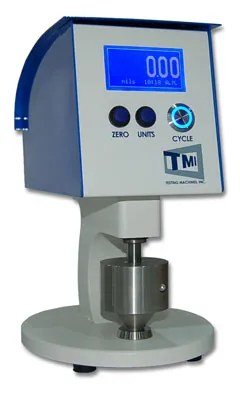
Digital micrometers simplify readings by showing numbers on a screen. They reduce human error and speed up measurements.
| Feature | Benefit |
|---|---|
| Digital Display | Easy-to-read measurements |
| Zeroing Function | Quick calibration for accuracy |
| Data Output | Connect to computers for logging |
| Inch/Metric Switch | Versatile unit options |
Handling Irregular Surfaces
Measuring uneven or rough surfaces needs care. Use techniques that stabilize the micrometer and avoid errors.
Tips for Irregular Surfaces:
- Use a flat anvil or custom tips to match the surface.
- Take several measurements at different points.
- Average the results for better accuracy.
- Apply consistent pressure to avoid distortion.

Credit: www.regionaltech.com.sg
Frequently Asked Questions
What Is A Micrometer Used For In Measuring Thickness?
A micrometer measures thickness with high precision. It is ideal for small objects or materials needing accurate thickness readings. Its design allows consistent and reliable measurements in mechanical and manufacturing settings.
How Do You Read A Micrometer Scale Correctly?
To read a micrometer, note the sleeve and thimble scales. Combine the main scale reading with the thimble’s value for total thickness. Practice ensures speed and accuracy in interpreting these measurements.
What Are Common Mistakes When Using A Micrometer?
Common errors include over-tightening, misreading scales, and improper object placement. These mistakes cause inaccurate measurements. Handling the micrometer gently and aligning the object correctly improves precision.
Can A Micrometer Measure Irregularly Shaped Objects?
Micrometers work best on flat, uniform surfaces. For irregular shapes, specialized micrometers or alternative tools may be necessary. Ensure proper contact points for reliable thickness measurement.
Conclusion
Measuring thickness with a micrometer is simple with practice. Always hold the tool carefully for accurate results. Turn the thimble gently to avoid errors. Read the scale slowly and double-check your measurement. Using a micrometer helps ensure precise thickness in many projects.
Keep your micrometer clean and store it properly after use. Regular use builds confidence and skill over time. Small steps lead to great accuracy. Now, you can measure thickness like a pro.