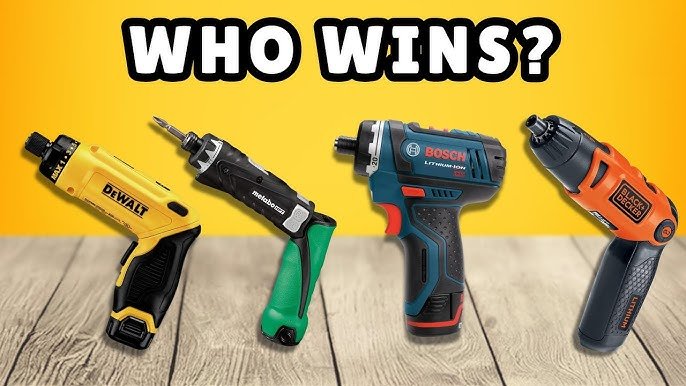
Are you ready to tackle some home DIY projects but feeling a bit intimidated by all the tools? Don’t worry—you’re not alone.
One of the handiest tools you can have in your DIY arsenal is a power screwdriver. It’s like a magical wand that makes assembling furniture, fixing cabinets, and hanging shelves a breeze. Imagine effortlessly driving screws into wood or metal, saving time and energy while achieving professional-looking results.
Sounds great, right? In this guide, we’ll show you exactly how to use a power screwdriver safely and effectively, so you can take your DIY skills to the next level. Stick around, and you’ll soon be a pro at using this powerful tool!
Choosing The Right Power Screwdriver
Using a power screwdriver makes home DIY projects easier. Picking the right tool helps you work faster and safer.
There are many types and features to think about before buying a power screwdriver. This guide helps you choose the best one.
Types Of Power Screwdrivers
Power screwdrivers come in different types for various jobs. Some are small and light, while others offer more power.
- Standard Power Screwdrivers:Good for light tasks like assembling furniture.
- Cordless Screwdrivers:Portable and easy to use without a power outlet.
- Impact Drivers:Provide extra torque for tough screws and dense materials.
- Right-Angle Screwdrivers:Help reach tight spaces and corners.
Key Features To Consider
Look at important features before choosing a power screwdriver. These features affect performance and comfort.
- Torque:Higher torque helps with tougher screws and materials.
- Speed Settings:Multiple speeds give better control for different tasks.
- Ergonomics:A comfortable grip reduces hand fatigue during long use.
- Bit Compatibility:Check if it fits standard screwdriver bits.
- Weight:Lighter tools are easier to handle and carry around.
Battery Vs Corded Models
Power screwdrivers can be battery-powered or corded. Each type has pros and cons for home use.
- Battery Models:Offer freedom to move and work anywhere without a cord.
- Battery Models:May need recharging and could be heavier due to batteries.
- Corded Models:Provide continuous power without worrying about battery life.
- Corded Models:Limited by cord length and require access to power outlets.
/product/84/6685814/1.jpg?6012)
Credit: www.jumia.com.ng
Essential Accessories And Bits
Using a power screwdriver makes home DIY projects faster and easier. To get the best results, you need the right accessories and bits. These tools help you work on different screws and materials.
This guide covers common screwdriver bits, how to store them, and when magnetic bits come in handy.
Common Screwdriver Bits
Screwdriver bits come in many shapes and sizes. Each type fits a specific screw head. Using the right bit prevents damage and improves efficiency.
- Phillips:Cross-shaped, common for wood and metal screws.
- Flathead:Straight, used for simple screws and prying tasks.
- Torx:Star-shaped, often found in electronics and vehicles.
- Hex:Six-sided, used for furniture assembly and bikes.
- Square (Robertson):Square-shaped, offers good grip and torque.
Bit Storage And Organization
Keeping your bits organized saves time and protects them from damage. A proper storage system also helps you find the right bit quickly.
| Storage Method | Benefits |
| Bit Holder Case | Keeps bits in one place and easy to carry |
| Magnetic Strip | Holds bits on a wall or workbench for quick access |
| Toolbox Organizer | Separates bits by type and size |
| Custom Foam Inserts | Protects bits and prevents loss |
When To Use Magnetic Bits
Magnetic bits hold screws firmly on the bit. This feature helps when working in tight spaces or overhead. It keeps screws from falling or dropping.
- Use magnetic bits for small screws to avoid losing them.
- Choose magnetic bits when you work alone without a helper.
- Magnetic bits speed up screwing by holding screws steady.
- Avoid magnetic bits near sensitive electronics as magnetism may cause issues.
Preparing For Your Diy Project
Using a power screwdriver makes many home projects easier. Before starting, prepare well to work safely and efficiently.
This guide covers important steps to get ready, including safety, workspace setup, and choosing the right screws.
Safety Tips And Gear
Safety is key when using power tools. Protect yourself with the right gear and follow simple rules.
- Wear safety glasses to protect your eyes from dust and debris.
- Use gloves to keep your hands safe from sharp edges and splinters.
- Wear ear protection if the noise level is high.
- Keep long hair tied back and avoid loose clothing.
- Check your power screwdriver for damage before use.
Setting Up Your Workspace
Organize your workspace to work comfortably and avoid accidents. A clean and clear area helps your project go smoothly.
Here is a simple setup checklist for your workspace:
- Choose a flat, stable surface to work on.
- Ensure good lighting to see your work clearly.
- Keep all tools and screws within easy reach.
- Clear away clutter that could cause trips or falls.
- Have a trash bin nearby for waste materials.
Selecting Screws For Different Materials
Choosing the right screws helps your project last longer. Different materials need different screws for a strong hold.
| Material | Screw Type | Tip |
| Wood | Wood screws | Use screws with coarse threads for better grip. |
| Drywall | Drywall screws | Choose screws with sharp points to pierce drywall easily. |
| Metal | Self-tapping metal screws | Use screws designed to cut through metal surfaces. |
| Masonry | Masonry screws or anchors | Pre-drill holes and use anchors for a secure fit. |

Credit: www.amazon.sg
Basic Operation Techniques
Using a power screwdriver is easy once you know the basics. It helps you drive screws faster and with less effort.
This guide shows simple ways to hold, adjust, and use your power screwdriver well for home DIY projects.
Holding And Positioning The Screwdriver
Hold the power screwdriver firmly with your dominant hand. Keep your wrist straight to avoid strain.
Position the tip of the screwdriver bit directly on the screw head. Make sure it fits well to prevent slipping.
- Use your other hand to steady the material if needed
- Keep the screwdriver perpendicular to the screw
- Apply gentle pressure toward the screw
Adjusting Torque Settings
Torque controls how much force the screwdriver uses. Set it right for different screw sizes and materials.
Lower torque prevents damage on soft materials. Higher torque helps drive screws into harder surfaces.
- Start with a low torque setting
- Increase torque if the screw does not go in easily
- Reduce torque to avoid stripping screws
Driving Screws Efficiently
Press the trigger gently to start the screwdriver. Keep steady pressure as the screw goes in.
Let the tool do the work and avoid forcing it. Stop when the screw is flush with the surface.
- Align the bit with the screw head before starting
- Drive screws at a steady speed
- Stop as soon as the screw is tight
Tips For Specific Home Projects
Using a power screwdriver saves time on many home tasks. It makes screwing faster and easier.
Here are tips for three common projects. Follow them to work safely and get good results.
Assembling Furniture
Power screwdrivers help put furniture parts together quickly. Use the right bit size to avoid stripping screws.
- Match the screwdriver bit to the screw head.
- Keep the tool steady and straight to the surface.
- Use low speed first to start the screw.
- Increase speed gently to drive screws fully.
- Do not force screws if they resist; check alignment.
Installing Shelves
For shelves, secure brackets well. Choose the right screws for your wall type to hold weight safely.
| Wall Type | Recommended Screw Type | Tip |
| Drywall | Drywall anchors with screws | Use anchors to prevent pull-out |
| Wood | Wood screws | Pre-drill holes to avoid splitting |
| Concrete or Brick | Masonry screws with plugs | Use hammer drill for holes |
Fixing Loose Fixtures
Loose fixtures like door handles or cabinet knobs can be tightened fast. Use the power screwdriver carefully to avoid damage.
Follow these tips:
- Choose the correct bit for small screws.
- Set torque low to prevent over-tightening.
- Hold the fixture steady while tightening.
- Check screws regularly to keep fixtures secure.
Maintenance And Troubleshooting
Taking care of your power screwdriver helps it last longer. Regular maintenance keeps it working well. Troubleshooting solves common problems fast.
Use simple steps to clean, charge, and fix your tool. This guide will help you keep your power screwdriver ready for any job.
Cleaning Your Power Screwdriver
Clean your power screwdriver after each use. Dirt and dust can cause it to work poorly. Use a soft cloth to wipe the outside.
Remove bits and clean the chuck area carefully. Avoid using water or harsh chemicals on the tool.
- Unplug or remove the battery before cleaning
- Use a dry brush to remove dust from vents
- Wipe metal parts with a dry cloth
- Store in a dry place after cleaning
Battery Care And Charging
Keep the battery charged but do not overcharge it. Overcharging can reduce battery life. Charge in a cool, dry place.
Remove the battery if you will not use the screwdriver for a long time. Check battery contacts and clean them if dirty.
- Use the charger made for your battery type
- Charge fully before first use
- Do not let the battery drain completely
- Store batteries at room temperature
Common Issues And Fixes
If your screwdriver won’t start, check the battery and switch. Loose bits can cause the tool to stop working.
Overheating happens if you use it too long. Let it cool down before using again. Strange noises mean parts may need tightening.
- Tool does not turn on: Charge or replace the battery
- Bit slips: Tighten the chuck or change the bit
- Tool stops working: Let it cool, then try again
- Unusual noise: Check for loose parts and tighten

Credit: www.amazon.co.uk
Frequently Asked Questions
What Safety Tips Should I Follow When Using A Power Screwdriver?
Always wear safety goggles and keep your hands clear of the bit. Use the correct bit size to avoid slipping. Work in a well-lit area and secure your materials properly. Avoid loose clothing or jewelry that might get caught during operation.
How Do I Choose The Right Bit For My Power Screwdriver?
Select a bit that matches the screw head type and size exactly. Using the correct bit prevents damage to screws and ensures efficient driving. Consider bit material and durability for tougher projects. Keep bits organized and replace worn ones promptly.
Can A Power Screwdriver Be Used For Drilling Holes?
Power screwdrivers are primarily designed for driving screws, not drilling. They can handle light drilling with specific drill bits, but efficiency is limited. For regular drilling tasks, use a dedicated drill to ensure precision and avoid tool damage.
How Do I Maintain My Power Screwdriver For Longevity?
Regularly clean the tool to remove dust and debris. Check and tighten any loose parts. Charge batteries fully before use and store the screwdriver in a dry place. Lubricate moving parts occasionally to keep the tool running smoothly.
Conclusion
Using a power screwdriver makes home DIY tasks easier and faster. Always hold the tool firmly for better control. Choose the right bit for each screw to avoid damage. Keep your workspace clean to stay safe and organized. Practice using the screwdriver on simple projects first.
Soon, you will feel more confident handling different tasks. Remember, safety comes first during every DIY job. A power screwdriver is a helpful tool for many home repairs. Try it yourself and see the difference it makes.