
If you’ve ever stared at a piece of hardwood and imagined the beautiful projects you could create, you’re in the right place. Operating a table saw for hardwood cutting might seem daunting at first, but with a little guidance, you can master it with ease.
You want to ensure every cut is precise and safe, right? Whether you’re crafting a custom table or building a set of shelves, understanding how to use a table saw effectively is key to bringing your woodworking dreams to life.
In this guide, you’ll discover simple steps and expert tips that will boost your confidence and enhance your skills. Stick around, because by the end, you’ll be ready to tackle any hardwood project with precision and safety.
Choosing The Right Table Saw
Choosing the right table saw is important for cutting hardwood safely and accurately. The right saw makes your work easier and gives better results.
Different saws work better for different types of hardwood projects. You should know the features and types before buying.
Types Of Table Saws
There are several types of table saws. Each type fits different needs and spaces.
- Benchtop saws are small and portable. They work for light jobs.
- Contractor saws are larger and more powerful. They suit home workshops.
- Cabinet saws are heavy and have enclosed motors. They are best for long work.
- Hybrid saws combine features of contractor and cabinet saws. They balance price and power.
Features For Hardwood Cutting
Hardwood is tough to cut. Your saw needs strong features to handle it well.
- Look for a powerful motor with at least 1.5 to 2 horsepower.
- A stable and flat table surface helps keep cuts straight.
- Adjustable fences and miter gauges improve accuracy.
- Good dust collection keeps your workspace clean and safe.
- Safety features like blade guards and riving knives protect you.
Blade Selection
The blade affects the quality of your hardwood cuts. Choose blades made for hardwood.
- Use blades with 40 to 80 teeth for smooth cuts.
- Carbide-tipped blades last longer and cut better.
- Thin kerf blades remove less wood and require less power.
- Blade diameter usually matches your saw, often 10 inches.
- Check the blade’s hook angle; a positive angle helps feed hardwood.

Credit: www.youtube.com
Preparing For Safe Operation
Using a table saw to cut hardwood needs care and focus. Safety is important to avoid accidents and injuries.
Before starting, prepare your tools and workspace well. This helps you work better and stay safe.
Essential Safety Gear
Wear the right safety gear to protect yourself during cutting. This gear reduces the risk of harm from wood and sawdust.
- Safety glasses to protect your eyes from flying wood chips
- Hearing protection to guard against loud saw noise
- Dust mask to avoid breathing in sawdust
- Close-fitting clothes to prevent catching on the saw
- Non-slip shoes for steady footing
Setting Up The Workspace
Clear the area around the table saw to avoid tripping. A clean space helps you move safely and freely.
Good lighting is important. It helps you see the wood and saw blade clearly for precise cuts.
- Keep the floor free of scraps and dust
- Make sure the table saw is on a stable surface
- Allow space to support long wood pieces on both sides
- Have a push stick nearby to keep hands away from the blade
Checking The Saw Before Use
Inspect the table saw before each use. Check parts for damage or wear to keep the saw working well and safe.
Make sure the blade is sharp and set at the right height. A dull blade can cause kickback and poor cuts.
- Check the blade guard is in place and working
- Ensure the rip fence is locked and straight
- Test the power switch and emergency stop
- Look for loose bolts or parts and tighten them
Setting The Blade For Hardwood
Cutting hardwood on a table saw needs careful blade setup. The blade must be set right to cut cleanly and safely.
This guide covers how to adjust blade height, choose the correct blade angle, and keep the blade sharp for hardwood.
Adjusting Blade Height
Set the blade height so the teeth just clear the top of the hardwood. This reduces tear-out and gives a smooth cut.
Raising the blade too high can cause kickback. Lower the blade if the cut looks rough or splintered.
Choosing The Correct Blade Angle
Most hardwood cuts use a 90-degree blade angle for straight cuts. Tilt the blade for bevel cuts, usually between 0 to 45 degrees.
- Use 0 degrees for standard ripping and crosscuts.
- Use 10-15 degrees for smoother finish cuts on hardwood.
- Adjust bevel angle for angled or chamfered cuts.
Ensuring Sharpness
| Blade Condition | Effect on Cutting | Action Needed |
| Sharp | Clean, smooth cuts with less effort | Use as is |
| Dull | Burn marks, tear-out, and rough edges | Sharpen or replace blade |
| Damaged Teeth | Uneven cuts and vibration | Replace blade immediately |
Check your blade for sharpness before each use. A sharp blade cuts hardwood easier and safer.
Techniques For Accurate Cuts
Cutting hardwood with a table saw requires skill and precision. Using the right techniques helps you get clean and exact cuts every time.
This guide covers how to use the fence and miter gauge, feed the wood properly, and the difference between rip cuts and crosscuts.
Using The Fence And Miter Gauge
The fence and miter gauge guide the wood to make straight and angled cuts. The fence is best for long, straight cuts, while the miter gauge helps with angled cuts.
- Set the fence firmly parallel to the blade for straight cuts.
- Use the miter gauge for crosscuts and angled cuts.
- Check the fence and gauge for tightness before cutting.
- Make test cuts on scrap wood to confirm settings.
Feeding The Wood Properly
Feeding wood at the right speed keeps the cut smooth and safe. Push the wood steadily, not too fast or slow, to avoid burning or kickback.
| Feeding Speed | Effect |
| Too Fast | Rough cuts, possible kickback |
| Too Slow | Burn marks on wood, blade wear |
| Steady and Controlled | Clean cuts, safe operation |
Making Rip Cuts Vs Crosscuts
Rip cuts go with the wood grain, and crosscuts go across it. Each needs a different approach to keep cuts accurate and smooth.
- Rip Cuts:Use the fence to guide long, straight cuts along the grain.
- Crosscuts:Use the miter gauge to hold the wood steady across the grain.
- Keep the wood flat and supported during both cuts.
- Use sharp blades designed for the type of cut.
Handling Common Challenges
Cutting hardwood with a table saw can be tricky. You will face some common problems that need careful handling. Understanding these problems helps you cut wood safely and cleanly.
This guide covers three main challenges: avoiding wood tear-out, dealing with hard grain, and managing kickback risks. Each topic has tips to improve your work and safety.
Avoiding Wood Tear-out
Wood tear-out happens when the wood fibers split or chip off during cutting. It ruins the edge and wastes material. Proper blade choice and technique reduce tear-out.
- Use a fine-toothed blade designed for hardwood.
- Set the blade height just above the wood thickness.
- Cut with the grain direction whenever possible.
- Use a zero-clearance insert to support the wood near the cut.
- Slow down your feed rate to avoid splintering.
Dealing With Hard Grain
Hard grain can cause the saw to slow or bind. It wears the blade quickly and affects cut quality. Prepare your saw and wood to handle tough grain better.
| Tip | Reason |
| Sharpen or replace the blade often | Sharp blades cut hard grain smoothly |
| Use blades with carbide tips | Carbide stays sharp longer on hardwood |
| Apply steady feed pressure | Prevents the blade from stalling or overheating |
| Support wood firmly | Reduces vibration and uneven cuts |
Managing Kickback Risks
Kickback is a sudden force that throws wood back toward the user. It can cause injury and damage. Follow safety steps to lower kickback chances.
- Always use the riving knife or splitter behind the blade
- Keep the blade guard in place
- Hold the wood firmly with push sticks or push blocks
- Feed the wood at a steady, controlled speed
- Never cut warped or twisted wood without support
- Stand to the side of the blade, not directly behind
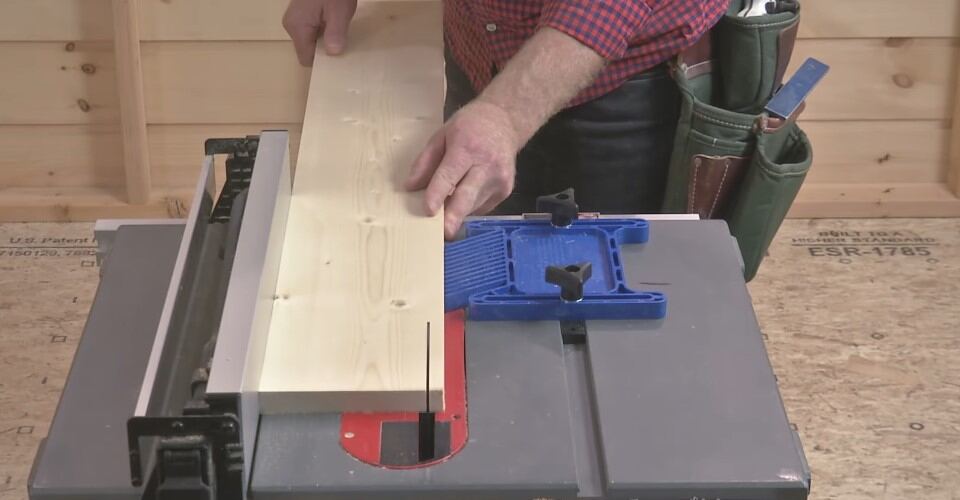
Credit: homenias.com
Maintenance Tips For Longevity
Keeping your table saw in good shape helps it last longer. Proper care ensures safe and smooth cutting of hardwood.
Regular maintenance stops problems before they start. This guide covers cleaning, blade care, and lubrication.
Cleaning The Table Saw
Dust and wood chips build up on your saw. Clean the table surface and parts after every use.
Remove debris to keep the saw running smoothly and to prevent rust on metal parts.
- Use a brush or air compressor to clear sawdust
- Wipe the table with a dry cloth
- Apply a rust-preventive wax on the table surface
Blade Care And Replacement
Sharp blades make clean cuts and reduce strain on the saw. Check the blade for damage before use.
Replace dull or damaged blades to keep cutting efficient and safe. Follow the saw’s manual for blade changes.
- Inspect the blade teeth for chips or dullness
- Clean pitch and resin from the blade regularly
- Use the correct blade type for hardwood cutting
Lubricating Moving Parts
Lubricate the moving parts to reduce wear and keep the saw working smoothly. Use recommended oils or grease.
Focus on the gears, trunnions, and elevation and tilt mechanisms for best results.
- Clean parts before applying lubricant
- Apply lubricant sparingly to avoid attracting dust
- Check moving parts regularly for smooth motion

Credit: m.youtube.com
Frequently Asked Questions
How Do I Set Up A Table Saw For Hardwood Cutting?
To set up, adjust the blade height to slightly exceed the hardwood thickness. Use a sharp carbide-tipped blade designed for hardwood. Secure the fence parallel to the blade. Always wear safety gear and check blade alignment before cutting.
What Safety Tips Are Essential For Table Saw Use?
Always wear eye and ear protection. Keep hands clear of the blade using push sticks. Avoid loose clothing and secure long hair. Ensure the saw is on a stable surface and unplug when adjusting or changing blades.
How Do I Choose The Right Blade For Hardwood?
Select a carbide-tipped blade with 40 to 60 teeth for smooth hardwood cuts. Avoid blades meant for softwood or plywood. Ensure the blade is sharp to reduce splintering and improve cut quality.
Can I Cut Hardwood Without Splintering On A Table Saw?
Yes, use a sharp blade with a high tooth count. Cut slowly and steadily. Use masking tape on the cut line to reduce tear-out. Support the wood properly to avoid vibrations during cutting.
Conclusion
Operating a table saw for hardwood cutting takes care and focus. Always wear safety gear and keep your hands clear of the blade. Set the blade height and fence correctly before cutting. Take your time to make smooth, steady cuts.
Practice helps improve your skill and confidence. With patience, you can achieve clean and precise cuts every time. Stay alert and respect the tool’s power. Safe and careful use leads to great woodworking results. Keep these tips in mind for your next hardwood project.