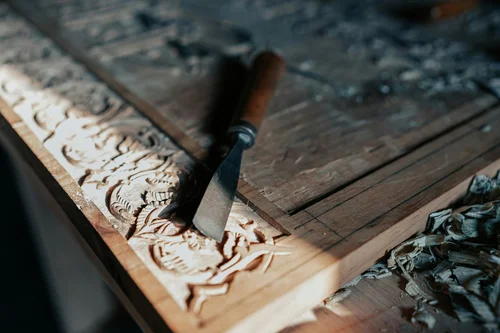
Are you looking to elevate your woodworking skills? Mastering the use of a mallet with chisels can make a world of difference.
Whether you’re a seasoned craftsman or a curious beginner, the right techniques can transform your projects from ordinary to extraordinary. Imagine the satisfaction of clean, precise cuts and the confidence that comes from knowing exactly how to wield your tools.
You might be wondering where to start or how to avoid common mistakes. Don’t worry—you’re not alone. This guide will equip you with practical tips and insights that will make your chiseling experience smoother and more efficient. Stay with us to unlock the secrets of using a mallet with chisels effectively, and watch your woodworking projects come to life with precision and finesse.

Credit: www.britishleathersupplies.co.uk
Choosing The Right Mallet
Using a mallet with chisels makes woodworking easier and safer. Picking the right mallet helps you control your work better.
This guide explains how to choose the best mallet for your chiseling tasks. Focus on types, materials, and size.
Types Of Mallets
There are several kinds of mallets. Each type works best for different chiseling jobs.
- Wooden mallets are common and gentle on chisels.
- Rubber mallets reduce damage but give less force.
- Rawhide mallets offer soft hits without marks.
- Plastic mallets are durable and lightweight.
Material Considerations
The mallet’s material affects its weight and impact. Choose a material that suits your chiseling style.
Hard materials give strong hits but may harm chisels. Softer materials protect chisels but need more effort.
- Wood absorbs shock well and protects tools.
- Rubber lessens vibration but wears out faster.
- Plastic lasts long and balances weight and softness.
- Rawhide is soft and good for delicate work.
Size And Weight Factors
The right size and weight make your work easier. A mallet that is too heavy tires your arm quickly.
Choose a mallet size that fits your hand well. Balance helps you hit accurately without strain.
- Small mallets offer control but less power.
- Large mallets deliver strong blows but can be tiring.
- Medium weight suits most woodworking tasks.
- Try different weights to find your comfort level.

Credit: daitool.com
Selecting Suitable Chisels
Choosing the right chisels improves your work with a mallet. You need tools that fit your project and hand well.
Understanding chisel types and care helps you pick the best ones. This guide covers blade types, handles, and maintenance.
Chisel Blade Types
Chisel blades come in different shapes and sizes. Each blade type suits a specific task in woodworking or carving.
- Bevel edge: Good for fine joinery and tight spaces.
- Firmer chisel: Stronger blade for heavy chopping.
- Mortise chisel: Thick blade for cutting deep holes.
- Paring chisel: Thin blade for delicate shaving.
- Skew chisel: Angled blade for smooth cuts.
Handle Designs
Handle shape affects comfort and control when striking with a mallet. Choose one that fits your grip and force style.
| Handle Type | Description | Best Use |
| Wooden | Classic feel, absorbs shock | General woodworking |
| Plastic | Durable, resistant to moisture | Outdoor or wet conditions |
| Rubber Grip | Non-slip, reduces vibration | Extended work sessions |
| Metal | Very strong, heavier | Heavy-duty chiseling |
Maintenance Tips
Keep chisels sharp and clean for safe and effective use. Proper care extends tool life and performance.
- Wipe blades after each use to remove debris.
- Sharpen blades regularly with a whetstone.
- Apply oil to metal parts to prevent rust.
- Check handles for cracks or looseness.
- Store chisels in a dry place, preferably in a rack.
Proper Grip And Stance
Using a mallet with chisels needs the right grip and stance. This helps you work safely and accurately.
Good control comes from how you hold the tools and how you position your body. This guide covers key tips.
Holding The Mallet Correctly
Hold the mallet near the end of the handle. This gives you more power and control.
Use a firm but relaxed grip. Avoid holding it too tight to reduce fatigue and improve accuracy.
- Wrap your fingers around the handle
- Keep your thumb along the handle for support
- Strike with the flat part of the mallet head
Positioning The Chisel
Hold the chisel firmly with your non-dominant hand. Place your fingers away from the cutting edge.
Angle the chisel to guide the cut. The bevel side usually faces down or towards the waste wood.
- Keep the chisel steady before striking
- Use your body to help stabilize the chisel
- Adjust the angle for clean, precise cuts
Body Posture For Control
Stand with your feet shoulder-width apart. This stance gives balance and steady support.
Lean slightly forward. Keep your arms close to your body to reduce strain.
- Keep your back straight to avoid fatigue
- Use your legs for stability and power
- Move your whole arm when striking, not just the wrist
Striking Techniques
Using a mallet with chisels requires careful striking techniques. Proper hits improve control and protect your tools.
Learning how to strike correctly helps you work safely and efficiently on different materials.
Controlled Impact
Strike the chisel with steady, controlled hits. Avoid wild swings that can slip or damage the tool.
Keep your wrist firm and use your elbow to guide the mallet. This gives you better accuracy and less fatigue.
Adjusting Force For Material
Different materials need different striking forces. Hard woods require stronger hits than soft woods.
| Material | Recommended Force |
| Softwood | Light to Medium |
| Hardwood | Medium to Strong |
| Stone | Strong with Care |
| Metal | Very Strong and Precise |
Avoiding Common Mistakes
Many beginners hit the chisel too hard or at the wrong angle. This causes tool damage and poor cuts.
- Do not strike the chisel handle edge; aim for the flat face.
- Keep the chisel sharp to reduce the needed force.
- Use a mallet suited to the chisel size and material.
- Wear safety glasses to protect from flying chips.
Safety Measures
Using a mallet with chisels needs care to avoid injuries. Always follow safety steps to protect yourself.
Proper safety helps you work better and finish tasks without accidents.
Protective Gear
Wear safety glasses to shield your eyes from flying wood chips. Gloves protect your hands from cuts.
Use ear protection if you work in a noisy area. Closed-toe shoes keep your feet safe from dropped tools.
- Safety glasses or goggles
- Cut-resistant gloves
- Ear protection (earplugs or earmuffs)
- Closed-toe shoes
Workspace Setup
Keep your workspace clean and well-lit. Clear the area of clutter to avoid tripping or slipping.
Secure your workpiece with clamps or a vise. This stops the wood from moving when you strike the chisel.
- Good lighting for clear vision
- Clear floor space to move safely
- Use clamps or vise to hold wood
- Keep tools organized and within reach
Handling Slips And Errors
If the mallet slips, stop immediately. Check your grip and position before trying again.
Do not rush your work. Take time to control each strike to avoid mistakes and injuries.
- Keep a firm grip on both mallet and chisel
- Stand steady with feet apart for balance
- Use slow, controlled strikes
- Stop if you feel unsafe or unsure

Credit: www.familyhandyman.com
Maintenance And Care
Keeping your mallet and chisels in good shape helps them last longer. Regular care makes your work easier and safer.
Proper maintenance includes cleaning, sharpening, and storing your tools correctly.
Cleaning Your Tools
After each use, clean your mallet and chisels to remove dirt and wood residue. Use a dry cloth to wipe them down.
- Remove sap or glue with a soft brush
- Use mild soap and water for stubborn dirt
- Dry tools completely to avoid rust
- Apply a light coat of oil to metal parts
Sharpening Chisels
Sharp chisels cut cleanly and reduce the chance of accidents. Sharpen them regularly to keep edges sharp.
| Sharpening Step | Description |
| 1. Flatten Back | Use a fine sharpening stone to flatten the back of the chisel. |
| 2. Hone Edge | Hold the chisel at correct angle and slide on a sharpening stone. |
| 3. Polish | Use a leather strop to polish and remove burrs. |
| 4. Test Sharpness | Carefully test by cutting soft wood or paper. |
Storing Equipment
Store your mallet and chisels in a dry place to avoid damage. Proper storage keeps tools ready for use.
- Keep chisels in a wooden or plastic case to protect edges
- Store mallets where they won’t fall or get knocked
- Avoid damp areas to prevent rust and wood swelling
- Use silica gel packs in storage areas to reduce moisture
Frequently Asked Questions
How Do I Hold A Mallet Properly With Chisels?
Hold the mallet firmly near the end of the handle. Use your dominant hand for control and your other hand to guide the chisel. This grip helps deliver precise, controlled strikes, reducing the risk of slipping or damaging your workpiece.
What Type Of Mallet Works Best With Chisels?
A wooden or rubber mallet is ideal for chisels. These materials absorb shock and prevent damage to the chisel handle. Avoid metal hammers as they can cause chisel damage and reduce control during carving or woodworking.
How Much Force Should I Use With A Mallet And Chisel?
Apply moderate, controlled force to avoid damaging the wood or chisel. Start with light taps and increase force gradually. Consistent, steady strikes improve accuracy and reduce fatigue during extended use.
How Can I Maintain Chisel Sharpness Using A Mallet?
Use the mallet gently to avoid dulling the chisel edge. Regularly sharpen your chisel with a whetstone or sharpening tool. Proper mallet use and maintenance extend the chisel’s lifespan and improve cutting performance.
Conclusion
Using a mallet with chisels improves your woodworking precision and control. Choose the right mallet size for comfort and power. Hold the chisel firmly and strike with steady, controlled hits. Take time to practice these tips to avoid mistakes and injuries.
Clean and store your tools properly to keep them sharp and ready. Simple habits make your work easier and more enjoyable. Keep practicing, and you will see steady improvement in your skills.