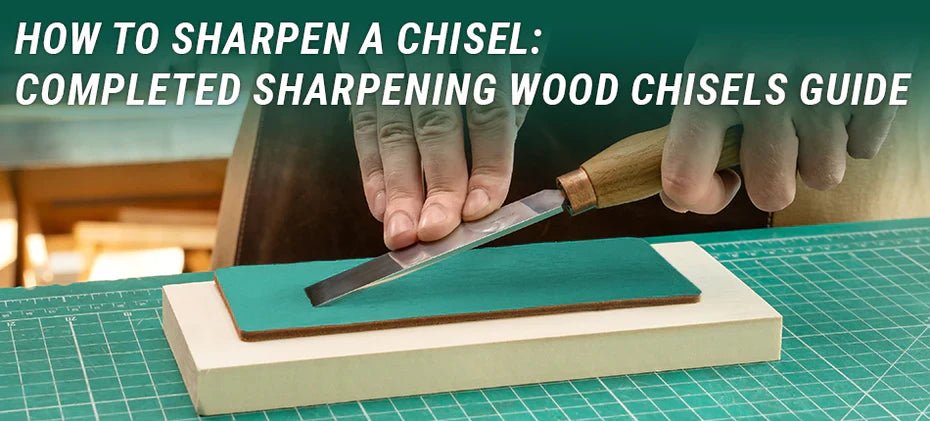
Are your chisels not cutting it anymore? Whether you’re an experienced woodworker or just getting started, maintaining your chisels is crucial for achieving precision and clean cuts.
Imagine the frustration of a dull tool, slowing you down and compromising your project. But don’t worry, there’s a way to keep your chisels in top shape without the hassle. In this guide, you’ll discover simple tips and tricks that will make chisel maintenance a breeze.
Keep reading to learn how to extend the life of your tools and ensure every cut is as sharp as your skills. Your workshop deserves nothing less!

Credit: daitool.com
Choosing The Right Chisel
Choosing the right chisel is important for good woodworking. The right tool makes your work easier and safer.
Look at the chisel types and materials before buying. This guide helps you pick the best chisel for your needs.
Types Of Chisels
Chisels come in different shapes and sizes. Each type has a special use in woodworking or carving.
- Bench Chisels: Good for general woodwork and carving.
- Paring Chisels: Long and thin, used for fine trimming.
- Mortise Chisels: Strong and thick, made for cutting joints.
- Corner Chisels: Used to clean out corners and tight spots.
- Skew Chisels: Have angled edges for smooth cuts.
Materials And Quality
Good chisels are made from strong steel. The steel type affects sharpness and how long the chisel lasts.
| Material | Advantages | Disadvantages |
| High Carbon Steel | Sharp edges, easy to sharpen | Can rust if not cared for |
| Chromium Steel | Rust resistant, durable | Harder to sharpen |
| Alloy Steel | Strong and long-lasting | Usually more expensive |

Credit: daitool.com
Proper Storage Techniques
Keeping your chisels in good shape starts with proper storage. Good storage stops damage and keeps chisels ready to use.
Learn simple ways to store chisels to prevent rust and stay organized in your workspace.
Preventing Rust And Damage
Rust ruins chisels fast. Keep chisels dry and clean to avoid rust. Always wipe chisels with an oily cloth after use.
- Store chisels in a dry place away from moisture
- Use rust inhibitors like oil or wax on the blades
- Wrap blades in cloth or use blade guards
- Keep chisels away from direct sunlight and heat
- Inspect chisels regularly for signs of rust or damage
Organizing Your Tools
Organizing chisels saves time and protects them. Keep chisels sorted by size and type. Use proper holders to avoid damage.
| Storage Method | Benefits | Tips |
|---|---|---|
| Wooden Rack | Easy access and good airflow | Place chisels with handles up |
| Magnetic Strip | Keeps chisels visible and off surfaces | Clean blades before placing on strip |
| Tool Roll | Portable and protects blades | Use blade guards inside the roll |
| Drawer Organizer | Keeps chisels separated and neat | Line drawer with soft material to avoid scratches |
Sharpening Basics
Sharpening chisels keeps them safe and effective. A sharp chisel cuts wood cleanly and saves effort.
Understanding the right tools and angles helps you sharpen your chisels correctly. This guide covers what you need and how to set the angle.
Tools Needed For Sharpening
You need some basic tools to sharpen chisels well. These tools help you shape and polish the blade.
- Sharpening stones (coarse, medium, fine grit)
- Honing guide to keep the angle steady
- Lubricant like water or oil for stones
- Leather strop for final polish
- Cloth to clean the chisel and stones
Correct Sharpening Angles
Keeping the correct angle is key to sharp chisels. The angle depends on the chisel type and use.
| Chisel Type | Recommended Angle |
| Bench Chisel | 25 degrees |
| Paring Chisel | 20 degrees |
| Mortise Chisel | 30 degrees |
Step-by-step Sharpening Process
Sharpening chisels keeps them sharp and safe to use. A sharp chisel cuts cleanly and requires less force.
This guide shows how to sharpen chisels in a few simple steps. Follow each part carefully for the best edge.
Preparing The Chisel
Start by cleaning the chisel blade. Remove dirt and rust with a cloth or fine steel wool. Check the blade for chips or damage.
- Wipe the blade with a damp cloth.
- Use rust remover if needed.
- Inspect the edge for cracks or chips.
- Flatten the back of the blade on a flat stone if it is uneven.
Using Sharpening Stones
Sharpen the blade by sliding it on sharpening stones. Use coarse to fine grit stones to get a sharp edge.
- Start with a coarse stone to shape the bevel.
- Keep the blade angle steady, usually 25 degrees.
- Move the blade back and forth evenly.
- Switch to a medium grit stone to smooth the edge.
- Finish on a fine grit stone for sharpness.
Honing For A Fine Edge
Honing polishes the blade and removes tiny burrs. This step gives the chisel a clean, fine edge.
| Honing Tool | Purpose | How to Use |
| Leather Strop | Polish and refine edge | Pull blade backward on strop |
| Fine Honing Compound | Remove small burrs | Apply to strop before use |
| Water or Oil Stone | Final sharpening | Use gentle strokes with light pressure |
Regular Maintenance Tips
Keeping your chisels in good shape helps them last longer. Regular care keeps the blades sharp and safe to use.
Simple steps after each use prevent rust and damage. Check your chisels often to catch problems early.
Cleaning After Use
Clean your chisels right after using them. Remove dirt, wood chips, and moisture to stop rust from forming.
Use a soft cloth or brush to wipe the blade. Avoid harsh chemicals that can harm the metal.
- Wipe blades with a dry cloth
- Use a small brush for crevices
- Apply light oil to prevent rust
- Store chisels in a dry place
Inspecting For Wear And Tear
Look over your chisels regularly for signs of damage. Check the blade edge and handle for cracks or chips.
Sharpen dull blades to keep cuts clean and safe. Replace handles if they become loose or cracked.
- Check blade edges for dullness or nicks
- Look for rust spots on the metal
- Inspect handles for cracks or looseness
- Sharpen blades as needed

Credit: daitool.com
Safety Practices
Using chisels safely protects you and others around. Sharp tools need careful handling to avoid injuries.
Knowing the right safety steps helps keep your work smooth and your hands safe.
Handling Sharpened Chisels
Always hold chisels by the handle, never by the blade. Keep the sharp edge pointed away from your body and others. Use a tool holder or sheath when not in use to protect the blade and prevent accidents.
- Check the chisel’s sharpness before use to avoid slipping.
- Work on a stable surface to keep control.
- Do not apply excessive force; let the sharp edge do the work.
- Store chisels out of reach of children.
Protective Gear Recommendations
Wearing the right protective gear reduces risk of injury. Use gloves that allow grip but protect from cuts. Safety glasses shield your eyes from wood chips and debris.
| Gear | Purpose | Recommended Type |
| Gloves | Protect hands from cuts | Cut-resistant, snug fit |
| Safety Glasses | Protect eyes from flying debris | Wrap-around style |
| Apron | Protect clothes and body | Leather or heavy fabric |
| Ear Protection | Reduce noise exposure | Earplugs or earmuffs |
Frequently Asked Questions
How Often Should Chisels Be Sharpened For Best Performance?
Chisels should be sharpened whenever they become dull or less effective. Regular sharpening ensures clean cuts and prevents damage. For frequent users, sharpening every few uses is ideal. Always inspect the edge before starting a project to maintain optimal performance.
What Is The Best Way To Clean Chisels After Use?
Clean chisels by wiping off debris and moisture with a dry cloth. Avoid water to prevent rusting. Use a small brush for stubborn dirt. Apply light oil to the blade after cleaning to protect it from corrosion and keep it ready for next use.
How Can I Prevent Rust On My Chisels?
Prevent rust by storing chisels in a dry place and applying a thin oil layer. Use rust inhibitors or silica gel packs in your toolbox. Regular maintenance and cleaning after each use are key to keeping chisels rust-free and extending their lifespan.
What Type Of Sharpening Stone Is Ideal For Chisels?
A medium to fine-grit sharpening stone is ideal for chisels. Water stones or oil stones work well for maintaining a sharp edge. Choose the grit based on the chisel’s dullness; start coarse, then finish with finer grit for a polished edge.
Conclusion
Maintaining chisels keeps them sharp and safe to use. Clean chisels after each job to stop rust. Sharpen blades regularly for smooth, precise cuts. Store tools in a dry place to protect them. Taking small steps saves time and money later.
Good care helps chisels last many years. Easy habits make your work better and faster. Keep chisels ready, and enjoy your woodworking projects.