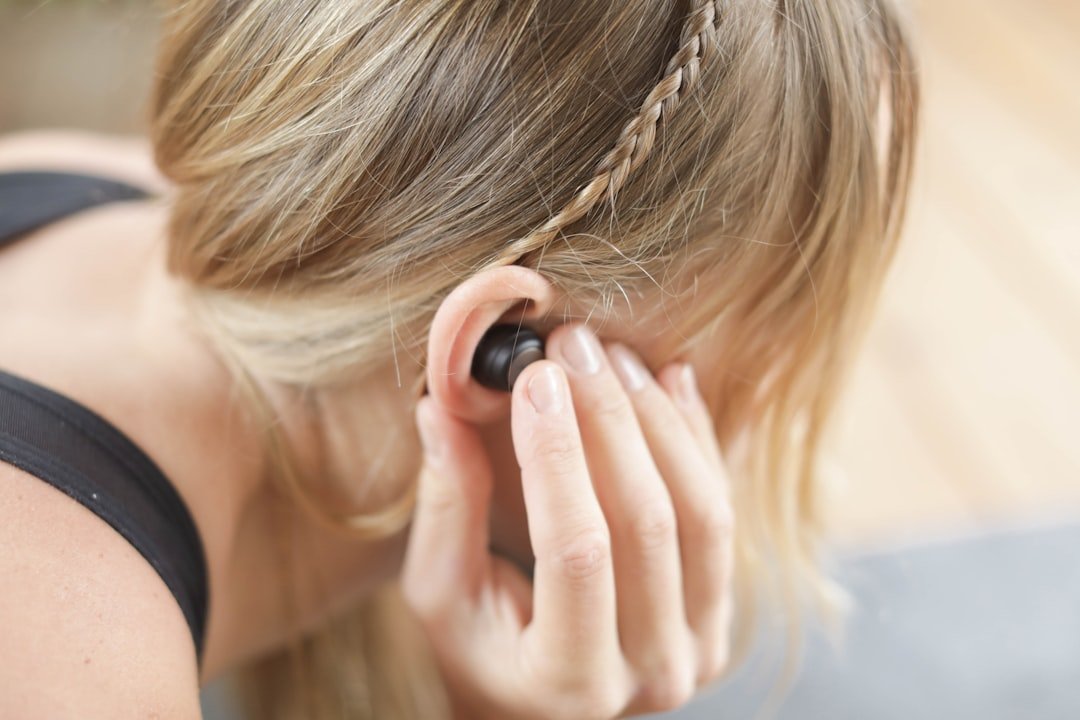
Are you tired of the constant noise from your DIY projects? Whether you’re sanding, drilling, or hammering, that relentless clamor can be more than just an annoyance.
It can pose a serious risk to your hearing. That’s where ear plugs come in. But how do you wear them effectively to ensure maximum protection? You might think it’s as simple as popping them in, but there’s a bit more to it if you want to keep your hearing safe and sound.
We’ll guide you through the best practices for using ear plugs during your DIY tasks, ensuring you can focus on your projects without the distraction of harmful noise. Don’t let a simple oversight cost you your peace of mind and your hearing. Read on to discover how you can safeguard your ears while still getting the job done.
Credit: www.elacin.com
Choosing The Right Ear Plugs
Wearing ear plugs during DIY tasks protects your ears from loud noises. Picking the right ear plugs makes a big difference.
Comfort and noise blocking help you focus and finish your work safely. Learn how to choose the best ear plugs for your needs.
Types Of Ear Plugs
There are many types of ear plugs. Each type suits different needs and comfort levels.
- Foam ear plugs expand to fit your ear canal.
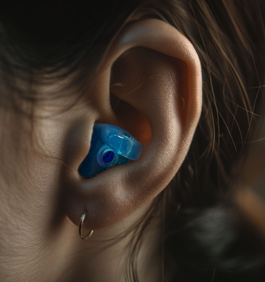
- Silicone ear plugs can be molded to your ear shape.
- Wax ear plugs soften and form a seal in the ear.
- Reusable ear plugs are durable and easy to clean.
Material Matters
Ear plugs come in different materials. The material affects comfort and noise blocking.
- Foam is soft and disposable but may irritate sensitive ears.
- Silicone is flexible and reusable, good for long use.
- Wax offers a tight seal but can melt in hot weather.
- Flanged plastic plugs are easy to insert and clean.
Sizing For Comfort
Ear plugs come in different sizes. Choosing the right size is key for comfort and protection.
Too small plugs fall out, and too big plugs can hurt your ear canal.
- Measure your ear canal if possible before buying.
- Try different sizes to find what fits best.
- Look for ear plugs that offer multiple size options.
- Check if the ear plugs come with a carrying case to keep them clean.
Preparing Your Ears
Wearing ear plugs during DIY tasks helps protect your hearing. It is important to prepare your ears before using them.
Taking simple steps can make sure the ear plugs fit well and keep your ears safe.
Cleaning Tips
Clean ears help ear plugs fit better and prevent infections. Use gentle methods to clean your ears before inserting plugs.
- Wash your hands before touching your ears.
- Use a soft cloth to clean the outer ear.
- Avoid inserting cotton swabs deep into the ear canal.
- Dry your ears well after washing or sweating.
- Remove ear wax gently if it causes blockage.
Checking For Ear Health
Healthy ears are important before using ear plugs. Check for signs of irritation or infection.
| Symptom | Action |
| Pain or discomfort | Avoid using ear plugs and see a doctor |
| Redness or swelling | Delay using plugs until healed |
| Discharge or bad smell | Get medical advice before use |
| Hearing loss or ringing | Consult a healthcare professional |
Proper Insertion Techniques
Wearing ear plugs correctly protects your ears during DIY tasks. Proper insertion blocks loud noises effectively.
Wrong insertion can reduce protection and cause discomfort. Learn the right way to insert ear plugs.
Step-by-step Insertion
Follow these steps to insert ear plugs safely and comfortably.
- Wash your hands to keep ear plugs clean.
- Roll the ear plug into a small, thin shape with your fingers.
- Reach over your head with the opposite hand and gently pull your ear up and back.
- Insert the rolled ear plug deep into your ear canal slowly.
- Hold the ear plug in place for a few seconds to let it expand and fit snugly.
- Release your ear and check if the plug feels secure and quiets noise.
Common Mistakes To Avoid
Many people make simple mistakes that lower ear plug effectiveness. Avoid these to protect your ears well.
- Not rolling the plug tightly enough before insertion.
- Failing to pull the ear up and back to open the ear canal.
- Inserting the ear plug too shallow or too deep.
- Touching the plug with dirty hands, causing ear infections.
- Using damaged or dirty ear plugs multiple times.
- Not checking if the plug blocks noise properly after insertion.
Adjusting For Extended Wear
Wearing ear plugs for a long time during DIY tasks needs some care. You want to stay comfortable and safe.
Adjusting ear plugs helps prevent pain and keeps them working well. Follow these tips for better wear.
Ensuring A Secure Fit
A good fit stops ear plugs from falling out. It also blocks noise better during your work.
Try pushing the ear plug gently into your ear canal. Twist it slightly to make sure it stays put.
- Roll foam plugs into a small shape before inserting
- Hold your ear up and back to open the canal
- Insert plugs slowly to avoid discomfort
- Check if plugs feel snug but not too tight
Reducing Pressure And Discomfort
Long use of ear plugs can cause pressure or soreness. Adjust them to reduce this feeling.
Take breaks by removing ear plugs for a few minutes. This helps your ears rest during long tasks.
- Use softer ear plugs made for comfort
- Change plugs every few hours if possible
- Gently reposition plugs if they hurt
- Keep ears clean and dry before inserting plugs
Maintaining Ear Plugs During Diy Tasks
Wearing ear plugs during DIY tasks helps protect your hearing. Keeping them clean and in good shape makes them work well.
Proper care extends the life of your ear plugs and keeps them safe to use.
Cleaning And Storage
Clean ear plugs after every use to remove dirt and sweat. Use mild soap and warm water to wash reusable ones.
Dry them completely before storing. Keep ear plugs in a clean, dry case to avoid damage and germs.
- Wash with mild soap and warm water
- Rinse thoroughly to remove soap
- Air dry completely before storage
- Store in a clean, dry container or case
- Keep away from extreme heat and sunlight
When To Replace Ear Plugs
Replace ear plugs if they become hard, cracked, or dirty beyond cleaning. Old ear plugs lose their protection.
Disposable ear plugs should be replaced after one use. Reusable ones need replacement based on wear and tear.
- Replace if ear plugs feel uncomfortable
- Replace if they lose their shape or softness
- Replace if cleaning does not restore cleanliness
- Use disposable plugs only once
- Check manufacturer’s guidelines for reusable plugs

Credit: www.customfitearplugs.com.au
Additional Tips For Comfort
Wearing ear plugs during DIY tasks helps protect your hearing. Comfort is key to keep them in place all day.
These tips will help you wear ear plugs more comfortably and safely.
Using Ear Plug Accessories
Ear plug accessories can make wearing them easier and more comfortable. Foam sleeves or covers soften the fit. Carry cases keep plugs clean and ready to use.
- Use foam or silicone covers to reduce ear irritation
- Try neck cords to avoid losing plugs during work
- Store plugs in a clean case to prevent dirt buildup
- Replace accessories regularly to maintain hygiene
Combining Ear Plugs With Other Safety Gear
When doing DIY tasks, you may wear other safety gear like goggles or helmets. Make sure ear plugs fit well with these items.
| Safety Gear | Tip for Ear Plugs |
| Safety Goggles | Choose low-profile ear plugs to avoid pressure |
| Helmets | Use soft ear plugs that compress easily |
| Face Masks | Ensure ear plugs do not block mask straps |

Credit: www.amazon.com
Frequently Asked Questions
How Do I Properly Insert Ear Plugs For Diy Tasks?
Clean your hands before insertion. Roll the ear plug into a small cylinder. Gently pull your ear upward and insert the plug. Hold it in place until it expands fully inside the ear canal for a secure fit.
Why Are Ear Plugs Important During Diy Activities?
Ear plugs protect your ears from loud noises common in DIY projects. They help prevent hearing loss and ear damage caused by power tools and machinery. Wearing them ensures safety and comfort during extended noisy tasks.
Can I Reuse Foam Ear Plugs For Multiple Diy Sessions?
Foam ear plugs are designed for single use. Reusing them can reduce effectiveness and hygiene. For repeated use, consider washable silicone or reusable ear plugs made specifically for DIY work.
How Do I Clean Reusable Ear Plugs After Diy Work?
Wash reusable ear plugs with mild soap and warm water after each use. Let them air dry completely before storage. Proper cleaning prevents ear infections and maintains their noise-blocking efficiency.
Conclusion
Wearing ear plugs during DIY tasks protects your hearing well. Always choose the right size for comfort and safety. Clean your ear plugs regularly to keep them effective. Insert them properly to block loud noises completely. Protecting your ears helps avoid pain and hearing loss.
Simple steps make your work safer and more pleasant. Keep your ear plugs handy for every noisy project. Your ears will thank you after each task. Safety first, even in small DIY jobs.