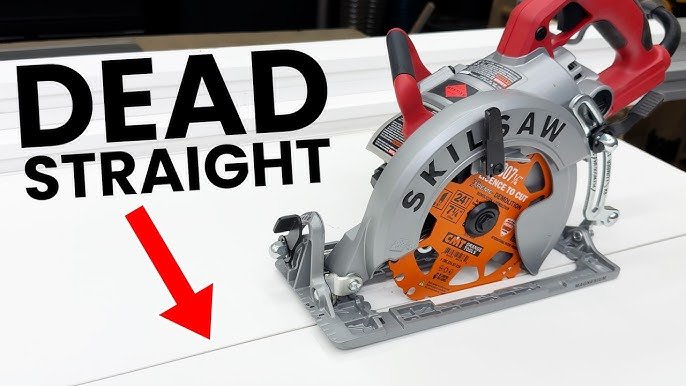
Have you ever noticed your circular saw blade struggling to cut through materials like it used to? Perhaps you’ve seen burn marks on the wood or noticed the saw isn’t as smooth as before.
These are all signs that your circular saw blade needs some attention. Keeping your saw blade in top condition doesn’t just improve performance; it extends the life of your tool and ensures your projects are completed with precision. Imagine the satisfaction of effortlessly gliding through wood, knowing every cut will be smooth and accurate.
In this guide, you’ll discover practical tips and techniques to maintain your circular saw blade, keeping it sharp and efficient. By the end, you’ll be equipped with the know-how to ensure your saw works like new every time you use it. Don’t let a dull blade slow you down—your projects deserve the best!
Credit: www.craftsman.com
Choosing The Right Blade
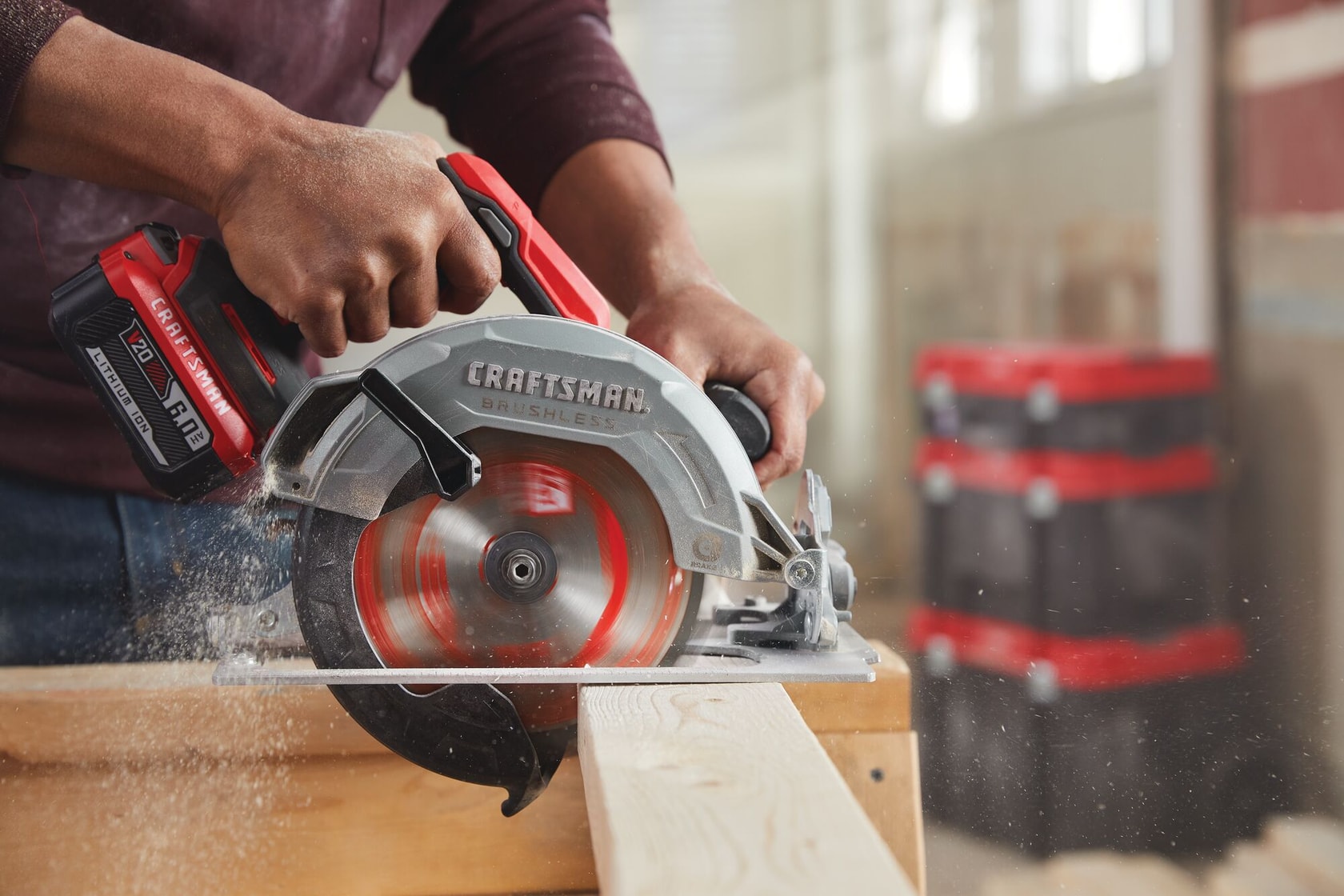
Choosing the right circular saw blade helps you cut better and stay safe. The blade type affects how clean and fast your cuts will be.
Knowing the blade materials and types can guide you to pick the best one for your work.
Blade Types And Materials
Circular saw blades come in many types and materials. Each type works best for certain jobs and materials.
Common materials include steel, carbide, and diamond tips. Steel blades are cheap but dull fast. Carbide blades last longer and cut cleaner. Diamond blades cut hard materials like tile.
- Steel blades: good for soft wood, low cost
- Carbide-tipped blades: last longer, cut wood and metal
- Diamond blades: best for tile, stone, and concrete
Selecting Based On Cutting Needs
Choose a blade by the material and type of cut you need. Different blades suit wood, metal, or plastic cutting.
Also, the number of teeth affects the cut quality. More teeth give smoother cuts. Fewer teeth cut faster but rougher.
- Crosscut blades: many teeth, smooth finish
- Rip blades: fewer teeth, fast cutting along grain
- Combination blades: balance of speed and smoothness
- Metal-cutting blades: specially made for metal materials
Cleaning The Blade
Keeping your circular saw blade clean helps it cut better and last longer. Dirt, pitch, and resin can build up on the blade and slow it down.
Regular cleaning removes these substances and keeps the blade sharp and safe to use.
Removing Pitch And Resin
Pitch and resin come from the wood and stick to the blade during cutting. They can cause the blade to drag and overheat.
Use a cleaner made for saw blades or make a simple solution with water and a mild detergent. Soak the blade for a few minutes to loosen the buildup.
- Wear gloves to protect your hands
- Use a soft brush to scrub the blade gently
- Focus on the teeth and areas with heavy buildup
- Rinse the blade with water and dry it fully
Safe Cleaning Methods
Cleaning a saw blade requires care to avoid damage and injury. Never use harsh chemicals or metal tools that can scratch the blade.
Always remove the blade from the saw before cleaning. Work in a well-ventilated area and wear eye protection if needed.
- Disconnect power before removing the blade
- Use soft brushes or cloths for cleaning
- Do not soak blades with carbide tips for too long
- Dry the blade completely to prevent rust
- Store the blade safely after cleaning
Sharpening Techniques
Keeping a circular saw blade sharp is important for safe and smooth cutting. Sharp blades make clean cuts and last longer. Learning the right sharpening techniques helps keep your tools in good shape.
Sharpening a blade takes care and the correct tools. Understanding when and how to sharpen can save time and money. This guide explains key points about sharpening your saw blade.
When To Sharpen
You should sharpen a circular saw blade when it shows signs of dullness. Dull blades make the saw work harder and cut poorly. Watch for slower cuts, burning wood, or rough edges.
Check the blade often if you use it a lot. Sharpening too late can damage the blade or the motor. Regular inspection helps you sharpen at the right time.
- Blade makes slow or uneven cuts
- Wood burns or splinters while cutting
- Blade teeth look rounded or chipped
- Increased noise or vibration during use
- More effort is needed to push the saw
Diy Vs Professional Sharpening
You can sharpen blades yourself or use a professional service. DIY sharpening saves money but needs the right tools and skills. Professionals use special machines for precise results.
Choose DIY if you have a simple blade and want quick fixes. Pick professional sharpening for complex blades or when you want high accuracy. Professionals can also balance the blade properly.
- DIY Sharpening: Use files or a sharpening jig, good for small jobs
- Professional Sharpening: Uses machines, best for large or expensive blades
- DIY needs practice to avoid damaging the blade
- Professionals provide consistent and balanced sharpening
- Professional service may cost more but saves time

Credit: www.youtube.com
Proper Storage Tips
Keeping your circular saw blades in good shape starts with proper storage. This helps the blades last longer and work better.
Storing blades carefully prevents damage and keeps them safe from rust and dirt.
Avoiding Rust And Damage
Rust can ruin your blades quickly. To avoid this, keep blades dry and clean before storing them. Wipe off any oil or dust after use.
- Use a dry cloth to clean blades after cutting.
- Apply a light coat of oil to prevent rust.
- Store blades in a cool, dry place away from moisture.
- Avoid stacking blades directly on top of each other.
- Check blades regularly for signs of rust or damage.
Organizing Blades Safely
Keeping blades organized helps prevent accidents and damage. Use storage options that separate each blade safely.
| Storage Method | Description | Benefits |
|---|---|---|
| Blade Cases | Individual plastic or metal cases for each blade | Protects teeth and prevents rust |
| Blade Rack | Wall-mounted or free-standing rack with slots | Keeps blades upright and easy to access |
| Toolbox Dividers | Dividers inside toolboxes to separate blades | Prevents blades from banging against each other |
Routine Inspection
Regular checks keep your circular saw blade safe and effective. Routine inspection helps spot problems early.
Inspect the blade before each use. Look closely for signs of damage or wear. This prevents accidents and poor cuts.
Checking For Wear And Tear
Wear and tear reduce blade performance and safety. Look for dull teeth, missing pieces, or rust on the blade.
- Check if teeth are sharp and even.
- Look for chips or cracks on the blade edge.
- Inspect the blade surface for rust or corrosion.
- Notice any unusual vibrations when using the saw.
Identifying Warped Or Damaged Blades
A warped or damaged blade can cause unsafe cuts. Examine the blade carefully for bends or cracks.
| Damage Type | Signs to Look For |
| Warped Blade | Blade does not spin evenly, wobbling during use |
| Cracks | Visible fractures along the blade body or near teeth |
| Missing Teeth | Gaps where teeth should be, uneven cutting edge |
Using The Blade Correctly
Using a circular saw blade properly helps it last longer. It also keeps your cuts clean and safe.
Correct use means setting the saw right and avoiding things that can harm the blade.
Adjusting Saw Settings
Set the blade height so it sticks out just a little above the wood. Too high or too low can hurt the blade.
Use the right speed for the material. Different woods and metals need different speeds.
- Check the blade angle for straight cuts
- Adjust depth to match the thickness of the wood
- Use the right speed setting for your material
Avoiding Overheating
Overheating damages the blade teeth and makes cuts rough. Keep the blade cool by working slowly.
Do not force the saw. Let the blade cut at its own pace to avoid heat build-up.
- Take breaks during long cuts
- Keep the blade clean from resin and sawdust
- Use sharp blades to reduce friction
Lubrication And Protection
Keeping your circular saw blade in good shape helps it cut better and last longer. Proper lubrication and protection stop rust and reduce wear.
This guide covers how to apply protective coatings and reduce friction during use for a well-maintained blade.
Applying Protective Coatings
Protective coatings guard the blade from rust and damage. Use coatings that do not affect cutting performance.
- Clean the blade before applying any coating.
- Use light oil or specialized blade protectant spray.
- Apply evenly over the entire blade surface.
- Wipe off excess to avoid buildup.
- Store the blade in a dry place after coating.
Reducing Friction During Use
Lower friction means less heat and wear on your blade. This helps the blade stay sharp and safe to use.
| Method | Benefit |
|---|---|
| Use wax-based lubricant on the blade | Reduces heat and friction |
| Keep the blade clean from resin and pitch | Prevents buildup that causes drag |
| Ensure proper blade alignment | Minimizes uneven wear and friction |
| Use sharp blades only | Sharp edges cut easier, reducing friction |
Credit: www.familyhandyman.com
Frequently Asked Questions
How Often Should I Clean A Circular Saw Blade?
Clean your circular saw blade after every few uses. Removing resin and pitch buildup prevents overheating and dullness. Regular cleaning ensures smoother cuts and extends blade life.
What Is The Best Way To Sharpen A Circular Saw Blade?
Use a diamond file or a professional sharpening service. Proper sharpening restores blade teeth and improves cutting efficiency. Avoid DIY methods if unsure, to prevent blade damage.
How Can I Prevent A Circular Saw Blade From Rusting?
Store the blade in a dry place and apply a light coating of oil. Rust protection prolongs blade durability and maintains cutting performance. Wipe the blade after use to remove moisture.
When Should I Replace My Circular Saw Blade?
Replace the blade if it’s chipped, warped, or dull beyond sharpening. A worn blade causes poor cuts and can damage your saw. Regular inspection helps identify when replacement is necessary.
Conclusion
Maintaining a circular saw blade keeps your tool sharp and safe. Clean the blade after each use to remove dust and resin. Check for damage or dullness before every project. Use proper storage to avoid rust and bending. Regular maintenance saves money and improves cutting quality.
A well-kept blade works better and lasts longer. Small efforts make big differences in your work. Keep these tips in mind for smooth, precise cuts every time. Your saw blade deserves simple care to perform its best.