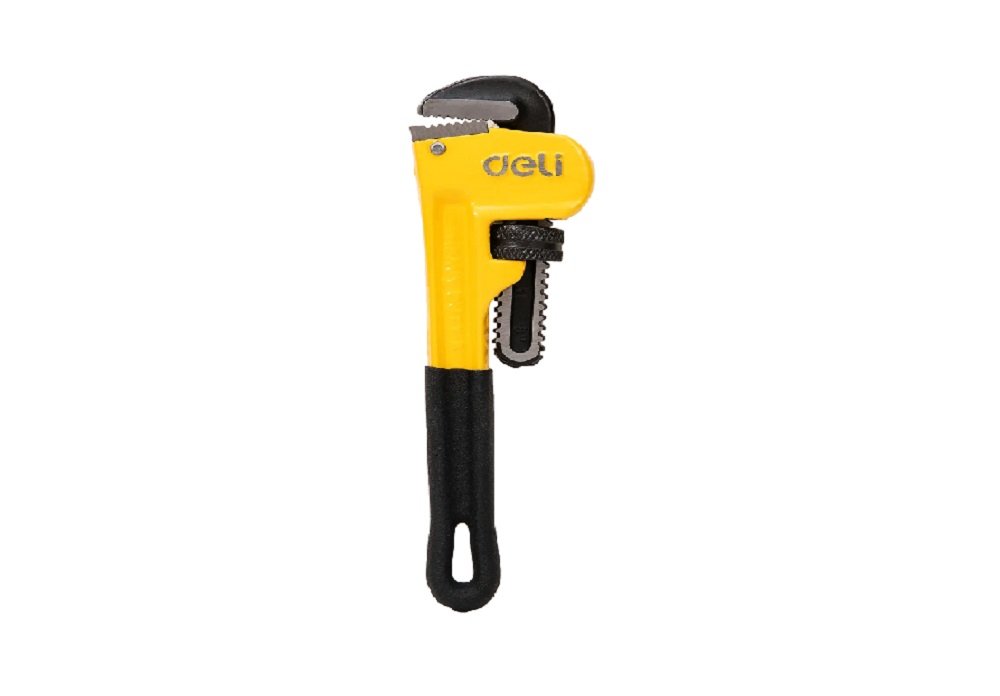
Imagine you’re all set to tackle that long-awaited plumbing task at home. You’ve got your toolbox open, and there it is—the pipe wrench.
It’s sturdy, reliable, and looks ready to help you conquer any pipe problem. But wait—do you know how to use it safely? Using a pipe wrench might seem straightforward, but without proper technique, it can quickly turn into a frustrating or even dangerous experience.
In this guide, you’ll discover the essential tips and tricks for handling a pipe wrench like a pro, ensuring your safety and efficiency. By understanding the nuances of this powerful tool, you’ll not only protect your hands and pipes but also gain the confidence to tackle any plumbing challenge. So, are you ready to unlock the secrets of safe and effective pipe wrench use? Let’s dive in!
Choosing The Right Pipe Wrench
Using a pipe wrench safely starts with choosing the right one. The correct wrench helps you work better and avoid accidents.
Knowing the types and sizes makes it easier to pick the right tool for your job.
Types Of Pipe Wrenches
Pipe wrenches come in different types for various tasks. Each type fits specific pipe sizes and shapes.
- Stillson Wrench:The most common, with adjustable jaws for gripping round pipes.
- End Wrench:Smaller and used for tight spaces.
- Compound Leverage Wrench:Offers more force with less effort, ideal for stuck pipes.
- Strap Wrench:Uses a strap instead of jaws, good for delicate surfaces.
Selecting The Correct Size
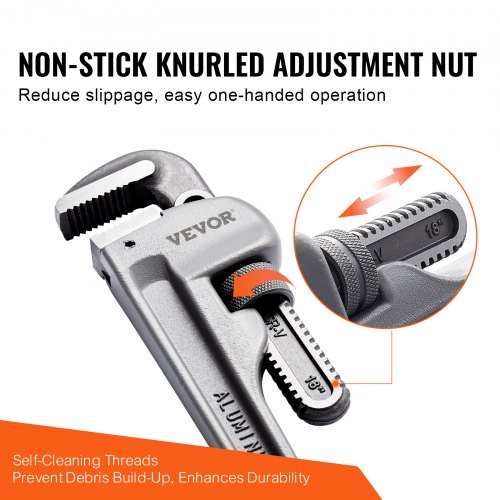
Choosing the right size pipe wrench helps you hold pipes firmly without damage. Wrenches come in sizes from 6 to 48 inches.
| Wrench Size | Best Pipe Diameter | Use |
|---|---|---|
| 6–10 inches | Up to 1 inch | Small pipes and tight spaces |
| 12–18 inches | 1 to 2 inches | General plumbing work |
| 24–36 inches | 2 to 4 inches | Large pipes, heavy work |
| 42–48 inches | 4 inches and above | Industrial and big pipes |
Credit: www.vevor.ca
Inspecting Your Wrench Before Use
Using a pipe wrench safely starts with checking it before you use it. A damaged wrench can slip and cause injury.
Inspect your wrench every time to make sure it works well. This helps you avoid accidents and makes your job easier.
Checking For Wear And Damage
Look closely at the wrench for any signs of wear. Check the handle and the jaws for cracks or bends.
Worn teeth on the jaws can slip off pipes. Rust can make the wrench hard to use and weak.
- Check for cracks or bends on the handle
- Inspect jaw teeth for wear or missing parts
- Look for rust or corrosion on all parts
- Make sure moving parts work smoothly
Ensuring Proper Jaw Alignment
The jaws must line up correctly to grip pipes safely. Misaligned jaws can slip and cause damage or injury.
Check that the jaws close evenly and fit tightly around the pipe. The movable jaw should slide smoothly without wobbling.
- Close the jaws and see if they meet evenly
- Test the movable jaw for smooth movement
- Make sure the jaws hold the pipe firmly without gaps
Proper Grip And Positioning
Using a pipe wrench safely needs the right grip and body position. This keeps you steady and avoids injury.
Focus on how you hold the wrench and where you place your body. These details help you work better and safer.
Correct Hand Placement
Hold the pipe wrench with your dominant hand near the handle’s end. Your other hand should support the wrench closer to the jaws.
- Place your dominant hand firmly at the wrench’s grip.
- Use your other hand to steady the wrench near the top.
- Keep your fingers clear of the moving parts.
- Make sure your grip is tight but not strained.
Body Positioning For Stability
Stand with your feet shoulder-width apart to keep balance. Position your body so you can apply force straight through the wrench.
| Body Part | Recommended Position |
| Feet | Shoulder-width apart, flat on ground |
| Knees | Slightly bent for better balance |
| Back | Straight, avoid twisting |
| Arms | Close to the body for control |
Applying Force Safely
Using a pipe wrench requires care to avoid accidents and damage. Applying force properly helps you work safely and efficiently.
Understanding how to control pressure and avoid over-tightening keeps both you and your tools safe.
Using Controlled Pressure
Apply pressure slowly and steadily when turning the wrench. Sudden force can slip and cause injury or damage.
- Grip the wrench firmly but not too tight
- Push or pull in a controlled, steady motion
- Use your body weight to assist, not just arm strength
- Stop if the wrench slips or feels stuck
Avoiding Over-tightening
Over-tightening can damage pipes and fittings. It can also make repairs harder later.
| Problem | Result |
| Too much force | Damaged pipe threads |
| Excessive tightening | Cracked or broken fittings |
| Repeated over-tightening | Tool wear and damage |
Maintenance And Storage Tips
Taking care of your pipe wrench keeps it working well and safe. Proper maintenance and storage help the tool last longer.
Simple cleaning and lubrication after use can prevent rust and damage. Store the wrench in a dry place to keep it in good shape.
Cleaning After Use
Clean your pipe wrench after each use to remove dirt and grease. This stops buildup that can harm the tool.
- Wipe off dirt with a dry cloth
- Use a brush to clear stuck debris between the teeth
- Wash with mild soap and water if very dirty
- Dry the wrench completely to avoid rust
- Check for any damage or wear during cleaning
Lubricating Moving Parts
Lubricate the wrench’s moving parts to keep them smooth and prevent rust. Proper oiling helps the wrench work easier and last longer.
| Part | Type of Lubricant | Frequency |
| Adjusting Nut | Light machine oil | After every few uses |
| Jaw Pivot | Grease or light oil | Monthly or if stiff |
| Teeth | Dry lubricant spray | As needed to prevent rust |
Common Mistakes To Avoid
Using a pipe wrench safely is important to prevent injuries. Many people make simple mistakes that can cause accidents.
Avoiding these common errors will help you work better and stay safe.
Using Worn Tools
Using a pipe wrench that is old or damaged can be dangerous. Worn teeth on the wrench can slip off pipes easily.
Slipping can cause you to lose control and hurt yourself. Always check your wrench before use.
- Look for worn or broken teeth
- Check for cracks in the handle
- Replace tools that show damage
- Keep the wrench clean and oiled
Ignoring Safety Gear
Not wearing safety gear can lead to serious injuries. Gloves protect your hands from cuts and slips.
Eye protection keeps debris out of your eyes. Always wear safety glasses and gloves when using a pipe wrench.
- Wear gloves to improve grip and protect skin
- Use safety glasses to protect eyes from flying debris
- Consider wearing long sleeves to protect arms
- Use non-slip shoes for better footing
Safety Gear Recommendations
Using a pipe wrench can be dangerous without the right safety gear. Protecting yourself helps avoid injuries. Always wear proper equipment before starting your work.
Safety gear keeps your hands, eyes, and body safe from accidents. It also helps you work more efficiently and confidently.
Gloves And Eye Protection
Wear sturdy gloves to protect your hands from cuts and pinches. Gloves also improve your grip on the pipe wrench, preventing slips.
Eye protection is important to guard against flying debris or metal shavings. Safety glasses or goggles work well for this.
- Use gloves made of thick, durable material
- Choose gloves that fit well for better control
- Wear safety glasses or goggles with side shields
- Replace eye protection if it gets scratched or damaged
Appropriate Clothing
Wear close-fitting clothes to avoid getting caught in the wrench or pipes. Loose sleeves or jewelry can cause accidents.
Long pants and sturdy shoes protect your legs and feet from falling tools or pipes. Avoid sandals or open-toed shoes.
- Choose long sleeves that fit snugly
- Avoid loose or baggy clothing
- Wear long pants made of strong fabric
- Use steel-toed or closed shoes for foot protection
Credit: www.vevor.ca

Credit: www.youtube.com
Frequently Asked Questions
How Do I Grip A Pipe Wrench Properly?
Hold the wrench firmly with your dominant hand. Position the jaws to fit snugly around the pipe. Apply force on the handle in the direction that tightens the grip. This ensures a secure hold and prevents slipping during use.
What Safety Gear Is Essential When Using A Pipe Wrench?
Wear safety goggles to protect your eyes from debris. Use gloves to prevent hand injuries and improve grip. Steel-toed boots safeguard your feet from heavy falling objects. Always wear appropriate clothing to avoid entanglement.
How Can I Avoid Damaging Pipes With A Wrench?
Use the correct wrench size for the pipe. Avoid excessive force to prevent denting or crushing. Position the jaws properly to ensure even pressure. If necessary, use a protective cloth between the wrench and pipe.
When Should I Replace My Pipe Wrench?
Replace your pipe wrench if jaws are worn or damaged. Check for handle cracks or bending. A damaged wrench compromises safety and effectiveness. Regular inspection ensures reliable performance and prevents accidents.
Conclusion
Using a pipe wrench safely protects you and your tools. Always check the wrench before starting work. Hold it firmly and apply steady pressure. Avoid using worn or damaged wrenches. Keep your workspace clean and clear. Remember, safety helps you finish tasks better and faster.
Practice these tips every time you work with a pipe wrench. Stay safe and work smart.
