Are you looking to master the art of woodworking with precision and creativity? Operating a jigsaw can be a game-changer for your projects, allowing you to craft intricate designs and make precise cuts with ease.
Imagine the satisfaction of transforming a simple piece of wood into a masterpiece, all with the help of one versatile tool. In this guide, you’ll discover the essentials of using a jigsaw, making sure you feel confident and skilled in your woodworking adventures.
Whether you’re a beginner or someone looking to refine your skills, the secrets to smooth and effective jigsaw operation are just a read away. Get ready to unlock your potential and take your woodworking projects to the next level.

Credit: www.msn.com
Choosing The Right Jigsaw
Picking the right jigsaw is key for woodworking projects. It helps you cut wood cleanly and safely.
Different jigsaws fit different tasks. Learn about types, blades, and settings to choose well.
Types Of Jigsaws
There are corded and cordless jigsaws. Corded ones have constant power. Cordless ones offer more movement.
Orbital jigsaws move the blade in a small circle for faster cuts. Straight-action jigsaws move the blade up and down for smooth cuts.
- Corded jigsaws: continuous power for long jobs
- Cordless jigsaws: portable and easy to move
- Orbital action: fast cutting, rougher finish
- Straight action: slower cutting, cleaner finish
Blade Selection For Wood
Choose a blade made for wood cutting. These blades have bigger teeth for fast cutting.
Blade length and thickness matter. Longer blades cut thicker wood. Thin blades make curved cuts easier.
- Use high-carbon steel blades for softwood
- Use bi-metal blades for hardwood
- Choose fine teeth for smooth cuts
- Choose coarse teeth for fast cuts
- Select blade length based on wood thickness
Power And Speed Settings
Power affects how easily the jigsaw cuts wood. More power handles harder wood better.
Speed settings let you control blade movement. Lower speeds work best on curves and thin wood. Higher speeds work on straight cuts and thick wood.
- Low speed: precise cuts and thin wood
- High speed: fast cuts and thick wood
- Use medium speed for general work
- Adjust speed to avoid burning wood
Preparing Your Workspace
Setting up your workspace properly helps you work safely and efficiently. A clean and organized area keeps distractions low. It also prevents accidents while using a jigsaw for woodworking.
Before you start cutting, prepare your materials and tools carefully. This preparation makes the jigsaw operation smoother and more precise.
Securing The Wood
Hold the wood firmly to avoid slipping during cutting. Use clamps or a vise to keep the wood stable. This prevents mistakes and keeps your hands safe.
- Choose clamps that fit the wood size
- Place clamps where they do not block the cut line
- Test the wood stability before turning on the jigsaw
- Use a workbench or a sturdy table for support
Safety Gear Essentials
Wear the right safety gear to protect your body. Safety glasses protect your eyes from sawdust and wood chips. Hearing protection reduces noise damage. Gloves shield your hands but avoid loose gloves that can catch the blade.
| Safety Item | Purpose |
| Safety Glasses | Protect eyes from flying debris |
| Hearing Protection | Reduce noise from the jigsaw |
| Gloves | Protect hands from splinters and cuts |
| Dust Mask | Prevent inhaling sawdust |
Clear And Organized Area
Keep your workspace tidy to work safely. Remove unnecessary tools and materials. Clear the floor from any objects that cause tripping. Organize your tools within reach.
- Keep the floor clean and dry
- Arrange cords to avoid tangling
- Store sharp tools safely
- Ensure good lighting in the work area
Setting Up The Jigsaw
Setting up your jigsaw correctly helps you cut wood safely and accurately. Take time to prepare your tool before starting.
This guide covers installing the blade, adjusting the shoe plate, and selecting the cutting mode.
Installing The Blade
Choose the right blade for your cut and wood type. Make sure the jigsaw is unplugged before you start.
Insert the blade into the blade holder. Push it in until it locks securely. Check that the teeth face forward and down.
- Wear safety gloves to protect your hands
- Use the blade type recommended for wood
- Confirm the blade is firmly locked in place
- Test the blade by gently pulling it before use
Adjusting The Shoe Plate
The shoe plate guides the jigsaw during cutting. Adjust it to keep the blade stable and improve control.
You can tilt the shoe plate for angled cuts. Loosen the adjustment lever, set the angle, then tighten it securely.
- Check the shoe plate is flat on the wood before cutting
- Use the angle markings for precise bevel cuts
- Keep the shoe plate clean and free of debris
Selecting The Cutting Mode
Jigsaws often have different cutting modes. Pick the mode that fits your wood and the type of cut.
Orbital mode moves the blade in a slight arc for faster cuts. Straight mode moves the blade up and down for smoother cuts.
- Use straight mode for fine, clean cuts
- Use orbital mode for quick, rough cuts
- Refer to your jigsaw manual for mode options
Credit: onevantool.com
Cutting Techniques
Using a jigsaw for woodworking requires careful control. Good cutting techniques help you make clean and accurate cuts. This guide covers key methods to improve your work.
Focus on the type of cut you need. Each cut style has its own tips to get the best result. Read on to learn more about straight cuts, curved cuts, and how to avoid tear-out.
Straight Cuts
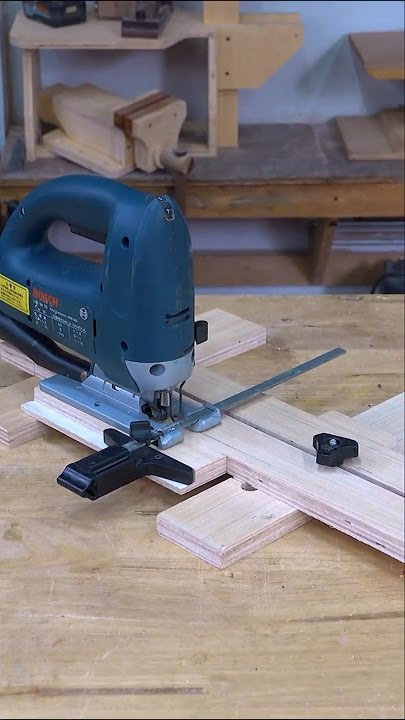
For straight cuts, use a guide or straight edge to keep the jigsaw steady. Move the saw slowly along the line. Keep the base flat on the wood to avoid wobbling.
- Clamp a straight edge to the wood
- Align the jigsaw base with the guide
- Start the cut before the wood edge
- Keep a steady speed and pressure
- Let the saw do the work; do not force it
Curved And Intricate Cuts
Curved cuts need more control and slower speed. Choose a fine-tooth blade for tight turns. Support the wood well and follow the line carefully.
- Mark the curve clearly with a pencil
- Use a blade designed for curves
- Turn the jigsaw slowly to follow the shape
- Stop and lift the saw to reposition if needed
- Support the wood to prevent bending
Avoiding Tear-out
Tear-out happens when wood fibers splinter at the cut edge. Use these tips to reduce tear-out and keep edges clean.
| Tip | Description |
| Use a sharp blade | A dull blade pulls fibers instead of cutting cleanly |
| Cut slowly | Faster cuts increase tear-out risk |
| Place masking tape | Apply tape on cut line to hold fibers in place |
| Cut from the good side | Start cutting on the side that will be visible |
| Use zero-clearance inserts | Reduces gap around blade to support fibers |
Maintaining Control
Using a jigsaw safely and effectively needs good control. Keeping the tool steady helps you cut wood accurately and avoid mistakes.
This guide covers how to hold the jigsaw, manage its speed, and guide it smoothly along your cut lines.
Proper Grip And Posture
Hold the jigsaw firmly but not too tight to reduce hand fatigue. Keep your wrist straight and your arm relaxed.
- Grip the handle with your dominant hand.
- Use your other hand to steady the wood or the front of the jigsaw.
- Stand with your feet shoulder-width apart for balance.
- Keep your body aligned with the cutting line.
Controlling Speed
Adjusting the jigsaw speed helps you cut different types of wood cleanly. Slower speed works best for hard wood; faster speed suits soft wood.
| Wood Type | Recommended Speed |
| Hardwood (oak, maple) | Low to Medium |
| Softwood (pine, cedar) | Medium to High |
| Plywood or MDF | Medium |
Guiding The Jigsaw Smoothly
Move the jigsaw gently and steadily along the cut line. Avoid forcing the blade to prevent bending or breaking.
- Start the cut with the blade just above the wood surface.
- Let the saw do the work; push lightly.
- Follow the marked line carefully, adjusting your hand if needed.
- Keep your eyes on the blade and the cutting path.

Credit: www.youtube.com
Post-cutting Tips
After using a jigsaw for woodworking, some steps help keep your work clean and safe. These tips improve your project’s look and your tool’s life.
Taking care of the edges and the jigsaw after cutting makes future work easier and more precise.
Sanding Edges
Sanding edges smooths rough cuts and removes splinters. Use fine-grit sandpaper to avoid damaging the wood.
Sand along the cut line gently until the edge feels smooth. This step helps the wood look neat and safe to handle.
Cleaning The Tool
Remove sawdust and wood chips from your jigsaw after use. This prevents buildup that can harm the tool’s performance.
Use a small brush or compressed air to clean hard-to-reach parts. Wipe the outside with a dry cloth to keep it clean.
Blade Replacement And Storage
Change the blade if it becomes dull or damaged. A sharp blade cuts better and keeps your work safe.
Store blades in a dry place to stop rust. Keep them in a case or holder to avoid damage and injury.
- Check blade sharpness before each use
- Follow the tool manual for blade changes
- Keep spare blades organized and dry
Frequently Asked Questions
How Do I Choose The Right Blade For A Jigsaw?
Choose a blade based on wood type and cut style. Use fine-toothed blades for smooth cuts and coarse blades for fast, rough cuts. Ensure the blade fits your jigsaw model and is sharp for accurate results.
What Safety Gear Is Essential When Using A Jigsaw?
Always wear safety goggles, ear protection, and gloves. Secure your workpiece to avoid movement. Keep fingers away from the blade and work in a well-lit area to prevent accidents.
How Can I Make Straight Cuts With A Jigsaw?
Use a straight edge or guide clamp to follow. Keep the base flat and steady while cutting. Maintain a consistent speed and avoid forcing the blade through the wood.
What Maintenance Does A Jigsaw Need For Woodworking?
Regularly clean dust and debris from the blade and motor. Lubricate moving parts as per the manual. Check blade condition and replace it when dull for optimal performance.
Conclusion
Operating a jigsaw for woodworking takes practice and care. Always keep your hands steady and follow the cut line closely. Use the right blade for the wood type to get clean cuts. Remember to wear safety gear and work in a well-lit space.
Start slow, then increase speed as you gain confidence. With time, your cuts will become smoother and more accurate. Enjoy creating your woodworking projects with your jigsaw!