Are you passionate about metalwork and eager to enhance your safety measures? Imagine confidently working on your projects without worrying about harmful fumes and particles.
Full-face respirators can be your trusty ally in achieving this peace of mind. In this guide, you’ll discover how these essential tools can transform your metalworking experience, safeguarding not just your health but also elevating your craftsmanship. You’re about to unlock the secrets to working smarter, not harder, by effectively using full-face respirators.
Stay with us, and you’ll find practical tips and insights that could revolutionize your workshop safety. Ready to elevate your metalwork game? Let’s dive in!
Credit: www.envirosafetyproducts.com
Choosing The Right Respirator
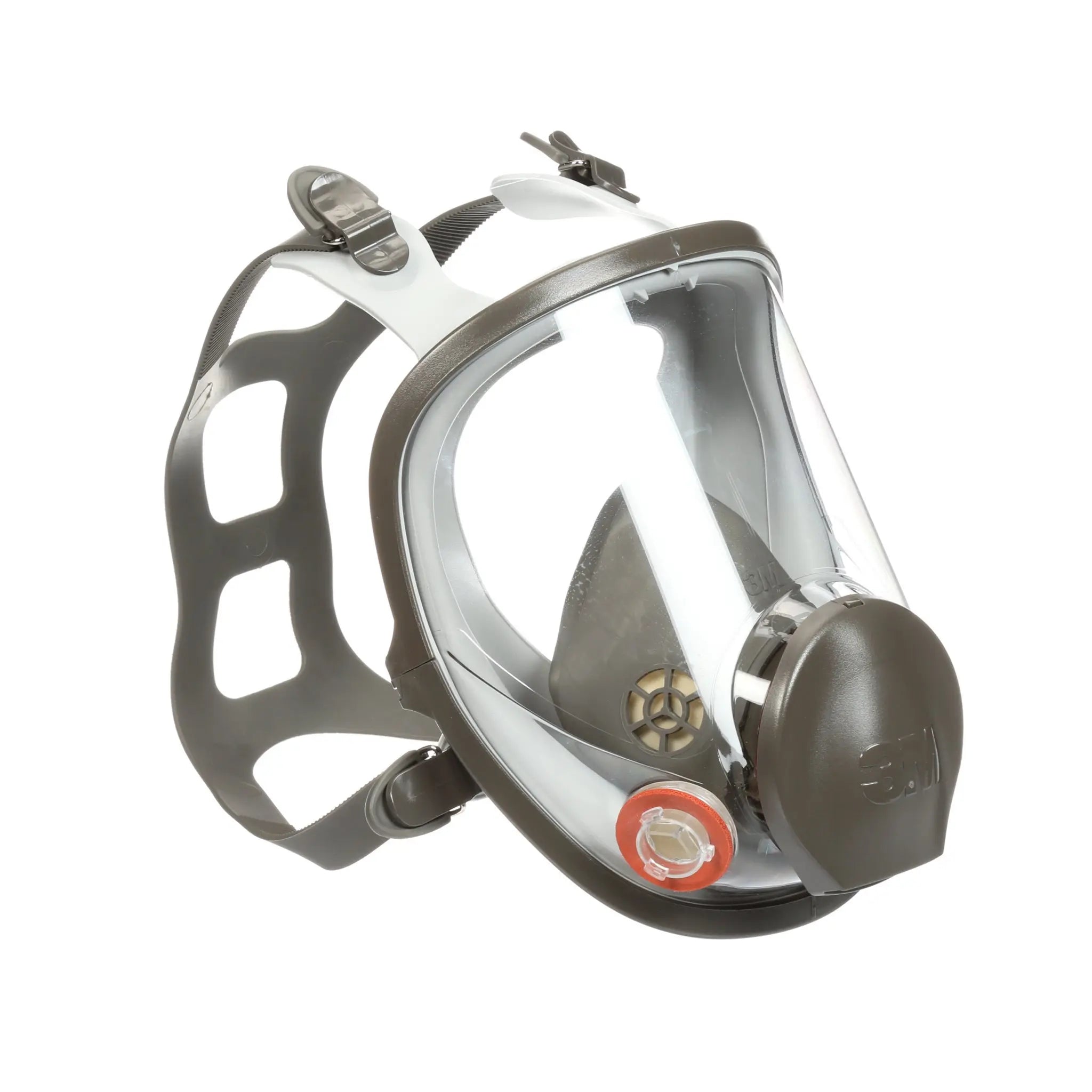
Full-face respirators protect your eyes, nose, and mouth from harmful metalwork fumes. Choosing the right one keeps you safe and comfortable. This guide helps you pick a respirator that fits your needs.
Consider the type, filters, and fit before buying. These factors affect how well the respirator works and how long you can wear it.
Types Of Full-face Respirators
There are different types of full-face respirators. Each type suits specific metalwork tasks. Knowing the types helps you find the best protection.
- Reusable Respirators:Made with durable materials, these have replaceable filters. Good for long-term use.
- Disposable Respirators:Designed for short-term use and are thrown away after use.
- Powered Air-Purifying Respirators (PAPRs):Use a battery to push air through filters, making breathing easier.
Filter Selection For Metalwork
Filters stop harmful particles and gases from entering your lungs. Metalwork creates dust, fumes, and chemicals that need special filters.
| Filter Type | Protection | Use |
| Particulate Filters | Blocks dust and smoke | Welding, grinding |
| Gas and Vapor Filters | Stops chemical fumes | Painting, solvent use |
| Combination Filters | Blocks particles and gases | Heavy metal fumes |
Sizing And Fit Considerations
A good fit stops leaks and keeps you safe. Respirators come in different sizes. Measure your face to pick the right one.
- Measure face width and length.
- Try the respirator on with filters attached.
- Check for gaps around the nose and chin.
- Perform a seal test by covering filters and breathing in.
- Adjust straps for a snug fit without discomfort.

Credit: parcilsafety.com
Preparing For Use
Using a full-face respirator correctly is important for safety in metalwork. Preparing the respirator before use helps protect you from harmful dust and fumes.
This guide covers how to get your respirator ready. Follow these steps to stay safe and work with confidence.
Inspecting The Respirator
Check the respirator for any damage before wearing it. Look for cracks, tears, or worn parts that could cause leaks.
Make sure all parts are clean and work well. Replace any damaged parts right away to keep protection strong.
- Look at the facepiece for cracks or holes
- Check straps for tears or weakness
- Ensure valves move freely and are clean
- Confirm the lens is clear and not scratched
Checking Filter Integrity
Filters block harmful particles and gases. Inspect filters before use to make sure they work correctly.
Do not use filters that are old, dirty, or damaged. Change filters according to the manufacturer’s instructions or after heavy use.
- Look for cracks or holes in the filter
- Check that the filter is properly attached
- Make sure the filter type matches your work hazard
- Replace filters if you smell odors or feel breathing resistance
Ensuring Proper Seal
A tight seal stops harmful air from leaking into the respirator. Test the seal every time before use.
Adjust the straps so the respirator fits snugly. Check for leaks by covering the filter and breathing in gently.
- Put the respirator on and tighten straps evenly
- Cover the filters with your hands
- Inhale slowly to create suction inside
- If the mask collapses slightly and no air leaks in, the seal is good
- If you feel air, adjust the fit and test again
Wearing The Respirator Correctly
Wearing a full-face respirator properly is key to protecting yourself during metalwork. A correct fit keeps harmful particles out and lets you work safely.
This guide explains how to put on the respirator, adjust it for comfort, and check the fit every time.
Proper Donning Techniques
Start by cleaning your hands and inspecting the respirator for damage. Hold the respirator with both hands and place it over your face, covering your nose and mouth.
- Position the chin inside the respirator cup.
- Pull the head straps over your head carefully.
- Ensure the facepiece sits flat against your skin.
- Avoid touching the inside of the mask.
Adjusting Straps For Comfort
Adjust the straps to hold the respirator snugly but comfortably. Tight straps improve the seal but should not cause pain or leave marks.
| Strap | How to Adjust | What to Check |
| Top strap | Pull evenly until the mask feels secure | No slipping down the forehead |
| Side straps | Tighten or loosen to seal sides | Mask lies flat without gaps |
| Bottom strap | Adjust under the neck | Comfort without pinching |
Performing Fit Checks
Always check the fit before starting work. A good fit prevents air leaks and protects your lungs.
- Cover the filters with your hands.
- Inhale gently to create a vacuum.
- Hold your breath for 10 seconds.
- Check if the mask pulls tightly to your face.
- If air leaks, readjust straps and try again.

Credit: weldingsupplystoreutah.com
Maintenance And Cleaning
Proper maintenance and cleaning keep your full-face respirator safe to use. Clean equipment helps protect you from harmful metalwork dust and fumes.
Regular care extends the life of your respirator and ensures good air quality. Follow these simple steps to maintain your gear.
Cleaning Procedures
After each use, clean the respirator to remove dirt and sweat. Use mild soap and warm water for cleaning. Avoid harsh chemicals that can damage the materials.
- Remove filters and cartridges before cleaning.
- Wash facepiece and straps with soap and warm water.
- Rinse thoroughly with clean water.
- Dry with a clean cloth or air dry in a clean area.
- Do not use direct heat to dry the respirator.
Storing The Respirator
Store your respirator in a clean, dry place away from direct sunlight. Keep it in a sealed bag or container to avoid dust and damage.
- Keep away from extreme heat or cold.
- Do not store near chemicals or solvents.
- Store in a location easy to access for regular use.
Replacing Filters And Parts
Replace filters and parts as recommended by the manufacturer or if you notice damage. Using worn parts reduces protection.
| Part | When to Replace | Notes |
|---|---|---|
| Filters | After exposure or if breathing becomes difficult | Follow filter type guidelines |
| Facepiece | If cracked or damaged | Inspect before each use |
| Straps | If stretched or broken | Ensure secure fit |
Safety Tips During Metalwork
Using full-face respirators during metalwork keeps you safe from harmful dust and fumes. Wearing the right gear lowers health risks.
Follow safety rules to avoid accidents and protect your lungs. Proper use of respirators is key to safe metalwork.
Avoiding Contaminant Exposure
Metalwork creates dust and fumes that can harm your health. Keep your respirator sealed tightly on your face.
Work in well-ventilated areas to reduce harmful particles in the air. Always clean your work area after finishing.
- Check the respirator fit before starting
- Use protective clothing to cover your skin
- Keep your work area clean and free of dust
- Use ventilation systems to reduce airborne contaminants
Monitoring Respirator Performance
Regularly check your respirator for damage or wear. Replace filters according to the manufacturer’s instructions.
Make sure the respirator breathes easily and no air leaks around the edges. Test the seal each time you wear it.
- Inspect straps, valves, and face seals daily
- Change filters when breathing feels harder
- Keep respirator parts clean and dry
- Store respirators in a clean, safe place
Responding To Respirator Malfunctions
If your respirator stops working well, stop working immediately. Remove yourself from the contaminated area safely.
Report any problems and replace or repair the respirator before returning to work. Do not use damaged equipment.
- Leave the area if you smell or taste contaminants
- Check for broken parts or loose seals
- Replace faulty parts before using again
- Tell your supervisor about the issue
Legal And Safety Standards
Full-face respirators protect metalworkers from harmful dust, fumes, and chemicals. Using them properly keeps workers safe and meets legal rules.
Understanding the legal and safety standards helps employers and workers follow the law and use respirators right.
Osha Requirements
The Occupational Safety and Health Administration (OSHA) sets rules for respirator use. These rules protect workers from breathing hazards.
Employers must provide proper respirators and ensure workers use them correctly. OSHA requires a written respiratory protection program.
- Choose the right respirator for the job
- Fit test respirators to each worker
- Train workers on proper use and care
- Maintain and clean respirators regularly
- Keep medical evaluations for workers
Industry Best Practices
Following best practices improves safety beyond legal rules. Metalwork involves many risks that require careful respirator use.
Best practices include checking respirators before use and replacing filters as needed. Workers should avoid shortcuts that reduce protection.
- Inspect respirators daily for damage
- Store respirators in clean, dry places
- Use filters suited for metal dust and fumes
- Encourage regular breaks to reduce fatigue
- Keep records of respirator maintenance
Training And Certification
Training workers helps them use full-face respirators safely. Certification ensures they understand all safety steps.
Training covers how to wear, clean, and store respirators. Workers learn to spot problems and respond to emergencies.
- Teach correct fitting and seal checks
- Explain filter types and replacement timing
- Show proper cleaning and maintenance
- Review emergency procedures
- Test worker knowledge before certification
Frequently Asked Questions
What Is A Full-face Respirator For Metalwork?
A full-face respirator protects your eyes, nose, and mouth from metal dust and fumes. It provides a tight seal, ensuring no harmful particles enter your respiratory system. It’s essential for metalwork safety.
How To Properly Fit A Full-face Respirator?
Ensure the respirator fits snugly without gaps. Adjust straps evenly and perform a seal check by inhaling gently. If air leaks, reposition the mask until sealed tightly against your face.
When Should You Replace Respirator Filters?
Replace filters when breathing becomes difficult or after exposure to heavy contaminants. Follow manufacturer guidelines, typically every 8 hours or sooner in intense metalworking conditions.
Can Full-face Respirators Protect Against Welding Fumes?
Yes, full-face respirators with appropriate filters effectively block welding fumes and gases. Use filters rated for metal fumes to ensure maximum protection during welding tasks.
Conclusion
Using a full-face respirator keeps you safe during metalwork tasks. It blocks harmful dust, fumes, and sparks from reaching your face and lungs. Always check the fit and filters before starting your work. Clean the respirator after each use to keep it working well.
Protecting yourself helps you focus and finish your projects better. Stay safe and breathe easy while working with metal.